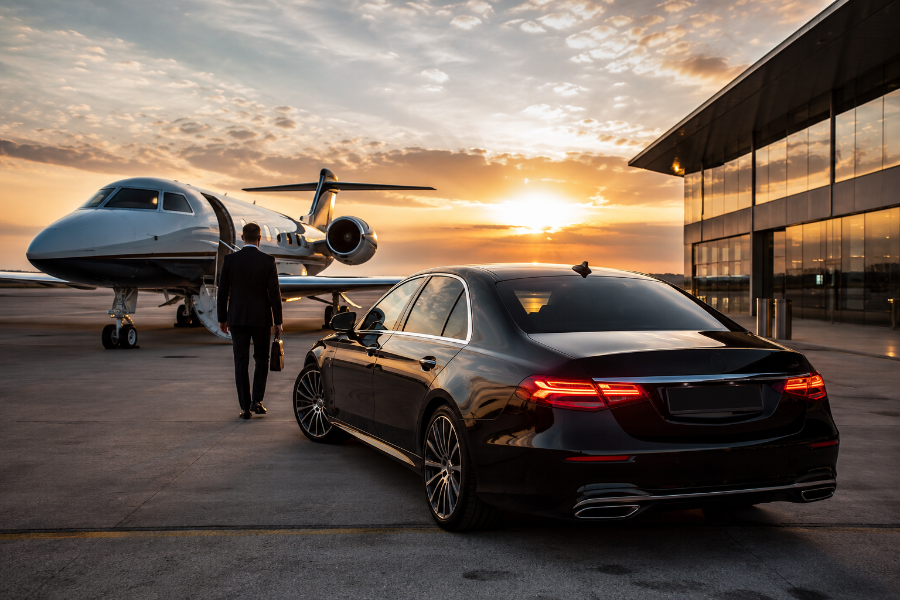
The meaning of Luxury Transportation has changed significantly in 2026. While premium vehicles, private aviation, luxury yachts, and executive travel services still symbolize success, affluent consumers increasingly evaluate mobility through a broader lifestyle lens. Wealth alone no longer drives purchasing decisions. Instead, wealthy buyers prioritize convenience, flexibility, privacy, personalization, and time efficiency when selecting transportation solutions.
This shift reflects deeper changes in wealthy consumer psychology. High-net-worth individuals often view transportation as an extension of personal identity and daily productivity rather than simply a display of financial achievement. Consequently, the modern luxury mobility market focuses less on visible excess and more on creating seamless experiences that support demanding lifestyles.
Moreover, younger affluent buyers are reshaping traditional expectations. Many prefer practical prestige over conspicuous consumption, favoring sophisticated premium EVs, executive sedans, private mobility memberships, and curated travel experiences. Technology, sustainability considerations, and digital convenience increasingly influence purchasing behavior as well.
Meanwhile, business and leisure travel continue to blend. Executives expect transportation systems that support productivity, wellness, and effortless transitions between work and personal activities. As a result, Luxury Transportation has evolved from isolated ownership models into interconnected mobility ecosystems that prioritize experience, control, and convenience above pure status signaling.
Why Luxury Transportation Reflects Personal Identity?
Transportation choices have always communicated social positioning. However, modern affluent consumers use mobility to express personal values, professional identity, and lifestyle preferences rather than simply demonstrating wealth.
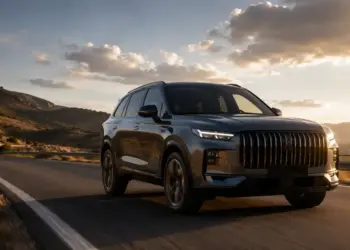
A luxury SUV, executive sedan, private jet membership, or premium electric vehicle often reflects how an individual wants to be perceived. Some buyers favor understated elegance and discretion. Others prioritize innovation, sustainability, or performance. Therefore, transportation becomes a carefully selected extension of personal branding.
Moreover, personalization plays a critical psychological role. Customized interiors, tailored travel experiences, dedicated concierge services, and exclusive membership benefits create emotional connections that standard transportation options cannot replicate. Wealthy buyers frequently associate personalization with recognition and individuality.
Several factors strengthen identity-driven transportation decisions:
- Customized ownership experiences
- Exclusive access and membership privileges
- Alignment with personal values
- Lifestyle consistency across travel modes
- Distinctive yet understated luxury signals
In contrast to previous generations, many affluent consumers now seek subtle indicators of success. Consequently, transportation choices increasingly communicate sophistication rather than extravagance.
The Growing Importance of Time Efficiency
Among affluent consumers, time has become one of the most valuable luxury assets. Wealthy individuals often manage demanding professional responsibilities, complex travel schedules, and multiple personal commitments. Therefore, transportation decisions frequently revolve around maximizing productivity and minimizing friction.
Private aviation illustrates this trend clearly. Although comfort remains important, many buyers value direct routing, schedule flexibility, reduced airport delays, and increased control over travel logistics. The psychological benefit extends beyond convenience. Travelers gain a greater sense of autonomy and predictability.
Meanwhile, chauffeur-driven transportation continues to attract executives because it transforms travel time into productive work time. Instead of focusing on driving, passengers can conduct meetings, review documents, or prepare presentations during transit.
Key productivity-related motivations include:
- Reduced travel uncertainty
- Greater schedule flexibility
- Enhanced work efficiency
- Faster access to destinations
- Improved travel comfort and focus
As a result, executive transportation trends increasingly prioritize seamless movement rather than visible luxury alone. Convenience itself has become a status symbol.
Luxury Transportation Preferences by Wealth Segment
| Wealth Segment | Preferred Transportation | Main Psychological Driver | Lifestyle Goal | Purchasing Behavior |
|---|---|---|---|---|
| Emerging Affluent | Premium EVs, executive sedans | Achievement and credibility | Professional advancement | Value-conscious premium purchases |
| High-Net-Worth Individuals | Luxury SUVs, chauffeur services, charter aviation | Convenience and flexibility | Time optimization | Selective ownership with service integration |
| Ultra-High-Net-Worth Individuals | Private jets, yachts, multimodal mobility services | Control and exclusivity | Lifestyle customization | Ecosystem-focused spending |
| Global Executives | Executive aviation, luxury sedans, concierge mobility | Productivity and efficiency | Business performance | Subscription and access-based models |
| Next-Generation Wealth Holders | Premium EVs, memberships, experiential travel | Practical prestige and sustainability | Lifestyle balance | Flexible access over permanent ownership |
Why Privacy Has Become the New Status Symbol?
Privacy increasingly shapes affluent travel behavior. While public displays of wealth once dominated luxury markets, many wealthy consumers now prefer discretion and controlled visibility.
Several forces contribute to this change. Digital exposure, security concerns, public scrutiny, and personal safety considerations have increased the value of private environments. Consequently, transportation solutions that offer confidentiality command growing demand.
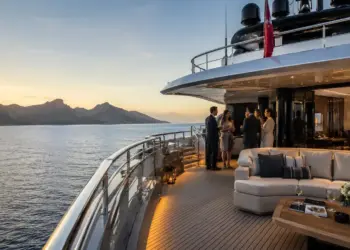
Private aviation remains attractive partly because it provides secluded travel experiences. Similarly, chauffeured transportation, private terminals, exclusive marinas, and invitation-only mobility services offer enhanced privacy without sacrificing convenience.
Moreover, wealthy buyers increasingly associate privacy with freedom. The ability to travel without interruption, attention, or unwanted visibility creates a sense of control that many consumers consider more valuable than traditional status symbols.
Characteristics of privacy-focused luxury transportation include:
- Confidential travel environments
- Personalized service interactions
- Restricted-access facilities
- Discreet branding and design
- Enhanced security measures
Nevertheless, privacy does not eliminate status signaling. Instead, it changes how status is expressed. Sophisticated consumers often prefer quiet exclusivity over obvious displays of wealth.
Emotional Decision-Making in Luxury Mobility Purchases
Even affluent consumers rarely make transportation decisions based solely on rational analysis. Emotional motivations continue to influence purchasing behavior across the luxury mobility ecosystem.
Aspirational identity plays an important role. Buyers frequently select transportation options that align with their self-image or future aspirations. A luxury vehicle may symbolize professional success, independence, innovation, or personal achievement.
Comfort also carries significant emotional value. Premium seating, quiet cabins, seamless service, and customized travel experiences contribute to feelings of security and well-being. Consequently, emotional comfort often becomes a decisive purchasing factor.
At the same time, wealthy consumers balance emotional desires with practical considerations. Operational costs, maintenance requirements, resale value, and sustainability expectations increasingly influence final decisions.
Psychological Drivers Behind Luxury Transportation Purchases
| Psychological Factor | Transportation Example | Buyer Motivation | Luxury Impact | Long-Term Trend |
|---|---|---|---|---|
| Status Recognition | Executive sedan | Professional credibility | Social signaling | Becoming more subtle |
| Personal Identity | Premium EV | Value alignment | Individual expression | Growing rapidly |
| Privacy | Private jet charter | Confidentiality | Exclusive experience | Increasing importance |
| Convenience | Chauffeured service | Reduced effort | Seamless mobility | Core purchasing driver |
| Emotional Security | Luxury SUV | Comfort and protection | Peace of mind | Consistent demand |
| Flexibility | Mobility membership | Lifestyle adaptability | Experience variety | Expanding adoption |
| Sustainability | Electric luxury vehicle | Responsible consumption | Modern prestige | Growing influence |
As a result, luxury ownership psychology increasingly combines emotional fulfillment with functional benefits, creating a more balanced purchasing framework.
Why Younger Wealthy Buyers Think Differently?
A generational shift is transforming the premium mobility market. Younger millionaires and emerging affluent professionals often evaluate transportation differently than previous generations.
Many embrace the concept of practical prestige. Rather than purchasing the most visibly expensive option, they prefer solutions that combine performance, convenience, technology, and sustainability. Consequently, premium EV adoption continues to expand within younger affluent demographics.
Experience-first consumption also influences decision-making. Younger buyers frequently prioritize memorable travel experiences, exclusive access, and flexibility over traditional ownership models. Therefore, subscription-based mobility services and charter programs continue gaining popularity.
Several characteristics define younger affluent purchasing behavior:
- Preference for understated luxury
- Interest in sustainable technologies
- Greater reliance on digital platforms
- Strong focus on convenience
- Preference for flexible access models
Meanwhile, social perceptions of wealth continue evolving. In contrast to earlier generations, many younger affluent consumers associate sophistication with intelligent decision-making rather than conspicuous spending.
The Role of Technology in Luxury Transportation Psychology
Technology has become a powerful emotional and practical driver within Luxury Transportation. Buyers increasingly expect seamless digital experiences that enhance convenience without creating complexity.
AI-powered personalization enables transportation providers to anticipate preferences, optimize routes, customize environments, and improve service quality. Consequently, affluent consumers enjoy more individualized travel experiences.
Productivity features also influence executive transportation decisions. Integrated communication systems, high-speed connectivity, intelligent scheduling tools, and digital concierge platforms allow travelers to remain efficient while moving between destinations.
Furthermore, software experiences now contribute significantly to perceived luxury value. Consumers increasingly judge premium transportation by the quality of digital interactions rather than mechanical specifications alone.
Emerging expectations include:
- Predictive personalization
- Seamless device integration
- Intelligent travel planning
- Enhanced onboard productivity
- Frictionless digital service management
Therefore, technology functions as both a practical utility and an emotional enhancer within the luxury mobility experience.
How Luxury Transportation Became a Lifestyle Ecosystem?
One of the most important developments in 2026 involves the transformation of transportation into a connected lifestyle ecosystem. Affluent consumers increasingly seek integrated experiences rather than isolated ownership arrangements.
For example, a traveler may combine executive ground transportation, private aviation access, luxury hospitality services, yacht charters, and concierge support through a single membership platform. As a result, mobility becomes a seamless extension of lifestyle management.
Moreover, luxury transportation providers increasingly adopt hospitality-inspired service models. Personalized assistance, curated experiences, wellness amenities, and proactive support create stronger emotional engagement throughout the customer journey.
Key ecosystem characteristics include:
- Integrated multimodal transportation
- Membership-based access programs
- Concierge-driven service models
- Unified digital management platforms
- Personalized lifestyle coordination
Consequently, ownership alone no longer defines luxury mobility. Access, flexibility, and experience quality increasingly shape consumer perceptions of value.
Sustainability and the New Luxury Mindset
Sustainability now influences a growing segment of affluent transportation buyers. Although exclusivity remains important, many consumers increasingly consider environmental impact when evaluating mobility options.
Premium EV growth demonstrates this trend clearly. Many wealthy buyers appreciate electric vehicles because they combine innovation, performance, efficiency, and environmental responsibility. Moreover, sustainable choices often reinforce personal identity and social values.
Meanwhile, sustainable aviation initiatives and carbon-conscious travel programs continue attracting attention within private travel markets. Nevertheless, affluent consumers generally seek balance rather than sacrifice. They expect sustainability solutions to maintain high service standards and convenience levels.
Several factors drive environmentally conscious transportation decisions:
- Long-term value alignment
- Technological innovation appeal
- Corporate sustainability commitments
- Social responsibility expectations
- Future-focused lifestyle positioning
As a result, sustainability increasingly complements luxury rather than competing with it.
What Luxury Transportation Trends Say About Wealth Culture in 2026?
Current mobility trends reveal broader psychological shifts occurring across affluent global culture. Wealthy consumers increasingly prioritize control, flexibility, personalization, and time efficiency over visible displays of status.
Moreover, transportation itself has become a form of lifestyle infrastructure. Rather than viewing mobility as a standalone purchase, affluent buyers evaluate how transportation supports professional productivity, personal wellness, family needs, and travel experiences.
Personalization continues replacing mass prestige. Consumers seek services tailored to individual preferences rather than standardized luxury offerings. Meanwhile, flexibility often carries greater perceived value than permanent ownership commitments.
The broader implications are significant:
- Mobility increasingly reflects personal values
- Experiences outweigh traditional status displays
- Privacy grows more valuable than visibility
- Convenience becomes a luxury asset
- Ecosystems replace isolated ownership models
Consequently, the future of Luxury Transportation will likely reward usability, customization, and emotional comfort more than traditional prestige alone. Wealth culture increasingly values seamless experiences that support everyday life while preserving freedom, privacy, and personal control.
Conclusion
The psychology behind Luxury Transportation extends far beyond premium products. In 2026, affluent consumers increasingly evaluate mobility through the lenses of identity, convenience, privacy, flexibility, productivity, and emotional well-being. Luxury vehicles, private jets, yachts, chauffeur services, and premium EVs remain desirable; however, the motivations behind these purchases continue evolving.
Moreover, younger wealthy buyers favor practical prestige, sustainable innovation, and experience-driven consumption. Executive mobility influences transportation purchases more than ever, while digital personalization shapes expectations across the luxury mobility ecosystem.
Ultimately, modern luxury transportation reflects larger cultural changes within affluent society. Wealthy consumers increasingly seek control, time efficiency, and curated experiences rather than visible excess. As mobility ecosystems continue expanding, transportation will function not merely as a means of movement but as an essential component of lifestyle infrastructure, personal identity, and long-term quality of life.
FAQs
Why do wealthy buyers invest heavily in luxury transportation?
Affluent consumers often prioritize convenience, productivity, comfort, privacy, and lifestyle alignment. Luxury transportation helps optimize time while supporting personal and professional goals.
Is luxury transportation mainly about status?
Not exclusively. While status remains relevant, many buyers increasingly focus on flexibility, personalization, privacy, and efficiency rather than public recognition.
Why is privacy important to affluent travelers?
Privacy provides security, discretion, confidentiality, and greater control over personal and professional activities during travel.
How are younger millionaires changing luxury mobility?
Younger affluent buyers favor practical prestige, premium EVs, digital convenience, sustainability, and flexible membership-based transportation models.
What role does psychology play in luxury car buying?
Psychology influences identity expression, emotional comfort, social positioning, aspiration, confidence, and purchasing satisfaction.
Why are private jets becoming more popular?
Private aviation offers schedule flexibility, direct access, productivity benefits, enhanced privacy, and reduced travel friction.
Are luxury EVs replacing traditional prestige vehicles?
Luxury EVs are gaining popularity rapidly. However, they currently complement rather than completely replace traditional luxury vehicles.
What is practical prestige in luxury transportation?
Practical prestige refers to selecting premium transportation solutions that deliver performance, convenience, technology, and sophistication without excessive displays of wealth.
Why are subscription-based mobility services growing?
Subscription models provide flexibility, diverse transportation options, predictable costs, and reduced ownership responsibilities.
How is luxury transportation evolving in 2026?
Luxury transportation increasingly emphasizes personalized experiences, digital ecosystems, privacy, sustainability, executive productivity, and seamless multimodal access.