A Private Jet Cabin Upgrade has become one of the most influential decisions for high-net-worth individuals and corporate flight departments in 2026. As private aviation evolves, cabin systems are no longer just about luxury seating or visual appeal, but about integrated digital ecosystems, productivity environments, and long-range comfort optimization. The modern upgrade is a combination of engineering, connectivity, and personalized design that directly affects travel efficiency and asset value.
Moreover, the global demand for premium private aviation has accelerated post-2024, pushing operators and owners to rethink how cabin interiors are configured. Travelers are no longer satisfied with standard layouts; instead, they expect adaptive lighting, ultra-quiet environments, and seamless connectivity across continents. Consequently, the Private Jet Cabin Upgrade market is now driven by performance as much as aesthetics.
Therefore, understanding what to ask before committing to a cabin upgrade is essential. The wrong configuration can lead to unnecessary downtime, reduced aircraft resale value, and inefficient mission capability. This article breaks down the five most critical questions every jet owner or frequent flyer should consider before investing in a Private Jet Cabin Upgrade in 2026.
1. What Level of Comfort Am I Actually Getting?
A Private Jet Cabin Upgrade is often marketed as a transformation in comfort, yet the definition of “comfort” varies significantly depending on aircraft class and configuration. For some operators, comfort means fully lie-flat seating, while for others it includes cabin pressurization improvements and noise reduction systems. Understanding these differences is essential before making any investment decision.
Moreover, seating ergonomics now play a major role in long-haul business aviation. Modern upgrades include adjustable lumbar support, temperature-controlled leather seating, and modular layouts that allow cabins to shift between executive meetings and rest configurations. Consequently, comfort is no longer static but dynamically adjustable throughout the flight.
Additionally, cabin pressure and acoustics are becoming key selling points. New-generation aircraft upgrades focus on reducing effective cabin altitude and minimizing engine noise penetration, allowing passengers to arrive less fatigued on long-range flights.
- Lie-flat vs semi-reclining seat configurations
- Cabin altitude optimization systems
- Noise suppression engineering improvements
- Multi-mode seating layouts (sleep, work, lounge)
2. How Much Does a Cabin Upgrade Really Cost?
The cost of a Private Jet Cabin Upgrade varies widely depending on aircraft type, customization level, and technology integration. Entry-level upgrades may focus on upholstery and lighting, while full cabin retrofits can include full avionics-linked cabin management systems, Wi-Fi upgrades, and structural modifications.
However, cost is not limited to installation alone. Operators must also consider downtime, certification processes, and long-term maintenance expenses. Therefore, the total cost of ownership can be significantly higher than initial estimates provided by vendors.
Furthermore, pricing structures differ between ownership models. Charter operators may pass upgrade costs into hourly pricing, while private owners often absorb full retrofit expenses upfront. Consequently, understanding pricing strategy is critical before committing.
Private Jet Cabin Upgrade Cost by Aircraft Type
| Aircraft Type | Comfort Level | Cost Impact Range | Key Cabin Features |
|---|---|---|---|
| Light Jet | Basic to Moderate | $150K – $500K | Seating refresh, lighting upgrades |
| Midsize Jet | Moderate to High | $500K – $1.5M | Cabin connectivity, seating reconfiguration |
| Heavy Jet | High | $1.5M – $5M | Full cabin redesign, entertainment systems |
| Ultra Long-Range Jet | Ultra Premium | $5M – $12M+ | VIP suites, full smart cabin systems |
3. Which Aircraft Actually Support Cabin Upgrades?
Not all aircraft are equally suited for a Private Jet Cabin Upgrade, and this is where many owners face unexpected limitations. Light jets, for example, have structural and space constraints that restrict full modular redesigns. In contrast, heavy and ultra-long-range jets are designed with flexibility in mind, allowing extensive cabin reconfiguration.
Moreover, aircraft certification standards play a major role in determining upgrade feasibility. Some older aircraft models require extensive engineering approval for even minor interior modifications, which can increase both cost and downtime significantly.
Additionally, VIP-configured aircraft often come pre-designed with modular interiors that allow easier upgrade pathways. Consequently, selecting the right aircraft platform is just as important as selecting the upgrade itself.
- Light jets: limited modular flexibility
- Midsize jets: partial upgrade compatibility
- Heavy jets: full cabin redesign potential
- VIP aircraft: pre-optimized upgrade architecture
4. Does a Cabin Upgrade Improve Productivity or Just Luxury?
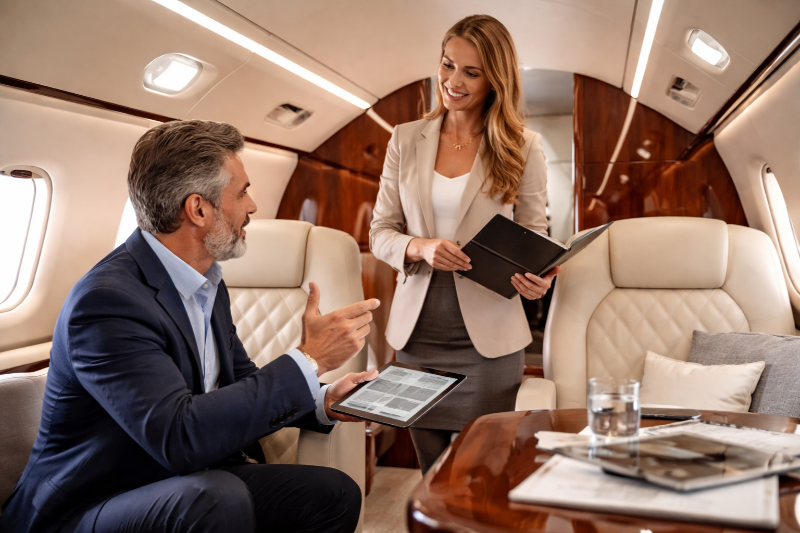
A modern Private Jet Cabin Upgrade is no longer purely about luxury it is increasingly about productivity optimization. Business aviation users now expect full office-like environments in the sky, including high-speed connectivity, conferencing capabilities, and privacy zones for executive decision-making.
Moreover, in-flight connectivity systems have evolved significantly, allowing real-time collaboration, cloud access, and uninterrupted communication. Consequently, aircraft cabins are now extensions of corporate offices rather than isolated travel spaces.
Additionally, privacy engineering has become a critical factor. Soundproof meeting zones, partitioned cabin layouts, and dedicated workspaces allow executives to conduct sensitive discussions mid-flight without compromise.
- High-speed satellite Wi-Fi systems
- Dedicated executive workspace zones
- Conference-ready cabin layouts
- Encrypted communication environments
5. Is It Worth It for My Travel Frequency?
Determining the value of a Private Jet Cabin Upgrade depends heavily on travel frequency and mission profile. For frequent flyers, especially corporate executives, the ROI can be justified through productivity gains and reduced fatigue. However, for occasional users, the financial return may be significantly lower.
Moreover, aircraft utilization rates directly influence upgrade justification. High-utilization aircraft benefit more from advanced cabin systems due to constant passenger turnover and operational demand. Consequently, upgrades often deliver stronger value in managed fleets compared to personal-use aircraft.
Additionally, time savings and operational efficiency must be factored into the decision. While cabin upgrades do not directly improve flight speed, they significantly enhance time productivity during flight hours.
- Frequent flyers: high ROI potential
- Occasional users: luxury-driven value
- Corporate fleets: operational efficiency gains
- Private owners: lifestyle enhancement focus
Cabin Upgrade Features in 2026
Modern Private Jet Cabin Upgrade systems in 2026 are defined by smart automation and adaptive environments. Aircraft interiors are now equipped with AI-driven systems that adjust lighting, temperature, and seating configurations based on passenger behavior and flight phase.
Moreover, luxury materials have reached new levels of personalization. From handcrafted leathers to carbon-fiber interior panels, customization options are nearly unlimited. Consequently, aircraft cabins now reflect personal branding as much as functional design.
- AI-controlled cabin environment systems
- Smart lighting and mood adjustment
- Premium ergonomic seating designs
- Ultra-light luxury interior materials
Read also: The Real Cost of Private Flights: What Millionaires Actually Pay
Market Trends in Private Jet Upgrades
The Private Jet Cabin Upgrade market is experiencing rapid transformation driven by personalization and digital integration. High-net-worth individuals now expect tailored cabin environments that mirror luxury residences rather than traditional aircraft interiors.
Moreover, corporate aviation programs are increasingly investing in productivity-focused cabins. Consequently, manufacturers are prioritizing workspace integration over purely aesthetic enhancements.
- Rise of personalized aviation interiors
- Growth of onboard productivity ecosystems
- Expansion of corporate jet programs
- Increased demand for smart cabin automation
Benefits of Cabin Upgrades
A well-executed Private Jet Cabin Upgrade delivers multiple advantages that extend beyond aesthetics. Enhanced comfort leads to improved sleep quality on long-haul flights, while advanced connectivity systems improve business continuity in transit.
Moreover, upgraded cabins provide enhanced privacy, allowing high-level discussions and decision-making to occur securely mid-flight. Consequently, the aircraft becomes a strategic extension of business operations.
- Improved passenger comfort and rest quality
- Enhanced in-flight productivity
- Stronger privacy and security
- Elevated brand and travel experience
Limitations & Considerations
Despite their advantages, Private Jet Cabin Upgrades come with notable limitations. High capital costs and certification requirements can make upgrades financially intensive, especially for older aircraft platforms.
Moreover, not all upgrades provide measurable performance improvements. In some cases, owners may invest heavily in aesthetics without achieving proportional functional benefits. Consequently, careful planning is essential.
- High upfront and retrofit costs
- Limited compatibility with smaller aircraft
- Variable return on investment
- Certification and downtime challenges
Frequently Asked Questions
What is a Private Jet Cabin Upgrade?
A Private Jet Cabin Upgrade refers to the modernization or enhancement of aircraft interior systems, including seating, connectivity, lighting, and cabin management systems.
How much does it cost to upgrade a jet cabin?
Costs range from $150,000 for light jets to over $10 million for ultra-long-range aircraft depending on customization level.
Are cabin upgrades worth it?
Yes, for frequent flyers and corporate operators, upgrades improve productivity, comfort, and long-term aircraft value.
Which jets offer the best cabin experience?
Heavy jets and ultra-long-range aircraft typically offer the most advanced cabin upgrade potential.
Do upgrades improve flight performance?
No, cabin upgrades do not affect speed or range but significantly enhance passenger experience and productivity.