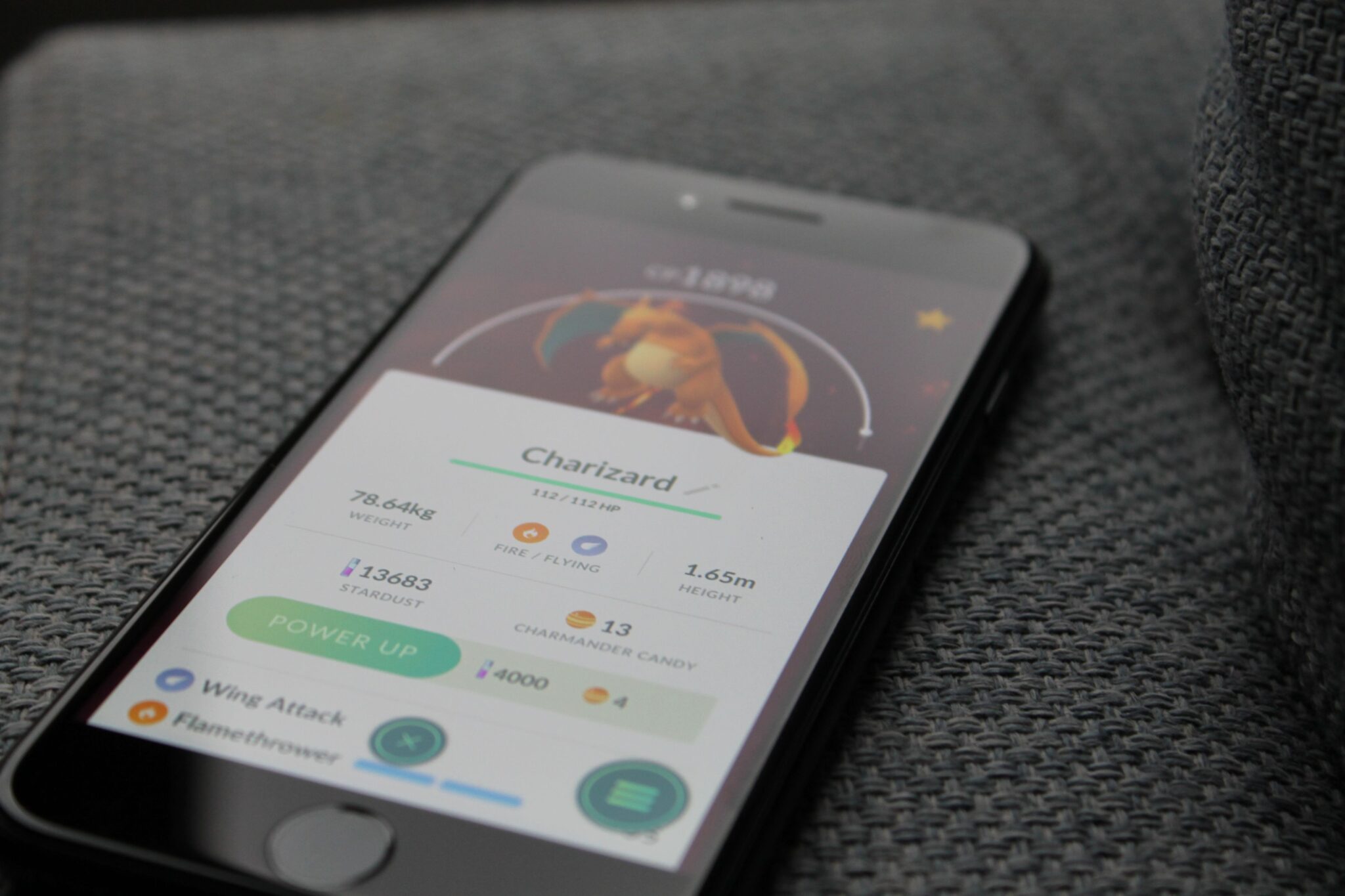
Pokémon cards and gold are two things you might have never found yourself comparing and yet, with the value of Pokémon seemingly going upward and upward, it’s absolutely another asset that some people are thinking about. It’s a curious thing. Something that started out as a cartoon has now become a commodity that rivals one of the most lucrative assets out there, namely gold.
To be fair, looking beyond traditional investments has become increasingly common. Pokémon cards and gold are two examples that continue to attract attention. Understanding how each market works is a useful first step before deciding which one suits your own approach, so keep reading to learn more.
How the Pokémon Card Market Has Evolved
The Pokémon card market has changed quite a bit over the years. If you’ve been paying even just the slightest attention, this is something you will have noticed. What was once mainly seen as a collectible hobby has grown into an established marketplace where some cards attract significant interest from collectors around the world.
Several factors influence the value of a card. Rarity, condition, popularity and the size of a print run all play a part, which means cards that appear similar can sometimes have very different prices.
Additionally, it’s also become much easier to follow how the market develops. Historical pricing data allows collectors to compare values over months or even years, making it easier to spot trends rather than relying on individual listings. Plus, having access to data like this in itself is already revolutionary and allows collectors to dive further into Pokémon options.
Why Gold Remains a Popular Alternative Asset
As you know, gold has been valued for centuries and continues to be one of the best-known alternative assets available today. While the reasons people buy it may differ, its long history means it has remained familiar to investors across many generations.
Unlike Pokémon cards, gold doesn’t depend on rarity within a collectible market. Instead, its value is determined by broader financial markets, with prices changing throughout the year as buying and selling activity takes place around the world.
Many investors appreciate how straightforward gold can be. Prices are easy to follow and buying or selling is generally a simple process through established dealers and marketplaces. That level of familiarity is one of the reasons gold continues to attract long-term interest.
Unpacking Pokémon Cards Further
For many collectors, Pokémon cards offer much more than financial potential. Building a collection is part of the enjoyment, whether that means completing favourite sets, searching for specific cards or following new releases.
The variety within the hobby is another attraction. Some collectors focus entirely on vintage cards, while others prefer modern sets or particular Pokémon. Because there are so many different collecting styles, the market remains active across a wide range of cards.
Many people also enjoy the slower pace compared with other investment markets. Rather than watching prices throughout the day, collectors often follow longer-term trends, giving them time to research and make considered decisions.
Where Gold Stands Out
Gold appeals for a different set of reasons. It has an established place in global markets, making it familiar to both experienced and first-time investors. Rather than researching editions or condition, investors mainly focus on current prices and broader market movements.
Another advantage that you can’t forget is consistency. Gold has been traded internationally for many years, creating a market that is widely recognised and relatively easy to understand. This makes it appealing to those who prefer a more traditional investment without the need to study individual collectibles.
Accessibility also plays a part that keeps coming up in conversation. As you likely already know, gold is available in several forms, including bars and coins, allowing investors to choose an option that suits their preferences. Because prices are published regularly, it’s straightforward to keep track of how the market is performing.
While it doesn’t offer the collecting aspect that Pokémon cards do, many people appreciate its simplicity and long-established reputation.
Think About Your Strategy Carefully
There isn’t a universal answer when comparing Pokémon cards with gold because each appeals to different types of investors.
Some people choose not to compare the two directly at all. Instead, they see them as separate parts of a broader investment strategy, with each offering different characteristics. One combines collecting with market knowledge, while the other focuses on an internationally recognised physical asset.
How you decide to go about things is completely up to you.
Deciding between Pokémon cards and gold comes down to personal preference, investment goals and the amount of time you’re happy to spend researching the market. There is also no reason that you should limit yourself to one or the other. You are more than welcome to see where each option takes you and make a conscious choice regarding where you spend your attention once you have a better hang of either or both markets.