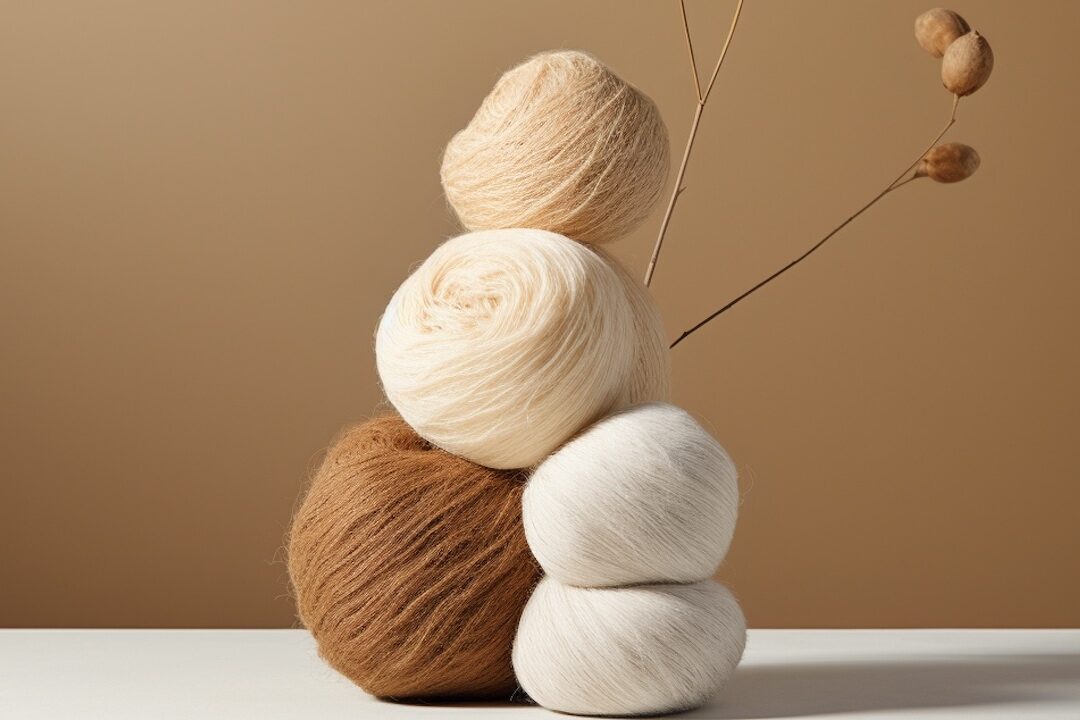
Choosing the right clothing for everyday life is about more than color, style, and appearance. Comfort, breathability, durability, and the feel of fabric against the skin can all influence how enjoyable an outfit is throughout the day. This is one reason natural fiber clothing continues to be popular among people who want practical and comfortable wardrobe options.
Natural fibers are materials obtained from plants or animals and include cotton, linen, wool, silk, hemp, and others. Each fiber has different characteristics, making some particularly suitable for warm weather, while others are better for cooler conditions.
For daily wear, natural fiber clothing can offer a combination of comfort, versatility, and timeless appeal. Understanding the benefits of these materials can help you make more informed choices when building your wardrobe.
What Are Natural Fibers?
Natural fibers come from naturally occurring sources rather than being manufactured entirely from synthetic polymers. Plant-based fibers include cotton, linen, and hemp, while animal-based fibers include wool and silk.
Each material has its own texture, weight, breathability, and care requirements. Cotton, for example, is widely appreciated for its softness and everyday versatility. Linen is known for its lightweight feel and breathability, while wool provides warmth and insulation.
The best fabric depends on the season, activity, personal preference, and garment.
Comfort for Everyday Wear
Comfort is one of the biggest reasons people choose natural fibers. Many natural fabrics have a soft or pleasant texture and can feel comfortable during extended periods of wear.
Cotton T-shirts, linen shirts, wool sweaters, and silk garments can all provide different forms of comfort. Choosing fabrics appropriate for the weather can make an especially noticeable difference.
Comfort also depends on the construction and fit of the garment. A natural fiber garment that is poorly fitted may still be uncomfortable, so fabric should be considered alongside design.
Breathability
Many natural fibers are valued for their ability to allow air to move through fabric. This can make certain natural-fiber garments particularly comfortable in warm conditions.
Cotton and linen are common choices for summer clothing because they can feel lighter and more breathable than many heavier materials. Linen is especially popular in warm-weather wardrobes because of its airy texture.
Breathability can help clothing feel more comfortable during everyday activities such as commuting, shopping, working, or spending time outdoors.
Moisture Management
Different natural fibers interact with moisture in different ways. Cotton can absorb moisture, which contributes to its familiar comfortable feel, although it can also take longer to dry.
Wool has interesting moisture-management properties and can remain comfortable across a range of temperatures. This makes it useful for sweaters, coats, socks, and other cool-weather clothing.
Because each fiber behaves differently, it is worth considering the activity you will be doing when choosing clothing.
Temperature Regulation
Natural fibers can be useful across different seasons because different materials have different thermal properties.
Linen and lightweight cotton are popular for warm weather, while wool is commonly used for cold-weather garments. Silk can also provide a lightweight layer that works in different conditions.
Layering natural-fiber clothing can make it easier to adapt to changing temperatures. A cotton shirt, for example, can be worn alone in mild weather or beneath a wool sweater when temperatures drop.
Durability and Longevity
Durability depends on the specific fiber, fabric construction, garment quality, and how the item is cared for. Some natural fabrics can be remarkably durable when properly maintained.
Hemp and linen are known for their strong fibers, while high-quality wool can last for many years with appropriate care. Cotton can also be durable, particularly when used in well-constructed garments.
Longevity is important for daily clothing because frequently worn items experience repeated washing, drying, and movement.
Timeless Appearance
Natural fabrics often have distinctive textures that contribute to a classic appearance. Linen has a naturally relaxed texture, cotton can range from crisp to soft, and wool can provide a rich and structured appearance.
These characteristics can make natural fiber clothing suitable for both casual and sophisticated outfits.
A linen shirt, cotton trousers, or wool coat can remain stylish even as short-term fashion trends change.
Versatility
One of the biggest advantages of natural fibers is their versatility. Cotton can be used for T-shirts, jeans, dresses, shirts, underwear, and casual trousers. Linen works well for shirts, dresses, trousers, and summer jackets.
Wool can appear in sweaters, coats, trousers, scarves, and suits, while silk is often used for blouses, dresses, scarves, and other lightweight garments.
This variety allows natural fabrics to become part of almost every area of a wardrobe.
Potential Benefits for Sensitive Skin
Some people prefer natural fibers because they find certain fabrics more comfortable against their skin. Cotton, in particular, is widely used in garments worn directly against the body.
However, “natural” does not automatically mean that a fabric will suit everyone. Individual sensitivities vary, and dyes, finishes, detergents, and garment construction can also affect how clothing feels.
If you have sensitive skin, choosing soft fabrics and checking how a garment feels before wearing it for an extended period can be helpful.
Natural Fibers and Sustainability
Natural fibers are sometimes associated with environmentally conscious fashion because they originate from renewable biological sources. However, sustainability is more complicated than simply choosing a natural material.
The environmental impact of a fabric can depend on farming practices, water use, processing, transportation, chemical use, garment lifespan, and disposal.
For this reason, consumers should avoid assuming that every natural fiber is automatically environmentally friendly. Buying fewer, better-made garments and wearing them for longer can be an important part of a more thoughtful approach to fashion.
Cotton for Everyday Clothing
Cotton remains one of the most widely used natural fibers in everyday clothing. Its versatility makes it suitable for almost every wardrobe.
Cotton T-shirts are especially useful because they can be worn alone or layered under sweaters, jackets, and shirts. Cotton shirts and dresses can also transition between casual and more polished settings.
When shopping for cotton clothing, pay attention to fabric weight and construction. Lightweight cotton may be ideal for summer, while heavier cotton can provide additional structure and warmth.
Linen for Warm Weather
Linen is a popular choice for warm climates. Its lightweight construction and breathable feel make it suitable for hot-weather clothing.
Linen shirts, trousers, dresses, and shorts can create relaxed and elegant summer outfits. One characteristic of linen is that it wrinkles relatively easily. Rather than treating this as a flaw, many people consider its natural creasing part of the fabric’s relaxed aesthetic.
Blended linen fabrics may provide some of the appearance of linen with different performance or care characteristics.
Wool for Cooler Conditions
Wool is one of the most useful natural fibers for colder weather. It provides warmth while remaining relatively versatile.
Wool sweaters, coats, scarves, and socks can be incorporated into everyday winter wardrobes. Merino wool is particularly popular for lightweight clothing because it can provide warmth without the bulk associated with some heavier garments.
Proper care is important because some wool garments require gentle washing or specialized cleaning.
Caring for Natural Fiber Clothing
Taking proper care of natural-fiber clothing can extend its useful life. Always check the garment’s care label before washing.
Some cotton items can be machine washed easily, while wool and silk may require more delicate treatment. Linen can often be machine washed but may benefit from careful drying and ironing depending on the garment.
Avoid unnecessary high heat when washing or drying clothing, as excessive heat can cause shrinkage or damage certain fabrics.
Proper storage is also important. Fold knitwear to help maintain its shape, and keep delicate garments in suitable conditions.
Building a Natural-Fiber Wardrobe
You do not need to replace your entire wardrobe to benefit from natural fibers. Start with frequently worn essentials.
A few cotton T-shirts, a linen shirt, comfortable cotton trousers, a wool sweater, and a versatile wool or natural-fiber outer layer can provide a strong foundation.
Choose colors and designs that work together so that individual pieces can be combined into multiple outfits.
Conclusion
Natural fiber clothing can offer many practical advantages for daily wear, including comfort, breathability, versatility, distinctive texture, and the potential for long-term use. Cotton, linen, wool, silk, and hemp each have different characteristics, so choosing the right fiber depends on the season, activity, and personal preferences.
Natural materials are not automatically better in every situation, and sustainability depends on much more than fiber type. Quality, garment lifespan, care, manufacturing practices, and responsible consumption all matter.
The best approach is to understand your clothing choices and select fabrics that suit your lifestyle. By combining comfortable natural fibers with good fit, thoughtful care, and versatile designs, you can build an everyday wardrobe that feels practical, stylish, and enjoyable to wear.