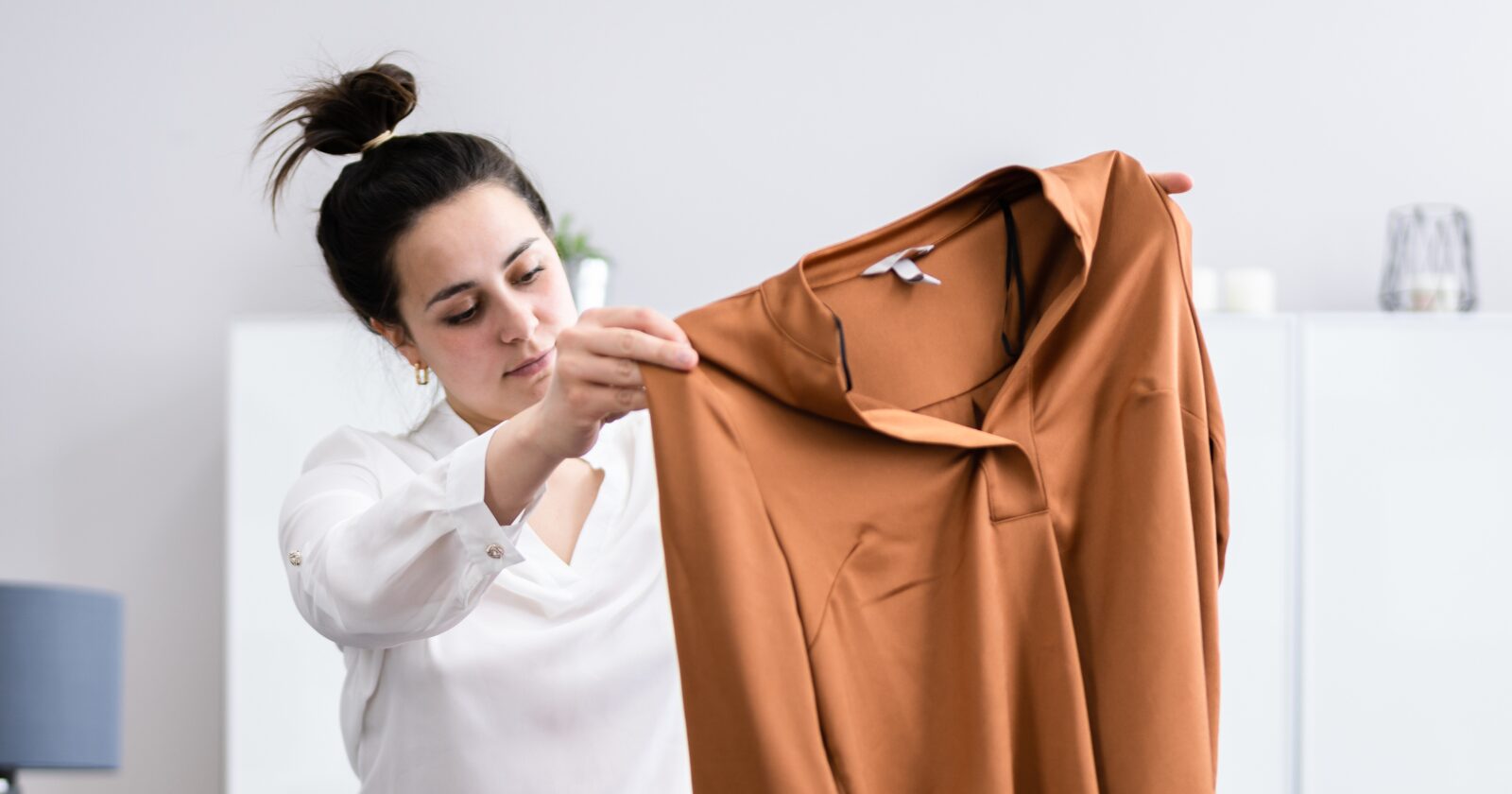
Fashion is constantly evolving, but looking stylish does not mean following every new trend. Many outfits can appear dated not because they contain older clothing, but because of how pieces are combined, fitted, or accessorized. Small styling choices can sometimes make an otherwise attractive outfit feel less current.
The good news is that updating your wardrobe does not require replacing everything you own. A few thoughtful changes to fit, proportions, colors, accessories, and styling can make familiar clothes feel fresh again.
Here are some common fashion mistakes that can make outfits look outdated and practical ways to avoid them.
Wearing Clothes That Do Not Fit Properly
One of the biggest mistakes people make is ignoring fit. Clothing that is too tight, excessively loose, too short, or too long can make an outfit look less polished.
This does not mean every garment needs to be fitted. Oversized clothing remains a popular styling choice, but intentional proportions are important. An oversized blazer, for example, can look modern when balanced with the rest of the outfit.
Pay attention to shoulder seams, sleeve lengths, trouser hems, and waistlines. Even inexpensive clothing can look sophisticated when it fits properly.
Following Trends Too Literally
Trends can be fun, but wearing every trend exactly as presented can sometimes make an outfit look more dated rather than more fashionable.
Instead of completely rebuilding your wardrobe whenever trends change, choose elements that work with your existing style. A contemporary color, accessory, shoe, or silhouette may be enough to refresh a classic outfit.
Personal style tends to look more timeless when trends are adapted rather than copied from head to toe.
Overmatching Every Piece
There was a time when matching your handbag, shoes, belt, and other accessories perfectly was considered an important fashion rule. Today, overly coordinated outfits can sometimes feel too deliberate.
This does not mean colors should clash. Instead, try creating harmony rather than exact matching.
For example, a brown handbag can work beautifully with black shoes if other elements of the outfit connect the colors. Mixing textures and complementary shades can create a more natural and contemporary appearance.
Wearing Outdated Accessories
Accessories can have a surprisingly large influence on whether an outfit feels current. Clothing that is otherwise modern can look dated when paired with accessories that no longer complement its silhouette.
Look at handbags, belts, jewelry, sunglasses, and footwear when refreshing your wardrobe. You may not need new clothing at all. Replacing one or two accessories can significantly change the appearance of familiar outfits.
Simple, well-designed accessories tend to provide more versatility than heavily embellished pieces that are strongly associated with a particular trend period.
Ignoring Proportions
Proportion refers to how different parts of an outfit relate to each other. Wearing multiple pieces with the same volume or length can sometimes create an unbalanced silhouette.
For example, an oversized top can work well with straight or fitted bottoms, while wide-leg trousers can be balanced with a more structured or fitted top.
However, oversized-on-oversized outfits can also look fashionable when intentionally styled. The important factor is whether the proportions appear deliberate.
Experiment with different combinations instead of relying on one formula.
Wearing Only One Silhouette
Sticking to one clothing silhouette for years can make your wardrobe feel repetitive. Fashion evolves partly because silhouettes change.
If your closet consists entirely of skinny trousers, for example, experimenting with straight-leg or wide-leg styles can instantly create a more contemporary appearance.
Similarly, if you always wear fitted tops, try a relaxed shirt or structured oversized jacket.
You do not have to abandon styles you love. Simply adding a few different silhouettes can give your wardrobe more variety.
Neglecting Footwear
Shoes are often underestimated when people evaluate an outfit. Yet footwear can strongly influence the overall impression.
A dated shoe style can make otherwise current clothing feel less modern. On the other hand, a simple contemporary sneaker, loafer, boot, or flat can refresh an older outfit.
Comfort should remain important. Choose footwear that works with your lifestyle rather than buying something simply because it is fashionable.
Wearing Clothes That Are Too Worn Out
Timeless clothing can remain stylish for years, but that does not mean every old garment should stay in your wardrobe forever.
Faded fabric, stretched collars, damaged seams, worn-out shoes, and heavily scratched accessories can make an outfit appear neglected.
Regularly inspect your most frequently worn pieces. Repair items when possible, and replace pieces that are no longer practical or presentable.
Taking care of your clothing can also help it maintain its appearance for longer.
Ignoring Modern Layering
Layering can add depth and versatility to an outfit, but outdated layering combinations can sometimes make clothing appear bulky or overly complicated.
Instead, experiment with clean layers. A T-shirt under an open shirt, a lightweight knit beneath a blazer, or a jacket over a simple dress can create a contemporary appearance.
Avoid adding layers simply because you can. Each piece should have a purpose, whether it provides warmth, structure, color, or visual interest.
Using Too Many Statement Pieces
Bold clothing and accessories can be exciting, but wearing several dramatic pieces simultaneously may make an outfit look chaotic.
If you are wearing a statement jacket, consider keeping the rest of the outfit relatively simple. If your shoes are highly distinctive, you may not need an equally dramatic handbag and necklace.
Choosing one primary focal point often creates a more polished result.
Forgetting About Color Combinations
Color trends change, but some combinations can make an outfit feel less current when they are used in a very predictable way.
Instead of relying exclusively on traditional color combinations, experiment with modern neutrals, tonal dressing, and unexpected accent colors.
A monochromatic outfit can look particularly sophisticated. Different shades of the same color create visual consistency while allowing texture and silhouette to provide interest.
Wearing Everything at the Same Length
When every layer ends at exactly the same point, an outfit can sometimes look flat. Playing with different lengths creates movement and visual depth.
For example, a longer shirt underneath a shorter jacket can create an interesting layered silhouette. A cropped jacket can also work well with high-waisted trousers or skirts.
Length is an easy styling element to experiment with without purchasing expensive clothing.
Choosing Clothes Only Because They Are Trendy
A garment may be extremely fashionable but still fail to suit your lifestyle. Buying items simply because they are popular can lead to a wardrobe full of clothing that you rarely wear.
Before purchasing something, consider whether it works with at least several pieces you already own. Think about where you would wear it, how often you would use it, and whether it feels comfortable.
A versatile wardrobe is usually more valuable than one built entirely around short-lived trends.
Forgetting to Update Your Styling
Sometimes the clothing itself is not the problem. The styling is.
A classic shirt can feel completely different when worn with contemporary trousers, modern footwear, or updated accessories. A simple dress can also be refreshed with a different belt, handbag, jacket, or shoes.
Before giving away an older garment, try styling it in a completely different way. You may discover that it works better than expected.
Ignoring Personal Grooming
Fashion does not exist separately from overall presentation. Wrinkled clothing, untidy shoes, or poorly maintained accessories can affect the appearance of an outfit regardless of how fashionable the garments are.
Simple habits such as steaming clothes, cleaning shoes, maintaining accessories, and keeping garments in good condition can make a noticeable difference.
Looking polished is often more about care and attention than expensive clothing.
How to Keep Your Wardrobe Current
You do not need to follow every fashion trend to keep your wardrobe feeling modern. Start by reviewing your existing clothes and identifying pieces that still fit your lifestyle.
Then focus on small updates. Try a different trouser silhouette, introduce a contemporary accessory, experiment with layering, or combine colors differently.
Most importantly, develop your own sense of style. Fashion should be an expression of personality rather than a constant attempt to meet an external standard.
Conclusion
Outdated-looking outfits are not always caused by old clothing. Fit, proportions, accessories, footwear, color combinations, and styling choices can all influence how contemporary an outfit appears.
Avoiding common mistakes such as wearing poorly fitting clothes, overmatching accessories, following trends too literally, ignoring proportions, and neglecting footwear can make a significant difference.
The goal is not to replace your wardrobe every season. Instead, learn how to style the pieces you already own in fresh ways and introduce new elements selectively.
Great style comes from balance, confidence, and intentional choices. By paying attention to fit, proportion, condition, and personal preference, you can create outfits that feel modern without losing the individuality that makes your style your own.