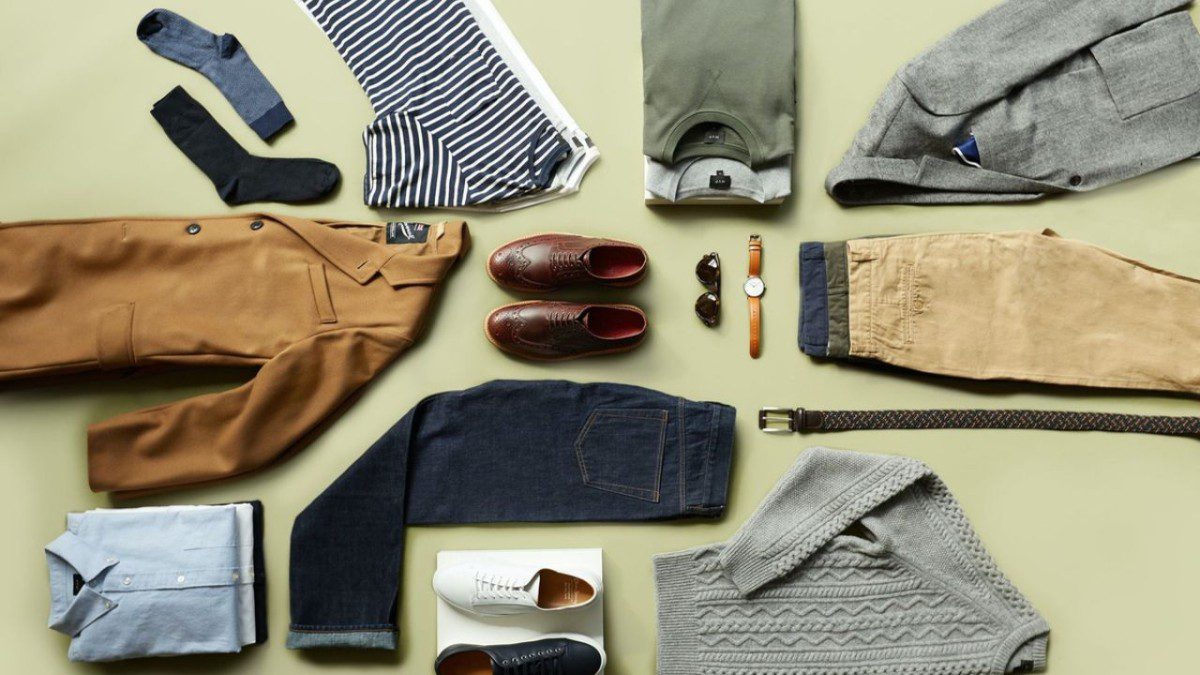
A well-designed wardrobe does not need to be packed with clothes. In fact, having fewer versatile pieces can make getting dressed easier, save money, and create a more polished personal style. This is the idea behind a minimalist wardrobe.
Minimalist wardrobe essentials for men are practical clothing pieces that can be mixed and matched for different occasions. Instead of filling your closet with short-lived trends, a minimalist approach focuses on quality, versatility, comfort, and timeless style.
Whether you are starting from scratch or simply want to simplify your existing closet, building a collection of essential men’s clothing can help you create more outfits with fewer pieces.
What Is a Minimalist Wardrobe?
A minimalist wardrobe is a carefully selected collection of clothing that contains the pieces you actually need and wear. The goal is not necessarily to own a specific number of items. Instead, it is about eliminating unnecessary clothing and keeping pieces that fit your lifestyle.
A minimalist men’s wardrobe typically includes neutral colors, classic silhouettes, versatile basics, and a few items suitable for formal or special occasions.
The benefit is simple: when most of your clothes work together, you spend less time deciding what to wear.
Essential Minimalist Wardrobe for Men
The exact contents of a minimalist wardrobe will vary depending on your job, climate, lifestyle, and personal preferences. However, certain items are useful for almost every man.
| Wardrobe Essential | Recommended Quantity | Best Colors | Best For |
|---|---|---|---|
| Basic T-Shirts | 3–5 | White, black, gray, navy | Everyday outfits |
| Oxford Shirts | 2–3 | White, blue, light gray | Smart casual |
| Jeans | 1–2 | Dark blue, black | Casual wear |
| Chinos | 1–2 | Khaki, navy, olive | Casual & smart casual |
| Dress Trousers | 1–2 | Charcoal, navy | Formal occasions |
| Blazer | 1 | Navy, charcoal | Business & events |
| Sweater | 1–2 | Gray, navy, beige | Cool weather |
| Casual Jacket | 1 | Navy, olive, black | Everyday layering |
| Dress Shoes | 1 pair | Black or brown | Formal outfits |
| Sneakers | 1–2 pairs | White, black, neutral | Casual outfits |
1. High-Quality Basic T-Shirts
T-shirts are among the most useful items in a men’s minimalist wardrobe. They can be worn alone with jeans or chinos and layered underneath shirts, jackets, and sweaters.
Start with neutral colors such as white, black, gray, and navy. These shades are easy to combine with almost everything else in your closet.
Look for comfortable fabrics, a flattering fit, and construction that can withstand regular washing. You do not need dozens of T-shirts. A small collection of reliable basics is usually enough.
2. Oxford or Button-Down Shirts
A few well-fitting button-down shirts can instantly make a minimalist wardrobe more versatile.
A white shirt is an excellent starting point because it works with jeans, chinos, dress trousers, and suits. A light-blue shirt is another useful option.
Wear these shirts tucked in for a more polished appearance or untucked with jeans for a relaxed smart-casual outfit.
3. Dark Denim
Every minimalist men’s wardrobe benefits from at least one dependable pair of jeans. Dark blue denim is particularly versatile because it can be dressed up or down.
Choose a fit that is comfortable and complements your body shape. Avoid buying jeans simply because a particular style is fashionable. A classic cut that you enjoy wearing will generally provide more value.
If you wear denim frequently, a second pair in black or another versatile shade can provide variety.
4. Chinos
Chinos are one of the most flexible alternatives to jeans. They are casual enough for everyday use but polished enough for many workplaces, dinners, and social occasions.
Khaki, navy, olive, and gray are excellent minimalist colors.
Pair chinos with a T-shirt and sneakers for a casual outfit or combine them with an Oxford shirt and loafers for a smarter appearance.
5. Dress Trousers
Even men with very casual lifestyles should own at least one pair of dress trousers. Weddings, interviews, formal dinners, business events, and other occasions may require something more polished than jeans.
Charcoal and navy are particularly versatile colors. A good pair of trousers can also be worn with a blazer, dress shirt, sweater, or even a simple polo shirt for different levels of formality.
6. A Versatile Blazer
A navy or charcoal blazer can transform simple clothing into a sophisticated outfit.
You can wear a blazer with dress trousers for business settings or combine it with jeans and a T-shirt for smart-casual occasions.
For maximum versatility, choose a relatively simple design without excessive patterns or trendy details.
7. A Quality Sweater
A good sweater is essential for cooler weather and layering. Gray, navy, beige, and black are easy colors to incorporate into a minimalist wardrobe.
Crew-neck sweaters work well over T-shirts and button-down shirts. A lightweight sweater can also be worn under a jacket or blazer.
Natural fibers and quality blends can offer comfort and durability, but the best choice ultimately depends on your climate and lifestyle.
8. A Casual Jacket
Every man needs an outer layer suitable for everyday use. Depending on your personal style and climate, this could be a bomber jacket, field jacket, denim jacket, overshirt, or lightweight waterproof jacket.
Choose a style that complements most of your existing clothing. Neutral colors are generally easier to combine with different outfits.
A versatile jacket can become one of the most frequently worn pieces in your wardrobe.
9. Minimalist Footwear
Shoes can make a significant difference to an outfit. Fortunately, you don’t need a huge shoe collection.
A minimalist wardrobe can often work with a few carefully selected pairs:
- Clean everyday sneakers
- Brown or black dress shoes
- Casual boots or loafers
White or neutral sneakers can work with jeans, chinos, shorts, and casual trousers. For formal clothing, choose shoes that complement your dress trousers and suits.
10. A Simple Suit
If your lifestyle includes weddings, professional events, interviews, or formal occasions, a suit is an important wardrobe essential.
Navy or charcoal is generally more versatile than highly distinctive colors or patterns. Choose a suit with a classic fit that can remain useful for years.
Even if you rarely wear a suit, having one ready can save you from making a rushed purchase when a formal event appears unexpectedly.
Choosing Colors for a Minimalist Wardrobe
Color coordination is one of the easiest ways to make a minimalist wardrobe work.
Start with a neutral foundation. Black, white, gray, navy, beige, olive, and brown can work together in numerous combinations.
You can then add one or two accent colors that reflect your personality. For example, burgundy, forest green, light blue, or rust can add character without making your wardrobe difficult to coordinate.
The objective is not to eliminate color. It is to make sure your clothes can easily work together.
Focus on Fit
A minimalist wardrobe depends heavily on fit. When you own fewer clothes, each item has a greater role in your overall style.
Clothing should generally sit comfortably on your body without being excessively tight or loose. Pay attention to shoulder seams, sleeve lengths, trouser breaks, and shirt proportions.
If an otherwise good-quality garment does not fit correctly, simple alterations may significantly improve its appearance.
Quality Over Quantity
Minimalism does not mean buying the most expensive clothing available. Instead, it means considering durability and long-term value.
Before buying something, ask yourself whether you can create multiple outfits with it. Think about how frequently you will wear it and whether it fills a genuine gap in your wardrobe.
A versatile $60 shirt that you wear regularly can provide more value than several inexpensive shirts that rarely leave your closet.
How to Build a Minimalist Wardrobe
You don’t have to replace your entire closet immediately. Start by removing clothing that no longer fits, is damaged beyond practical repair, or hasn’t been worn for a long time.
Next, identify the gaps. If you have five casual shirts but no dress trousers, purchasing another casual shirt probably isn’t the priority.
Build your wardrobe gradually around versatile essentials. Choose pieces that complement one another and suit your everyday lifestyle.
Before every purchase, ask three questions:
- Does it fit properly?
- Can I wear it with several existing pieces?
- Will I realistically wear it often?
If the answer to all three is yes, it is more likely to deserve a place in your minimalist wardrobe.
Final Thoughts
Creating a minimalist wardrobe is not about following strict fashion rules or owning as few clothes as possible. It is about building a collection of minimalist wardrobe essentials for men that makes everyday dressing simple and effective.
Start with reliable T-shirts, button-down shirts, jeans, chinos, dress trousers, a blazer, sweaters, versatile jackets, and practical footwear. Keep colors coordinated, prioritize fit, and choose quality pieces that match your lifestyle.
With fewer but better-selected clothes, you can create a wardrobe that is easy to maintain, simple to style, and suitable for everything from casual weekends to formal occasions.