Key Takeaways
- Prioritize genuine moments, emotions, and natural reactions over overly staged footage.
- Choose the feeling you want the wedding film to convey before deciding on a visual style.
- Build a realistic timeline with buffers for travel, transitions, and meaningful private moments.
- Plan reliable audio coverage for vows, speeches, letters, and other important words.
- Share meaningful people, traditions, heirlooms, and personal details with your filmmaker.
- Balance candid footage with portraits, venue shots, and detail footage for a complete story.
- Choose film formats based on how you want to watch and share the memories later.
- Keep multiple copies of the finished wedding film in separate storage locations.
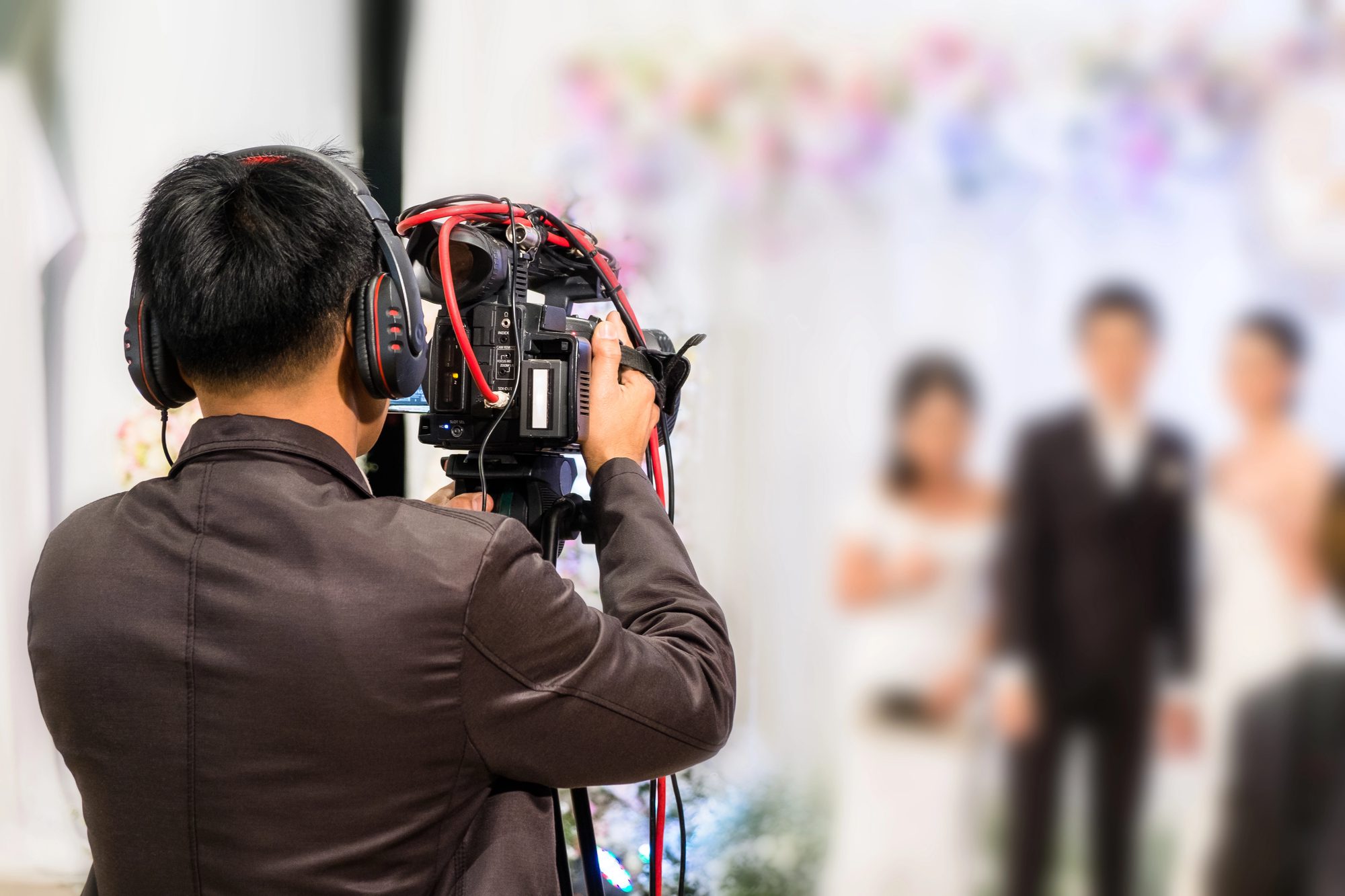
A meaningful wedding film preserves more than beautiful outfits, carefully chosen décor, and scenic venue shots. It holds onto the voices, pauses, laughter, nerves, and spontaneous reactions that made the celebration feel like yours. Working with a filmmaker such as Adam Gorham can help couples create a record of the day that feels polished without making every moment feel performed. The goal is not to manufacture a perfect version of the wedding. It is to make thoughtful choices that give real moments room to happen, ensure the words that matter can be heard, and protect the finished film for years to come.
Why Real Moments Matter
The scenes people return to are often the ones no one could have scripted. A hand squeeze before the ceremony, a parent quietly taking in a first look, or laughter during portraits can say more about the day than a series of formal poses. Natural footage does not mean unplanned or careless footage. It means the couple has permission to be present rather than constantly aware of the camera.
Choose the Feeling Before the Style
Before discussing edits, music, or package names, decide how you want the finished film to feel. “Cinematic” can mean different things to different people. More useful words include warm, joyful, relaxed, classic, lively, intimate, or nostalgic. Those choices can guide music, pacing, audio selections, and the balance between candid coverage and directed portraits.
A Simple Exercise for Couples
- Each partner writes down three words for the finished film.
- Compare the lists and identify the ideas you share.
- Choose a few examples that match the mood, not just a single visual trend.
- Explain what you respond to in each example when speaking with your filmmaker.
Build a Timeline With Breathing Room
A rushed schedule can make the day feel stressful and leave little room for transitions, reactions, or quiet time together. Build in realistic travel time, wardrobe touch-ups, weather buffers, and a calm window before the ceremony. If you plan to exchange letters, read private vows, or have a first look, reserve time for it rather than trying to fit it between other events. Share the final schedule with the planner, photographer, venue coordinator, DJ, and filming team. When everyone understands the day’s flow, it is easier to protect important moments while keeping the experience relaxed.
Plan for Clear Audio
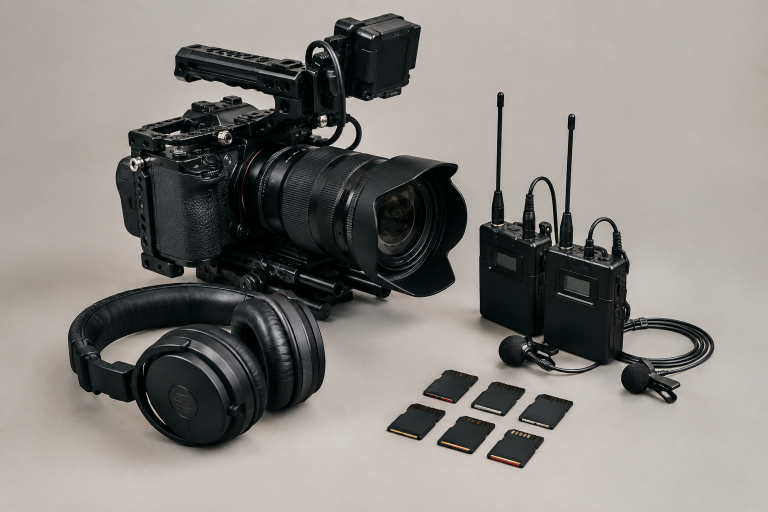
Audio gives a wedding film much of its emotional weight. Vows, letters, speeches, applause, and laughter can bring viewers back into the room in a way visuals alone cannot. Professional guidance on capturing important moments using multiple audio sources highlights why a backup plan matters for ceremony words and toasts.
Questions About Audio
- How will vows be recorded?
- Will the couple and officiant have microphones when appropriate?
- Can speeches be captured directly from the sound system?
- Is backup audio recorded for key speaking moments?
- How will wind, crowd noise, and outdoor conditions be handled?
Share the Details That Matter
A brief personal note helps a filmmaker identify what deserves extra attention. This is not a strict shot list. It is helpful to have context about people, traditions, and objects that carry meaning. Mention family members who play an important role in your relationship, cultural or religious traditions, heirlooms, surprise performances, guests who traveled far, and any private moments you would prefer not to be filmed.
Balance Polished and Candid Footage
The strongest films usually combine several kinds of footage. Wide shots establish the setting. Close-ups reveal emotion. Details such as rings, invitations, flowers, and handwritten notes add texture. Candid reactions give the story personality and movement. A slightly imperfect laugh or tearful pause can be more memorable than a perfectly staged scene because it reflects how the day actually felt.
Decide Which Coverage You Need
Think about how you want to watch and share the film in the future. A short piece may be ideal for quick viewing, while a longer edit can preserve more of the voices and events that matter most.
- Short teaser: A brief edit for easy sharing.
- Highlight film: A polished summary of the day’s defining moments.
- Extended film: A longer story with more context and natural audio.
- Full ceremony edit: A complete record of the ceremony and vows.
- Speeches edit: A dedicated version of the toasts and remarks.
Preserve the Final Files
Receiving the finished film is not the final step. Digital files need a storage plan. The practice of keeping copies in separate locations helps reduce the risk that a single lost drive, damaged device, or inaccessible account becomes the only point of failure.
- Download completed files as soon as they are delivered.
- Keep one copy on a reliable external drive.
- Keep another copy in a separate location or trusted cloud account.
- Label files with your names, wedding date, and edit type.
- Check the files occasionally and move them when storage becomes unreliable.
Questions to Ask Before Booking
- How do you approach candid moments and camera-shy couples?
- How are vows, letters, and speeches recorded?
- What happens if the timeline changes on the wedding day?
- How many people will be filming, and what parts of the day are included?
- Which edits are included, and how are completed files delivered?
- How long will the finished files remain available for download?
Common Mistakes to Avoid
Avoid choosing solely from a short highlight reel, assuming clear audio happens automatically, or building a schedule without buffers. It also helps to share meaningful family relationships in advance, resist copying another couple’s style exactly, clarify delivery details before booking, and save the final files in more than one place.
A Simple Wedding Film Checklist
- Choose three words that describe the mood you want.
- Add travel time and buffers to the schedule.
- Set aside time for letters, private vows, or reflection.
- Confirm the audio plan for vows and speeches.
- Share important people, traditions, and personal details.
- Decide which final edits matter most to you.
- Save at least two copies of the finished files in separate locations.
Conclusion
A memorable wedding film does not require a flawless day or a highly staged production. It requires space for genuine moments, a clear plan for important audio, thoughtful communication with your videographer, and a practical approach to preserving the final files. Small details, such as allowing enough time for meaningful moments, discussing important people or events to capture, and knowing how the finished film will be delivered and stored, can make the final result more personal and useful for years to come. Focus on what you want to feel when you watch the film years from now, and the right planning choices become much easier to make. The goal is not to make every moment perfect, but to create a film that reflects the people, emotions, conversations, and memories that made the wedding meaningful.
photo by depositphotos