Key Takeaways
- Before deciding on which light strings or extension cords to buy, measure and map the display.
- Choose lights, cords, clips, and other accessories that are designed for the outdoor areas where they will be used.
- To reduce energy consumption during the season, use LED lighting and timers.
- Before installing any electrical components, check them and adhere to the manufacturer’s connection limits.
- Achieve visual balance by emphasizing a few prominent features rather than lighting up every surface that is available.
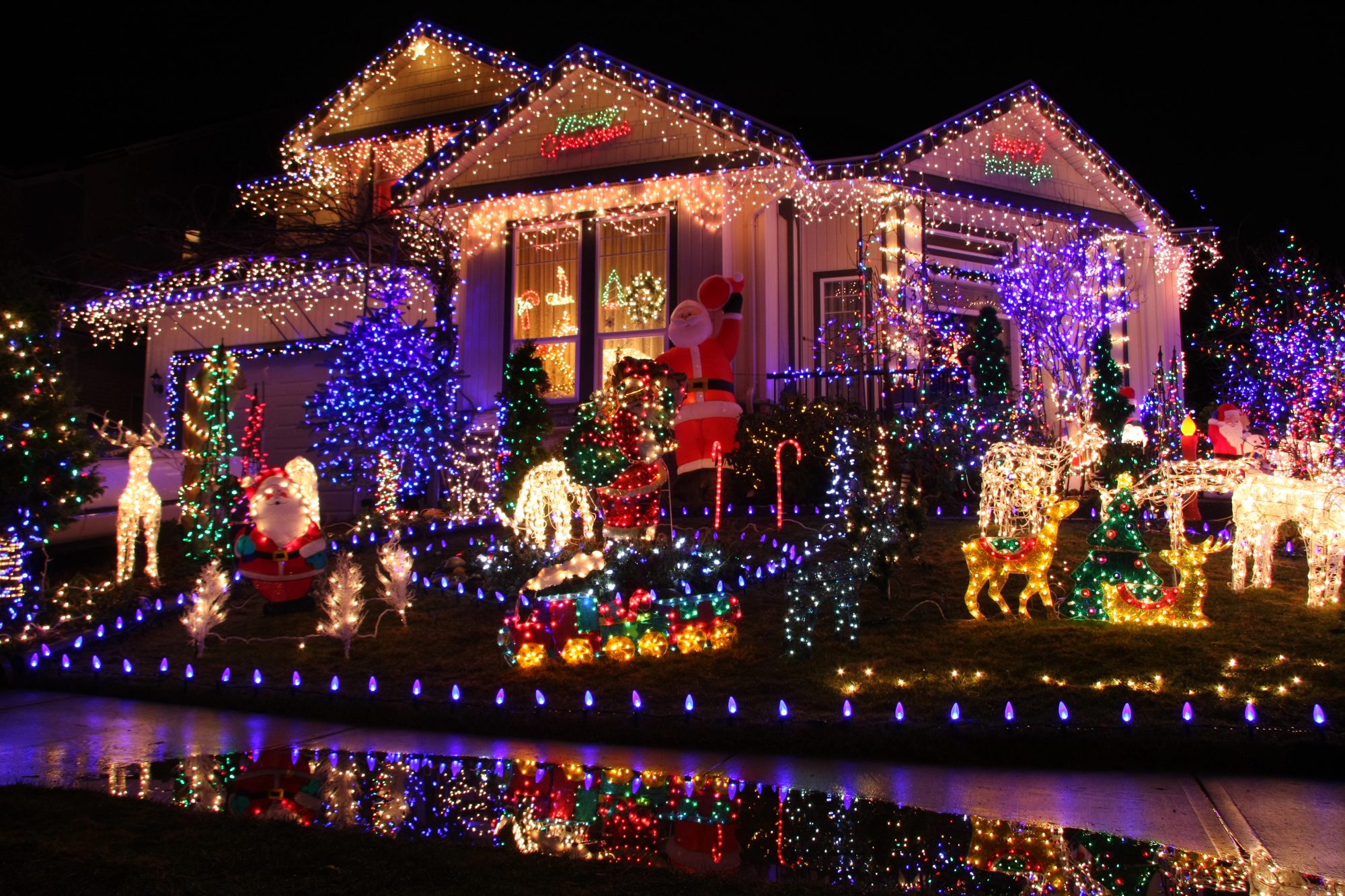
An outdoor holiday display can make a house appear warm and inviting, and careful planning can help keep the installation manageable while reducing electrical risks. It’s necessary to choose good decorations before hanging the lights since one must have a clear visual aim, measure the space, use the appropriate equipment, and safely organize the power supply. Whether the decoration is traditional, colorful, or simple, the key point is to decide how it should look from the street and at the door.
Start by identifying the areas that deserve the most attention, then shop outdoor Christmas lights from Christmas Designers with dimensions, color preferences, and installation locations in mind. Planning ahead makes it easier to avoid short light runs, mismatched colors, too many cords, and last-minute trips for another extension cord.
Why an Outdoor Lighting Plan Matters
The key aspect of lighting design lies in combining all the features, such as the roof, the porch, the trees, the windows, and the walkways, into a coordinated scheme of holiday lighting rather than leaving them separate. An additional advantage of this approach is that it enables clients to see where each string of lights begins, the wire’s path, and the point at which power is available.
Good designs should consider important factors such as visibility from the road, durability, and energy efficiency. It is necessary to draw up a preliminary plan with the outlets indicated and one main point clearly established, for example, a doorway or a striking tree.
Set a Clear Display Goal
It is necessary to establish a general atmosphere before selecting specific products; using a limited color scheme is advisable, as it leads to a more harmonious result, particularly for smaller houses and gardens. A warm white light gives a gentle, traditional appearance, whereas cool white light produces a cold winter atmosphere. Employing two or three coordinated colors allows for a lively display without making the exterior appear visually cluttered.
Match the Design to the Home and Yard
Take the size of the property into account. When the roof is long, it is easier to see from a distance, and in this case, larger decorative bulbs should be used, while small shrubs and the porch railings usually do well with compact mini lights. It is advisable to stick with repeated colors and maintain similar spacing along the main lines; deliberately lighting selected areas also helps make the focal point more striking and prevents the display from overpowering the facade.
Measure Before Choosing Light Strings
- Take measurements of the edges of the roof, the railings, the window frames, the paths, the trunks, and the branch sections where the lights are to be installed.
- Allow extra length for the corners, the vertical drops, and for the return journey to the power source.
- Make sure the locations of outdoor outlets are marked, and determine where weather-protected connection points can be positioned above standing water.
- Next season, in order to speed up the setup process, write down the required length for each area, for example, ‘porch rail’ or ‘left shrub’.
You should not select a strand just because the bulbs appear to fit well in a product photograph. It is important to check the length, the distance between the bulbs, the rated use location, the wattage, and the manufacturer’s limit regarding end-to-end connections. Taking this information into account will help to avoid both a display that does not reach the desired length and one that depends on overloaded connections.
Choose the Right Light Style
- Mini lights are useful for shrubs, railings, wreaths, and smaller trees when dense coverage is desired.
- Bulbs with a more decorative appearance are suitable for rooflines and other features visible from a distance.
- Icicle lights suit eaves, porch edges, and straight horizontal trim very well.
- The pathway lighting helps to define the route to the entrance while keeping the lighting fixtures away from regular foot traffic.
- Color-changing systems are suitable for homeowners who wish to alter the display for various holidays or occasions.
LEDs, Energy Use, and Operating Cost
LED strings are a common choice because they use less electricity than conventional incandescent strands and typically produce less heat while operating. The Department of Energy explains how LED holiday lights work, including the role of fuses and the differences between LED and older incandescent string-light technology. Check the wattage listed on each package or label, then use those figures rather than estimates when planning a circuit load.
A timer or smart outdoor-rated controller can make the display more consistent while preventing lights from running during daylight or throughout the night. Set the schedule around the household’s preferences, neighborhood conditions, and local expectations for outdoor lighting.
Outdoor Safety Checks Before Installation
When dealing with any wire, it is necessary to examine it thoroughly. Look out for damaged insulation, exposed wires, loose or broken plugs, burnt-out light bulbs, and wires that have dents or cuts. Make sure the lights and wires you use are suitable for outdoor use, and verify that the plugs and connectors are not located where rainwater or melted snow might collect.
Wherever possible, use sockets that offer weather protection, do not plug in more strands of wire than is recommended, and avoid connecting power strips or extension cords. According to UL Standards & Engagement, it is advisable to use wires and cables that are in good working order, avoid overloading them, and use timers or switches when decorating.
Install Lights Without Creating New Hazards
- Before working from above, lay out and test the entire display on the ground.
- Use clips, hooks, or other fasteners designed for the specific surface and product.
- Do not use staples, nails, or other sharp fasteners, as they may pierce or crush the wiring.
- Avoid laying route cords over driveways, door hinges, lawn equipment, and walking paths.
- Use a steady ladder and have another adult help you when working at a height.
- Do not leave the lights, ladders, and tools near the overhead power lines.
Common Planning Mistakes to Avoid
A number of minor mistakes can cause difficulties during the installation process. Before using different white lights in the same area, you should see how they appear together in the dark. It is never advisable to suspend light decorations from weak branches, damaged gutters, or loose trim. You should not wait until the day of installation to realize that the nearest outlet is not close by. Most important of all, do not attempt to remedy a power or length problem by making extra connections as the instructions for the item in question suggest.
A Simple 2026 Setup Checklist
- Select a style, color scheme, and primary focal point.
- Check all the lighting areas and find the outdoor power outlets.
- Choose lights, cords, clips, and timers that are suitable for outdoor use.
- Check each strand and examine all the plugs and insulation.
- Start by installing the rooflines and the main features, and then add the trees, shrubs, and accents.
- After strong winds, heavy snowfall, or other severe weather, check the display.
Conclusion
You don’t need the biggest or most complicated lighting arrangement to have a memorable outdoor holiday display. Simply employ careful planning, use efficient lighting, protect the electrical connections, and place the display strategically to ensure a bright, reliable display that is easy to install and maintain for the rest of the holiday season.
photo by depositphotos