Updated posts August 2026
Dubai Retains Global Lead as Luxury Home Prices Surge Nearly 50%
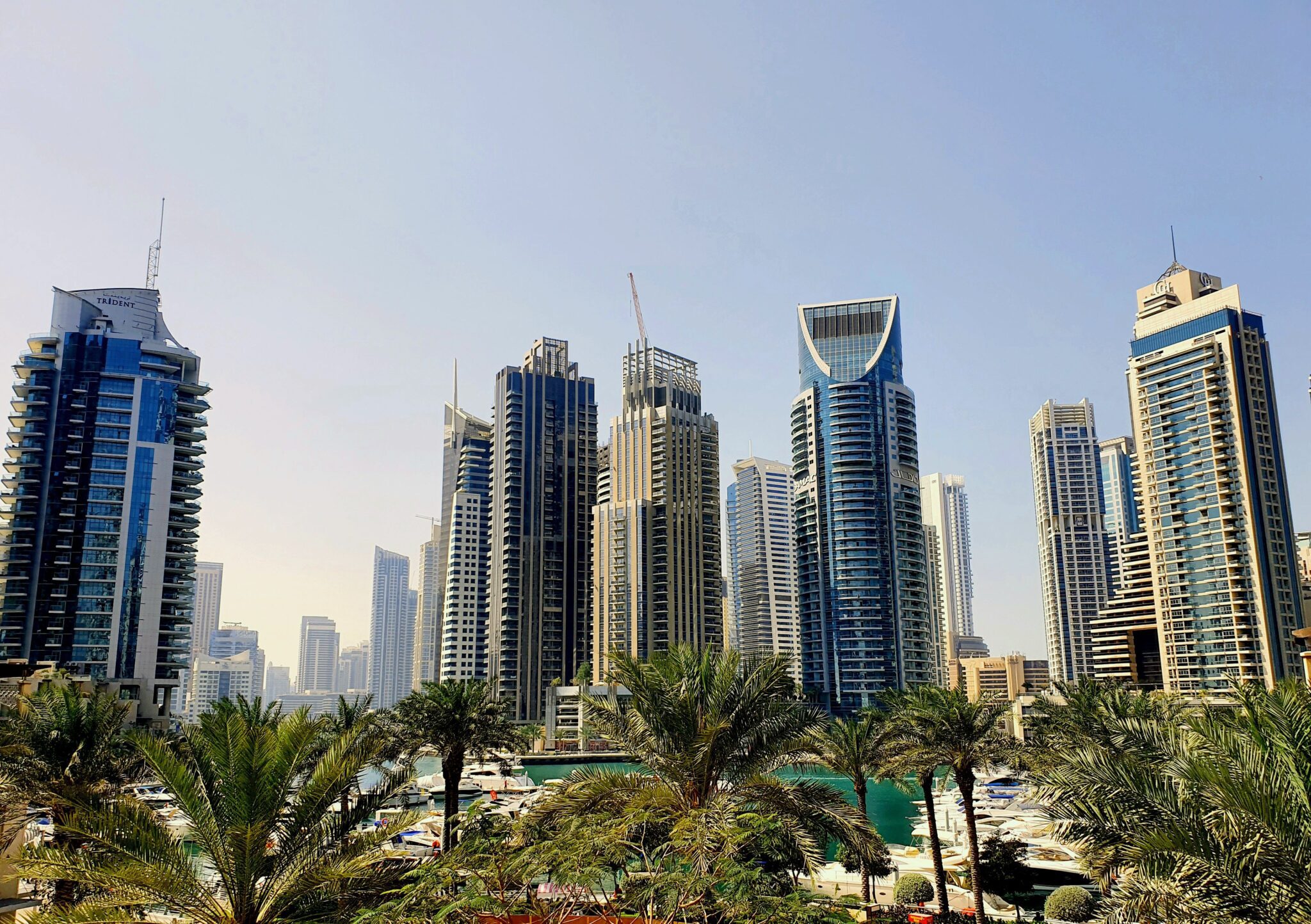
Dubai, known for its opulent real estate offerings, has witnessed a remarkable surge in luxury home prices, climbing nearly 50 percent over the past year and retaining its top position for the eighth consecutive quarter. This data comes from a recent report by Knight Frank, a leading property consultancy firm.
Data released by Knight Frank reveals that Dubai’s luxury property market has experienced an astounding 225 percent increase in prices since reaching its lowest point during the third quarter of 2020, showcasing the Emirate’s resilience in the face of global economic challenges.
Not far behind, Tokyo secured second place with a substantial annual increase of 26.2 percent, while Manila claimed third with a notable 19.9 percent rise in luxury property prices.
Additionally, other cities exhibited noteworthy growth. Shanghai recorded a solid 6.7 percent increase, while Singapore saw a respectable 4.2 percent rise in luxury home prices.
Where Policy Shapes the Market
Singapore’s property market, in particular, has been influenced by an influx of expatriates, driven by a thriving financial and professional services sector. This growth, however, has had a more significant impact on the rental market compared to the sales market. The report attributes this disparity in part to taxation policies affecting foreign buyers. In recent months, Singapore has doubled the buyer’s stamp duty for foreign investors, now requiring them to pay 60 percent of a property’s value, up from the previous 30 percent.
Hong Kong, on the other hand, experienced a 1.5 percent decline in luxury property prices over the past year, primarily due to an oversupply of unsold units from newly developed projects. To stimulate demand, the Hong Kong government has raised the mortgage loan to value ratio to 70 percent for residential properties valued at 15 million Hong Kong dollars, or roughly $1.9 million, or less. While this move is expected to appeal to buyers, its potential to meaningfully boost overall market growth remains uncertain, according to Knight Frank’s analysts.
A Mixed Picture Across Global Markets
What makes this year’s data particularly telling is how sharply outcomes diverge even among comparable global cities, suggesting that local policy decisions, supply constraints, and buyer demographics now matter more than ever in shaping luxury property performance. Markets responding proactively to shifting buyer behavior, whether through tax adjustments or loan policy, appear far better positioned than those simply absorbing external pressure.
In contrast, some cities witnessed outright declines in luxury property prices. New York saw a 3.9 percent drop, San Francisco experienced an 11.1 percent plunge, and Frankfurt, Germany, ranked at the bottom of the list with a 15.1 percent decrease.
Despite these variations across different markets, the overall trend reveals an average annual price increase of 1.5 percent across the 46 markets covered by the Knight Frank Prime Global Cities Index.
Liam Bailey, Global Head of Research at Knight Frank, acknowledged the pressure global housing markets have faced due to rising interest rates. However, he emphasized that the index results confirm prices remain supported by robust demand, a shortage of supply stemming from pandemic era disruptions to new construction, and the continued return of workers to urban centers.
Bailey further noted that as uncertainty around inflation’s future direction has diminished in recent months, price adjustments across many markets are likely to be less dramatic than initially expected.
Read more stories here:
Dubai Billionaire Finds the Secret to Health, Youth, and Age Reversal