Global tourism has entered a new era where travelers no longer seek simple vacations; instead, they pursue immersive narratives that connect continents, cultures, and personal transformation. Consequently, the rise of curated international itineraries has reshaped how people approach exploration in 2026. Among the most compelling travel combinations emerging today, Italy and Peru stand out as two defining pillars of modern adventure tourism.
Italy offers timeless elegance through Renaissance architecture, alpine luxury, culinary sophistication, and Mediterranean coastal beauty. Meanwhile, Peru delivers dramatic landscapes, ancient civilizations, high-altitude expeditions, and deeply rooted Indigenous heritage. Together, they create one of the most fascinating cross-continental travel experiences available to modern explorers.
The growing appeal of multi-destination journeys reflects a broader shift in travel psychology. Travelers increasingly seek contrast-driven experiences that combine refined European comfort with the raw authenticity of South American exploration. Therefore, journeys that move from the Dolomites to the Andes feel emotionally richer and culturally more rewarding than traditional single-country vacations.
Moreover, luxury travel itself has evolved. High-end tourism now prioritizes storytelling, local immersion, sustainability, and transformational experiences over simple exclusivity. As a result, destinations like Italy and Peru dominate global travel conversations because they offer both emotional depth and world-class hospitality.
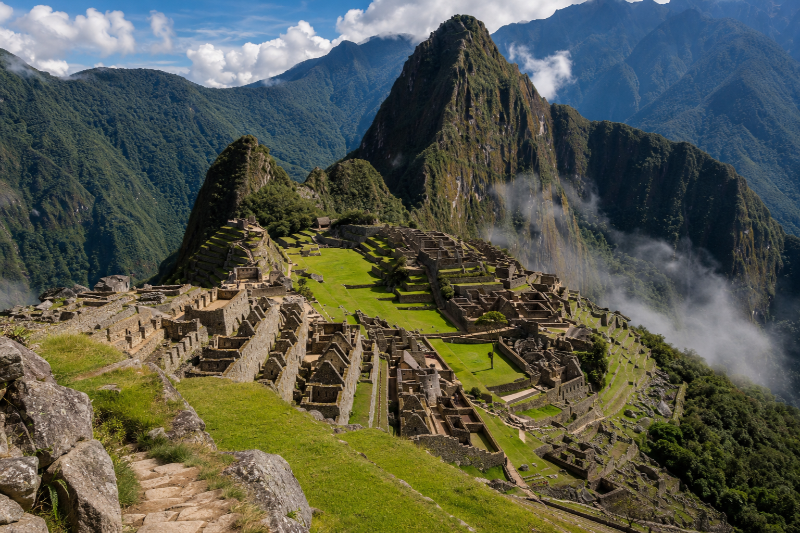
From the artistic streets of Florence to the sacred landscapes surrounding Machu Picchu, the world’s most memorable journeys now revolve around cultural discovery, human connection, and experiential exploration. That is precisely why these regions continue to define the top destinations for your next adventure.
Why Italy and Peru Define Modern Adventure Travel?
Italy and Peru continue to rank among the Best Places to Travel Right Now because they combine cultural depth, luxury experiences, and unforgettable adventure opportunities.
Modern travelers increasingly prefer journeys that create emotional contrast. For example, a traveler may spend one week enjoying Michelin-starred dining near Lake Como and the next trekking ancient Inca pathways through cloud forests. This balance between sophistication and adventure creates a richer sense of exploration.
Moreover, both countries offer deeply immersive cultural experiences. Italy allows visitors to engage with living history through Renaissance art, Roman ruins, and regional traditions. Peru, meanwhile, connects travelers to Indigenous heritage, archaeological wonders, and sacred landscapes that remain spiritually significant today.
Several factors explain why these destinations dominate modern adventure travel trends:
- Diverse landscapes ranging from alpine mountains to Amazon rainforest
- Strong cultural identity and historical depth
- Exceptional culinary experiences
- Growing luxury adventure tourism infrastructure
- High emotional and visual appeal for modern travelers
Consequently, Italy and Peru have become essential destinations for travelers seeking meaningful journeys rather than ordinary sightseeing vacations.
Italy – Culture, Architecture, and Alpine Luxury
Italy continues to define premium European travel because it combines artistic heritage with contemporary luxury. Every region offers a distinct identity, yet the country maintains a consistent atmosphere of elegance and cultural richness.
The northern Dolomites have become one of Europe’s most desirable alpine destinations. Towering limestone peaks, scenic hiking routes, luxury wellness resorts, and panoramic drives attract travelers seeking both adventure and comfort. Moreover, the region blends outdoor exploration with refined hospitality, creating an ideal luxury adventure environment.

Cities such as Florence, Venice, and Rome continue to attract global visitors because they function as living museums. Renaissance cathedrals, historic piazzas, ancient ruins, and world-famous galleries create an atmosphere where history feels deeply integrated into daily life. However, Italy also embraces modern tourism expectations through luxury accommodations, private cultural tours, and curated culinary experiences.
Coastal destinations contribute another dimension to Italy’s appeal. The Amalfi Coast, Sardinia, and Cinque Terre combine Mediterranean landscapes with upscale hospitality and scenic transportation routes. Consequently, travelers can experience relaxation, culture, and exploration within a single itinerary.
Italy’s modern travel appeal includes:
- Luxury alpine resorts in the Dolomites
- Historic urban exploration in Florence and Rome
- Michelin-level culinary tourism
- Scenic coastal escapes
- Sophisticated rail and luxury transport networks
Therefore, Italy remains one of the strongest examples of how tradition and contemporary travel luxury can coexist seamlessly.
Peru – Ancient Heritage and Natural Wonders
Peru represents one of the world’s most emotionally powerful travel destinations because it combines ancient history with extraordinary natural landscapes. Travelers do not simply visit Peru; instead, they experience a profound connection to history, geography, and cultural resilience.
Cusco functions as the cultural heart of Peruvian tourism. Once the capital of the Inca Empire, the city blends Indigenous traditions with colonial Spanish architecture. Cobblestone streets, vibrant local markets, and sacred archaeological sites create a sense of historical continuity rarely found elsewhere.

Machu Picchu remains Peru’s most iconic attraction; however, the broader Sacred Valley offers equally remarkable experiences. Ancient terraces, mountain villages, and spiritual landmarks allow travelers to understand the depth of Inca civilization beyond the famous citadel itself.
Meanwhile, Peru’s Amazon region introduces an entirely different travel environment. Luxury eco-lodges, wildlife expeditions, and river journeys attract travelers interested in biodiversity and sustainable tourism. Consequently, Peru provides extraordinary geographic diversity within one country.
Adventure tourism plays a central role in Peru’s international appeal. High-altitude trekking, mountain expeditions, and immersive cultural experiences attract travelers seeking physical challenge alongside emotional discovery.
Key reasons Peru remains a bucket-list destination:
- Rich Inca and Indigenous heritage
- World-famous archaeological sites
- Dramatic Andean mountain landscapes
- Amazon rainforest biodiversity
- Strong cultural immersion opportunities
As a result, Peru has evolved into one of the most influential adventure travel destinations in the world.
| Destination | Region | Key Experience | Travel Style | Appeal Factor |
|---|---|---|---|---|
| Dolomites | Northern Italy | Alpine luxury and hiking | Luxury adventure | Scenic mountain elegance |
| Florence | Central Italy | Renaissance heritage | Cultural exploration | Artistic depth |
| Amalfi Coast | Southern Italy | Coastal drives and resorts | Luxury leisure | Mediterranean beauty |
| Cusco | Southern Peru | Inca culture and history | Cultural immersion | Historical significance |
| Machu Picchu | Andes Peru | Ancient archaeological wonder | Expedition travel | Global bucket-list appeal |
Barcelona and the Cultural Bridge Between Continents
Although Italy and Peru anchor this travel narrative, Barcelona plays an important transitional role between Europe and South America. The city functions as both a Mediterranean cultural hub and a major gateway for international exploration.
Barcelona’s atmosphere differs significantly from traditional Italian destinations. The city embraces modern energy, artistic experimentation, and urban beach culture. Nevertheless, it maintains strong historical character through Gothic architecture and the visionary work of Antoni Gaudí.

The city’s culinary diversity further strengthens its international appeal. Travelers can experience everything from traditional Catalan cuisine to contemporary global dining concepts. Moreover, Barcelona’s nightlife and creative culture attract younger travelers seeking energetic urban experiences before transitioning into more nature-focused adventures.
Barcelona also supports efficient long-haul travel routes between Europe and South America. Consequently, many modern itineraries position the city as a cultural bridge connecting European sophistication with Latin American exploration.
Key attractions include:
- Gaudí’s architectural masterpieces
- Mediterranean beaches
- Dynamic nightlife and art scenes
- International culinary culture
- Strategic global travel connectivity
Therefore, Barcelona contributes significantly to the emotional rhythm of multi-continent travel journeys.
How Luxury Adventure Travel Is Evolving?
Luxury adventure travel has transformed dramatically over the last decade. Traditional luxury once emphasized exclusivity and material comfort; however, modern travelers increasingly value authenticity, personalization, and emotional depth.
Curated travel packages now combine high-end accommodations with immersive local experiences. For example, travelers may stay in luxury mountain lodges while participating in guided cultural exchanges with Indigenous communities. Consequently, luxury becomes connected to meaning rather than simple extravagance.
Sustainability also shapes modern tourism behavior. Many travelers now prioritize eco-conscious accommodations, ethical tourism practices, and community-based travel experiences. Therefore, destinations that successfully balance luxury and sustainability gain stronger global appeal.
Several trends currently define luxury adventure tourism:
- Personalized itinerary design
- Boutique cultural experiences
- Eco-conscious luxury accommodations
- Technology-enhanced travel planning
- Wellness-focused adventure tourism
Meanwhile, digital travel platforms and AI-powered planning tools allow travelers to customize complex international itineraries more efficiently than ever before.
Why Modern Travelers Prefer Multi-Destination Journeys?
Modern tourism increasingly revolves around emotional contrast and experiential storytelling. Travelers no longer want isolated vacations; instead, they seek journeys that create layered narratives across multiple regions and cultures.
Social media has contributed significantly to this trend. Travelers constantly encounter visually diverse destinations online, which encourages broader exploration patterns. As a result, multi-country itineraries now feel more aspirational and culturally rewarding.
Additionally, global travel infrastructure has improved substantially. International flight connectivity, digital booking systems, and remote work flexibility allow travelers to spend longer periods moving between continents.
Modern travel psychology reflects several deeper motivations:
- Desire for cultural contrast
- Search for personal transformation
- Preference for experiences over possessions
- Increased global curiosity
- Interest in identity-driven storytelling
Consequently, journeys connecting Europe and South America align perfectly with evolving travel behavior in 2026.
The Future of Global Exploration in 2026
The future of international tourism will likely become more immersive, technology-driven, and sustainability-focused. AI-powered travel planning already helps travelers build personalized itineraries based on interests, budgets, and emotional preferences.
Moreover, remote work lifestyles continue influencing tourism patterns. Many travelers now combine professional flexibility with extended international exploration. Therefore, destinations offering cultural richness alongside modern infrastructure will gain increasing popularity.
Sustainability will also shape future tourism development. Governments, travel companies, and local communities increasingly prioritize conservation, responsible tourism, and cultural preservation.
Several major trends are expected to define global exploration in 2026:
- AI-enhanced itinerary customization
- Growth of sustainable luxury tourism
- Expansion of experiential travel networks
- Rise of long-term remote travel lifestyles
- Greater emphasis on cultural authenticity
Consequently, destinations like Italy and Peru remain perfectly positioned within the future travel landscape because they offer both heritage preservation and evolving tourism innovation.
A New Era of Contrast-Driven Travel
The phrase top destinations for your next adventure now reflects a much deeper transformation in global travel culture. Travelers increasingly pursue journeys that create meaningful contrast between landscapes, lifestyles, and cultural identities.
Luxury today means authenticity as much as exclusivity. Travelers want emotional resonance, local connection, and unforgettable experiences that shape personal perspective. Therefore, sightseeing alone no longer satisfies modern exploration expectations.
Italy and Peru represent two powerful extremes within this evolving travel spectrum. Italy offers refined elegance, artistic sophistication, and historical continuity. Peru, in contrast, delivers raw adventure, spiritual landscapes, and ancient cultural depth.
Together, they create a compelling narrative for modern travelers seeking:
- Cross-continental exploration
- Emotional and cultural diversity
- Adventure balanced with comfort
- Immersive storytelling experiences
- Transformational global travel
As a result, multi-country journeys between Europe and South America increasingly define the future of meaningful exploration.
FAQs
Why are Italy and Peru popular travel destinations?
Italy attracts travelers through art, architecture, luxury experiences, and Mediterranean culture. Peru, meanwhile, offers ancient history, mountain adventures, and Indigenous heritage.
What makes the Inca Trail special?
The Inca Trail combines archaeological exploration, physical challenge, dramatic landscapes, and the unforgettable sunrise arrival at Machu Picchu.
Is Italy good for luxury travel?
Yes. Italy offers luxury hotels, gourmet dining, scenic coastal resorts, private cultural tours, and premium alpine experiences.
What is the best time to visit Peru?
The dry season between May and September generally offers the best conditions for trekking and outdoor exploration.
How difficult is the Inca Trail hike?
The trek ranges from moderate to challenging because of altitude changes, steep terrain, and multi-day hiking conditions.
What cities in Italy are must-visit?
Florence, Rome, Venice, Milan, and Naples remain among Italy’s most iconic travel destinations.
Can you combine Italy and Peru in one trip?
Yes. Many travelers now create cross-continental itineraries connecting European cultural destinations with South American adventure experiences.
What is luxury adventure travel?
Luxury adventure travel combines immersive exploration with premium accommodations, curated experiences, and personalized services.
Why is Cusco important for travelers?
Cusco served as the capital of the Inca Empire and remains a major cultural and historical gateway to Peru’s sacred landscapes.
What are the top destinations for your next adventure?
Italy, Peru, Barcelona, the Dolomites, Cusco, Machu Picchu, and the Inca Trail currently rank among the world’s most inspiring adventure destinations.