Key Takeaways
- Innovative rail transit projects are central to addressing pressing urban mobility challenges.
- Cutting-edge technologies and sustainable strategies guide advances in urban rail systems.
- Collaboration between public and private partnerships fosters growth and successful project delivery in the rail transit sector.
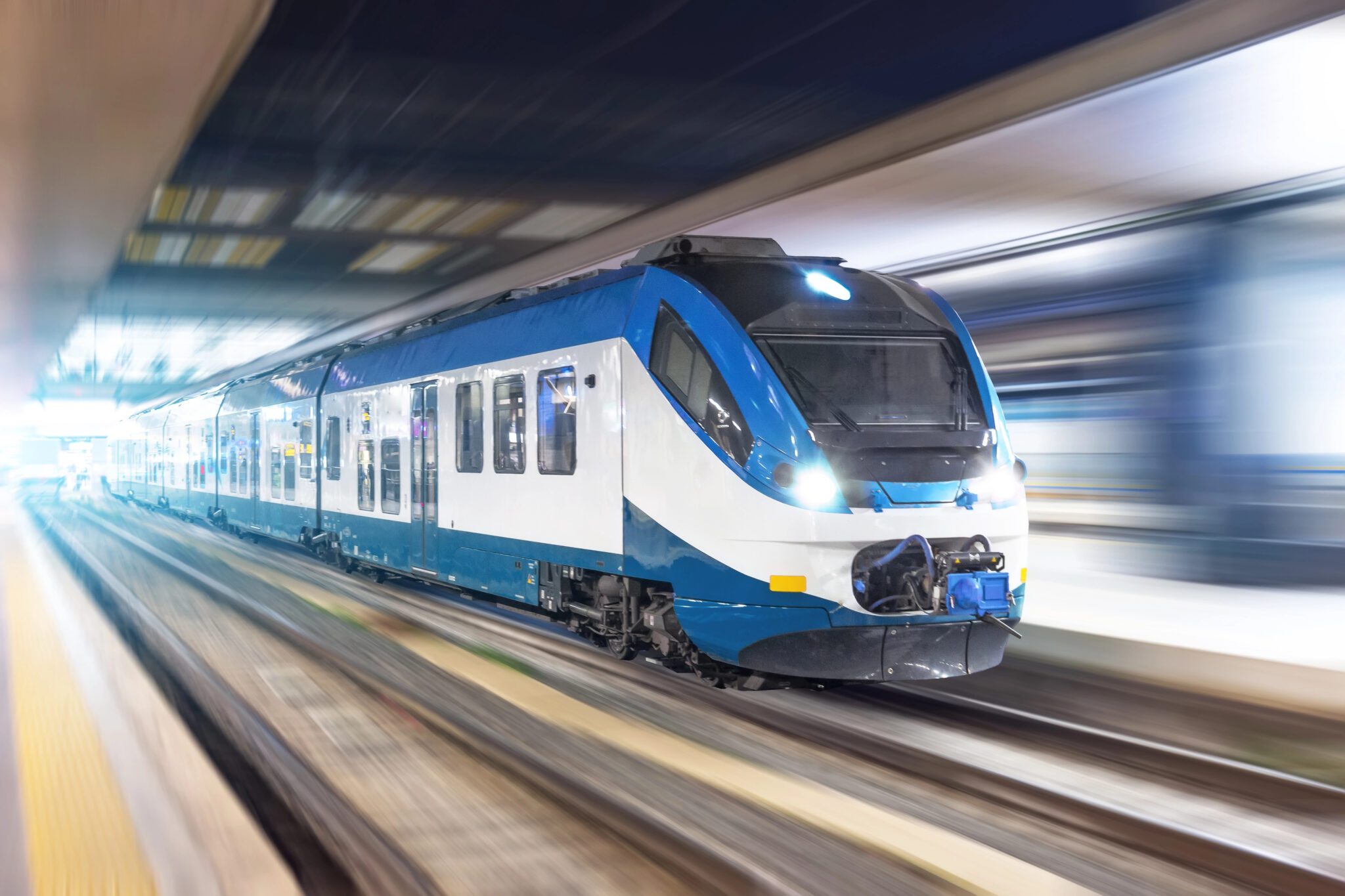
Urban populations continue to expand at an unprecedented rate, placing increasing pressure on transportation systems to move people efficiently and sustainably. In response, cities around the world are turning to innovative rail transit projects as a cornerstone of modern urban mobility. These developments integrate advanced engineering, digital technologies, and environmentally conscious design to reduce congestion, lower emissions, and improve accessibility. From high-speed rail networks to automated metro systems, such projects are redefining how individuals navigate complex urban environments while supporting long-term economic growth.
The execution of these large-scale transit initiatives often involves collaboration among multidisciplinary teams, including planners, engineers, and construction firms such as Tutor Perini. Their involvement highlights the complexity of delivering infrastructure that meets evolving urban demands. As innovation continues to shape the rail sector, these projects not only enhance connectivity but also influence land use, encourage transit-oriented development, and contribute to more resilient and livable cities.
Advancements in Rail Transit Technology
Rail transit systems are adopting new technologies to maximize efficiency and elevate the passenger experience. For example, vehicles are being equipped with real-time digital displays, Wi-Fi connectivity, and smart ticketing to offer seamless commuting. Significant concepts like the ‘Ideenzug Urban’ from Deutsche Bahn incorporate modular rail interiors, which can be adjusted for peak hours, events, or passenger demographics. These innovations not only make trains more flexible but also cater to diverse user needs within the urban landscape.
Moreover, next-generation signaling systems and upgraded train control centers are reducing the risk of delays and ensuring safety. Improved energy management systems help rail operators optimize resources and minimize costs, enabling cities to expand their transit offerings without excessive financial burdens. As these advancements become integral to urban rail networks, they set new standards for urban transportation across continents.
Sustainable Practices in Urban Rail Systems
With growing concerns over climate change and air pollution, sustainability is at the forefront of rail transit projects worldwide. Manufacturers such as Alstom are exploring battery-electric and hydrogen fuel cell-powered trains, which can significantly reduce carbon emissions compared to traditional diesel-powered locomotives. These developments are not only driven by technology but also by changes in regulatory standards and increased public demand for green infrastructure.
Urban rail systems also leverage regenerative braking, solar panel installations, and eco-friendly building materials to further limit their environmental footprint. By integrating sustainable construction and operation techniques, these transit projects support city goals to achieve net-zero emissions, while creating healthier, more livable urban environments.
Public-Private Partnerships Driving Innovation
Public-private partnerships (PPPs) continue to play a vital role in delivering complex rail transit solutions efficiently and cost-effectively. These collaborations blend public oversight with private sector innovation, expertise, and investment, accelerating the pace of transit development. For example, ST Engineering’s involvement in mass transit projects through SITCE 2024 spotlighted how PPPs deliver integrated mobility solutions that make public transit safer and more reliable.
Such partnerships often facilitate the adoption of cutting-edge safety measures, including advanced surveillance systems and predictive maintenance analytics. They also foster dynamic policy environments where regulatory frameworks and business models can adapt quickly to disruptions and emerging trends in urban transportation. This approach ensures that cities are agile and able to respond to changing commuter expectations.
Addressing Urban Mobility Challenges
Congestion, lengthy commutes, and pollution remain stubborn problems in major cities. Innovative rail projects are paving the way toward solutions by promoting efficient, high-capacity alternatives to road transport. Increased investment in light rail and metro systems helps divert traffic from overcrowded streets, resulting in smoother journeys for all. High-tech features, such as artificial intelligence for operational optimization and real-time data sharing, streamline scheduling and maintenance, providing more reliable transit options.
Organizations such as the World Economic Forum advocate for smart, sustainable transit systems where AI and renewable energy sources work in synergy to address urban challenges. Cities that embrace these modern rail technologies can expect not only environmental benefits but also enhanced economic and social vitality as improved mobility widens access to jobs, education, and community services.
Future Outlook for Rail Transit
The evolution of urban mobility depends on the ongoing advancement of rail transit systems. Municipalities around the world are investing in scalable, flexible, and sustainable solutions such as bus rapid transit and modular rail networks. This trend is expected to accelerate as cities seek to balance growth with environmental stewardship and enhanced quality of life.
As ride-sharing, micro-mobility options, and integrated ticketing continue to evolve, the future of rail transit will likely be characterized by connectivity across modes of transport and personalized travel experiences. The integration of emerging digital technologies and a commitment to sustainability will ensure that urban transit remains both resilient and relevant in the decades ahead.
Conclusion
Innovative rail transit projects serve as transformative agents in advancing efficient, sustainable, and inclusive urban mobility. The combination of advanced technology, strong public-private collaboration, and a steadfast focus on environmental responsibility signals a promising direction for cities worldwide. These projects not only improve daily commuting but also help create greener, more vibrant urban communities where opportunity and quality of life are accessible to all.