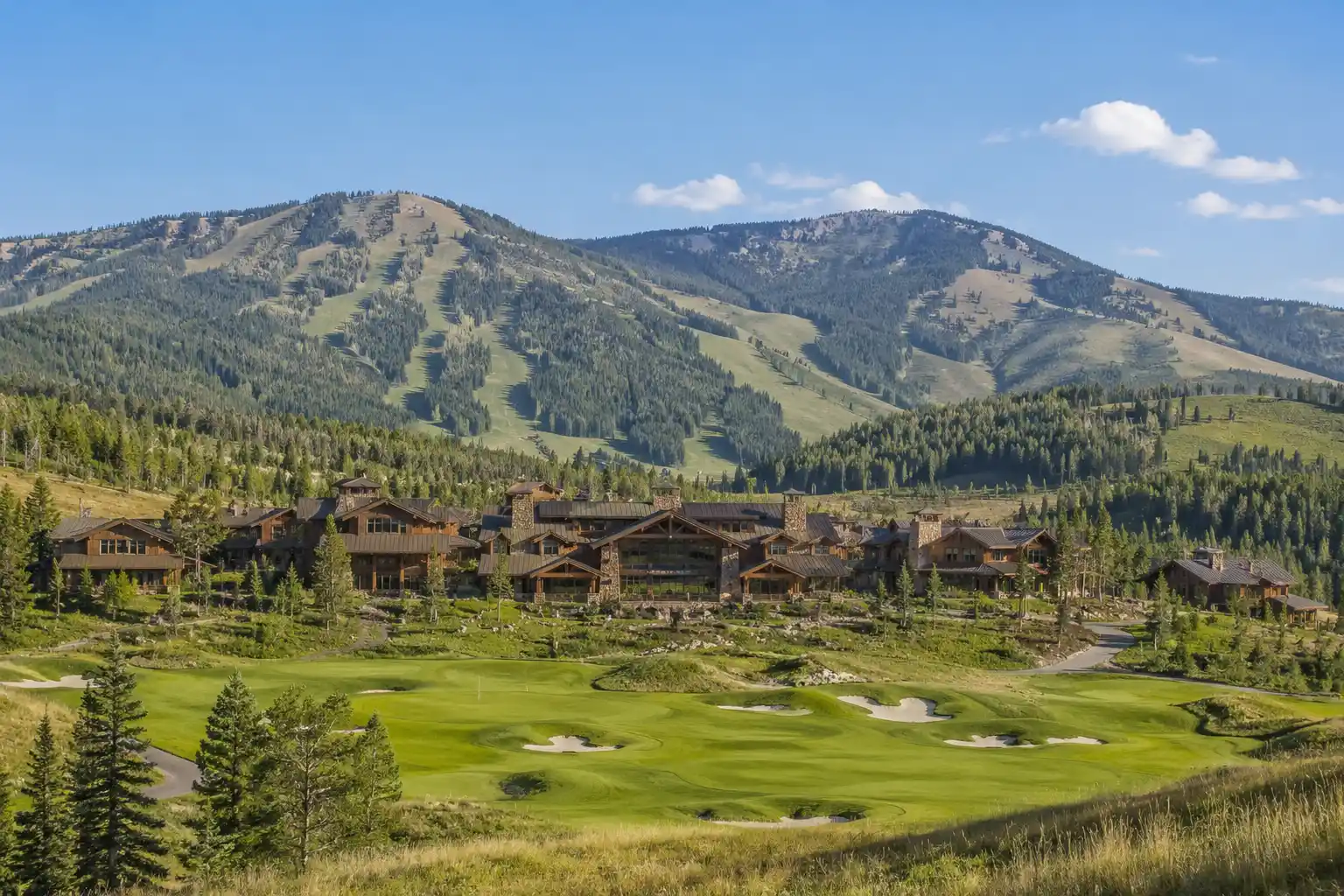
Yellowstone Club has emerged as one of the most sought-after destinations for ultra-high-net-worth individuals seeking privacy, luxury, and community. In an era where affluent travelers increasingly value exclusivity over visibility, this members-only enclave has redefined what a private luxury community can offer. Nestled in the mountains of Montana, it combines elite recreation, exceptional real estate, and a highly curated lifestyle that few destinations can replicate.
The rise of private residential communities reflects broader shifts in wealth and lifestyle preferences. Today’s wealthy families prioritize security, meaningful experiences, and access to like-minded peers rather than traditional hospitality. Consequently, demand for exclusive ownership-based destinations continues to grow across global luxury markets.
As luxury travel trends 2026 evolve, buyers increasingly seek destinations that combine long-term investment potential with lifestyle value. Moreover, the appeal of Montana luxury real estate has strengthened due to its natural beauty, low population density, and reputation for privacy. Against this backdrop, Yellowstone Club has established itself as a premier luxury mountain retreat, attracting billionaires, entrepreneurs, celebrities, and family offices from around the world.
What began as an ambitious vision has evolved into a symbol of modern wealth, demonstrating how exclusivity, scarcity, and community can create extraordinary value.
The Origins of Yellowstone Club and Its Vision
The story of Yellowstone Club began with a simple but revolutionary concept: creating a fully private mountain community where members could enjoy world-class amenities without the crowds typically associated with luxury resorts.
Unlike traditional ski destinations that welcome the public, Yellowstone Club adopted a private ownership model from the beginning. Membership became tied to property ownership, creating a controlled environment focused on long-term residents and committed members.
This approach immediately differentiated the club from conventional hospitality brands. Rather than selling hotel rooms, it offered ownership opportunities within an elite ecosystem. Consequently, members gained access not only to exceptional recreational facilities but also to a highly curated social environment.
Over time, the community evolved beyond its original vision. New residential developments, enhanced amenities, and carefully managed expansion transformed it into one of the most prestigious private clubs in North America. Moreover, strict membership limitations helped preserve exclusivity while supporting property values.
The club’s success illustrates how scarcity can become a strategic asset. By maintaining limited membership and controlling development, Yellowstone Club created a reputation that continues to attract affluent buyers seeking experiences unavailable elsewhere.
As luxury consumers increasingly favor ownership over temporary access, the club’s model has become a blueprint for modern private communities.
Why the Wealthiest Buyers Choose Yellowstone Club?
For many ultra-high-net-worth families, privacy represents a luxury that money alone cannot easily buy. Yellowstone Club offers an environment where members can enjoy their lifestyles away from public attention.
High-profile residents benefit from:
- Private access to recreational facilities
- Controlled community entry points
- Limited membership numbers
- Family-focused programming
- Discreet service standards
- Extensive residential privacy
Moreover, the club provides valuable networking opportunities. Members often include successful entrepreneurs, investors, executives, and business leaders. As a result, social interactions frequently extend beyond leisure into professional relationships and investment opportunities.
The family-oriented atmosphere also distinguishes Yellowstone Club from many luxury resorts. Parents appreciate the ability to allow children greater freedom within a secure environment. Meanwhile, multiple generations can participate in activities throughout the year.
Additionally, exclusivity itself serves as a status symbol. Membership signals access to a highly selective community that remains inaccessible to most affluent travelers.
Yellowstone Club vs Traditional Luxury Resort
| Feature | Yellowstone Club | Traditional Luxury Resort |
|---|---|---|
| Access | Members and owners only | Public guests |
| Privacy | Extremely high | Moderate |
| Ownership | Real estate ownership | Temporary stays |
| Community | Long-term relationships | Short-term visitors |
| Networking | Elite peer network | Limited |
| Investment Potential | Real estate appreciation | Minimal |
Ultimately, the appeal extends beyond luxury amenities. Members gain access to a private lifestyle ecosystem that combines recreation, relationships, and long-term value in a single destination.
Luxury Real Estate and Investment Appeal
The strength of Yellowstone Club’s reputation is closely tied to its real estate market. Unlike many luxury destinations that rely primarily on hospitality revenue, the club’s value proposition centers on ownership.
Limited inventory remains one of the most significant drivers of demand. Available properties often include custom estates, ski-in/ski-out residences, mountain homes, and luxury cabins designed for affluent buyers seeking unique experiences.
Several factors contribute to ongoing demand:
- Scarcity of available properties
- Strong brand prestige
- Private membership access
- Desirable Montana location
- High-quality infrastructure
- Consistent buyer interest
Moreover, wealthy families increasingly view luxury real estate as a component of wealth preservation strategies. Therefore, ownership within a highly exclusive community can offer both lifestyle benefits and long-term asset appreciation.
The appeal of Montana luxury real estate has grown substantially as remote work, lifestyle migration, and experiential living become more prominent among affluent households. Consequently, destinations that combine natural beauty with sophisticated amenities continue to outperform many traditional luxury markets.
While real estate values can fluctuate, Yellowstone Club’s scarcity-driven model has helped maintain strong demand. The combination of limited supply and global buyer interest creates conditions that support long-term market resilience.
This investment dynamic further reinforces the community’s position among the world’s most desirable private residential destinations.
World-Class Amenities That Define the Experience
Amenities play a critical role in the club’s success. However, Yellowstone Club distinguishes itself not simply through luxury but through private access to exceptional experiences.
Winter remains one of its defining seasons. Members enjoy extensive skiing opportunities without the congestion often associated with major public resorts.
Notable amenities include:
- Private ski terrain
- Championship golf facilities
- Luxury wellness centers
- Spa and recovery programs
- Fine dining experiences
- Concierge and lifestyle services
- Outdoor adventure programs
- Family recreation activities
Meanwhile, summer and shoulder seasons expand the club’s appeal beyond skiing. Golf, hiking, mountain biking, fly fishing, and outdoor exploration create a genuine four-season destination.
Additionally, wellness has become increasingly important among affluent consumers. Modern luxury travelers prioritize longevity, health optimization, and holistic well-being. Consequently, premium wellness offerings now serve as a significant attraction for members.
The club’s year-round programming also strengthens community engagement. Residents develop deeper relationships through shared experiences, creating a sense of belonging that traditional resorts often struggle to replicate.
This combination of recreation, wellness, and social connectivity helps explain why members continue returning year after year.
Yellowstone Club vs Other Elite Private Communities
The luxury private community sector has expanded significantly during the past decade. Nevertheless, Yellowstone Club remains one of the industry’s most influential examples.
Several competing destinations target similar buyer demographics.
The Madison Club
Located in California’s Coachella Valley, The Madison Club emphasizes golf, privacy, and elite membership. It attracts many prominent business leaders and celebrities seeking desert luxury.
Discovery Land Company Communities
Discovery Land Company operates multiple private communities worldwide. These developments focus heavily on family experiences, outdoor recreation, and ownership-driven lifestyles.
Aman Residences
Aman Residences combine luxury real estate with the globally recognized Aman hospitality brand. Their appeal centers on design excellence, wellness, and international prestige.
The Summit Club Las Vegas
The Summit Club provides a private residential environment within Las Vegas, offering members access to luxury amenities while remaining close to urban entertainment and business opportunities.
Comparison of Elite Private Communities
| Community | Exclusivity | Real Estate | Lifestyle | Investment Appeal |
| Yellowstone Club | Extremely High | Luxury mountain estates | Four-season recreation | Strong |
| The Madison Club | High | Golf estates | Desert luxury | Strong |
| Discovery Communities | High | Multiple markets | Family-focused | Moderate to Strong |
| Aman Residences | Very High | Global luxury residences | Wellness-centric | Strong |
| Summit Club Las Vegas | High | Urban luxury homes | Golf and city access | Moderate |
In contrast to many competitors, Yellowstone Club combines private skiing, luxury ownership, extensive amenities, and strong community dynamics within a single location. Therefore, it continues to hold a unique position among billionaire-focused destinations.
The Future of Members-Only Luxury Retreats (2026 and Beyond)
Demand for members-only communities shows little sign of slowing. Several powerful trends continue to support growth across the sector.
First, generational wealth transfer is reshaping luxury consumption patterns. Younger wealthy buyers often prioritize experiences and community over traditional status symbols.
Second, privacy concerns continue increasing among affluent individuals. As public visibility grows through digital platforms, secure residential environments become more attractive.
Key drivers shaping luxury travel trends 2026 include:
- Increased demand for privacy
- Wellness-focused lifestyles
- Experience-based spending
- Family-centered travel
- Sustainability initiatives
- Smart-home technology integration
- Community-oriented living
Moreover, sustainability is becoming increasingly important. Affluent buyers increasingly evaluate environmental stewardship alongside luxury amenities.
Technology also plays a growing role. Advanced security systems, smart residences, and personalized digital services enhance convenience while preserving privacy.
As a result, the future appears favorable for destinations that successfully combine ownership, community, exclusivity, and experiential luxury.
Unique Insight: Yellowstone Club as a Wealth Ecosystem
The most important insight about Yellowstone Club is that it no longer functions merely as a luxury resort.
Instead, it operates as a private ecosystem designed around wealth preservation, relationship building, and lifestyle optimization. Members acquire more than property ownership; they gain access to a highly curated environment that supports both personal and financial objectives.
Moreover, the community serves as a sophisticated social network for ultra-high-net-worth families. Relationships formed within the club often extend into business partnerships, investment opportunities, and multigenerational connections.
The evolution of modern luxury increasingly revolves around access rather than possessions. Consequently, exclusive communities have become powerful symbols of experiential wealth. Ownership within a prestigious private residential club provides status, privacy, and opportunity simultaneously.
Perhaps most importantly, scarcity itself has become a long-term investment strategy. Limited inventory, controlled membership growth, and sustained global demand help reinforce both exclusivity and value.
In this sense, Yellowstone Club reflects a broader transformation in luxury consumption. Today’s wealthiest buyers increasingly seek environments that combine lifestyle, community, and capital preservation within a single destination.
Conclusion
The rise of Yellowstone Club demonstrates how luxury has evolved beyond traditional hospitality. By combining elite recreation, exceptional real estate, curated community experiences, and unparalleled privacy, it has become one of America’s most coveted private retreats.
Moreover, its success reflects broader changes in affluent consumer behavior. Wealthy buyers increasingly prioritize ownership, exclusivity, and meaningful experiences over conventional luxury services. As luxury travel trends 2026 continue to evolve, destinations that offer privacy, scarcity, and community will likely outperform traditional models.
For those seeking a premier private luxury community, a world-class exclusive ski club, and a distinctive luxury mountain retreat, Yellowstone Club represents one of the clearest examples of how modern wealth and lifestyle aspirations now intersect.
Frequently Asked Questions
What is Yellowstone Club?
Yellowstone Club is a members-only private residential community in Montana that combines luxury real estate, private skiing, golf, and exclusive lifestyle amenities.
Why is Yellowstone Club considered exclusive?
Membership is limited and generally linked to property ownership, creating a highly private environment for affluent individuals and families.
Who typically owns property at Yellowstone Club?
Owners often include entrepreneurs, executives, investors, celebrities, and ultra-high-net-worth families seeking privacy and premium experiences.
How does Yellowstone Club differ from traditional luxury resorts?
Unlike public resorts, it focuses on ownership, long-term community relationships, and private access to amenities rather than short-term guest stays.
Is Yellowstone Club a good real estate investment?
Many buyers view it as a long-term wealth preservation asset due to limited inventory, strong demand, and brand prestige.
What amenities are available to members?
Members enjoy private skiing, championship golf, wellness facilities, dining experiences, concierge services, and outdoor recreation year-round.
How does Yellowstone Club compare to Aman Residences?
Aman Residences emphasize wellness and global luxury, while Yellowstone Club focuses more heavily on mountain recreation, ownership, and community.
Why is Montana attractive to wealthy buyers?
Montana offers natural beauty, privacy, low population density, and strong demand within the luxury real estate market.
How does Yellowstone Club reflect luxury travel trends 2026?
It aligns with growing preferences for privacy, experiential living, wellness, community, and ownership-based luxury experiences.
What makes Yellowstone Club unique among private communities?
Yellowstone Club combines a private ski mountain, luxury real estate, elite networking opportunities, and a highly curated lifestyle within one exclusive destination.