Understanding Precious Metals in a Modern Portfolio

What Makes Precious Metals Different From Other Investments?
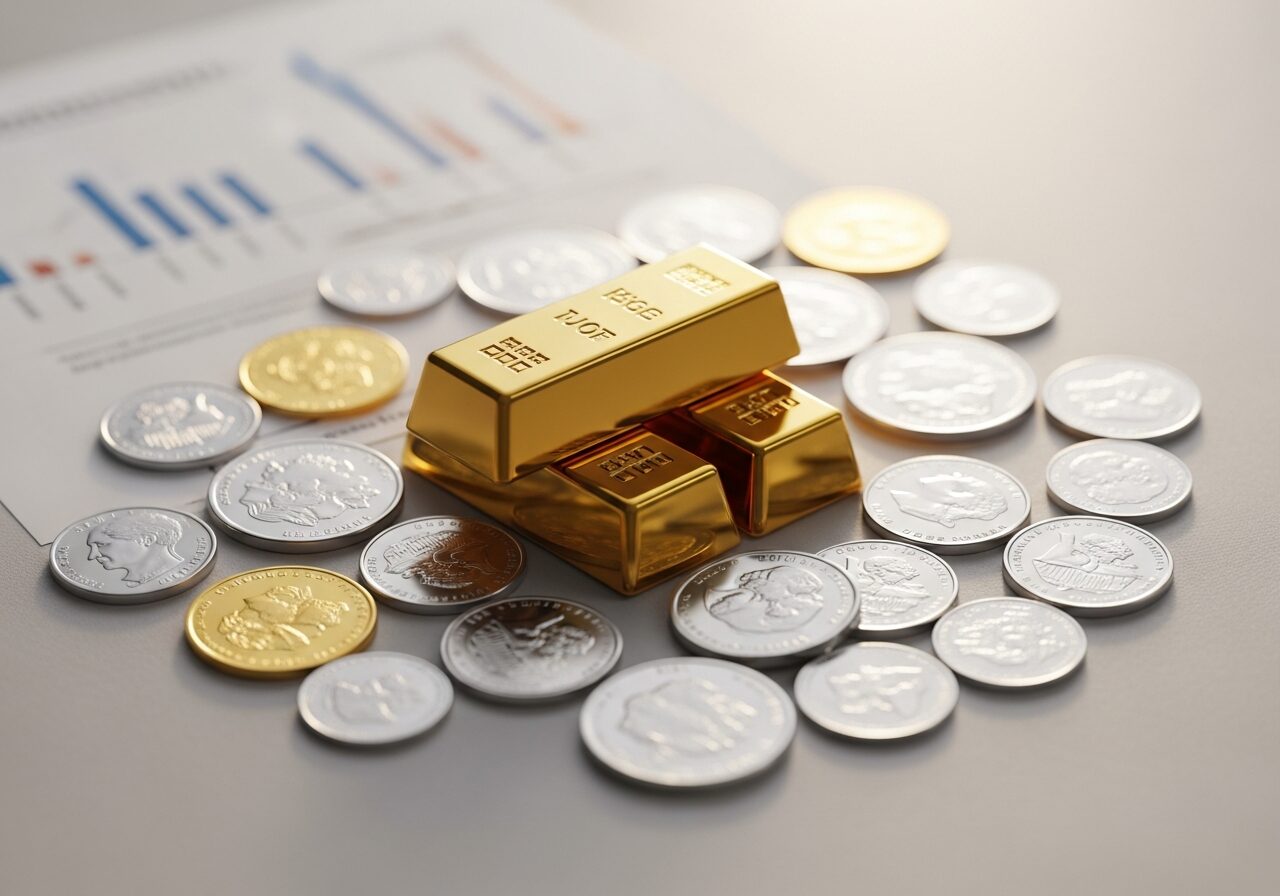
Some may eventually decide to buy silver in physical form, while others lean toward gold ETFs or broad commodity funds, each representing a distinct path within the same general strategy. This article is purely educational and does not constitute personalized investment advice. It examines how precious metals differ from conventional assets, their potential role in diversification, the most common investment vehicles, and what deserves careful thought before committing any capital.
Precious metals are real assets—physical commodities—rather than financial claims like stocks or bonds. Their enduring appeal rests on scarcity, centuries of recognition as a store of value, and, in silver’s case, substantial industrial demand from electronics manufacturing and solar technology. One critical distinction worth understanding upfront: metals generate no cash flow. No dividends, no interest payments. That fundamental characteristic sets their portfolio role apart from equities or fixed income in ways that matter enormously over time. Analysts often describe them as non-correlated assets and potential inflation hedges, though their actual behavior shifts meaningfully across different market cycles.
| Asset | Income | Typical Portfolio Role |
| Precious metals | None | Diversifier, inflation hedge |
| Stocks | Dividends | Growth |
| Bonds | Interest | Income, stability |
How Precious Metals Can Help Diversify Risk
Diversification is built on a straightforward premise: hold assets that don’t all move in lockstep. Because precious metals often carry a low or shifting correlation with equities, even a modest allocation can potentially smooth portfolio volatility during certain market conditions—though no outcome is ever guaranteed.
Two illustrative examples are worth considering. A growth-focused investor who introduced a small metals position following a sharp equity drawdown found it helped stabilize returns in the years that followed. A more conservative saver maintained a modest metals allocation alongside diversified funds as a long-term hedge against currency devaluation. In both cases, metals served as a complement to a core investment strategy, not a replacement for one.
Potential benefits—not guarantees:
– Partial hedge against inflation and currency weakness
– Portfolio stabilization during certain market downturns
– The psychological comfort of holding tangible, physical assets
Common Methods for Adding Precious Metals to Your Portfolio
Physical bullion—bars, coins, and rounds—offers direct ownership and eliminates counterparty risk, but it comes with real-world costs: storage, insurance, and premiums above the spot price that can add up quickly.
Precious metals ETFs track spot prices and trade like stocks, delivering high liquidity without any storage burden. The trade-off is that expense ratios compound quietly over time, gradually eroding long-term returns in ways that are easy to underestimate.
Mining stocks represent operating businesses rather than direct metal ownership. Their performance can diverge sharply from the underlying metal prices due to operational challenges, management decisions, and geopolitical exposure—making them considerably more speculative in nature.
Futures, certificates, and structured products also exist, but their complexity and embedded leverage risks make them generally unsuitable for investors without substantial experience and professional guidance.
What to Think About Before You Add Precious Metals
Before making any allocation, it’s worth getting clear on your actual objective. Are you hedging, diversifying, or speculating? These are different goals that call for different approaches. From there, honestly assess your time horizon, your genuine risk tolerance, and the full cost picture—storage, insurance, fund fees, and transaction spreads all deserve attention.
A telling cautionary example: an investor who over-concentrated in metals during a price surge, only to sit through a prolonged and painful drawdown, illustrates precisely why a small, measured allocation within a broader portfolio tends to serve investors better than a large, concentrated position driven by short-term enthusiasm.
Key questions worth asking yourself:
– Why am I adding metals, and what specific role should they play in my overall plan?
– How would I genuinely react if prices declined sharply and stayed down for an extended period?
– What are the total ongoing costs of my chosen vehicle—not just the purchase price?
Tax treatment of precious metals also varies by jurisdiction and account type, so always verify the specifics with a qualified financial or tax professional before proceeding.
How to Research Precious Metals Responsibly
Start with neutral educational sources—investor education portals, financial regulators, and established financial publishers—well before making any decision. Take the time to understand spot prices and the premiums dealers charge above them, learn core terminology like troy ounce and purity grades, and for any fund, read the prospectus rather than relying on marketing materials designed to sell you something.
For a practical reference point, a live gold price per gram calculator can translate the quoted spot price into the units buyers commonly encounter when evaluating jewelry or small bullion holdings.
Common pitfalls to avoid:
– Chasing short-term price surges after the move has already happened
– Using leverage without a clear-eyed understanding of the downside risk
– Relying solely on promotional content from dealers or fund providers with an obvious stake in your decision
Due diligence and independent research aren’t optional extras—they’re essential before any capital changes hands.
How Silver Compares to Other Precious Metals
| Metal | Primary Uses | Relative Volatility | Common Portfolio Use |
| Gold | Investment, jewelry | Medium | Core hedge |
| Silver | Industrial, investment | High | Diversifier, hedge |
| Platinum | Industrial, automotive | High | Diversifier |
| Palladium | Automotive, industrial | High | Speculative/niche |
Silver’s dual role—simultaneously an investment metal and an industrial commodity—means its price can respond to economic cycles quite differently than gold, which is more purely investment-driven. Because of this dual demand dynamic, many long-term investors treat silver as part of a broader metals allocation rather than as a standalone position, recognizing that its industrial ties introduce a layer of cyclical sensitivity that gold simply doesn’t carry to the same degree.
Putting It All Together for Long-Term Investors
Precious metals can meaningfully complement a diversified portfolio, but they are not a complete strategy on their own. Their potential diversification and inflation-hedging qualities come bundled with real volatility and tangible costs—trade-offs every investor must weigh honestly against their own situation. The right vehicle—physical bullion, ETFs, or mining stocks—ultimately depends on individual objectives, practical constraints, and genuine risk tolerance, not on what happens to be popular at any given moment.
A written investment plan that explicitly defines how—or whether—precious metals fit your overall strategy is a sound place to start. Revisit that plan periodically as your circumstances and goals change over time.
Key Takeaways:
– Precious metals are a complement, not a core holding—size any allocation proportionally within a broader, well-considered plan.
– Each vehicle carries distinct trade-offs: physical metals involve storage costs; ETFs carry ongoing fees; mining stocks introduce operational and business risk.
– No allocation guarantees protection—metals can be volatile and may underperform for extended periods.
– Consult a qualified financial professional to assess whether and how precious metals suit your specific situation.
This article is intended for educational purposes only and does not constitute personalized investment, financial, or tax advice. Always seek guidance from a regulated financial professional before making investment decisions.