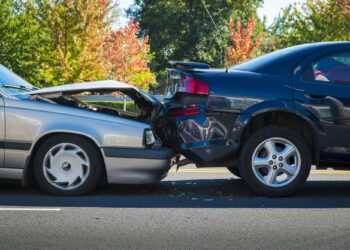
Danbury, Connecticut, is a city where active roads, busy shopping areas, workplaces, schools, and neighborhood destinations bring thousands of people together every day. While that steady movement supports daily life, it also increases the chance of preventable accidents that leave families facing medical bills, missed work, and difficult legal questions. Understanding how responsibility is evaluated after an accident can make a real difference when pursuing financial recovery. Connecticut law places close attention on the facts surrounding an incident, making early decisions and documentation especially important.
Speaking with a Danbury negligence lawyer can help people understand what information deserves immediate attention before avoidable mistakes create unnecessary obstacles. With the right preparation, injured individuals are better positioned to respond when insurers question liability or attempt to minimize losses. Knowing what to gather, whom to notify, and when to act also provides greater confidence during an already stressful experience.
Duty and Breach
A claim gains force when duty and breach are easy to trace. In Connecticut cases, a record showing what a reasonable person should have done helps frame liability. Guidance from a negligence lawyer can connect unsafe conduct, local rules, and documented injuries without forcing facts. That link matters because judges and carriers usually test negligence before discussing money. That early framing often guides settlement posture.
Evidence Builds the Story
Evidence usually shapes negligence long before trial. Medical charts, incident reports, phone records, and camera footage can support or weaken each claim. Gaps create room for doubt. Defense teams often argue that missing details mean the event happened differently. Strong files answer that attack early. Clear timestamps, prompt treatment, and preserved images help tie actions to injuries in a way that feels concrete. Those materials often age poorly.
Causation Matters
Causation asks whether the careless act actually produced the injury. That question sounds simple, yet facts often blur it. A prior condition, delayed pain, or later collision can interrupt the story. Plaintiffs need a clean sequence from conduct to damage. When dates line up and symptoms appear quickly, negligence looks more persuasive and harder for the defense to separate from other possible sources. Jurors notice those breaks quickly.
Comparative Fault Reduces Recovery
Negligence also affects damages through comparative fault. If an injured person shares blame, the recovery can shrink by that percentage. Seatbelt use, warning signs, speed, and attention all become part of the math. Defendants focus hard on those facts. Even a strong case loses value when avoidable conduct gives the other side a believable reason to spread responsibility across both parties. Photos and road marks can matter.
Damages Need Credible Proof
Damages depend on proof, and negligence influences how that proof is read. Jurors often connect careless behavior with the seriousness of resulting loss. Consistent treatment, employer records, and daily limitations make harm easier to trust. Exaggeration does the opposite. Once credibility slips, every bill, symptom, and future estimate receives harder scrutiny, which can reduce settlement ranges or trial awards by a large margin. Future care claims need support.
Witnesses Add Weight
Witnesses can sharpen or blur the negligence picture. Neutral observers, emergency responders, and treating doctors each add a different angle. Their value rises when accounts match physical evidence. Experts matter most where speed, safety rules, or medical cause need explanation. Still, polished testimony cannot rescue weak facts. Courts prefer opinions grounded in records, measurements, and a timeline that stays steady under pressure. That foundation keeps opinions believable.
Insurance Strategy Follows Fault
Insurance adjusters read negligence through risk, cost, and trial odds. They look for admissions, long treatment gaps, or social posts that conflict with claimed limits. Early case value often turns on those signals. A defendant who appears plainly careless may face pressure to settle sooner. If liability remains mixed, carriers tend to delay, discount pain, and bet that uncertainty will lower the final payment.
Timing and Consistency Count
Timing can change everything. Prompt reports preserve memory, identify witnesses, and reduce room for later dispute. Consistency matters just as much. Statements to police, doctors, insurers, and employers should align on core facts. Minor differences happen, yet major shifts can damage trust. When the record stays stable from day one, negligence analysis becomes cleaner, and settlement talks usually begin from a stronger position. Delay helps the defense frame doubt.
Settlement Pressure Changes Outcomes
Most lawsuits end before verdict, which makes negligence central in negotiation. Lawyers build numbers from liability strength as much as medical loss. Clear fault raises pressure because a jury may punish careless conduct with a larger award. Weak proof changes tone fast. Mediation then centers on compromise, risk sharing, and discounted expectations instead of full accountability for the harm that followed the accident. Mediators react to that imbalance quickly.
Conclusion
Negligence shapes an injury lawsuit from first report to final resolution. It influences liability, damages, bargaining power, and courtroom credibility. Cases with clear proof usually move with more force and less friction. Claims with gaps invite doubt, delay, and reduced offers. For injured people, the practical lesson is simple. Careful records, consistent statements, and prompt action give the facts a better chance to speak for themselves when settlement pressure begins.
photo by depositphotos