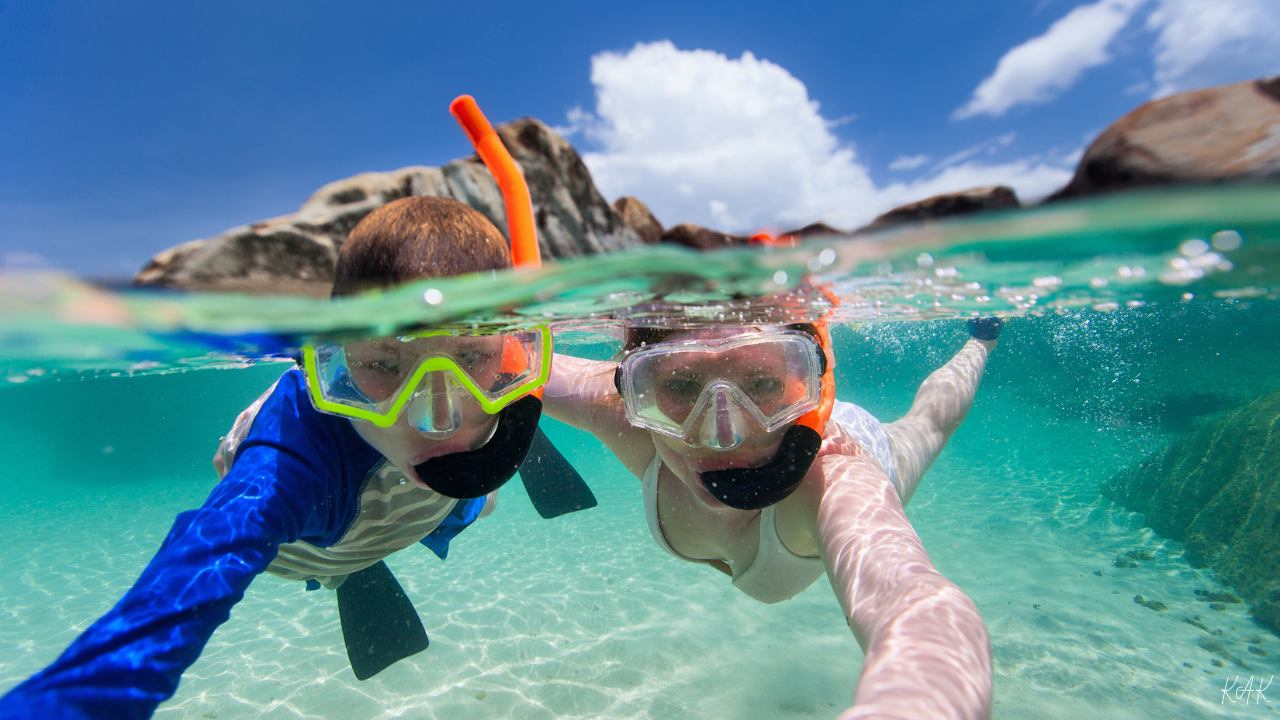
Most “best places to snorkel in Hawaii” lists are built for the general tourist, arrive early, wait in line, share the reef with a hundred other visitors, and hope the water hasn’t been churned up by the tour boat that got there first. That approach isn’t wrong, exactly. It’s just not how a traveler with the flexibility to choose a private charter, book a resort with reef access at the door, or arrange an early-entry pass should be planning a Hawaii trip. Here’s the same collection of world-class reefs, mapped instead to how that traveler actually moves through the islands.
Oahu: Hanauma Bay, Done Correctly
Hanauma Bay’s reputation as the best single snorkeling experience in Hawaii is genuinely earned, a collapsed volcanic crater turned marine sanctuary, with calm, current-protected water and an extraordinary density of reef fish close to shore. It’s also become one of the hardest reservations in Hawaii tourism.
The bay is closed Mondays and Tuesdays to let the ecosystem recover, and on open days, reservations release through the official portal (pros.hnl.info) exactly two days in advance at 7:00 a.m. Hawaii Standard Time. Popular dates, weekends, holidays, school breaks, routinely sell out within minutes.
The most reliable way around this isn’t persistence; it’s timing: mid-week dates sell out far slower than weekends, and the earliest entry slot (the park opens at 6:30 a.m.) delivers the calmest water and thinnest crowds before tour buses arrive later in the morning.
Entry runs $25 per person for non-residents, funding the sanctuary’s conservation program directly, and every first-time visitor watches a mandatory nine-minute marine conservation briefing before reaching the beach, budget for that in your morning.
Maui: Molokini Crater, Before the Fleet Arrives
Molokini — the crescent-shaped, partially submerged volcanic crater three miles off Maui’s coast, is Hawaii’s clearest water for snorkeling, with visibility regularly exceeding 150 feet and a protected Marine Life Conservation District status that has kept its reef in excellent condition. The catch is that dozens of commercial snorkel tours converge on it every morning, and by mid-morning the crater’s interior can feel more crowded than the reef beneath it.
The genuine luxury move here is chartering privately rather than joining a shared tour boat, a handful of Maui operators run smaller private or semi-private charters that reach Molokini at first light, ahead of the larger commercial fleet, and it’s worth specifically requesting an early-arrival itinerary when booking rather than assuming any charter defaults to one.
For a shore-accessible alternative on the same coast, Honolua Bay on Maui’s northwest shore, a Marine Life Conservation District in its own right, offers excellent snorkeling outside of winter’s surf season, without requiring a boat at all.
Lanai: Hulopoe Bay, Steps From the Four Seasons
Lanai remains Hawaii’s least-visited inhabited island by a wide margin, and its snorkeling benefits directly from that obscurity. Hulopoe Bay, a Marine Life Conservation District fronting the Four Seasons Resort Lanai, is genuinely one of the few places in Hawaii where five-star resort convenience and pristine, uncrowded reef access are the same location rather than a tradeoff.
Spinner dolphins frequent the bay in the mornings, and the near-total absence of Lanai’s tourist infrastructure, the island has no traffic lights and a resident population in the low thousands, means the crowding calculus that governs Oahu and Maui simply doesn’t apply here.
Getting to Lanai requires either a short flight or the passenger ferry from Lahaina, which is itself part of the appeal: it filters out the day-tripper volume that affects nearly everywhere else on this list.
Big Island: Kealakekua Bay, Reachable Only by Water
Kealakekua Bay on the Big Island’s Kona coast is a Marine Life Conservation District bordered by a lava field with no road access to its best snorkeling, the Captain Cook Monument side of the bay is reachable only by boat, kayak, or a genuinely difficult hike, which has functioned as a natural crowd filter for decades.
The result is some of the most pristine coral in the state, with regular spinner dolphin pods and exceptional visibility. Closer to Kona town and far easier to reach, Kahalu’u Beach Park offers a gentler, shore-accessible alternative with reliably high sea turtle activity, well-suited to a shorter or lower-effort outing.
Also read: Best Island to Visit in Hawaii for First Time Travelers: A Curated Escape to Paradise
The Rules That Actually Matter
Hawaii’s sunscreen regulations are not a suggestion, and getting them wrong can mean showing up to a boat charter or resort activity desk without compliant sun protection.
Under Act 104 (2018, effective January 1, 2021), Hawaii statewide bans the sale of sunscreens containing oxybenzone or octinoxate, chemicals shown to cause coral bleaching at concentrations as low as 62 parts per trillion.
Maui County went further in 2022, restricting sale to mineral-only formulas (zinc oxide or titanium dioxide as the sole active ingredients) under Ordinance 5306.
Practically: pack mineral sunscreen before you land, particularly if any part of the itinerary touches Maui, since your usual chemical-formula sunscreen may not be purchasable locally as a backup.
Marine wildlife distance rules are federal, not just courtesy, NOAA guidance requires staying at least 10 feet from Hawaiian green sea turtles and considerably farther from Hawaiian monk seals, both protected species regularly encountered at every location on this list. Reputable charter operators will brief this before entering the water; it’s worth choosing operators who do.
When to Go
Winter (roughly November through March) brings larger surf to Hawaii’s north- and west-facing shores, which can affect visibility and access at spots like Honolua Bay, while leaving south-facing sites like Hanauma Bay largely unaffected.
Late spring through early fall offers the calmest, most consistent conditions across all four islands covered here, the more reliable window if a trip is built around snorkeling specifically rather than fit around other travel dates.
Sources: Hanauma Bay official reservation system (pros.hnl.info), Hawaii Department of Land and Natural Resources, NOAA Fisheries, Hawaii Revised Statutes (Act 104), Maui County Ordinance 5306, Archives of Environmental Contamination and Toxicology.