What Defines Modern American Fashion Brands Luxury and Their Global Impact
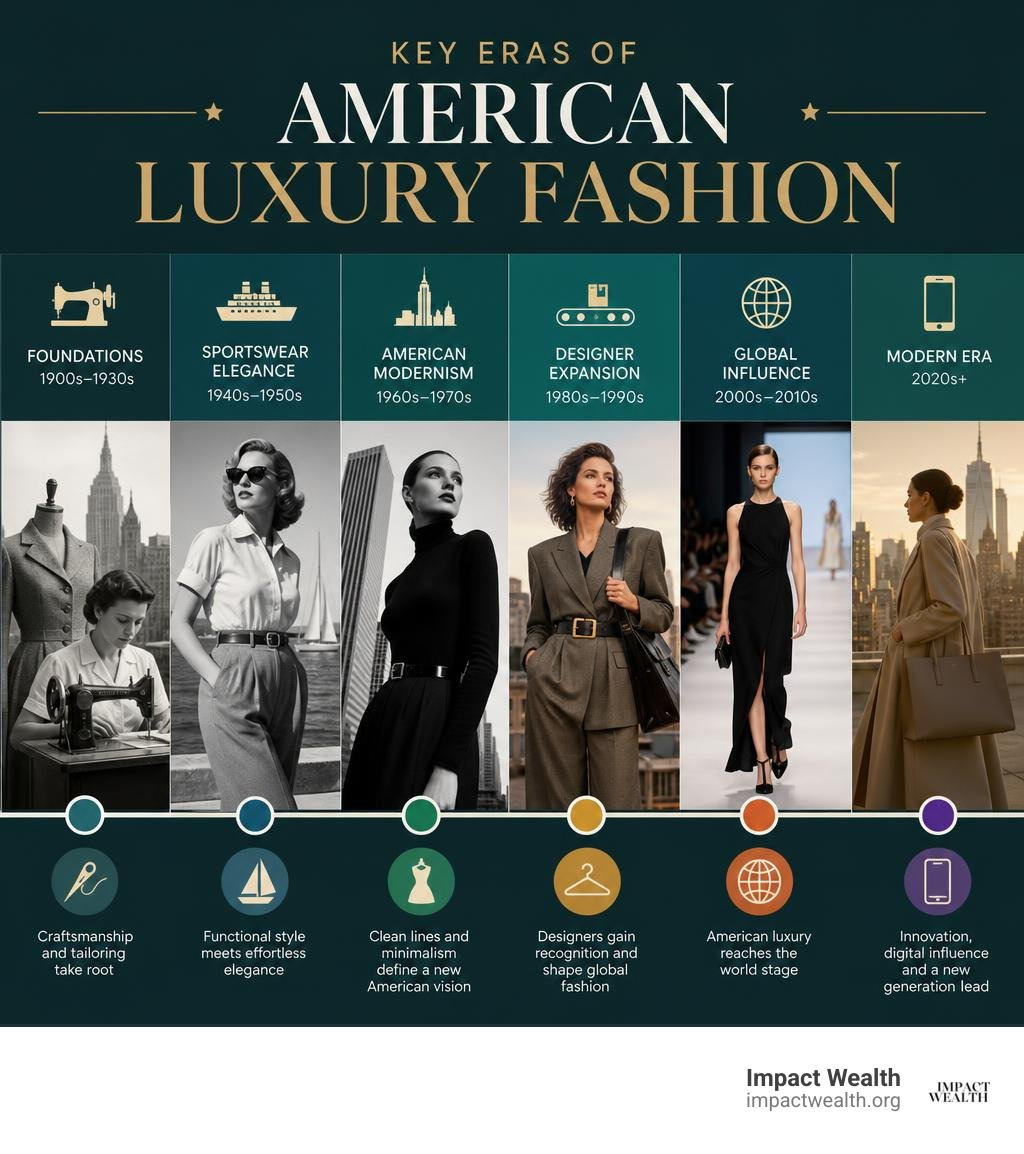
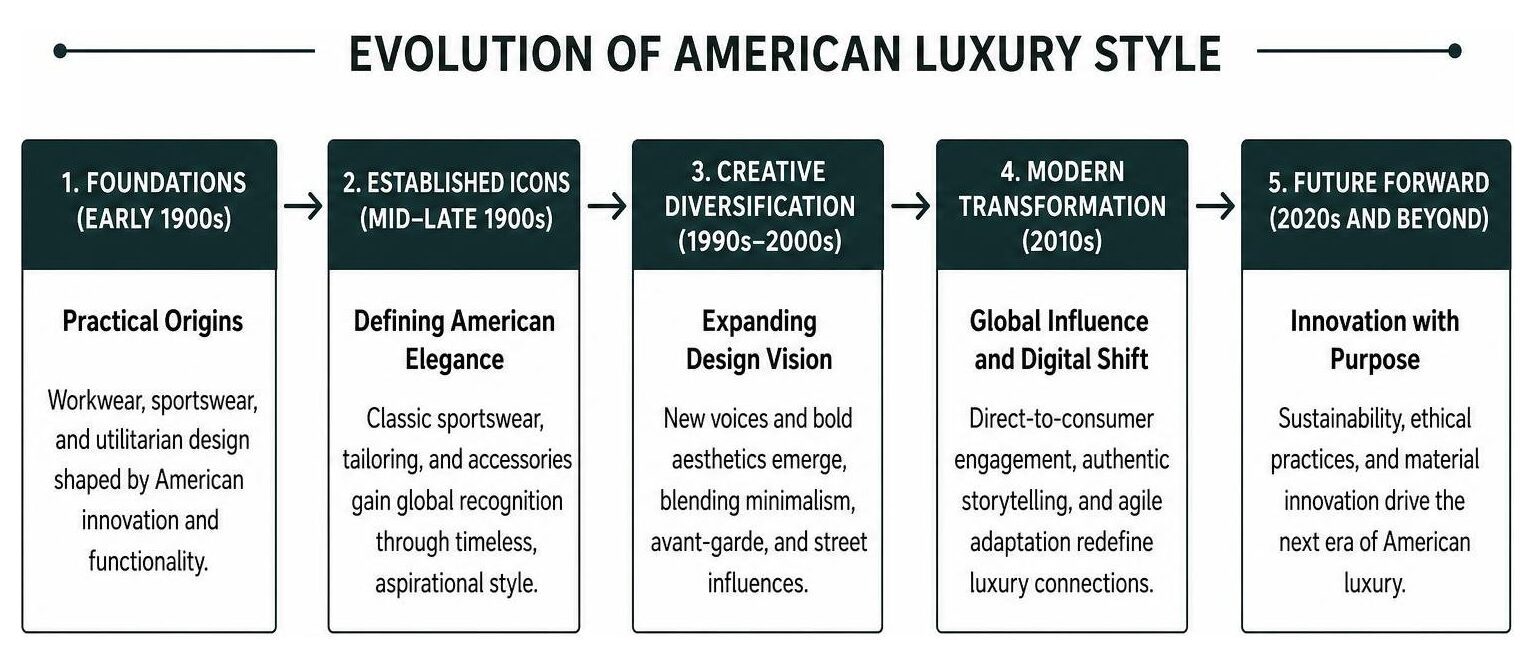
What defines an american fashion brands luxury label in the modern era? Historically, global fashion standards were dictated almost exclusively by traditional European couture houses. However, American luxury has built its own identity around pragmatic elegance, entrepreneurial independence, and rapid adaptability. Rather than relying solely on centuries-old regional heritage, modern American brands embody a distinctive lifestyle vision that balances functional sportswear roots with uncompromising craftsmanship.
This dynamic approach has earned American designers significant international weight. According to industry valuation metrics for 2025, major US labels command substantial global market equity. Coach leads as the highest-ranked American luxury leather goods house with a valuation of $8.4 billion, followed by iconic jewelry house Tiffany & Co. at $7.2 billion. Both Polo Ralph Lauren and Tom Ford hold impressive individual valuations of $4.7 billion, while Michael Kors stands at $4.2 billion, Vera Wang at $2.6 billion, and Calvin Klein at $1.5 billion.
Simultaneously, the relationship between luxury houses and consumers is undergoing intense transformation due to independent media and digital transparency. Modern critics and self-published investigative outlets scrutinize global fashion conglomerates on everything from supply chain compensation to radical price increases—which have reached up to 100% on select European luxury goods in recent years. This shifting landscape allows agile American brands to engage directly with high-net-worth audiences through authentic storytelling, uncompromised quality, and direct digital access.
Redefining High Fashion: The Evolution of American Fashion Brands Luxury
The evolution of high fashion in the United States reflects a broad creative spectrum. American style seamlessly integrates preppy classicism, minimalist tailoring, dark avant-garde art, and high-fashion streetwear. This diversity was formally celebrated when 50 leading US labels were featured in the TOP 50 Influential American Luxury Brands List, highlighting powerhouse names such as Tom Ford, The Row, Rick Owens, Tory Burch, Coach, Michael Kors, Marc Jacobs, and Oscar de la Renta.
The success of American luxury fashion stems from a willingness to break traditional molds while cultivating strong emotional connections. Whether it is an established label reinterpreting classic tailoring or an independent house redefining modern silhouettes, American designers consistently merge artistic vision with real-world functionality.
Craftsmanship, Sustainability, and Innovation in American Fashion Brands Luxury
As global consumer preferences shift toward environmental responsibility, American luxury brands are pioneering meaningful sustainable practices. Innovation is no longer just about design; it is deeply embedded in material development and supply chain ethics. For instance, Tommy Hilfiger—a label holding a $1 billion brand value in 2025—made history by becoming the first brand to use 100% recycled cotton fabric on an industrial scale to manufacture denim jeans.
Similarly, luxury pioneers across the US are incorporating responsible sourcing practices and cruelty-free alternatives without sacrificing high-end refinement. Brands demonstrate that high-performance vegan leather and organic textiles can be crafted with the same structural integrity as traditional materials.
Concurrently, American luxury houses are navigating complex global challenges regarding brand protection and trademark defense. Protecting intellectual property and combating counterfeit markets remain essential priorities. Brands employ advanced digital authentication, transparent traceability metrics, and robust legal frameworks to safeguard their heritage, ensuring high-net-worth consumers invest in genuine craftsmanship.

Iconic Heritage and Classic American Luxury Houses
The bedrock of american fashion brands luxury rests upon iconic heritage houses that redefined how the world dresses for success, gala events, and relaxed leisure. By pairing aspirational lifestyle branding with flawless tailoring, these foundational labels established the blueprint for American fashion design worldwide.
Ralph Lauren & Tom Ford: The Standards of Sophistication
When exploring classic American grandeur, Ralph Lauren and Tom Ford represent two distinct pillars of sophistication. Ralph Lauren’s trajectory is a quintessential story of American entrepreneurship. He famously began his fashion empire by selling handmade neckties out of a single drawer in the Empire State Building. From those modest beginnings, he built a global empire centered on aspirational preppy aesthetics, collegiate tailoring, and elite equestrian style.
Conversely, Tom Ford is widely recognized as the leader of the pantheon of American fashion designers. Renowned for his sleek, sensual approach to red-carpet glamour and flawless eveningwear, Ford transformed modern formal dressing. For those interested in exploring the foundational roots of stateside menswear and womenswear, reviewing GQ’s Guide to Heritage American Brands provides valuable context on how these visionaries shaped global style.
Oscar de la Renta & Coach: High-End Elegance and Leather Craft
High-end occasionwear finds its ultimate expression in legendary houses like Oscar de la Renta. Synonymous with international royalty and Hollywood red carpets, the label continues to define haute couture elegance. The house’s recent collections showcase breathtaking artistry, from mixed botanical georgette caftans featuring hand-applied embroidery priced upwards of $8,290 to bespoke bridal creations. Explore their current ready-to-wear offerings directly via the Oscar de la Renta Official Site.
On the leather goods side, Coach represents the extraordinary scaling power of American luxury. Valued at an impressive $8.4 billion in 2025, Coach has successfully bridged the gap between heritage leather craftsmanship and contemporary youthful appeal. Through artisanal leatherwork, durable archive revivals, and modern creative direction, Coach remains a dominant global player competing directly with European leather houses.

| Luxury Brand | 2025 Valuation / Status | Primary Aesthetic | Key Signature Focus |
|---|---|---|---|
| Coach | $8.4 Billion | Heritage Leather & Modern Prep | Craft Leather Goods & Outerwear |
| Tom Ford | $4.7 Billion | High Glamour & Sensual Tailoring | Luxury Menswear, Eyewear & Eveningwear |
| Polo Ralph Lauren | $4.7 Billion | Classic Americana & Equestrian | Aspirational Sportswear & Tailoring |
| The Row | Private (Top 50 Luxury) | Extreme Minimalism & Quiet Luxury | Cashmere, Bespoke Cut & Perfect Essentials |
| Rick Owens | Private (Top 50 Luxury) | Avant-Garde & Gothic Sculptural | Architectural Leather & Structural Silhouettes |
| Telfar | Private Disruptor | Inclusive Cultural Luxury | Vegan Leather Shopping Bags (“Bushwick Birkin”) |
Minimalist Titans and Avant-Garde Disruptors
While heritage labels celebrate rich ornamentation and traditional tailoring, a powerful cohort of American designers has captivated the global fashion market through minimalist restraint and radical artistic disruption.
The Row & Khaite: Quiet Luxury and Modern Staples
Founded in 2006 by Mary-Kate and Ashley Olsen, The Row originated from a very specific personal challenge: creating the absolute perfect plain white T-shirt. That hyper-focus on fit and fabrication evolved into a multi-award-winning house revered as the gold standard of “quiet luxury.” The Row provides the essential building blocks of a dream wardrobe for discerning dressers—utilizing luxurious cashmere cardigans, fluid silk tailoring, and immaculate leather goods made without visible logos.
Khaite, established in New York in 2016 by Catherine Holstein, has similarly captured the zeitgeist of modern luxury. Known for its robust knitwear, structured outerwear, and polished leather accessories, Khaite quickly became a staple for industry insiders and high-profile figures including Katie Holmes, Emma Stone, and Jennifer Lawrence.
Rick Owens & Telfar: Avant-Garde Disruptors and Cultural Icons
At the opposite end of the design spectrum stands Rick Owens. Known affectionately across internet subcultures as the “Lord of Darkness,” Owens is the undisputed king of avant-garde fashion. Though born in California, he has lived in Paris since 2003, debuting his provocative, architectural collections during Paris Fashion Week. His dark, sculptural aesthetics and drape-heavy leather jackets have earned him a legendary global following.
Meanwhile, Telfar Clemens revolutionized the luxury handbag landscape by democratizing access to coveted accessories. Founded on the motto “Not for you — for everyone,” Telfar’s signature vegan leather logo tote became the undisputed “It bag” of the 2020s. Dubbed the “Bushwick Birkin” by fashion critics, the bag demonstrated that cultural relevance, community engagement, and smart digital releases could create waitlists rivaling traditional European legacy houses.

Contemporary Powerhouses and High-Fashion Streetwear
Modern luxury fashion is no longer confined to traditional formalwear. Today’s high-net-worth consumers demand a blend of athletic comfort, rock-and-roll attitude, and refined glamour. American designers lead this movement, seamlessly bridging high-fashion craftsmanship with streetwear culture.
Amiri, Off-White, & Tory Burch: Modern Glamour Meets Streetwear
Mike Amiri launched his namesake label, Amiri, in 2014 after years of hand-crafting custom performance garments and stagewear for iconic rock musicians. Combining LA youth subcultures with artisanal embellishments, Amiri turned distressed denim, hand-painted leather jackets, and luxury flannel into globally sought-after investment pieces.
Similarly, the late Virgil Abloh’s Off-White redefined global luxury by embedding architectural theory, street culture, and high-art commentary into high-end fashion lines.
On the contemporary glamour side, Tory Burch has built a powerful luxury empire with an estimated brand value of $1 billion in 2025. By pairing classic mid-century aesthetic references with accessible luxury positioning, Tory Burch delivers chic footwear, polished handbags, and versatile ready-to-wear that resonate across international markets.
Frequently Asked Questions About American Luxury Fashion
What sets American luxury fashion apart from European luxury fashion?
European luxury fashion historically centers on century-old heritage, haute couture ateliers, and formal dress codes. In contrast, american fashion brands luxury houses are rooted in pragmatic sportswear, entrepreneurial agility, and lifestyle integration. American luxury prioritizes how high-net-worth individuals live daily—offering tailored yet comfortable apparel, versatile leather goods, and high-fashion streetwear that transitions effortlessly from coastal estates to boardroom meetings.
Which American fashion designer is considered the leader of American luxury?
Tom Ford is widely considered the leader of the pantheon of American fashion designers. Through his legendary work reviving major European fashion houses in the 1990s and subsequently launching his own billion-dollar namesake brand, Ford established a global standard for modern luxury glamour, high-end tailoring, and prestige beauty products.
How are modern American fashion brands incorporating sustainability into luxury?
American luxury houses are leading key ecological innovations. Measures include scaling the industrial use of 100% recycled cotton denim (pioneered by Tommy Hilfiger), utilizing up to 98% responsible or recycled materials in ready-to-wear collections, adopting premium Italian-crafted vegan leathers, and supporting circular supply chains. Furthermore, brands partner directly with organizations like the Council of Fashion Designers of America (CFDA) to fund sustainable design research and ethical labor initiatives.
Conclusion
The landscape of american fashion brands luxury is richer and more varied than ever before. From the enduring sophistication of Ralph Lauren and Tom Ford to the quiet minimalism of The Row and the boundary-pushing vision of Rick Owens, stateside designers continue to shape how the global elite dresses. By pairing exceptional materials with cultural agility, American luxury labels offer high-net-worth individuals, collectors, and portfolio managers compelling options that balance timeless equity with cutting-edge design.
We at Impact Wealth track these structural market shifts closely to help family offices and sophisticated investors navigate evolving lifestyle dynamics. Explore the latest editorial insights on luxury fashion trends to stay ahead of the movements defining global style, wealth management, and high-end consumer markets.