Table of Contents
- Optimize Home Insulation
- Invest in Energy-Efficient Appliances
- Utilize Natural Ventilation
- Install Smart Thermostats
- Implement Strategic Landscaping
- Schedule Regular HVAC Maintenance
- Consider Renewable Energy Sources
- Leverage Community Resources
- Conclusion
As summer temperatures rise in Union, Kentucky, many residents are looking for ways to cool their homes without overtaxing the environment or their budgets. Adopting green cooling practices not only enhances personal comfort but also helps ensure homes remain energy-efficient and environmentally friendly. If your system needs immediate attention, reliable AC repair Union, KY is available to keep your home comfortable throughout the hottest months.
By making informed choices about how you cool your home, you can reduce energy use, minimize environmental impact, and keep utility bills lower throughout the summer. These steps are becoming increasingly important as extreme heat events grow more common and energy prices remain unpredictable.
Optimize Home Insulation
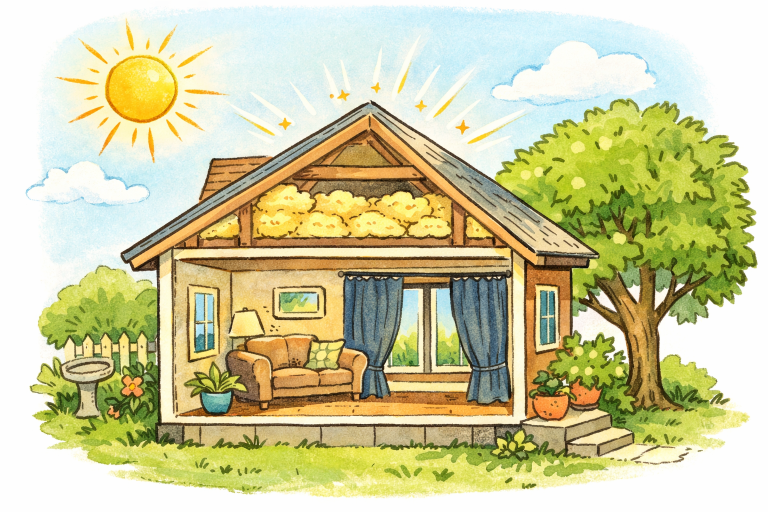
To keep your home cool, improve insulation as it helps retain cool air and prevents heat entry, reducing air conditioning needs. Check attic, wall insulation, and weatherstripping to seal air leaks. According to the U.S. Department of Energy, about 30% of home energy is lost from poor insulation and leaks, making it crucial for savings. Window treatments like reflective films, thermal curtains, or shades cut solar heat. Upgrading windows or adding insulation increases cooling efficiency. Attic fans or roof vents prevent heat buildup in the attic, maintaining a steady, comfortable temperature. These steps can lower AC use and promote sustainable living.
Invest in Energy-Efficient Appliances
Old or inefficient air conditioning units use more energy than newer, efficient models. Upgrading to Energy Star appliances ensures they meet efficiency guidelines, use less electricity, save money, and reduce carbon emissions. Besides central AC, consider Energy Star-rated ceiling and portable fans to maximize airflow and save energy. Modern appliances with eco-friendly modes or timers help better manage use. Upgrading systems like dehumidifiers can also maintain comfort and lessen AC load.
Utilize Natural Ventilation
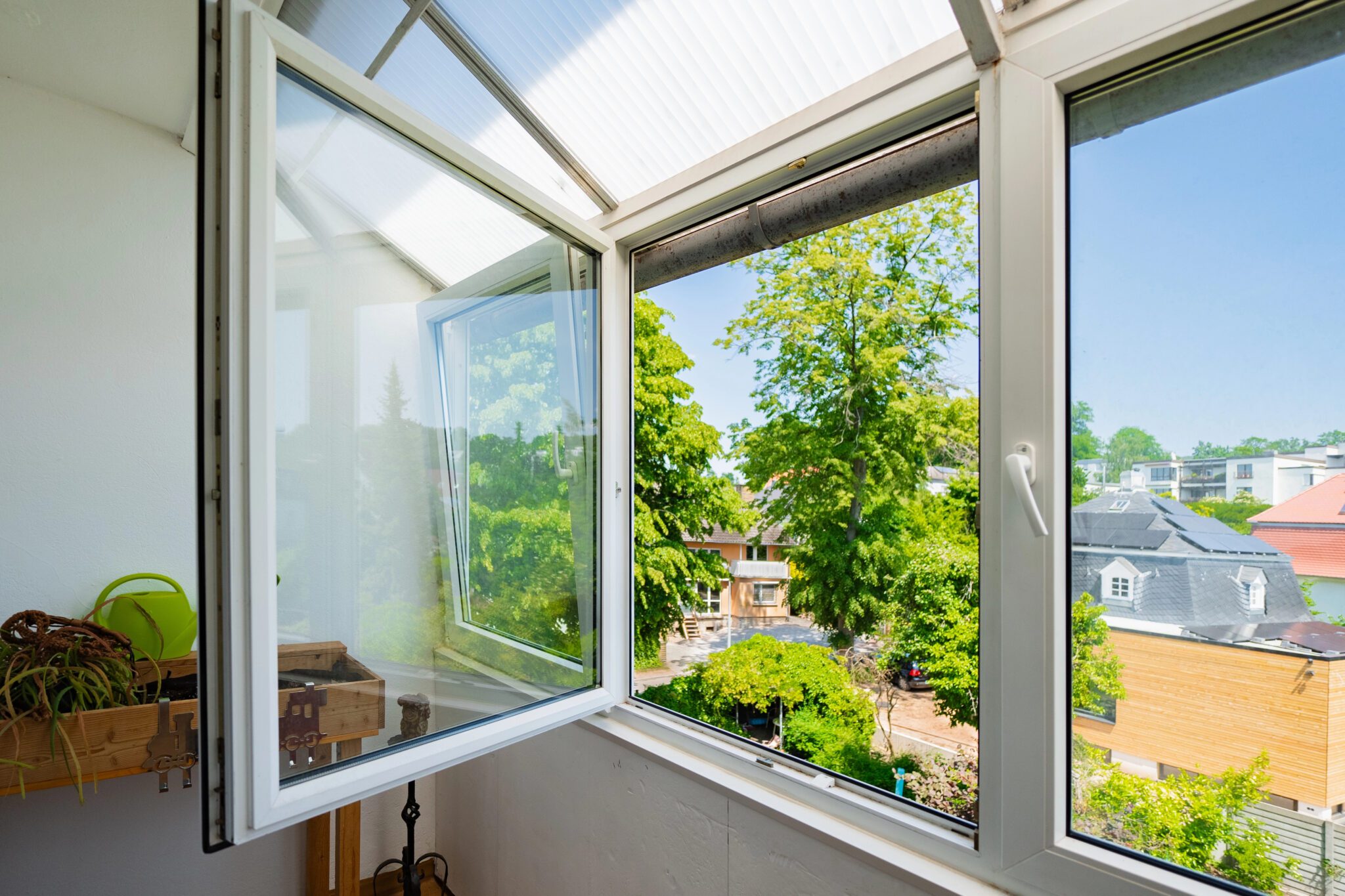
On cooler days, enhance home comfort by utilizing natural ventilation through open windows in the evening and early morning, allowing fresh, cooler air to circulate and replace warm indoor air. Cross-ventilation works best with opposing windows to increase airflow and lower temperatures. Employ window or box fans to expel hot air and invite cooler air, and run ceiling or attic fans at night to eliminate residual heat. Additionally, schedule heat-generating activities during cooler times to minimize indoor warmth, contributing to energy savings and improved cooling.
Install Smart Thermostats
Smart thermostats automatically adjust your home’s temperature based on your schedule and comfort preferences, optimizing energy use by running the AC only when needed. They offer energy reports and remote control via smartphones, giving homeowners better control and reducing cooling costs by up to 10% yearly. Use zoning features and sensors to customize cooling for different areas, focusing on frequently used spaces, and coordinate scheduling with peak hours for maximum savings. Reviewing data can identify further energy-saving opportunities.
Implement Strategic Landscaping
Your yard landscaping influences your home’s temperature. Planting shade trees, shrubs, or installing awnings reduces sunlight and heat absorption. Deciduous trees offer summer shade and winter sunlight. Small changes like vines on sunny walls also help lower indoor temperatures, boosting natural cooling. Using ground covers or reflective gravel near your home further cools the surroundings. Opt for native, drought-resistant plants that use less water, supporting sustainable cooling. These landscaping strategies conserve energy, beautify, and promote ecological health.
Schedule Regular HVAC Maintenance
An efficiently running HVAC system enhances cooling effectiveness and reduces energy use. Routine maintenance, cleaning or replacing filters, checking duct leaks, and inspecting refrigerant levels, prevents system breakdowns and costly repairs, while maximizing performance. Homeowners should have their systems professionally checked annually and keep the area around units clear of debris. Replacing air filters every 1 to 3 months improves airflow and indoor air quality. Proactive maintenance helps avoid unexpected breakdowns, ensuring comfort throughout the summer.
Consider Renewable Energy Sources
Homeowners may also look into harnessing renewable energy to offset cooling costs. Solar panels can generate significant power during Kentucky’s bright, sunny summers, reducing electricity costs and dependence on fossil-fuel-based generation. With federal and state incentives still available, solar installations are growing in popularity for both new and existing homes. Making this investment not only promotes sustainability but can also increase property value over time.
Pairing solar arrays with battery storage systems can further bolster energy independence, storing excess power for cloudy days or periods of high demand. Additionally, consider smaller-scale solutions, such as solar-powered attic fans or solar window coverings, as cost-effective alternatives to full solar panel installations. Exploring all options enables homeowners to choose the right renewable solutions for their specific needs and budgets.
Leverage Community Resources
When extreme heat events occur, local resources are available to support. Nearby cities like Lexington open cooling centers to protect vulnerable residents during heatwaves, providing shelter and relief. Checking with Union services can help find similar options. Community organizations also offer educational workshops or incentives for green home improvements, like discounted energy audits or rebates. These programs reduce costs and provide useful expertise. Utilizing these resources helps tackle summer heat efficiently and sustainably. Embracing green cooling methods enhances comfort and contributes to a sustainable community. Exploring these steps ensures a cool home while caring for the environment.
Conclusion
Keeping your home cool and energy-efficient in warmer months involves smart upgrades, regular maintenance, and mindful habits. Key strategies include improving insulation, sealing air leaks, and upgrading to energy-efficient appliances to minimize energy loss and cooling costs. Behavioral adjustments like natural ventilation and managing heat-generating activities enhance indoor comfort. Modern solutions such as smart thermostats, strategic landscaping, and renewable energy systems optimize energy use. Consistent HVAC maintenance ensures efficiency and prolongs equipment lifespan, while utilizing community resources during extreme heat can offer support and savings. Combining these approaches fosters a sustainable, comfortable, and cost-effective living environment.
photo by depositphotos