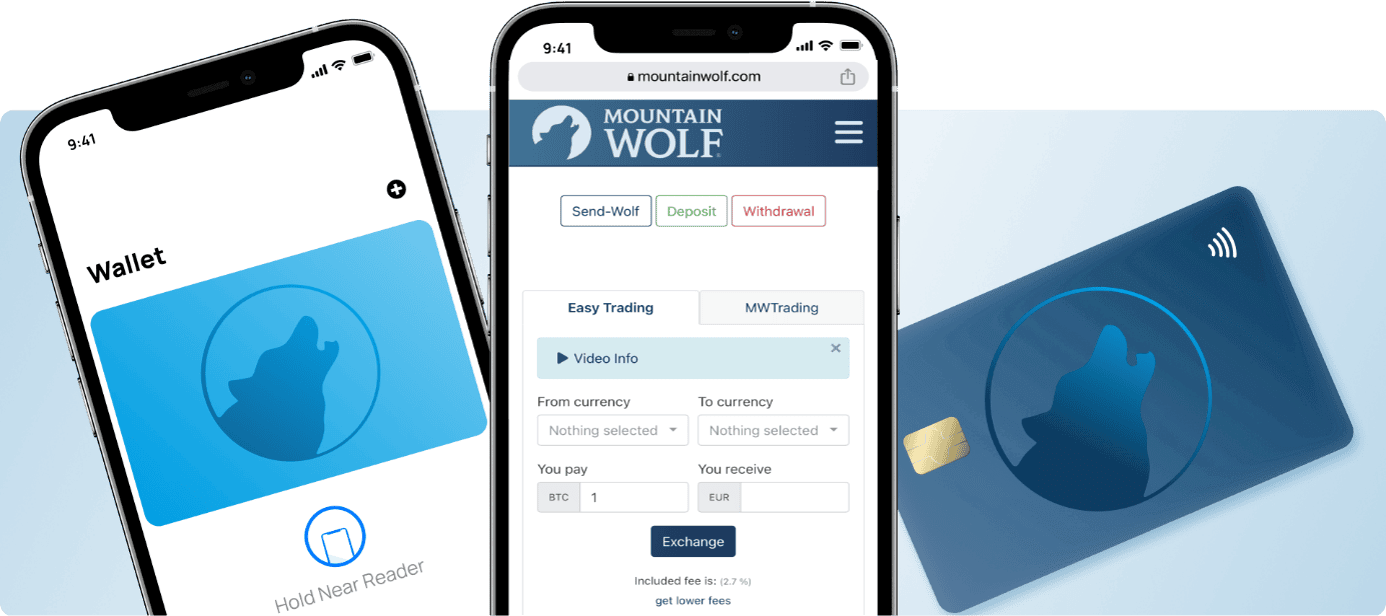
Crypto has long been associated with movement: rising markets, falling markets, sudden momentum, and constant discussion about price. For years, that volatility defined how many people understood digital assets. But the market is maturing, and so is the conversation around it. Increasingly, the focus is shifting away from price alone and toward utility. People are asking a more practical question now: what can crypto actually do in everyday life?
That change matters because adoption rarely grows on excitement alone. New technologies become more meaningful when they solve ordinary problems. In digital finance, that means helping people access funds faster, spend more easily, and move between digital value and real-world commerce without unnecessary friction. This is where the Crypto Card has started to gain attention as a practical Web3 tool rather than just a niche product.
A Shift From Watching to Using
There is a big difference between owning something and using it. That is especially true in finance. Holding digital assets may offer opportunity, but spending them creates relevance. A Crypto Card helps make that leap possible by turning crypto into something functional in everyday situations.
In simple terms, a Crypto Card allows users to spend cryptocurrencies in real life. That includes internet shopping, point-of-sale payments, and even withdrawing cash from ATMs. Instead of keeping digital assets locked in a separate mental category, the card helps connect them to familiar consumer habits. That makes the experience easier to understand for a wider audience.
The growing interest in this model reflects a wider trend in personal finance. Users increasingly want access, flexibility, and speed. They do not want money to feel stuck in one format or one system. They want financial tools that are ready when needed.
Everyday Finance Is Becoming More Flexible
This shift is not only about crypto. Across the broader market, consumers are moving toward tools that reduce waiting time and simplify payment experiences. From mobile wallets to instant transfers, the direction is clear: finance is becoming more responsive to everyday life.
That neutral development helps explain why Crypto Cards are becoming more relevant. They fit into an environment where practicality matters more than technical jargon. People are not necessarily looking for complexity. They are looking for smoother ways to manage value across online purchases, subscriptions, travel, and daily spending.
In that sense, innovation is no longer defined only by invention. It is defined by usability. The strongest products are often the ones that make advanced systems feel simple.
Why Versatility May Matter More Than Volatility
Payment provider Mountain Wolf touches this development with a Crypto Card designed around convenience and real-time access. After verification, the card is instantly ready, which aligns with modern expectations for fast onboarding. It is also compatible with Apple and Google Pay, allowing users to integrate it into existing payment routines. Another practical feature is the ability to top up in real time from any crypto wallets, helping users move quickly from stored value to active spending.
What makes this important is the broader direction of Web3 itself. The next stage of growth will likely come from tools that feel useful in ordinary moments, not only exciting in extraordinary ones. A Crypto Card supports that shift by giving digital assets more everyday purpose.
That is why the move from volatility to versatility matters. It signals a more mature phase of adoption, where crypto is valued not only for market potential, but also for real-world function. After that practical shift becomes visible through Mountain Wolf and the growing role of the Crypto Card, even adjacent digital lifestyle purchases, such as browsing celebrity sunglasses, reflect the same expectation: immediate access, smooth checkout, and finance that works in the moment.