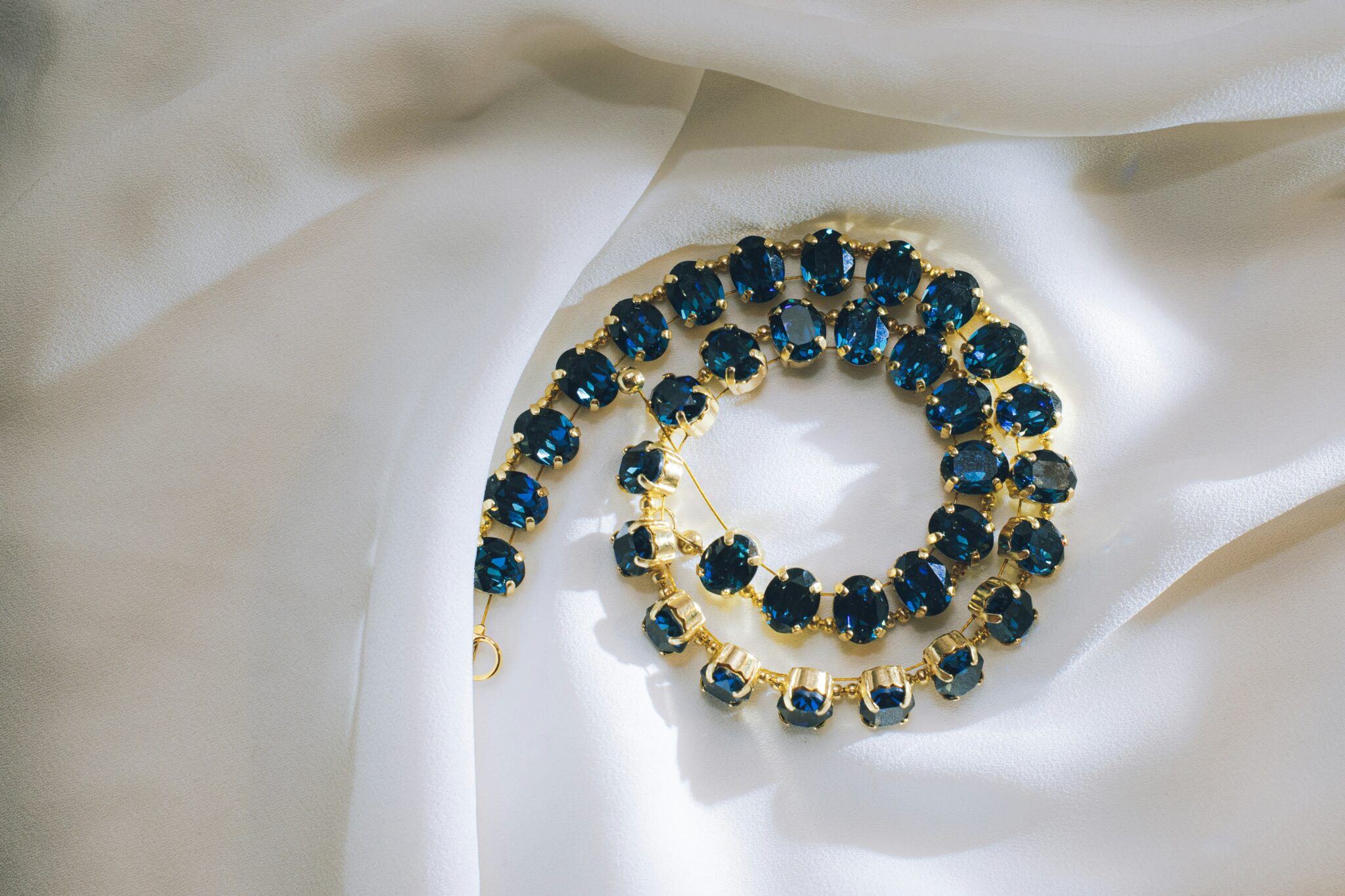
Owning a high-end jewelry collection is about more than just fashion. These pieces represent wealth, history, and personal milestones. Keeping them safe requires a plan that goes beyond a heavy safe. You need to think about market trends, physical care, and legal safety. Protecting your investment means staying active in how you manage your assets. This guide looks at how to keep your collection valuable for years to come.
The Global Market for Luxury Pieces
A market study from DeepMarketInsights looked at the growth of this sector recently. In 2024, the global luxury jewelry and watch market hit a value of $310 billion. Experts predict it will reach $460 billion by 2030. This rise shows that fine jewelry is a solid choice for people looking to grow their wealth. As prices go up, the need for better protection grows too.
The demand for rare gems and precious metals is not slowing down. More buyers are entering the market from different parts of the world. High demand often leads to higher prices for the most sought-after pieces. If you own rare items, their value may climb as the market grows. You should keep an eye on these global trends to understand what your collection is worth.
Fine jewelry often acts as a hedge against inflation. When the value of cash goes down, hard assets like gold and diamonds tend to stay strong. Investors see these items as a safe place to put their money. This mindset drives the market higher every year. Owning a piece today could mean having a much more valuable asset in the next decade.
Why Brand Rarity Matters
International brands like Hermès and Audemars Piguet stay at the top by being hard to find. A piece in IMD mentioned that these companies focus on rarity and exclusivity to keep their value high. They make products that are meant to be kept for a long time. These items are not just for wearing but for investing. People buy them as they expect the price to go up over the years.
When a brand limits how many items it makes, the secondary market becomes very active. Collectors will often pay a premium for a piece that is no longer in stores. This exclusivity is a big part of why luxury jewelry holds its value so well. You are not just buying gold or stones; you are buying a piece of a brand’s legacy. This legacy is what helps your investment grow over the decades.
Brand history plays a huge role in the price of an item. A piece from a house with a long story can sell for much more at auction. Collectors love the prestige that comes with a famous name. This demand stays high even when the economy is slow. Investing in top names is a smart move for any serious collector.
Growing Wealth and Jewelry Investments
Wealth creation around the world is a big reason for the jewelry boom. Research from 24MarketReports found that there are more high-net-worth individuals today than in the past. These people have over $1 million in assets and often buy luxury goods. This trend keeps the demand for high-end diamonds and gold very strong. If you own these pieces, you are part of a growing group of global investors.
Many investors choose jewelry as a way to spread out their risk. It is a physical asset that you can hold and move easily. Unlike stocks or bonds, jewelry has a beauty you can enjoy while its value grows. As more people join the ranks of the wealthy, competition for the best pieces will rise. This competition is good news for anyone who already has a solid collection.
The rise of wealth in new regions has changed the market. Buyers in Asia and the Middle East are now big players in the luxury scene. They often look for rare stones and heavy gold pieces. This global interest makes sure that your jewelry has a market anywhere in the world. It is a truly international asset that speaks every language.
Keeping Valuations Current
Markets change fast, so you should check the value of your pieces often. An article on Artnet suggests updating your insurance coverage every 2 to 3 years. This helps you keep up with market shifts. If you wait too long, your insurance might not cover the full cost to replace a piece. Keeping your paperwork current is a smart way to protect your money.
Inflation and changes in the price of gold can affect your collection. A ring you bought five years ago might be worth much more today. If your insurance is based on the old price, you are at risk. A new appraisal gives you the proof you need to get the right coverage. It is a small step that can save you from a huge financial loss later.
Professional appraisers use modern tools to find the exact value of your gems. They look at the color, cut, and clarity of every stone. They also check the current price of the metal used in the setting. Having a clear report makes it much easier to deal with insurance companies. It also gives you a clear picture of your total net worth.
Physical Protection and Storage
Storing your items the right way is just as important as buying them. A guide by the GIA warns against putting pearls in plastic bags. Plastic can give off a chemical that ruins the surface of the gem. Instead, use a soft cloth pouch or a lined box. This keeps the air moving and prevents damage to the delicate organic material.
Humidity and light can harm your collection over time. Some stones can fade if they sit in the sun for too long. Metal can tarnish if the air is too damp. You should look for a storage spot that is cool, dark, and dry. A high-quality jewelry box with a soft lining is a great choice for daily storage.
- Keep items in a cool, dark place.
- Avoid plastic storage bags for gems.
- Use separate pouches for each piece.
The Practical Side of Daily Care
Dirt and oils from your skin can dull the shine of your favorite rings. Using a quality jewelry cleaner helps remove grime without scratching the metal. Regular maintenance prevents the buildup that leads to permanent damage. You should check the settings on your diamonds every few months. A loose prong can lead to a lost stone very quickly.
Cleaning your jewelry at home is easy if you have the right tools. You can use a soft brush to get into small gaps. Make sure you use a solution that is safe for your specific type of stone. Some cleaners are too harsh for soft gems like opals or pearls. Taking five minutes to clean your pieces will keep them looking new for years.
Legal Protections for Unique Designs
Designers work hard to create pieces that look like nothing else. An article from itsartlaw.org explains that copyright can protect the unique patterns and shapes of jewelry. This legal tool helps keep the artistic value of a piece safe. It prevents others from making cheap copies of your rare items. Knowing your piece is legally protected adds a layer of security to your collection.
If you own a piece from a famous designer, the design itself has value. Counterfeit items can hurt the market for real luxury goods. By protecting designs, the law helps maintain the high price of authentic pieces. You should keep all certificates of authenticity that come with your jewelry. These papers prove that your piece is the real deal and help with its resale value.
Understanding Insurance Supervision
Insurance is a big part of protecting any luxury asset. The IAIS explains that insurance rules are there to keep the market safe and fair for policyholders. These laws make sure that companies can pay out if you ever have a loss. It gives you peace of mind to know the system is regulated. You can trust that your coverage will be there when you need it.
When you look for a policy, check if the company follows these global standards. A good policy will cover theft, loss, and even accidental damage. You should understand the difference between a replacement cost policy and a cash value policy. One gives you a new item, while the other gives you the money it was worth. Knowing these details helps you pick the best plan for your needs.
Tracking and Recovering High-Value Assets
If a piece is stolen, law enforcement has ways to track it down. A report from the FATF notes that authorities have special channels to find and trace criminal property. This includes items of high value like jewelry. They can follow the trail of an item across borders. This makes it harder for thieves to sell stolen luxury goods on the open market.
You can help this process by keeping detailed records. Take clear photos of your jewelry from different angles. Write down any unique marks or serial numbers on the metal. If you have a police report, these details make it easier for them to search. Modern technology also allows for tiny laser inscriptions on diamonds that are invisible to the eye.
Security Protocols for Private Homes
A heavy safe is the first line of defense for most collectors. You should choose a safe that is bolted to the floor or a wall. This prevents a thief from simply carrying the whole box away. Look for safes with a high fire rating to protect your items from heat. Electronic locks are popular, but some people still prefer a manual dial.
Beyond a safe, a home alarm system is a smart move. Sensors on windows and doors can alert you to a break-in. Some systems even have sensors that detect the sound of breaking glass. You might also want to use cameras that you can check from your phone. These tools make your home a harder target for anyone looking to steal your wealth.
The Role of Professional Appraisals
Getting a professional to look at your jewelry is key to knowing its true value. An appraiser has the tools to check the clarity of stones and the purity of metals. They will give you a signed document that lists every detail of the piece. This paper is what your insurance company will need to set your rates. It is also a great tool if you ever decide to sell an item.
Try to find an appraiser who is certified by a group like the GIA. These pros follow strict rules and have years of training. They can spot a fake stone that a normal person might miss. An appraisal should be more than just a price tag. It should be a full history and description of your piece of art.
Managing Your Jewelry Inventory
Keeping a list of everything you own is a smart habit. You can use a simple notebook or a digital app to track your pieces. List the date you bought each item and what you paid for it. Include the appraisal documents and any receipts from repairs. If your collection is large, this list helps you stay organized.
- Take photos of every piece.
- Keep digital copies of appraisals.
- Update your list after every new purchase.
A digital inventory is great, as you can back it up in the cloud. If your house is damaged, you can still access your records from anywhere. You can also share this list with your lawyer for estate planning. Knowing exactly what you have makes it easier to manage your wealth. It also helps your family if they ever need to handle your collection.
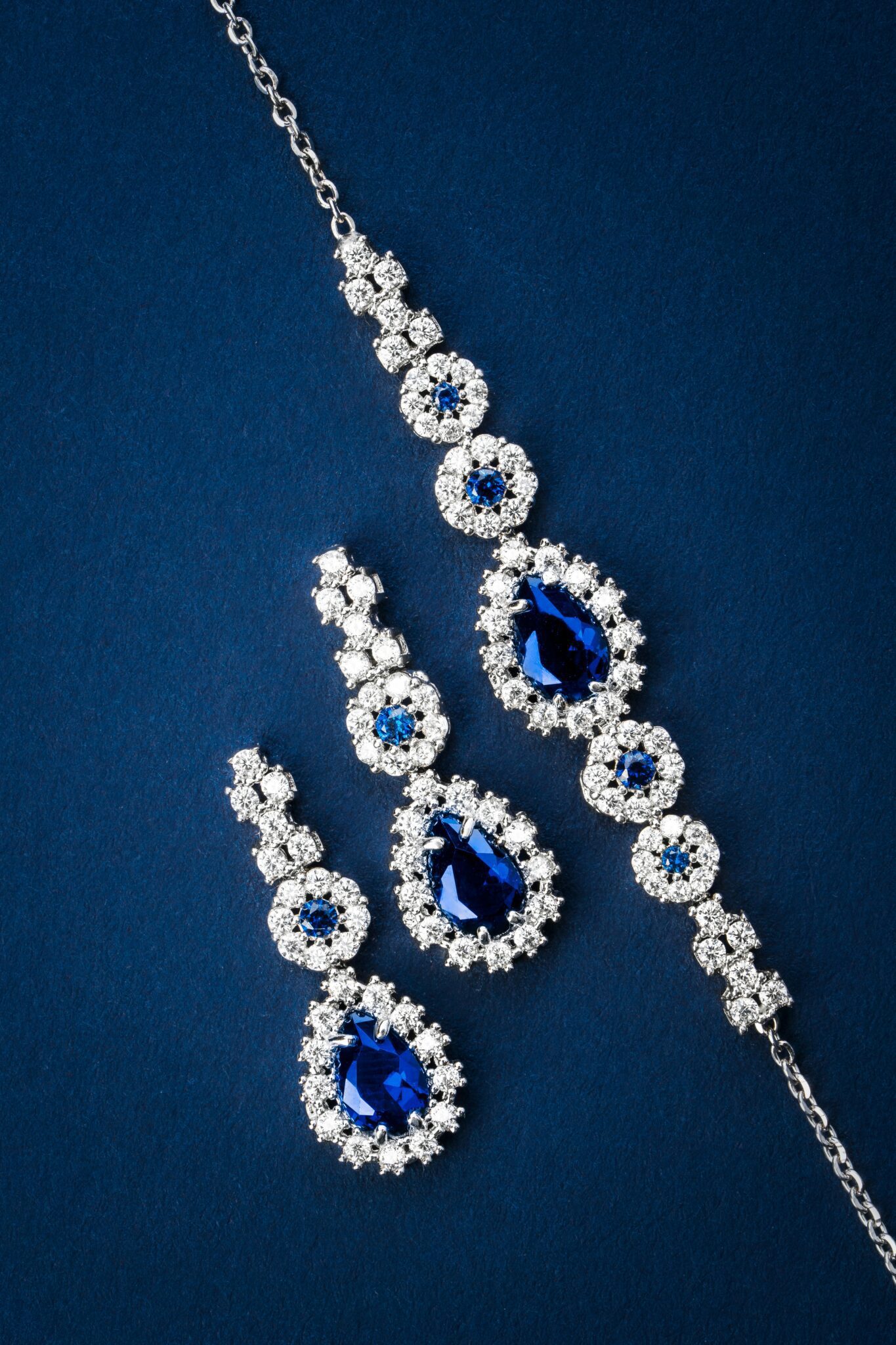
Protecting a luxury jewelry collection is a job that never ends. It takes a mix of good storage, regular care, and smart legal steps. By watching market trends and keeping your paperwork current, you stay ahead of any risks. Your pieces are more than just items in a vault; they are a part of your financial legacy. Treat them with the respect they deserve, and they will hold their value for a lifetime.