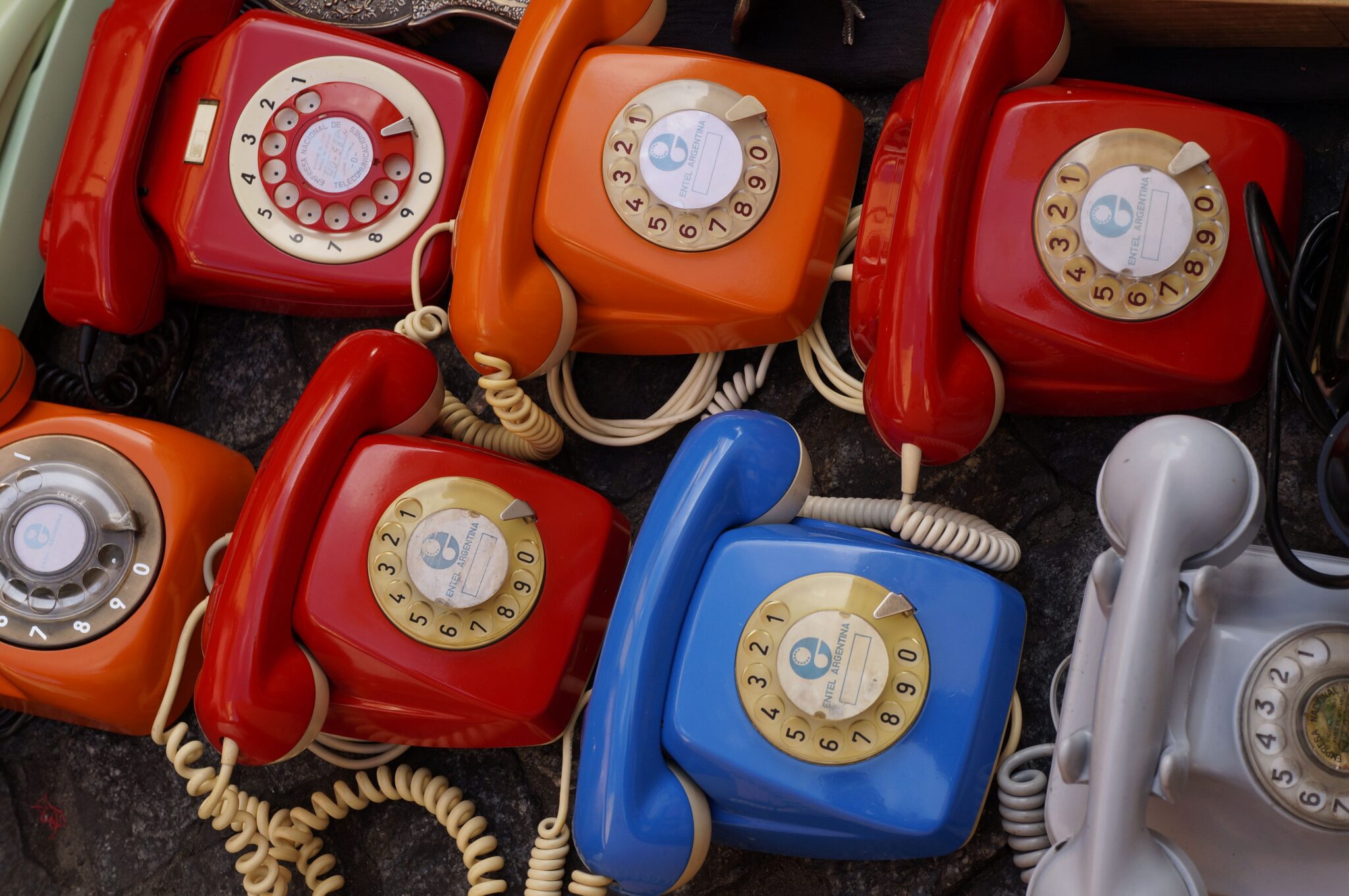
As technology continues to evolve, traditional landlines are gradually being replaced by more flexible and modern communication options. One of the most practical alternatives today is the 4G home phone—a device that combines the familiarity of a classic home telephone with the convenience of mobile network technology.
Whether you’re looking for a simpler setup, better accessibility, or a backup communication option, 4g home phone are becoming increasingly popular in modern households.
What Is a 4G Home Phone?
A 4G home phone is essentially a landline-style device that uses a mobile 4G network instead of a fixed telephone line. Unlike traditional home phones that rely on copper wiring or broadband connections, this type of phone works by inserting a SIM card, similar to a mobile phone.
It typically uses Voice over LTE (VoLTE), allowing calls to be transmitted over the 4G network as digital data. This means you don’t need a wall socket, modem, or technician installation—just plug the device into power, insert a SIM card, and start calling.
How 4G Technology Powers Home Communication
4G, or fourth-generation mobile technology, is designed to deliver faster speeds, better connectivity, and clearer voice quality compared to older networks like 3G.
For home phones, this translates into:
- More stable call connections
- Clearer audio quality
- The ability to handle voice and messaging efficiently
Because many regions are phasing out older networks, 4G has become the standard for reliable voice communication moving forward.
Key Benefits of Using a 4G Home Phone
No Need for a Fixed Line
One of the biggest advantages is that you don’t need a traditional landline connection. This eliminates installation delays, line rental fees, and complicated setups.
Simple Setup and Portability
Setting up a 4G home phone is quick and straightforward. Since it operates on a mobile network, you can place it anywhere with signal coverage. This makes it ideal for renters, small homes, or even temporary living situations.
Familiar Design with Modern Features
Despite using advanced technology, most 4G home phones retain the classic design of a desk phone. Many models include:
- Large, easy-to-press buttons
- Clear displays
- Loud speakers for better hearing
- Speed dial and messaging functions
This makes them especially user-friendly for people who prefer a traditional phone experience.
Useful Safety Features
Some 4G home phones include emergency features such as SOS buttons that can quickly contact pre-set numbers or send alerts. These features provide added peace of mind, particularly for households with elderly members.
Works During Power Interruptions
Unlike many internet-based phone systems, certain 4G home phones come with built-in backup batteries. This allows them to continue functioning during power outages, as long as the mobile network is still available.
Cost Efficiency
Because there’s no need for a fixed line or broadband service, users can potentially reduce monthly expenses by switching to a SIM-based calling plan.
Who Can Benefit Most from a 4G Home Phone
Seniors and Accessibility-Focused Users
The combination of large buttons, loud audio, and simple interfaces makes 4G home phones ideal for older adults or anyone who prefers an easy-to-use device.
Families Wanting a Shared Contact Number
A dedicated home phone number can still be useful for households that want a central contact point without relying on individual mobile phones.
Rural or Remote Residents
In areas where wired infrastructure is limited or unreliable, 4G home phones provide a practical communication solution using mobile network coverage.
Minimalist Users
For those who don’t need smartphones or complex technology, a 4G home phone offers a straightforward way to stay connected.
Things to Consider Before Choosing One
Network Coverage
Since the device relies on mobile networks, signal strength in your area plays a major role in performance.
SIM Plan Costs
While you save on landline fees, you’ll need a mobile plan for calls and texts, so it’s important to choose one that suits your usage.
Features and Accessibility
Different models offer varying features such as Bluetooth, messaging, or emergency functions. Consider what matters most for your household.
Future-Proofing
With older networks being phased out, choosing a 4G-compatible device ensures longer usability and better support.
Conclusion
4G home phones represent a smart evolution of traditional communication. By combining the simplicity of a landline with the flexibility of mobile technology, they offer a reliable, cost-effective, and user-friendly solution for modern homes. Whether you’re looking for convenience, accessibility, or a backup communication option, a 4G home phone is a practical choice that meets the needs of today’s connected lifestyle.