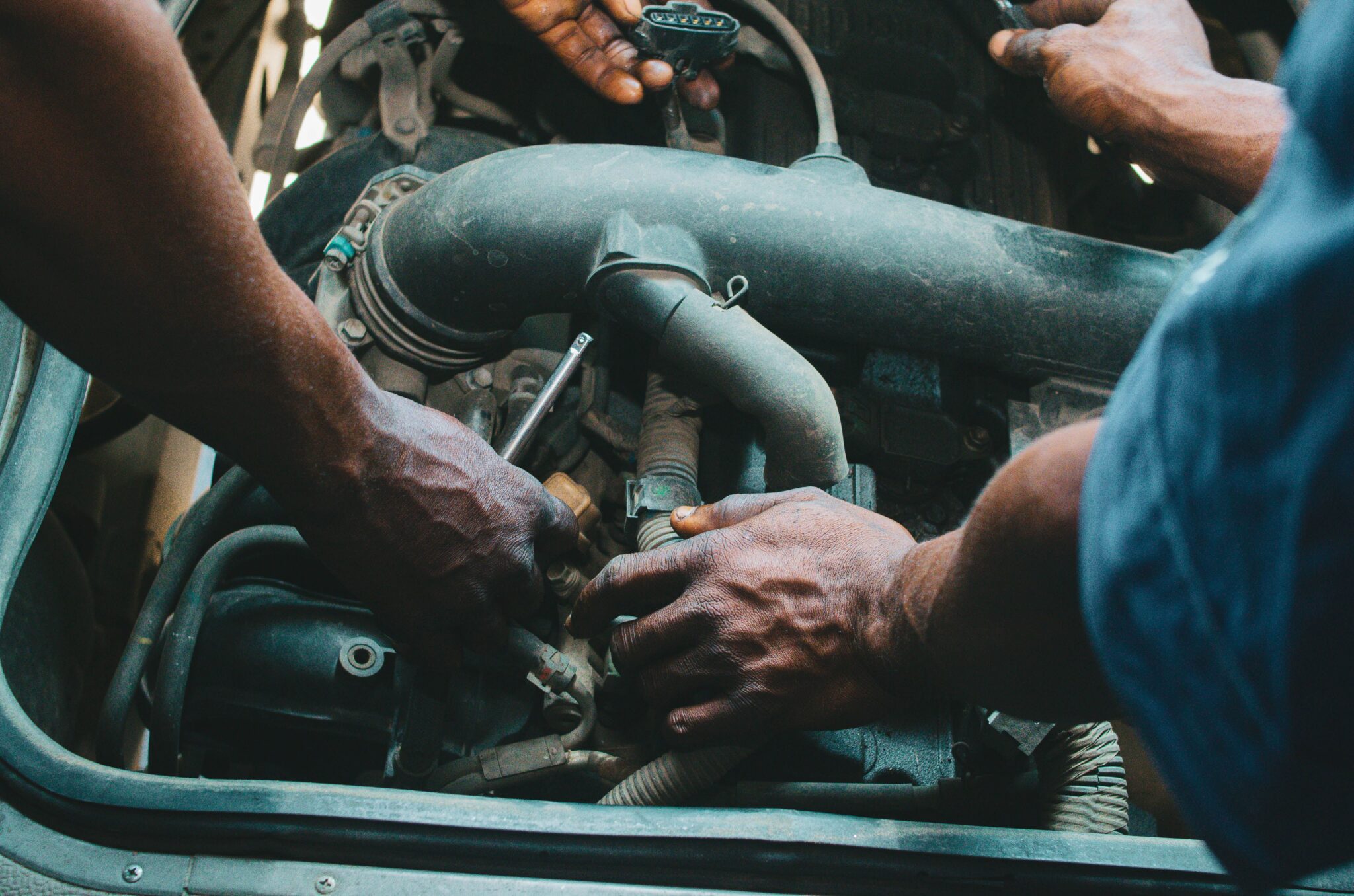
If you own a vehicle from the Volkswagen Audi Group (VAG), such as a Volkswagen, Audi, Skoda, or SEAT, you’ve likely come across the term “VAG service.” While it may sound technical, it simply refers to the maintenance and servicing approach tailored to these European-engineered vehicles. Understanding how a vag service works can help you keep your car running smoothly, avoid costly repairs, and maintain its long-term value.
This guide breaks down the essentials of VAG service in a clear and practical way, especially for everyday drivers who want to make informed decisions about their vehicle care.
What Is a VAG Service?
VAG service refers to maintenance and repairs designed specifically for vehicles produced by the Volkswagen Audi Group. These cars often share similar engineering platforms, technologies, and diagnostic systems, which means they benefit from specialized servicing methods.
Unlike generic servicing, VAG service typically involves:
- Manufacturer-specific diagnostic tools
- Knowledge of European vehicle systems
- Use of approved parts and fluids
- Adherence to brand-recommended service intervals
This tailored approach helps ensure that the vehicle performs as intended and meets safety and efficiency standards.
Why Specialized Servicing Matters
Advanced Engineering and Technology
VAG vehicles are known for their advanced features, including turbocharged engines, dual-clutch transmissions (DSG), and sophisticated electronics. These systems require precise handling and expertise.
A general mechanic may be able to perform basic tasks, but specialized servicing ensures that:
- Software updates are correctly applied
- Fault codes are accurately diagnosed
- Complex systems are maintained properly
Long-Term Cost Efficiency
While specialized servicing may seem more expensive upfront, it often prevents larger issues down the line. Early detection of problems, proper maintenance, and correct parts usage can reduce the risk of major breakdowns.
Common Services Included in VAG Maintenance
Routine Oil and Filter Changes
Regular oil changes are essential for engine health, especially in turbocharged engines common in VAG vehicles. Using the correct oil specification is critical, as these engines are designed with tight tolerances.
Brake System Checks
European vehicles often use high-performance braking systems. Routine inspections ensure that brake pads, discs, and fluid are in optimal condition.
Transmission Servicing
Many VAG cars are equipped with DSG or automatic transmissions that require periodic servicing. This includes fluid changes and system checks to maintain smooth shifting and prevent wear.
Diagnostics and Software Updates
Modern VAG vehicles rely heavily on onboard computers. Specialized diagnostic tools can identify hidden issues and ensure that all systems are updated and functioning correctly.
Timing Belt or Chain Maintenance
Depending on the model, timing components may need replacement at specific intervals. Ignoring this can lead to severe engine damage, making it one of the most critical services.
Signs Your VAG Vehicle Needs Attention
Even with regular servicing, it’s important to watch for warning signs that your car may need additional care.
Dashboard Warning Lights
Modern vehicles are equipped with sensors that trigger warning lights when something is wrong. Ignoring these can lead to bigger problems.
Unusual Noises or Vibrations
Strange sounds from the engine, brakes, or suspension may indicate wear or mechanical issues that need prompt attention.
Reduced Performance
If your car feels sluggish, struggles to accelerate, or consumes more fuel than usual, it may be time for a diagnostic check.
Fluid Leaks
Leaks under the vehicle can signal issues with oil, coolant, or transmission fluid. These should always be inspected quickly.
Choosing the Right Service Approach
Independent Specialists vs General Mechanics
For VAG vehicles, many owners prefer independent specialists who focus on European cars. These professionals often have:
- Experience with VAG-specific systems
- Access to proper diagnostic tools
- Familiarity with common issues across models
General mechanics may still be suitable for basic maintenance, but more complex work benefits from specialized knowledge.
Genuine vs Aftermarket Parts
Using high-quality parts is essential. While aftermarket components can be cost-effective, they should meet the same standards as original parts to ensure compatibility and performance.
Tips for Maintaining Your VAG Vehicle
Follow the Service Schedule
Every vehicle has a recommended service interval. Sticking to this schedule helps prevent wear and keeps systems running efficiently.
Use Quality Fuel and Fluids
European engines are often designed for higher-quality fuel and specific fluid grades. Using the right products supports engine longevity.
Keep Records of Maintenance
Documenting your service history not only helps track maintenance but also adds value if you decide to sell your car.
Address Issues Early
Small problems can quickly become expensive repairs if ignored. Prompt attention saves time and money.
Conclusion
VAG servicing is all about understanding the unique needs of Volkswagen Group vehicles and maintaining them with the right tools, knowledge, and care. While these cars offer excellent performance, comfort, and innovation, they also require a thoughtful approach to maintenance.
By staying informed, following service schedules, and choosing the right professionals when needed, you can keep your vehicle reliable and enjoyable for years to come. Whether you drive daily or occasionally, proper VAG servicing is an investment in both performance and peace of mind.