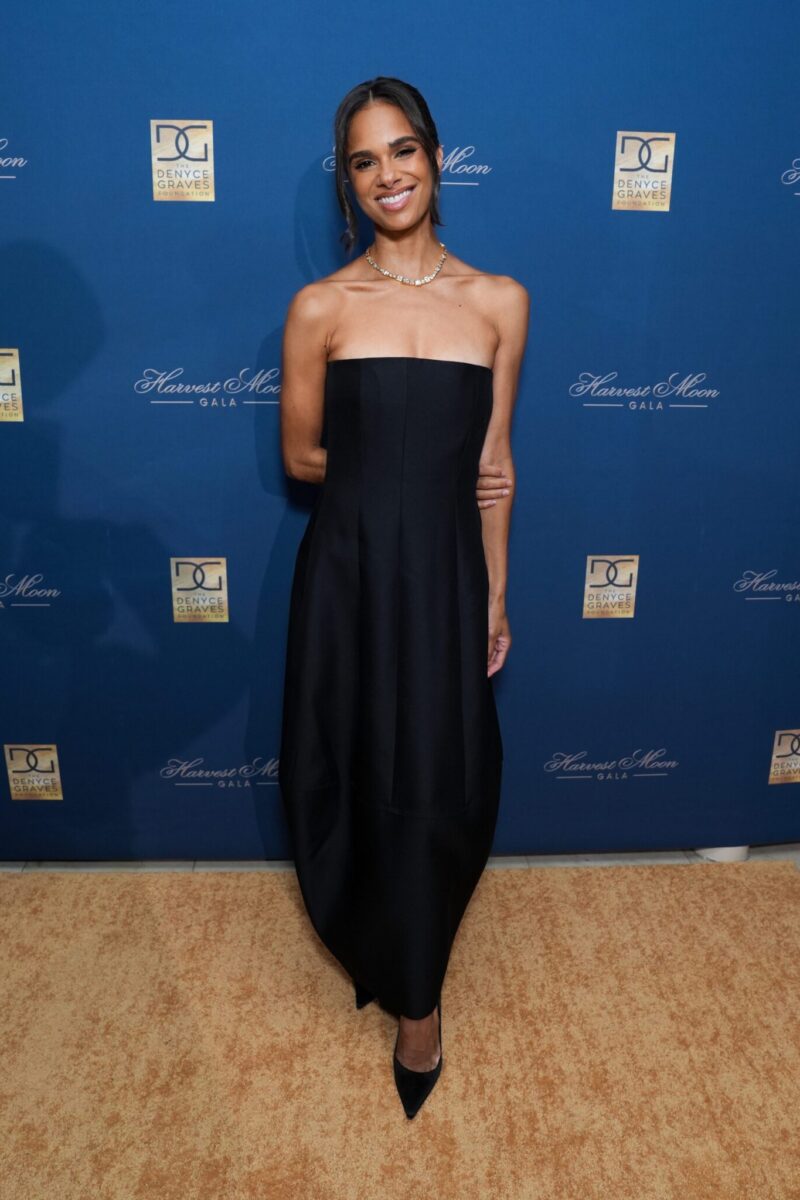
Misty Copeland, Yannick Nézet-Séguin and Ann Ziff were honored at a black-tie evening celebrating the artists, philanthropists and cultural leaders working to preserve history while creating opportunities for the next generation.
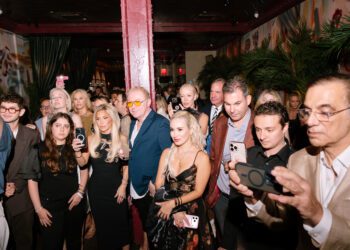
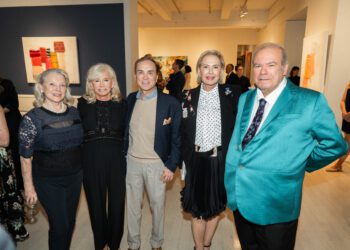
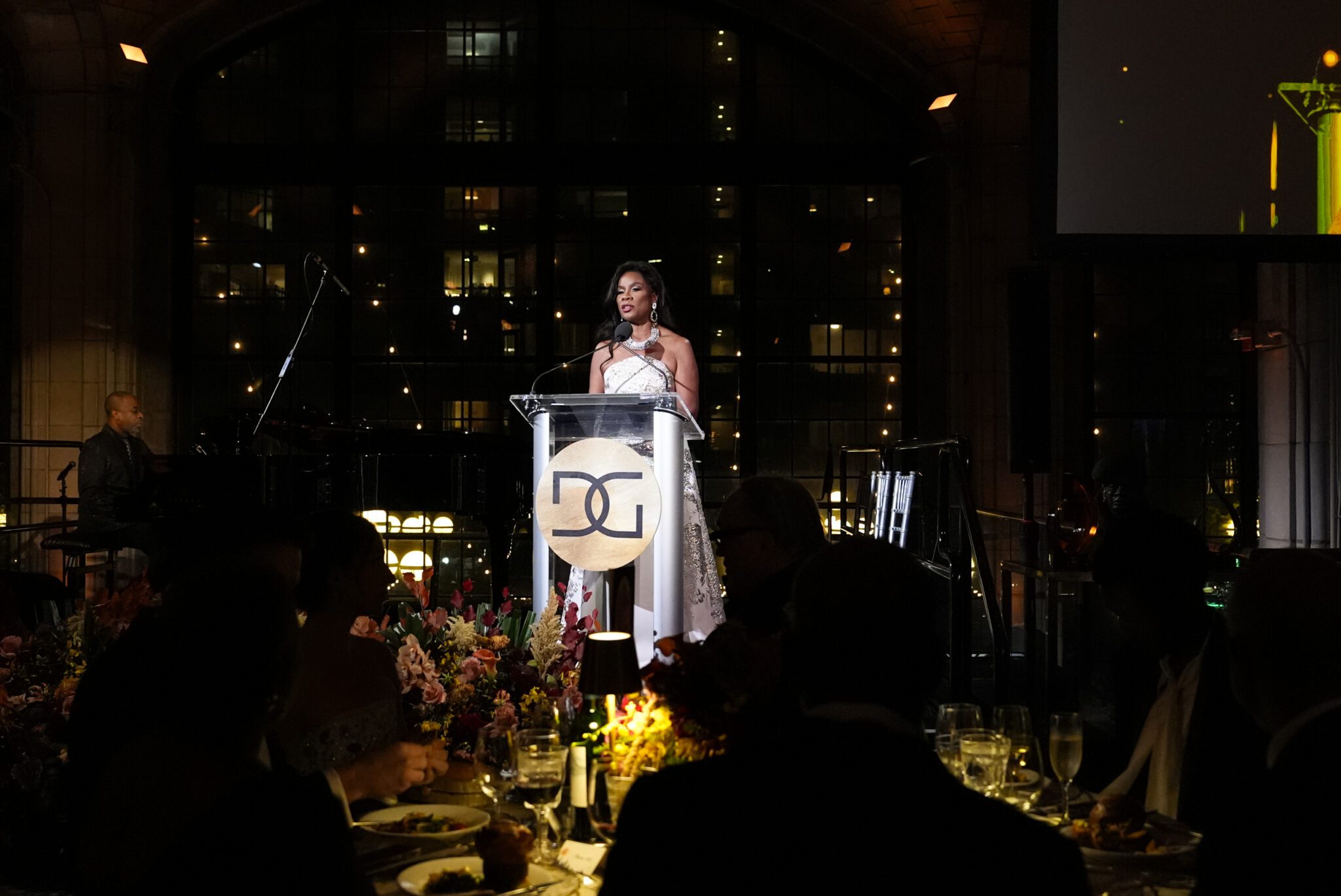
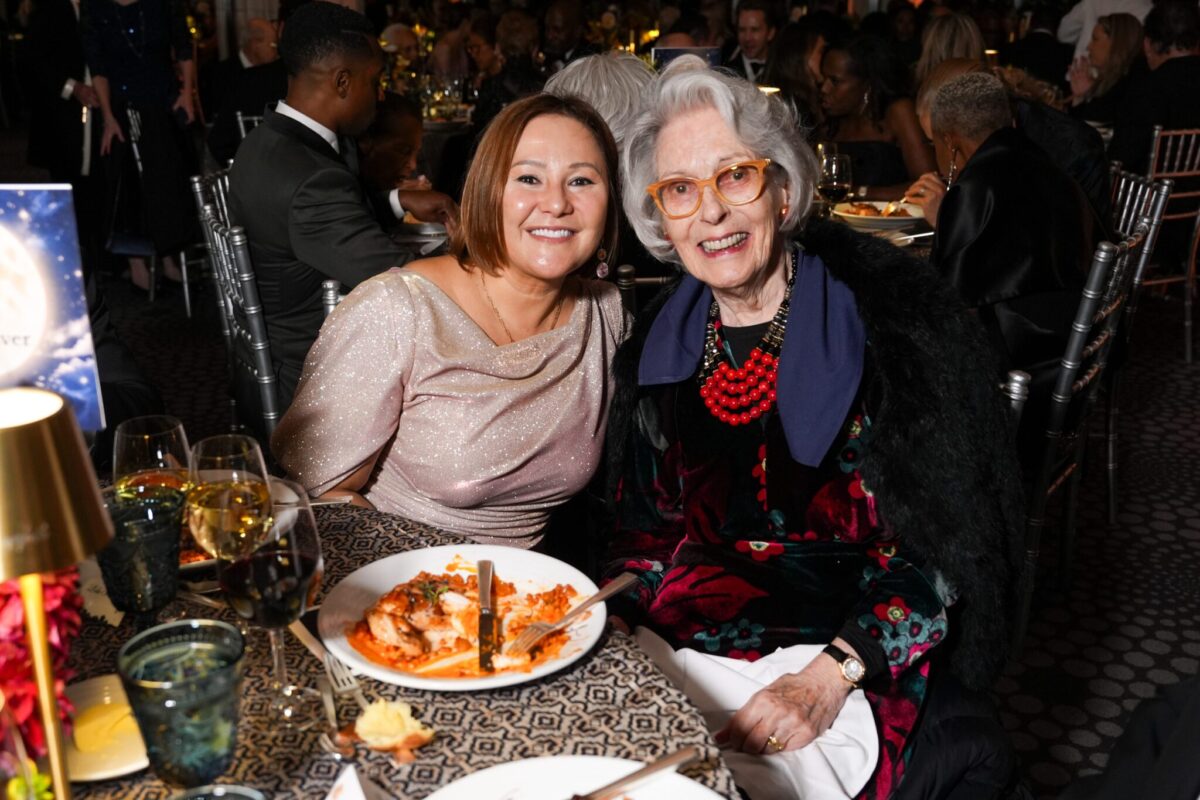
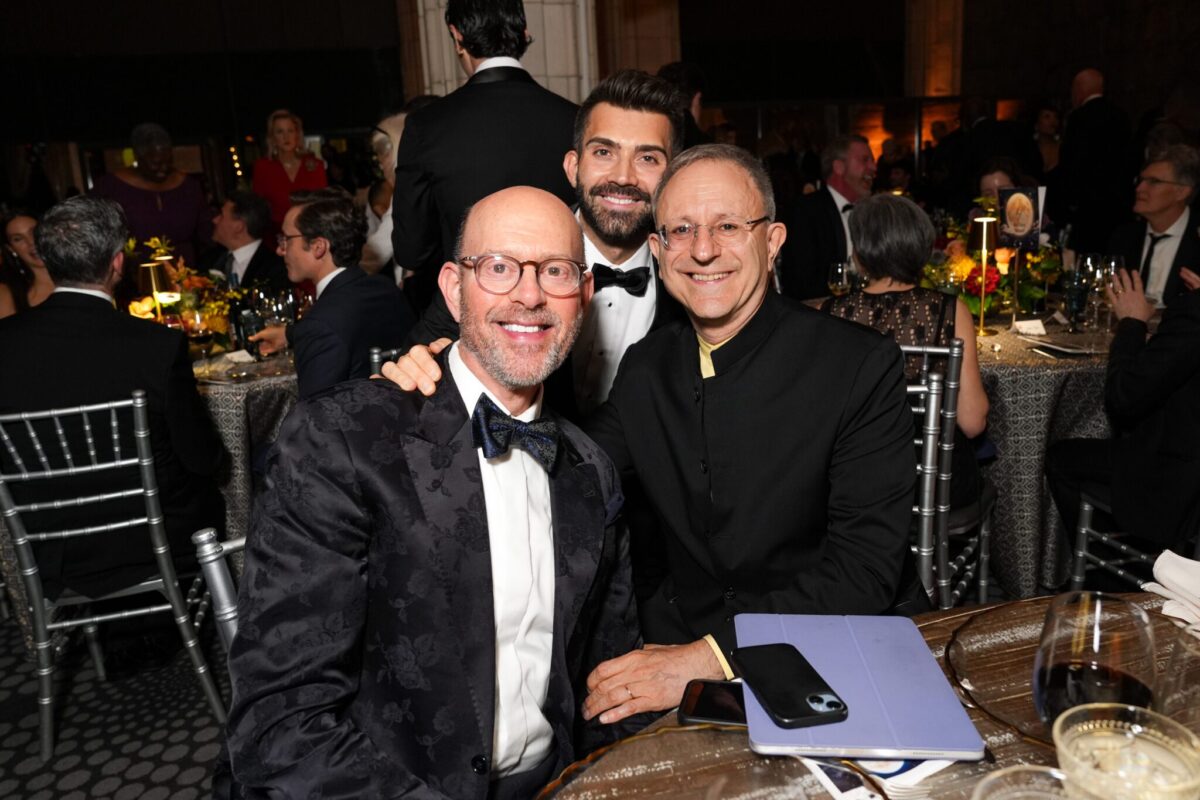
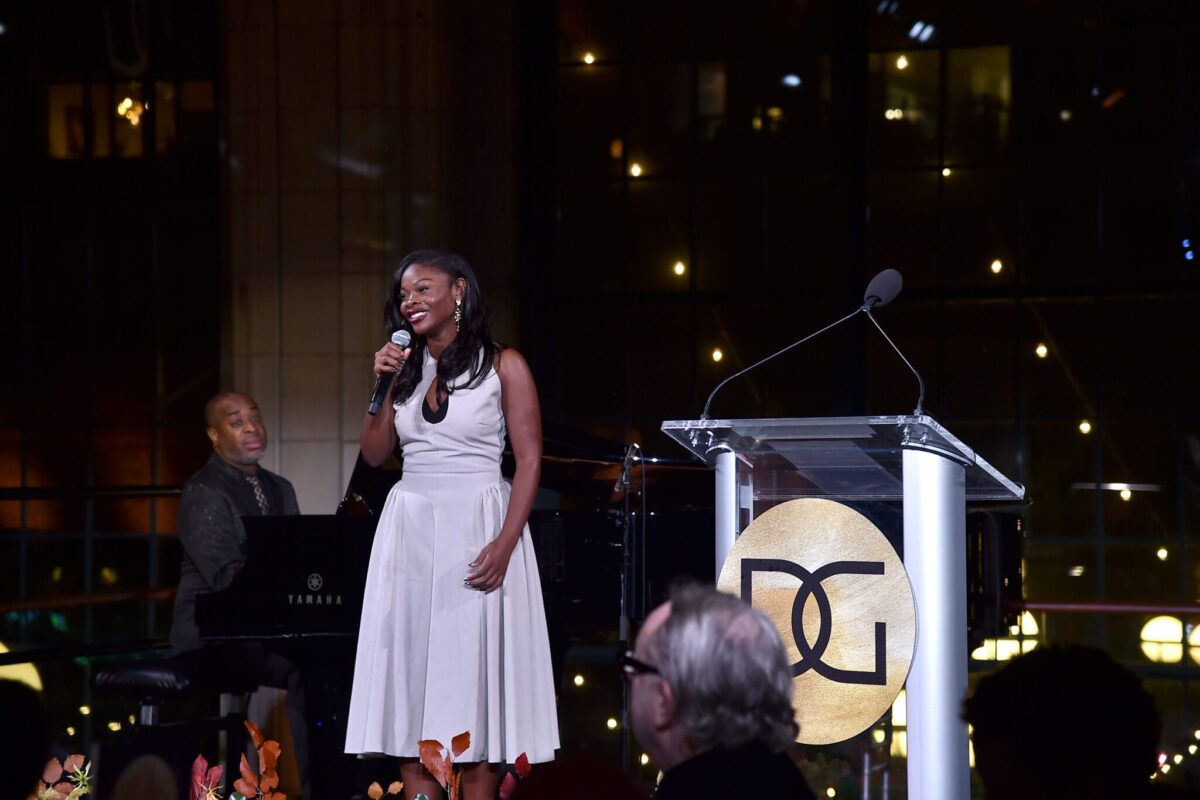
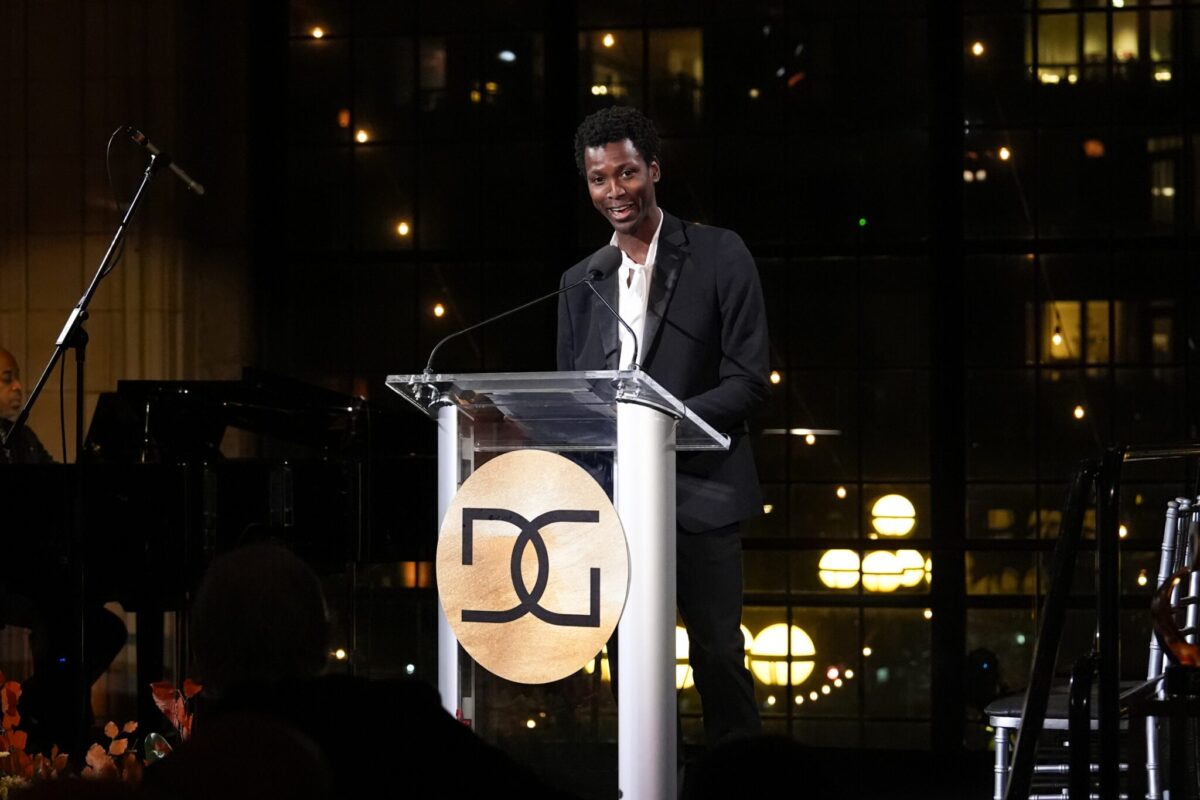
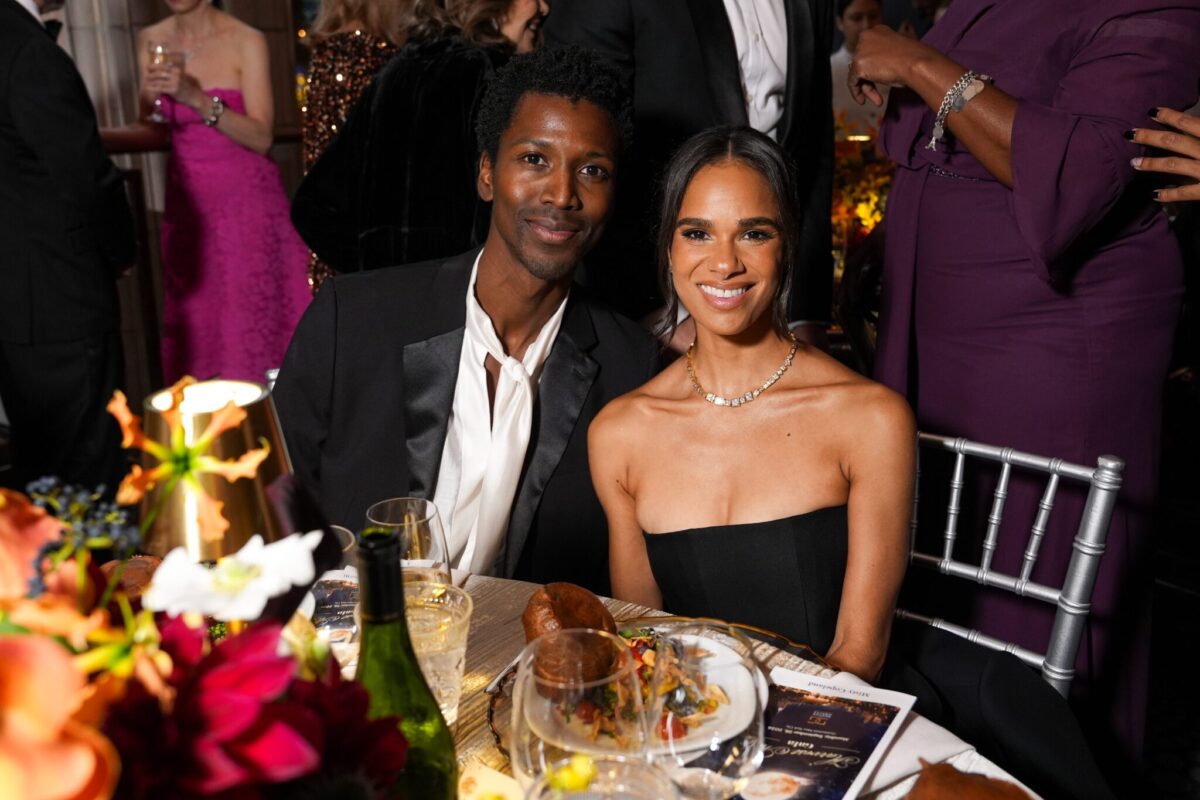
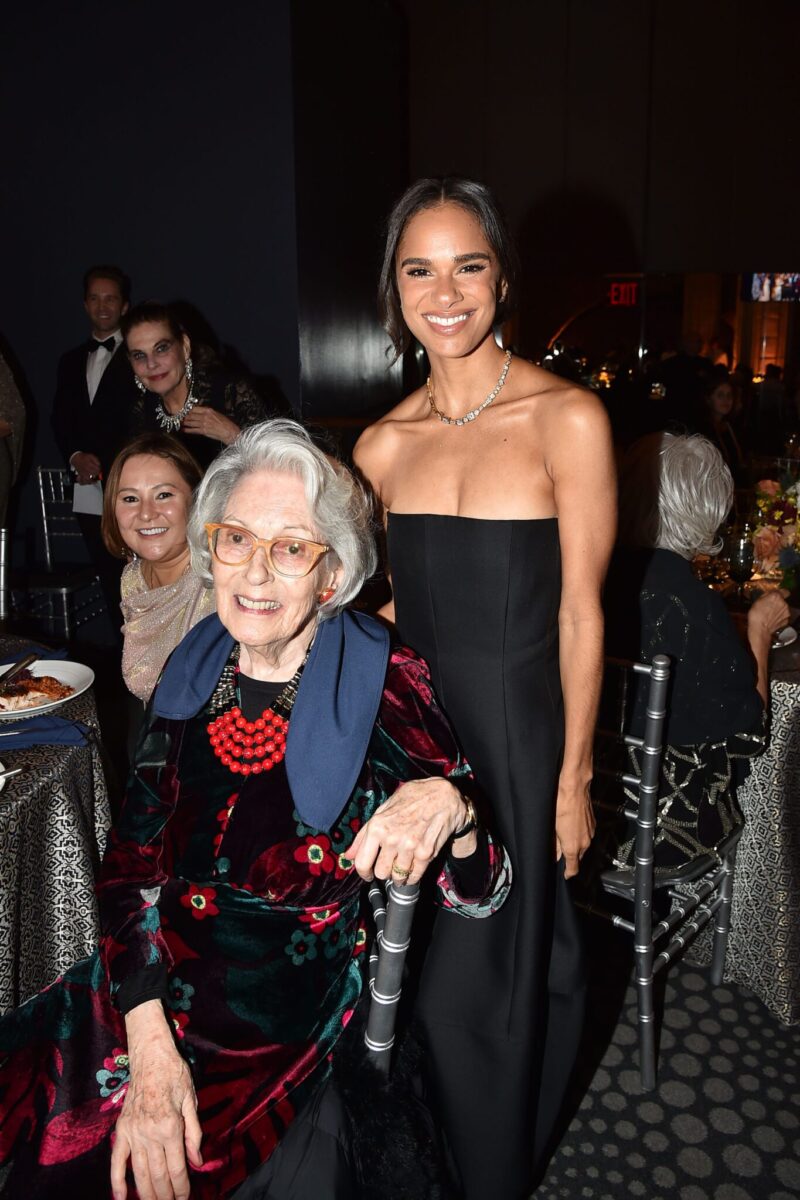
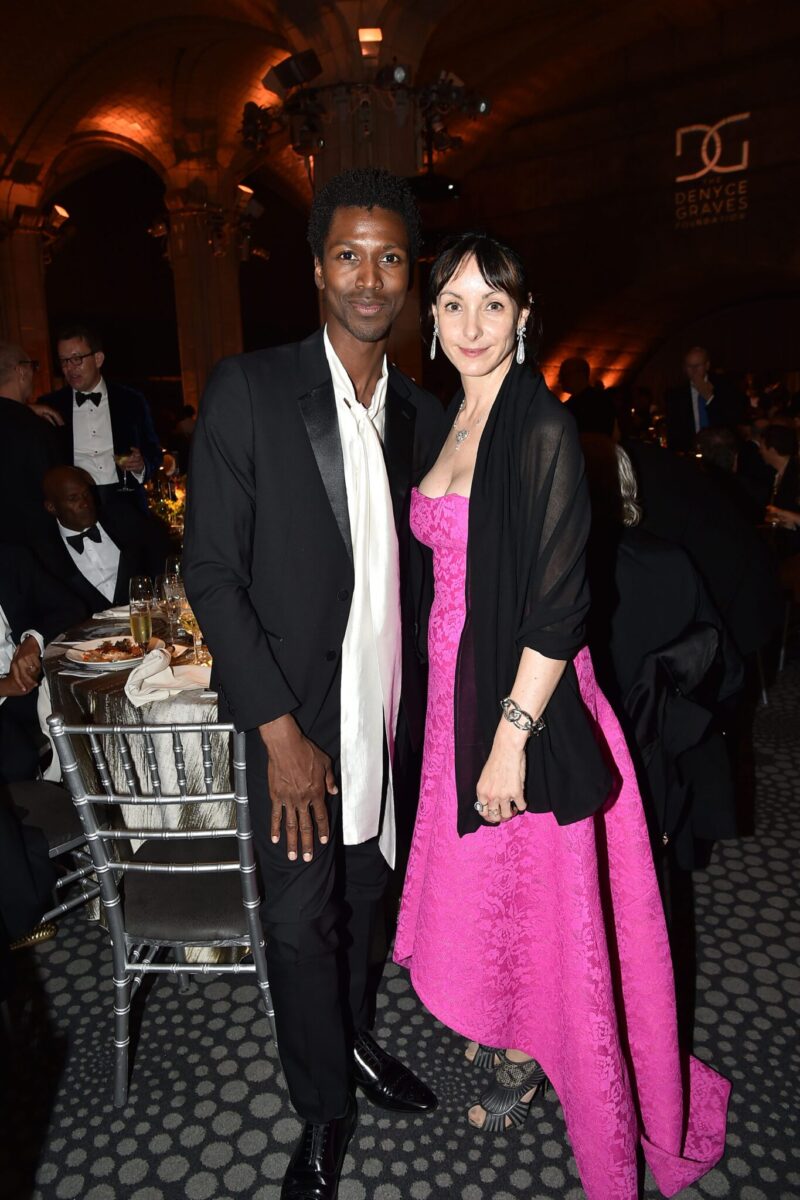
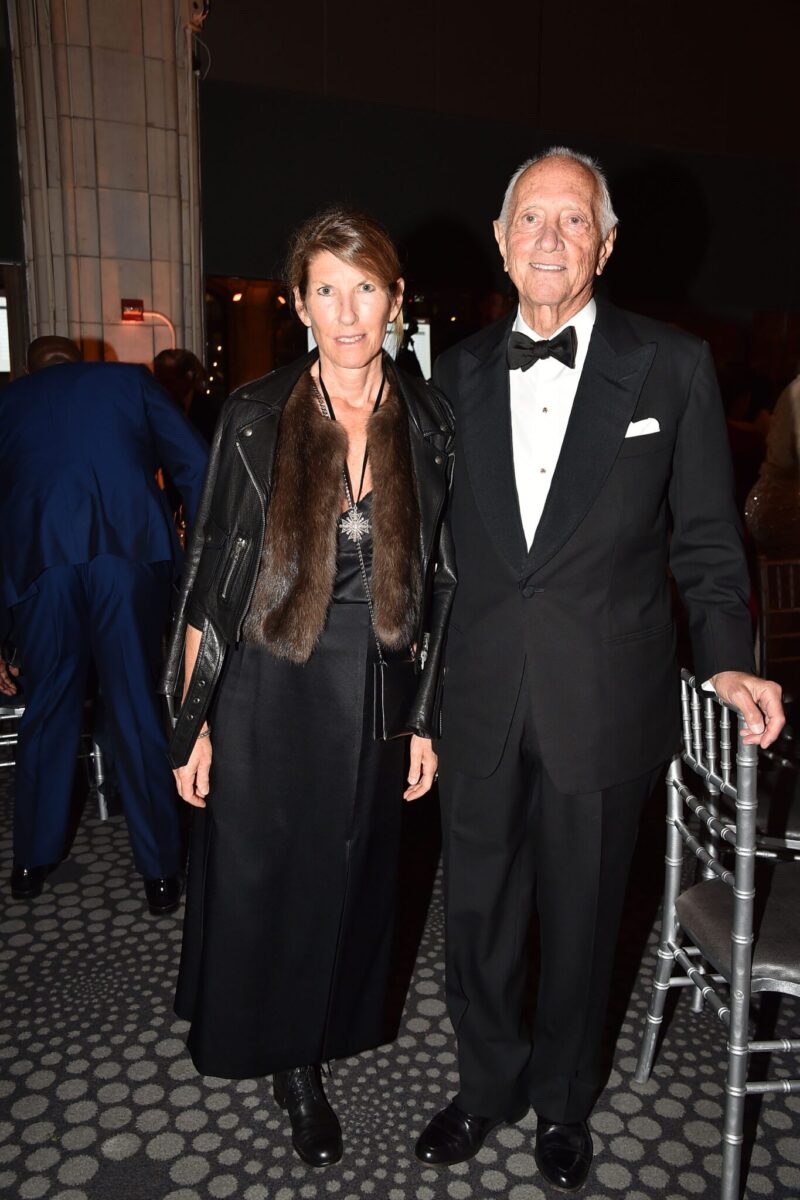
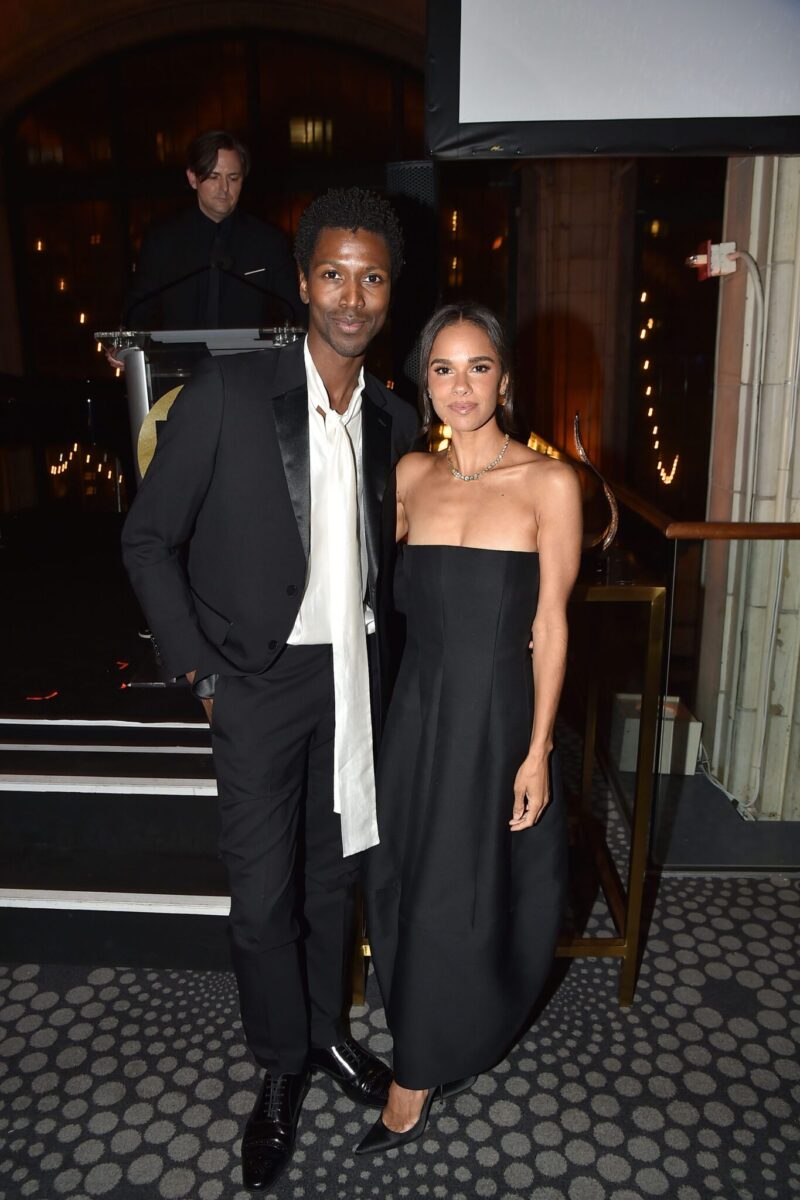
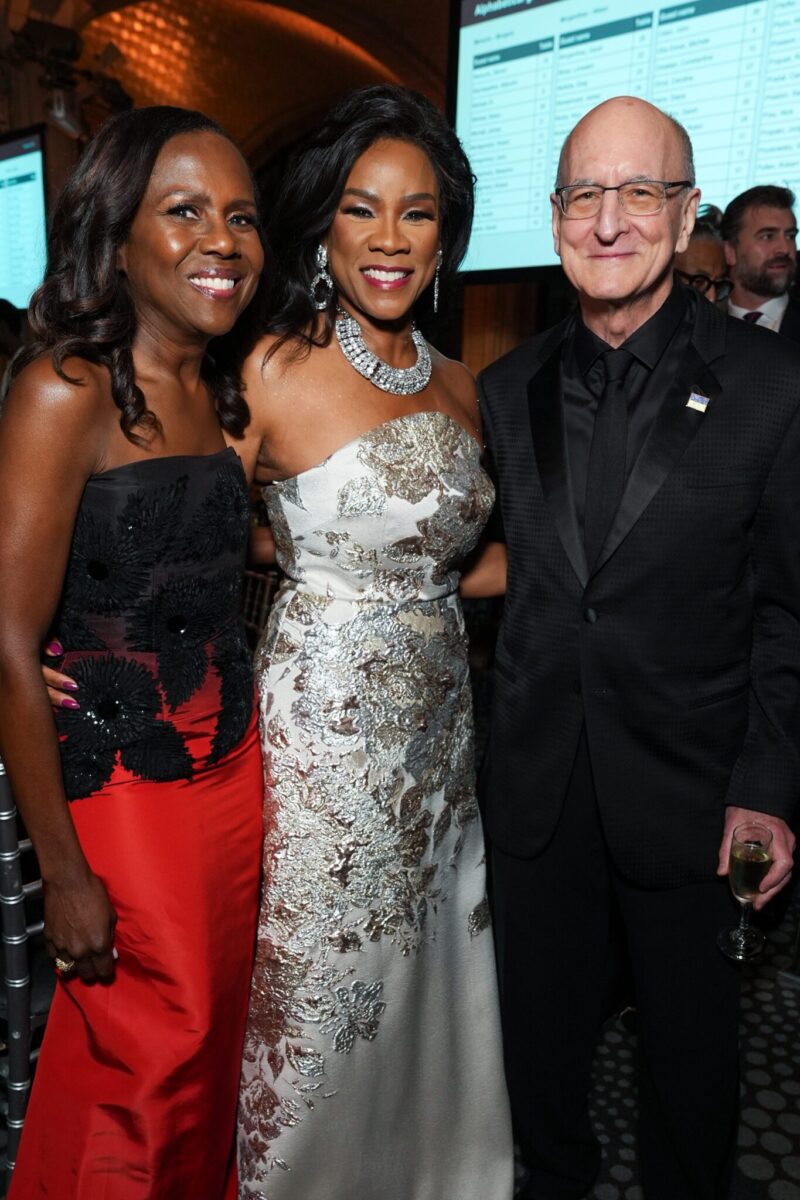
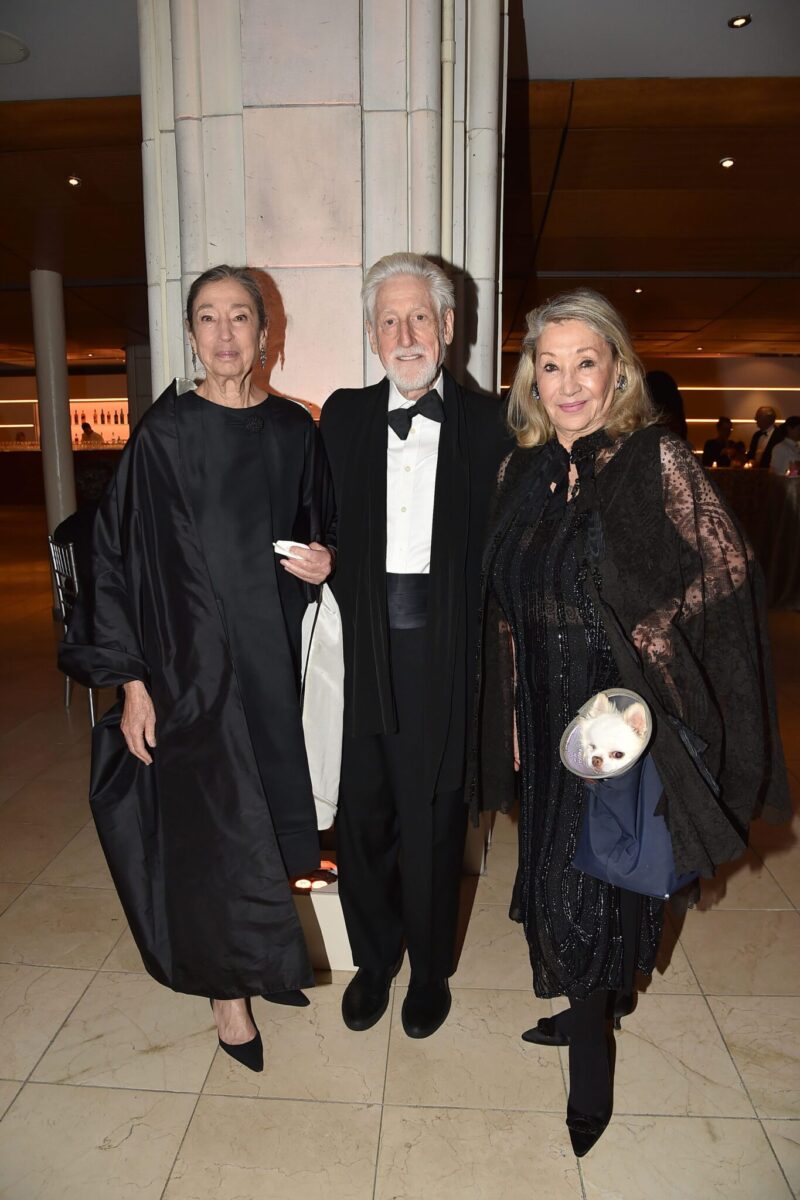
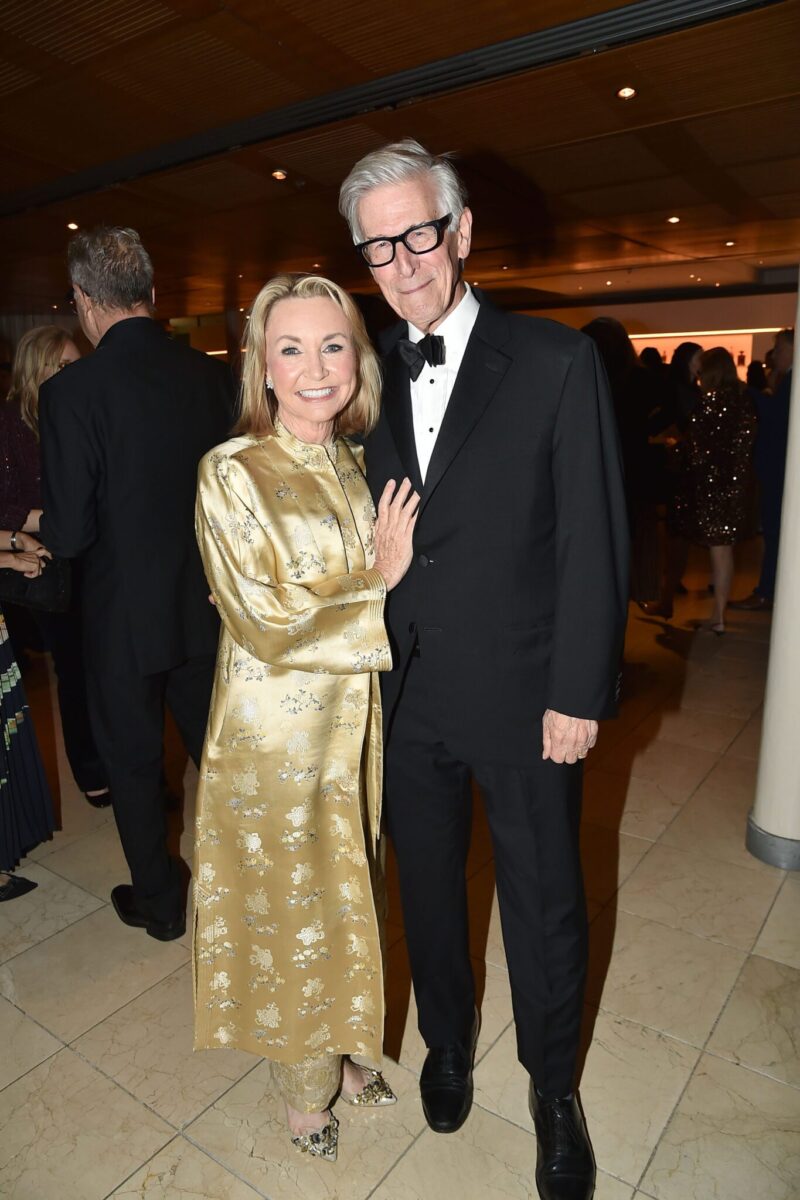
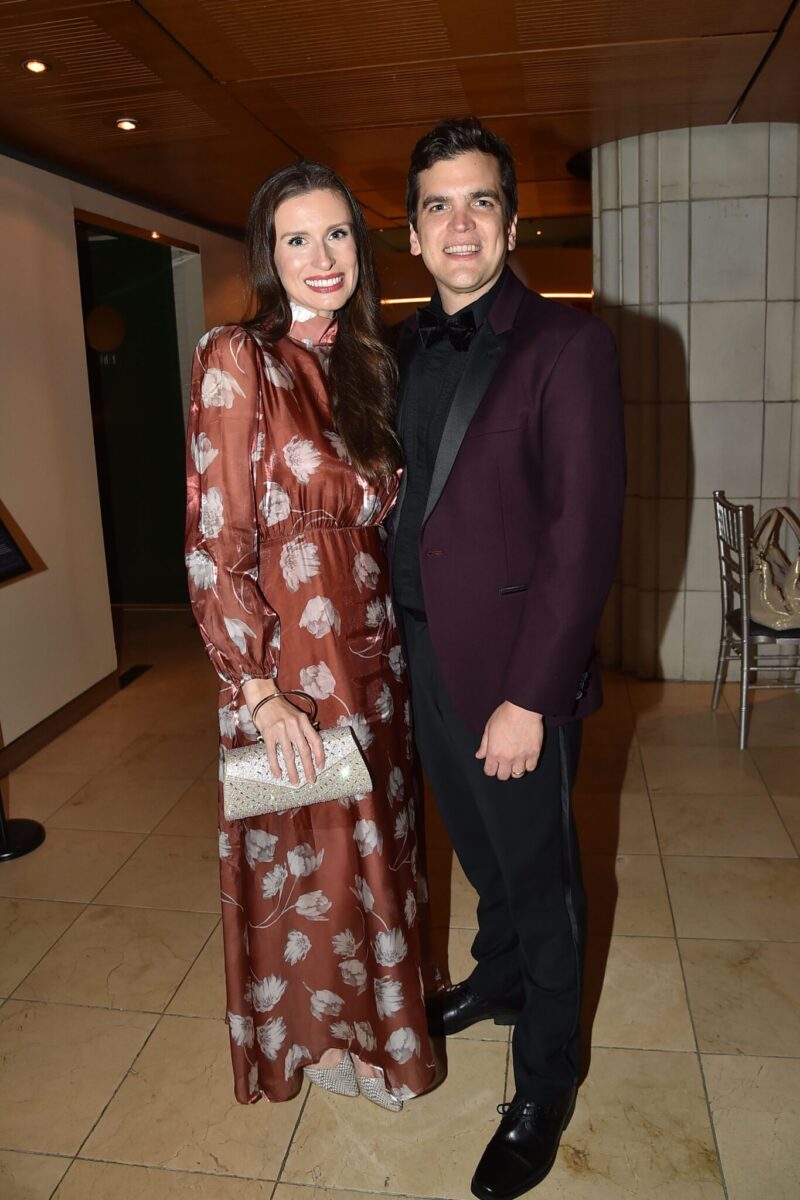
At a moment when philanthropy is increasingly measured not simply by what it supports today, but by the legacy it creates for tomorrow, the Denyce Graves Foundation brought together some of the most influential figures in music, dance and cultural patronage for its annual Harvest Moon Gala at Guastavino’s in New York City.
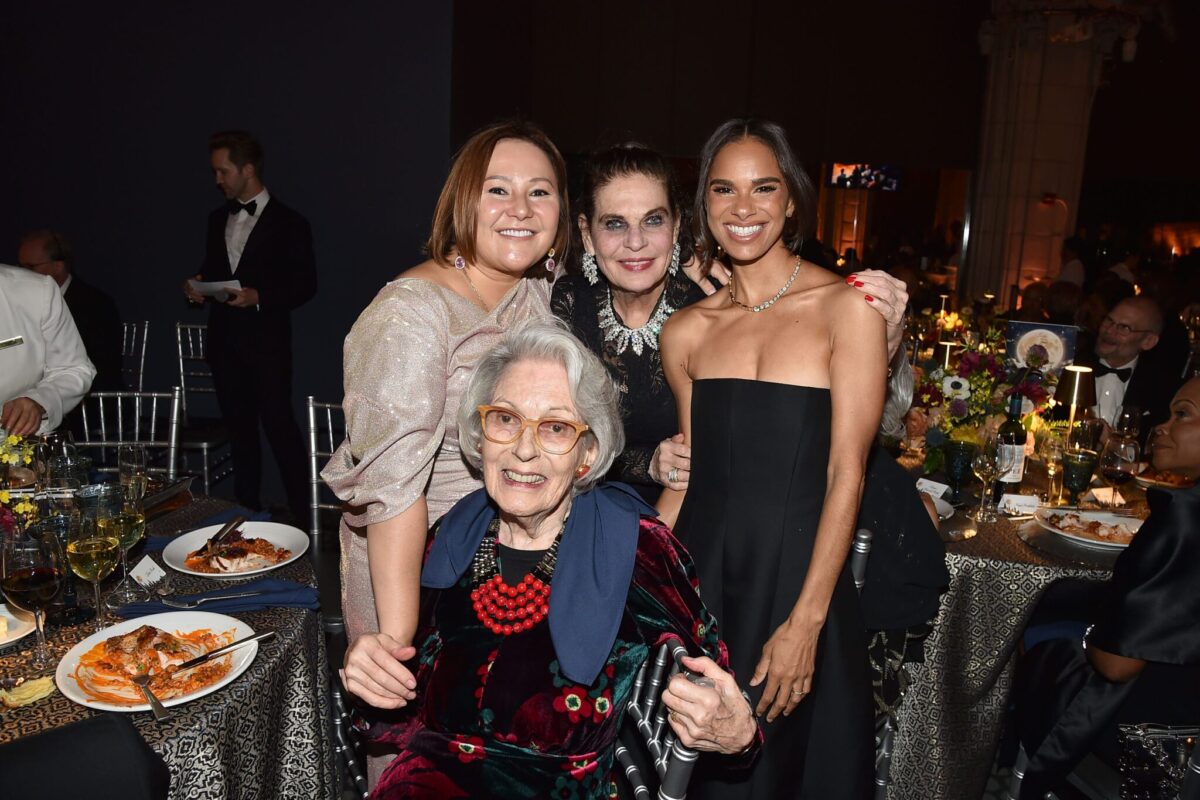
The black-tie evening honored Misty Copeland, Yannick Nézet-Séguin and Ann Ziff, three figures whose careers represent different but complementary forms of cultural impact: breaking barriers, reshaping institutions and using philanthropy to sustain the arts.
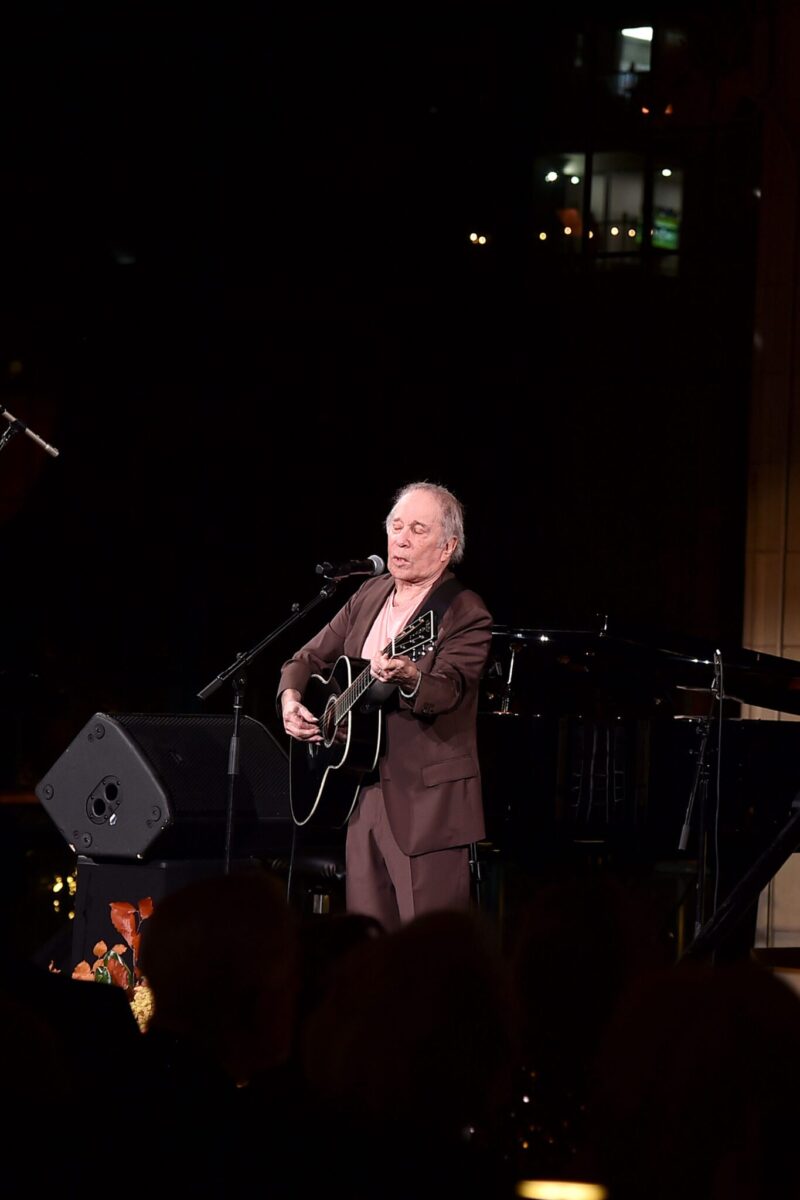
Chaired by Barbara Tober and Ann Gottlieb and emceed by Emmy Award-winning 20/20 co-anchor Deborah Roberts, the evening also delivered an unexpected musical moment when Paul Simon took the stage for a surprise performance.
Investing in Voices—and the History Behind Them
Founded by acclaimed mezzo-soprano Denyce Graves, the Denyce Graves Foundation operates at the intersection of arts, education, American history and social impact. Its work supports emerging singers while recovering and preserving the stories of musicians whose contributions have too often remained outside the traditional historical narrative.
For Graves, that mission begins with something fundamental: giving people the opportunity to be heard.
“At DGF, our work is about opening doors, discovering extraordinary artists, nurturing their gifts and preserving the stories that belong to all of us,” Graves told guests. “A voice carries history. It carries possibility. And when we make room for more voices, we change the sound of the future.”
It is a philosophy that gives cultural philanthropy a particularly long horizon. Supporting an artist can change an individual career; preserving the stories of artists who came before can reshape how future generations understand an entire cultural landscape.
Misty Copeland and the Responsibility of Being First
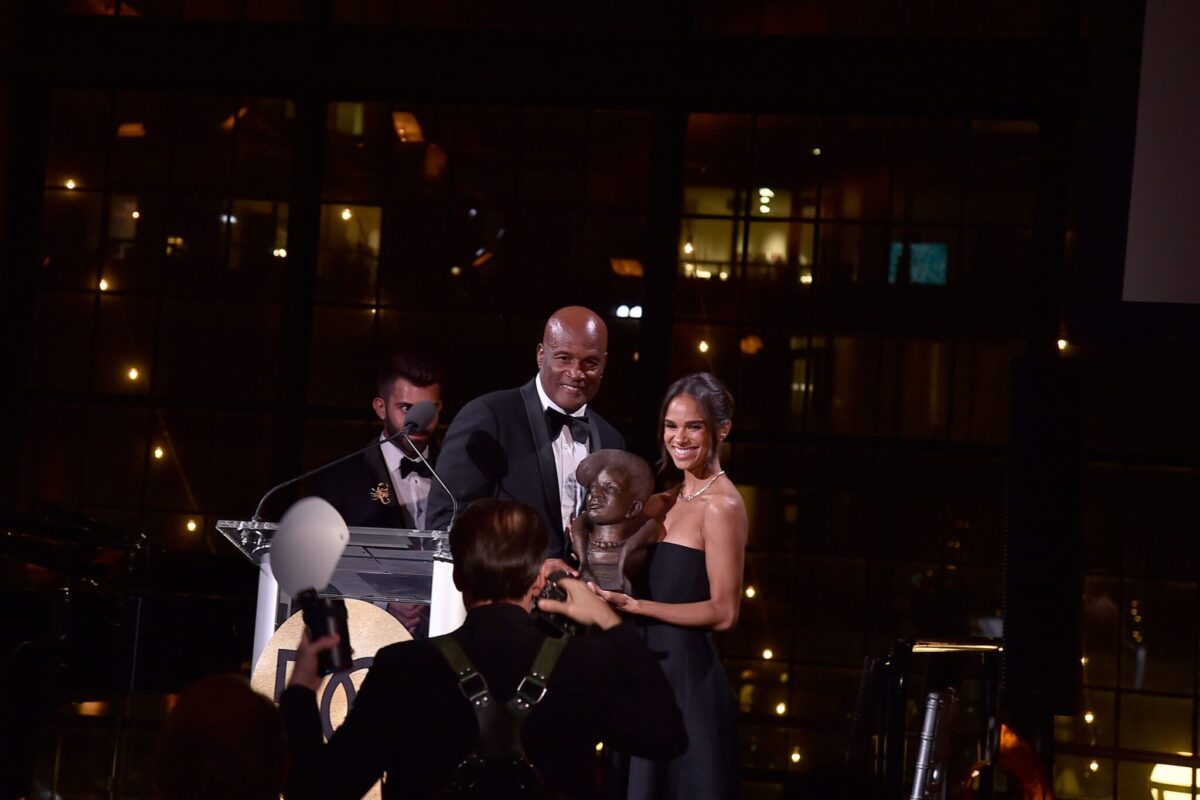
Misty Copeland received the inaugural Mary Cardwell Dawson Humanitarian Award, named for the pioneering Black opera impresario who founded the National Negro Opera Company.
Copeland drew a connection between Graves’ rediscovery of Dawson’s legacy and her own relationship with Raven Wilkinson, the first Black woman to dance with the Ballet Russe de Monte Carlo.
“For me, that person was Raven Wilkinson,” Copeland said, reflecting on the importance of discovering someone whose story could make a young artist feel less alone. “Denyce finding Mary, me finding Raven brought us to a similar place, wanting the next generation to know these women sooner than we did and to understand that they are part of history, too.”
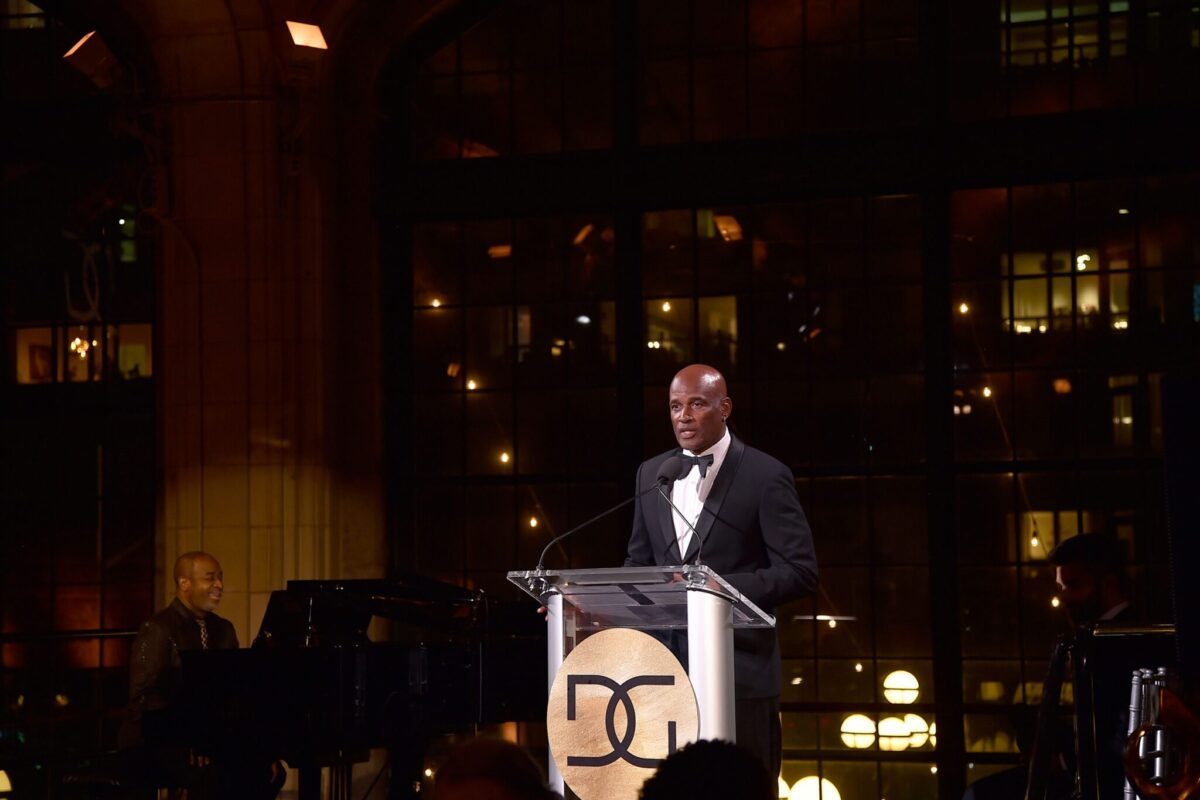
Award-winning Broadway director Kenny Leon, who presented Copeland with the honor, focused on what she did after making history herself.
“Misty didn’t walk through the door and simply celebrate being first,” Leon said. “She turned around and held that door open and began asking, ‘Who else needs to come through?’”
American Ballet Theatre principal Calvin Royal III echoed that sentiment, describing Copeland’s influence as extending well beyond representation.
“She didn’t simply help more people see themselves in ballet. She helped ballet see us more fully—our artistry, our individuality, our humanity,” he said. “Her achievements became advocacy. She used her extraordinary reach to make the path wider.”
Yannick Nézet-Séguin on Changing the Institution From Within
For Yannick Nézet-Séguin, recipient of the Foundation’s Game Changer Award, music’s ability to connect people remains central to his work.
“Music for me is about expressing love,” he told the room. “It’s about expressing what we have in common, not what we have that appears to be different.”
The celebrated conductor spoke about creating an environment in which musicians and audiences feel “heard, welcome, and understood,” while recognizing composers including Margaret Bonds and Florence Price alongside contemporary voices.
“I feel like I’m only at the beginning of what I want to change in that game,” he said.
His remarks underscored one of the evening’s recurring ideas: institutions can honor tradition without treating history as fixed. Expanding the canon does not require abandoning the past; it can mean recovering parts of that past that were never given their proper place within it.
Ann Ziff and the Enduring Value of Arts Patronage
If artists create cultural history, patrons frequently provide the infrastructure that allows it to endure.
That role was recognized through the Living Legend Award, presented to philanthropist Ann Ziff, whose longstanding support of the arts includes a particularly close relationship with The Metropolitan Opera.
“I’ve been very lucky in my life to be fortunate enough to be able to help people who are not as fortunate as I have been and to help organizations that I love and cherish, none more than my beloved Metropolitan Opera,” Ziff said.
Rather than treating the honor as a culmination, she described it as a commitment to continue supporting the organizations and causes closest to her.
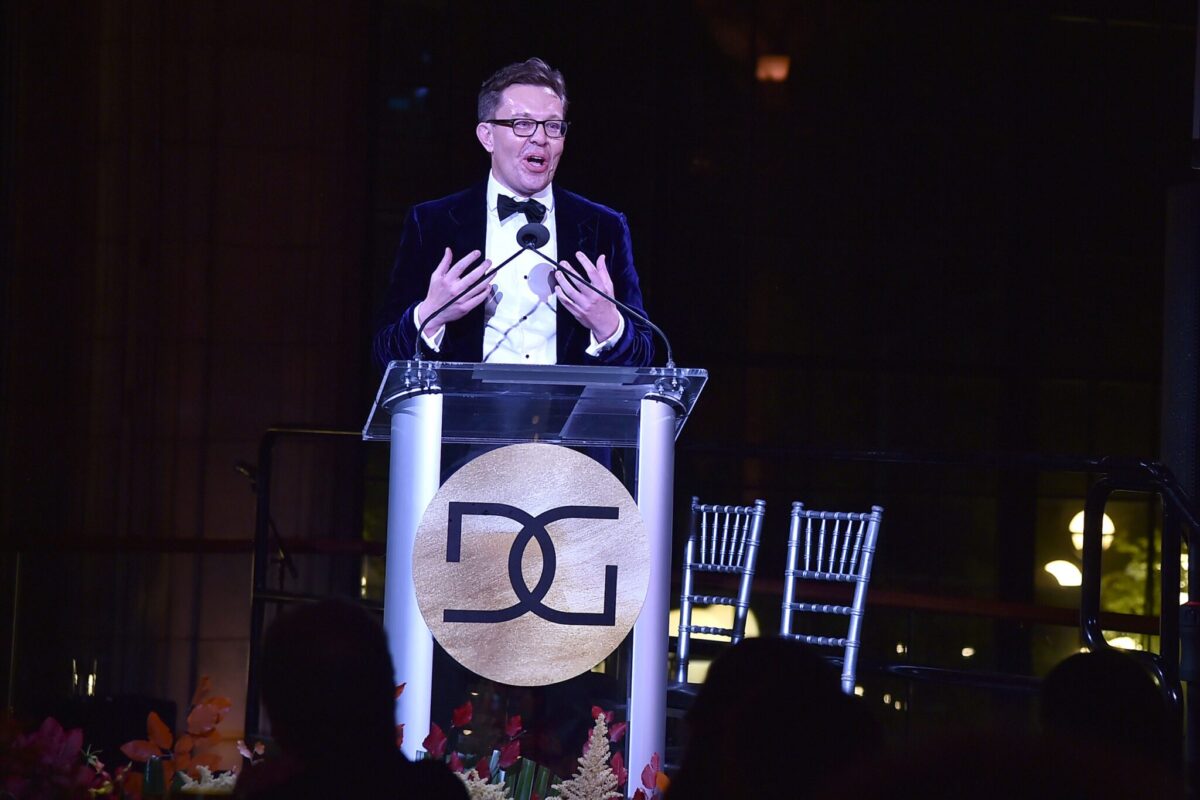
Peter Gelb, general manager of The Metropolitan Opera, offered a more personal portrait of Ziff’s influence, describing her as “the soothing matriarch of The Met” and praising her nurturing relationship with singers.
His tribute served as a reminder that meaningful philanthropy is not always defined solely by the size of a gift. Patronage can also be deeply personal—a sustained relationship with artists and institutions built over years and, in some cases, generations.
An Evening Where Established Masters Met Emerging Talent
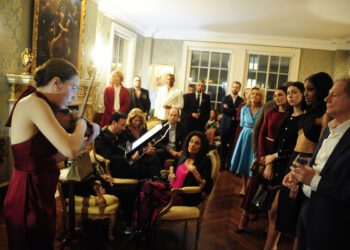
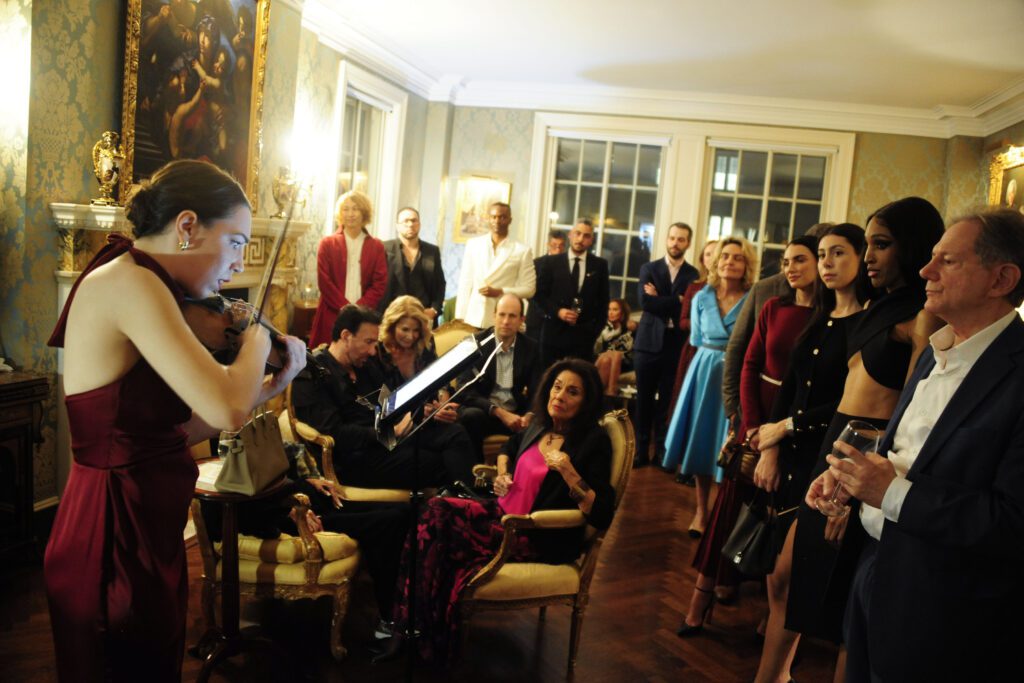
The gala’s artistic program reflected the Foundation’s mission by bringing celebrated performers together with young artists participating in DGF programs.
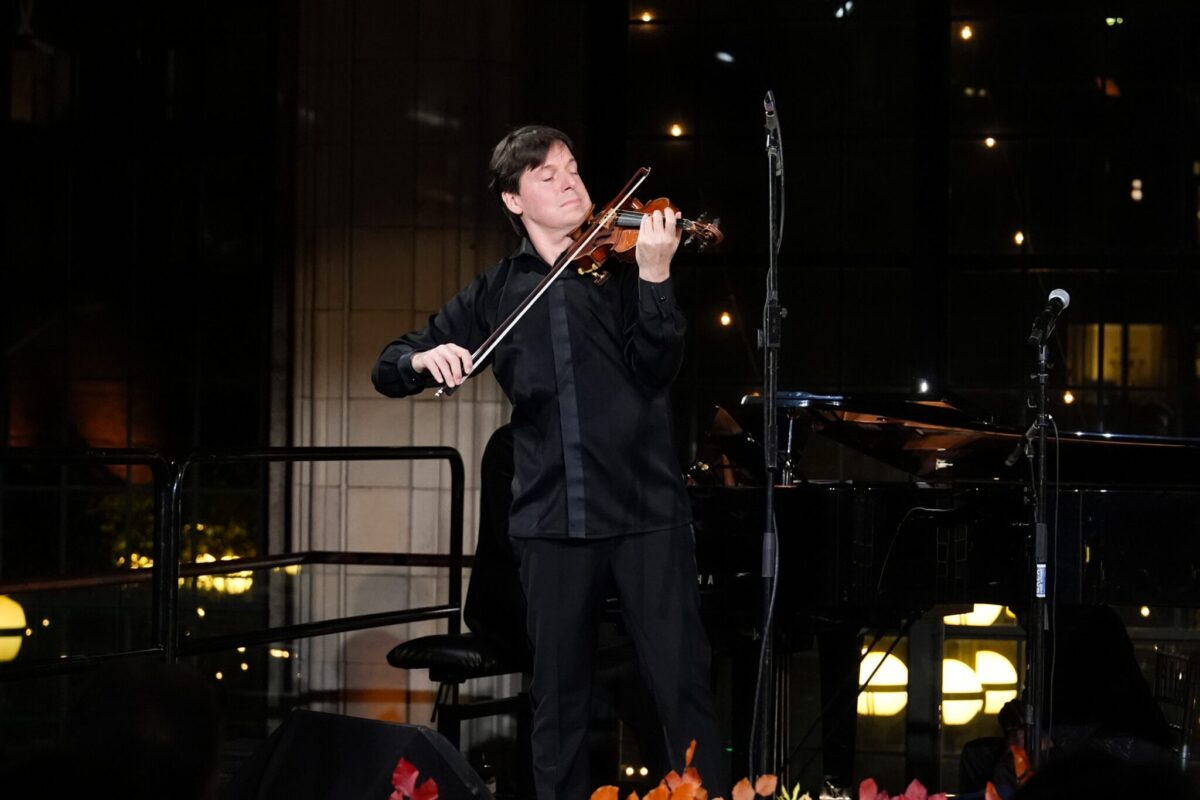
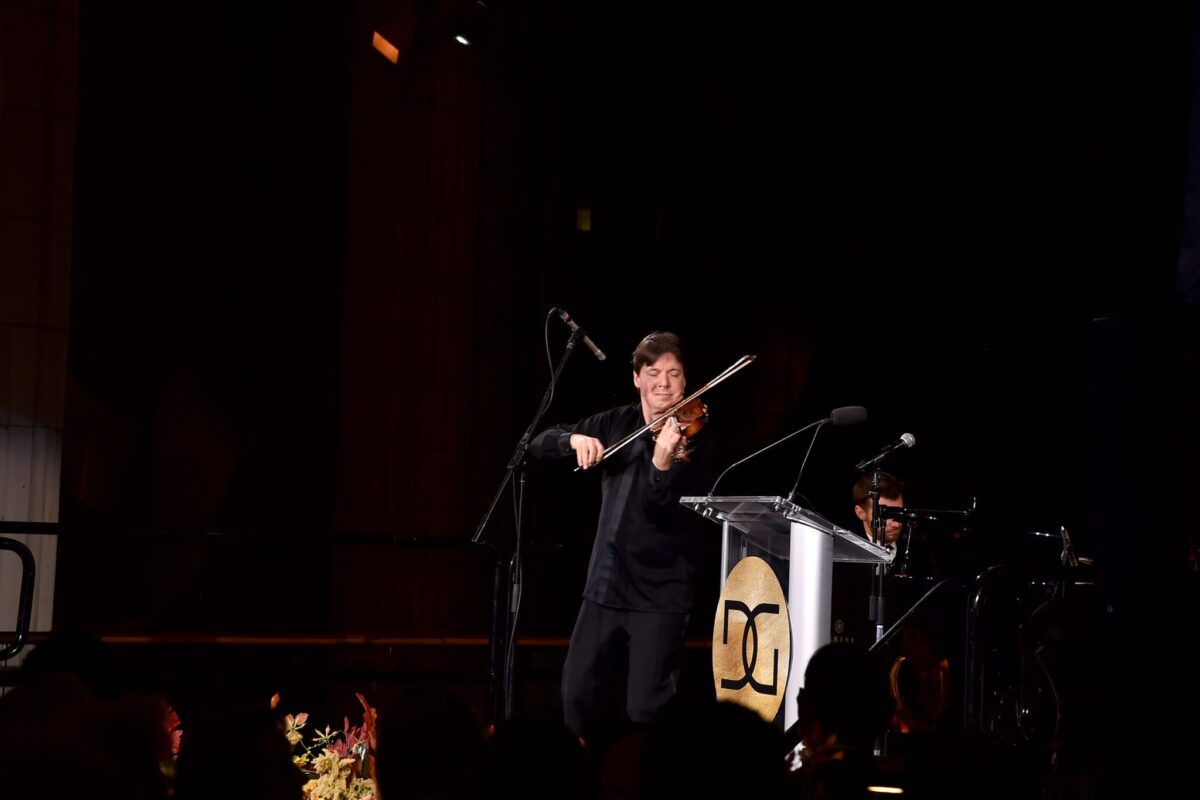
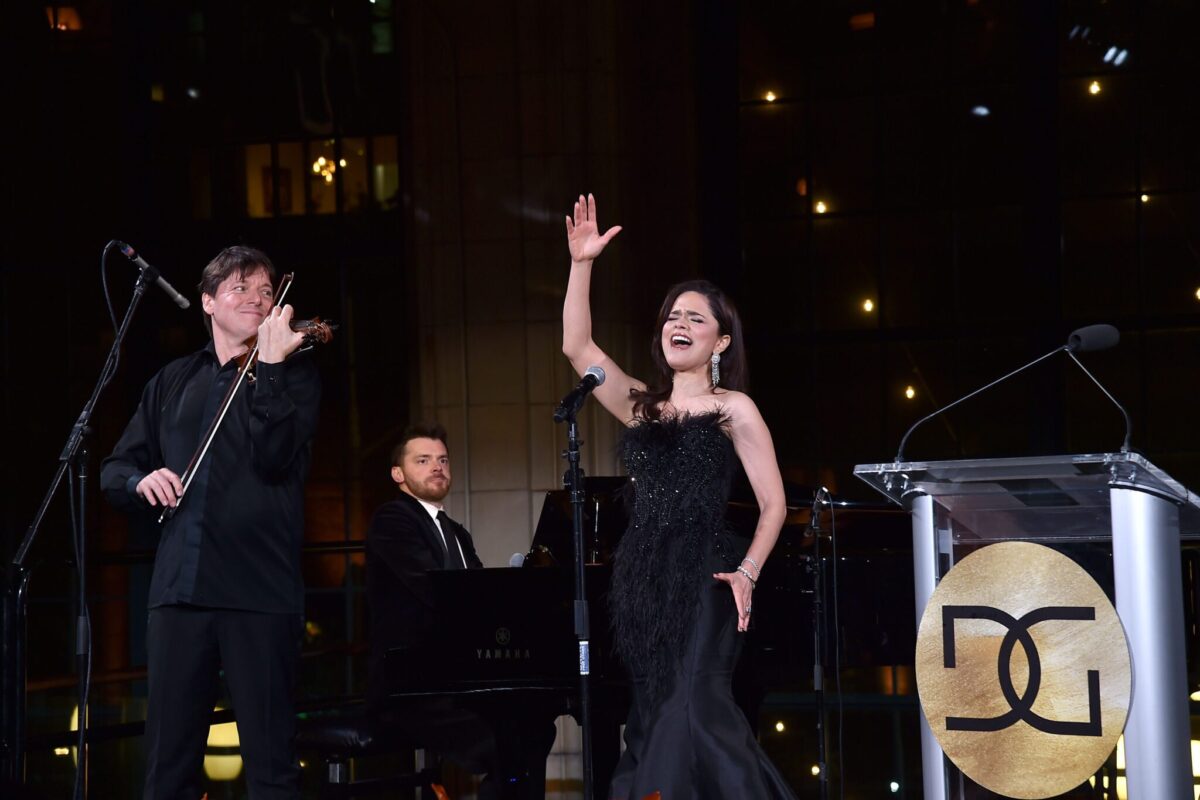
Performances by Susan Graham, John Holiday and Joshua Bell were joined by emerging voices from the Foundation, creating a literal representation of cultural legacy being passed from one generation to the next.
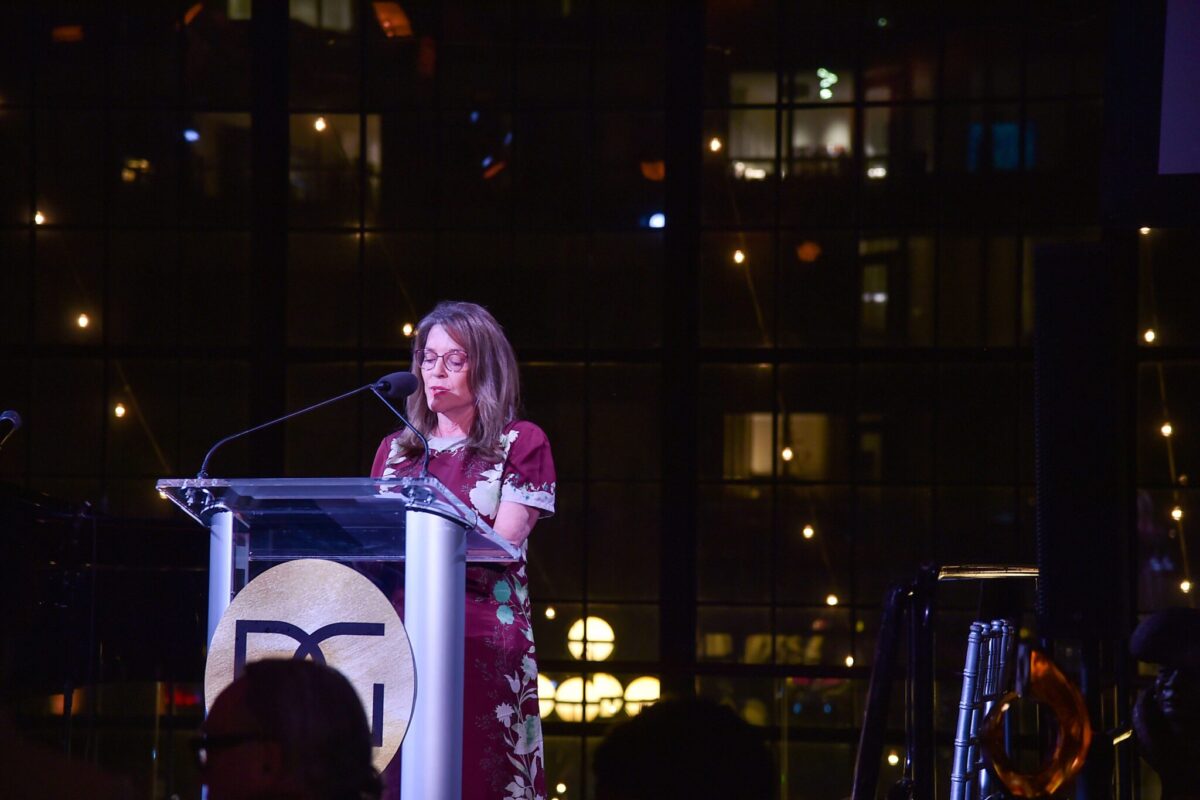
Author Marianne Williamson also addressed the room, making a case for the role of art during periods of uncertainty.
“Art is not something to be set aside at a time like this,” she said, adding, “When the old ways say we need more brute force, let us say no, we need more music.”
The evening culminated with Leonard Bernstein’s Make Our Garden Grow, featuring Brandon Jovanovich, members of DGF and the evening’s performers joining together onstage for the finale.
Even the evening’s parting gifts carried personal touches inspired by the honorees. Guests departed with commemorative items including custom nail polishes named “Rose in Cavalier” and “Rhapsody in Lilac” in honor of Nézet-Séguin, a perfume honoring Copeland and a succulent celebrating Ziff.
The Legacy of Cultural Capital
The Harvest Moon Gala ultimately illustrated a broader idea increasingly relevant to today’s philanthropic community: cultural capital is also a form of legacy.
Through partnerships with cultural institutions, Historically Black Colleges and Universities, conservatories and schools of music, the Denyce Graves Foundation is working not only to develop emerging artists but also to ensure that overlooked figures in American musical history are documented and remembered.
For philanthropists, patrons and institutions, the evening offered a compelling model of impact—one in which investment in the arts reaches beyond a single performance, season or generation.
As Graves put it, a voice carries history and possibility.
At Guastavino’s, surrounded by artists who have changed their respective fields and patrons who have helped sustain them, the Foundation made the case that ensuring those voices are heard may be one of the most enduring investments of all.