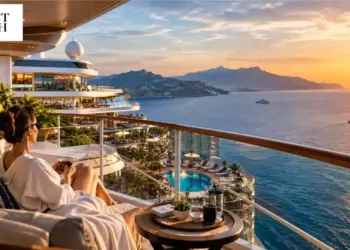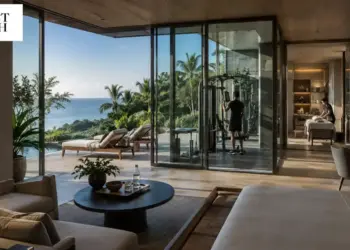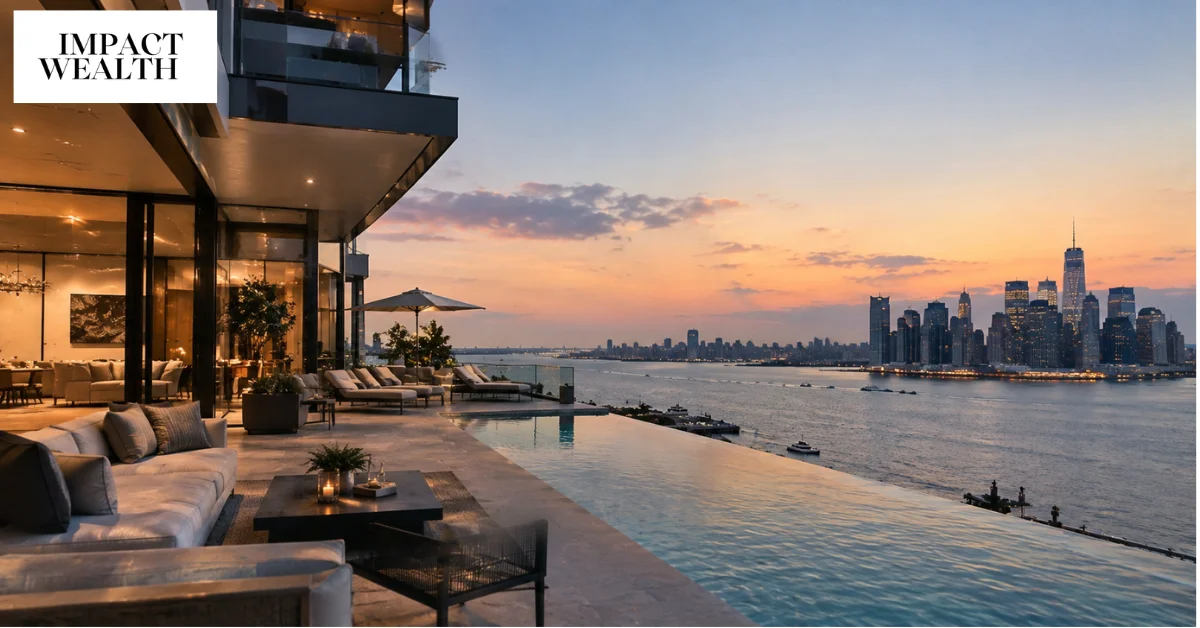
Luxury housing is increasingly being defined by more than architecture, location and square footage. Branded residences are bringing hotel-style hospitality, wellness, dining, concierge services and private amenities into the ownership experience, creating a model in which the home functions as part of a wider lifestyle ecosystem.
The market is expanding rapidly. Knight Frank’s 2026 Global Branded Residence Survey covers nearly 1,800 live and pipeline schemes across 90 countries and more than 200 brands. The number of projects rose from 354 in 2015 to 903 at the end of 2025, and Knight Frank projects approximately 1,088 schemes globally by the end of 2026.
This growth reflects a broader change in luxury consumption. The valuable proposition is increasingly not simply owning an exceptional property, but having an environment that continuously provides services, convenience, privacy and experiences.
From Luxury Apartments to Branded Residences
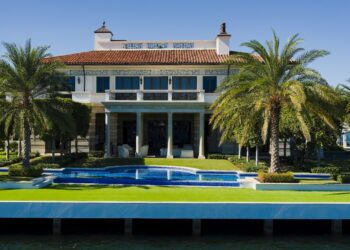
Luxury apartments and villas have long competed on location, materials, views, architecture and amenities. Branded residences add another layer: an established hospitality or lifestyle identity attached to the property and, in many cases, an operating structure designed around residential services.
The distinction matters. A branded residence is not simply a luxury apartment with a famous name on the entrance. Depending on the development, the brand may influence design, service standards, management, amenities and the resident experience. Some projects are closely integrated with a hotel, while others operate as independent residential developments offering hotel-style services alongside private ownership.
The model therefore sits between real estate and hospitality. Owners purchase property, while the development can also provide concierge support, housekeeping, dining, wellness facilities, private lounges and other services.
Savills notes that branded schemes can involve licensing, design and management fees, while owners may also pay service or homeowners’ association charges. The residential services can range from core concierge functions to separately charged housekeeping and other on-demand services.Services can range from core concierge functions to separately charged housekeeping and other on-demand services.https://www.savills.com/research_articles/255800/306505-0?utm_source=chatgpt.com
That distinction becomes increasingly important as buyers evaluate what they are actually purchasing.
Why Hospitality Brands Are Moving Into Residential Real Estate
For hospitality companies, residential development extends the relationship with a customer beyond a hotel stay. Instead of serving a guest for several nights, the brand can become part of that person’s home environment for years.
The model also creates a connection between property development and brand loyalty. Developers gain access to established service identities, while hospitality operators can extend their presence into residential markets without relying entirely on traditional hotel rooms.
The expanding market is also attracting brands beyond hotels. Knight Frank reports that hotel brands account for about 70% of operational branded-residence schemes globally, but their share falls to around 60% when pipeline developments are included. Non-hotel brands are projected to rise from around 30% of supply in 2025 to almost 40% by 2028, including fashion, automotive and lifestyle names.
That shift suggests the concept is becoming broader than hotel-branded housing. Brand identity itself is becoming part of the residential proposition.
The New Residential Value Proposition: Service
At the top end of the market, service can be as important as physical specification.
A residence may offer 24-hour concierge support, housekeeping, valet services, maintenance coordination, travel assistance, event planning or in-residence dining. However, the exact package varies considerably between developments.
The underlying idea is straightforward: time becomes a luxury asset.
For an internationally mobile household, arranging maintenance, coordinating travel, managing deliveries or organizing a private dinner can be delegated rather than handled personally. In that context, convenience is not simply a practical benefit. It becomes part of the property’s lifestyle proposition.
Deloitte’s 2026 luxury research similarly identifies personalization and ongoing relationships as increasingly important to luxury, with leading brands using technology to handle routine interactions while reserving human attention for higher-value experiences.
Branded Residences Are Becoming Lifestyle Ecosystems
The most developed projects increasingly combine several categories that were once separate.
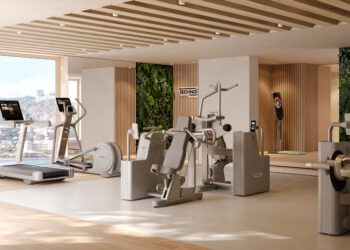
Wellness facilities can sit alongside fitness studios, spas, recovery spaces and nutrition-focused dining. Private restaurants and lounges can create social environments within the building. Smart-home systems can connect residential technology with building services, while controlled access and private entrances can support privacy.
The result is a different definition of the luxury home.
Instead of viewing the residence as an isolated physical asset, developers increasingly position it as the centre of an ecosystem involving hospitality, wellness, dining, social life and household management.
Knight Frank’s 2026 report identifies wellness as one of the major changes in the sector, describing the shift as wellness moving from an amenity toward infrastructure.
The Different Models of Branded Living
| Branded Residence Model | Primary Appeal | Core Lifestyle Offering |
|---|---|---|
| Hotel-Branded Residence | Hospitality and service | Concierge, housekeeping, dining, wellness |
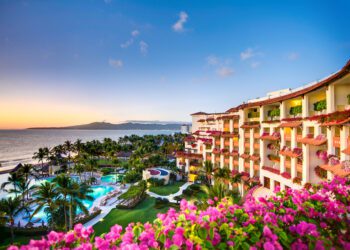
| Resort Residence | Leisure and destination living | Pools, recreation, spa, restaurants |
| Urban Branded Residence | Convenience and prestige | Central location, services, private amenities |
| Private Residential Club | Community and exclusivity | Members-only spaces and curated experiences |
| Lifestyle-Branded Residence | Identity and design | Brand-specific architecture, interiors and services |
These models can overlap. An urban residence may have hotel services, while a resort project may operate around a private club. The important distinction is the operating philosophy rather than the label itself.
Wellness Moves Inside the Home
Wellness is becoming particularly significant because it changes the purpose of residential amenities.
A conventional luxury development might provide a gym and swimming pool. Newer projects can go considerably further, incorporating spas, recovery areas, outdoor environments, treatment spaces and nutrition-oriented facilities.
Knight Frank’s research suggests this is becoming structural rather than cosmetic. Its 2026 survey identifies wellness-focused amenities as one of the ways branded residences are influencing the wider prime residential market.
However, there is a difference between installing wellness infrastructure and delivering meaningful wellness services. A treatment room can become an underused amenity if programming, staffing and resident demand do not support it.
That makes operations as important as architecture.
Dining, Private Clubs and the Social Life of Luxury Residences
The residence is also becoming a social environment.
Private dining , restaurants, wine spaces, lounges and resident clubs can create opportunities for interaction without requiring residents to leave the development. Some projects also incorporate cultural events, fitness programming or curated gatherings.
This creates an interesting tension. Luxury housing traditionally emphasizes privacy. Lifestyle ecosystems increasingly emphasize community.
The strongest developments therefore have to balance both: giving residents opportunities to socialize while preserving control over access and personal space.
Architecture and Interiors Become Part of the Brand
Branding can also extend into the physical design.
Architects and interior designers work alongside developers and operators to establish a coherent identity through materials, furniture, landscaping, public spaces and service areas. Yet branding does not automatically create architectural quality.
In fact, Knight Frank’s research points to a growing challenge in mature markets: as branded residences become more common, the brand itself may provide less differentiation. Architecture, location, views, service execution and overall quality still matter.
This is particularly visible in cities where branded towers have multiplied.
Privacy, Security and the New Definition of Convenience
For UHNW households, residential privacy can be as important as visible luxury.
Controlled access, private entrances, secure parking, discreet concierge services and carefully managed building operations can reduce friction in daily life. Digital systems can also support access management and smart-home functions.
Yet security should not be treated as a standardized feature of every branded residence. Capabilities vary according to location, operator, building design and management structure.
The broader point is that privacy increasingly forms part of the residential experience rather than being treated as an afterthought.
When a Home Starts to Operate Like a Hotel
The appeal of hotel-style service comes with an operational cost.
Someone has to staff the concierge desk, manage amenities, maintain common areas, coordinate housekeeping, operate restaurants and enforce service standards. Depending on the structure, responsibilities may be divided among the developer, hotel operator, homeowners’ association and external service providers.
This is why ownership and hospitality management should not be confused. Buying a branded residence does not necessarily mean receiving unlimited hotel services without additional charges.
Service fees, management agreements and amenity costs can materially affect the ongoing cost of ownership.
The model therefore works best when residents understand precisely what is included, what is optional and who controls the operating decisions.
The Economics Behind Branded Residential Real Estate
There is evidence that branding can support a premium in certain markets, but the effect is not universal.
Knight Frank’s 2026 research provides a useful example. At One Beverly Hills in Los Angeles, Aman-branded homes were reported to be selling for an average of about $7,000 per square foot, roughly 30% above local benchmarks. Knight Frank also emphasizes that branded residences range from relatively loose licensing arrangements to highly integrated projects in which the brand influences design and operations.
That distinction matters. A premium can reflect more than the brand itself. Location, scarcity, architecture, service quality, amenities and buyer demand all contribute.
New York illustrates the point from another direction. Knight Frank recorded 341 super-prime sales in New York City during the year to Q1 2026, up from 281 a year earlier. At 80 Clarkson in Manhattan’s West Village, more than $1 billion in sales had been generated, with amenities including an 82-foot lap pool, spa and private dining rooms.
The lesson is not that branding guarantees stronger property performance. Rather, high-end buyers increasingly encounter residential products where service, design and amenity infrastructure form part of the property’s value proposition.
The Forces Shaping the Branded Residence Boom
| Branded Residence Trend | Rising Demand Driver | Key Challenge |
|---|---|---|
| Hotel-Level Services | Convenience and personalization | High ongoing service costs |
| Wellness Integration | Preventive and lifestyle-focused living | Maintaining meaningful programming |
| Private Clubs | Community and exclusivity | Balancing access and privacy |
| Smart-Home Technology | Convenience and security | Technology obsolescence |
| Global Branded Developments | International buyer demand | Maintaining consistent standards |
| Resort-Style Living | Desire for integrated experiences | Location and operational complexity |
The Globalization of Branded Living
The sector is moving beyond traditional gateway cities.
Knight Frank reports that more than half of branded-residence schemes are now located in coastal, island or mountain destinations, compared with fewer than four in ten outside major cities in 2016. Dubai remains the leading city market, while the US has the largest concentration of operational stock and the Middle East represents the strongest growth engine.
This reflects changing patterns of wealth and mobility. Knight Frank also reports that the average global UHNW residential property portfolio increased from 2.9 properties to 3.8 in less than a decade.
For owners with homes across multiple countries, consistent service can therefore have practical value. A familiar hospitality standard can reduce some of the friction associated with managing properties across different locations.
The Risks Behind the Lifestyle Ecosystem
The same characteristics that make branded residences attractive can create vulnerabilities.
Service charges can be substantial. Amenities require continuous funding and maintenance. Management disputes can affect resident experience. Technology can become outdated. And a brand that initially creates differentiation may lose some of that advantage as more developments adopt similar names and services.
There is also a question of long-term relevance.
A residence can last for decades, while consumer preferences and hospitality brands change much faster. Buyers therefore need to consider the underlying property as well as the brand attached to it.
The strongest proposition may ultimately be the combination of location, architecture, service quality and operational discipline, rather than branding alone.
Unique Insight: Luxury Is Becoming an Operating System
The deeper significance of branded residences is that luxury property is moving through three stages:
Luxury as physical possession → Luxury as ongoing service → Luxury as an integrated lifestyle ecosystem.
The home remains an asset, but its perceived usefulness increasingly depends on what surrounds it and what the operating structure can continuously provide.
That changes the role of the developer, too. The challenge is no longer simply constructing an exceptional building. It is creating an environment in which hospitality, wellness, technology, security and community work together without becoming unnecessarily complex.
Conclusion
The growth of branded residences reflects the convergence of luxury real estate and hospitality.
The modern luxury home can now compete through service, privacy, wellness, convenience, community, design and brand trust as much as through size or address. At the same time, these features introduce real operating costs and long-term questions around management, fees and brand relevance.
The model will not replace conventional luxury housing. Instead, it represents an increasingly important segment of the market in which the residence becomes more than a place to live.
It becomes an ongoing service environment and, increasingly, a lifestyle ecosystem.
Frequently Asked Questions
1. What are branded residences?
Branded residences are residential properties associated with a hospitality, lifestyle or other established brand, often combining private ownership with services such as concierge, housekeeping, dining or wellness amenities.
2. How do branded residences differ from traditional luxury homes?
Traditional luxury homes primarily compete through property characteristics such as location, architecture and size. Branded residences add an operating layer involving services, amenities and brand standards.
3. Why are hotel brands entering residential real estate?
Residential developments allow hospitality brands to extend their customer relationships beyond short hotel stays while partnering with developers on new forms of luxury real estate.
4. What services are typically offered?
Depending on the project, services can include concierge, housekeeping, valet, maintenance coordination, dining, wellness, travel assistance and private-club amenities.
5. Are branded residences usually more expensive than conventional luxury properties?
They can command premiums in some markets, but pricing varies significantly according to location, brand, design, services, scarcity and buyer demand.
6. Do branded residences include hotel-style housekeeping and concierge services?
Many offer concierge services, while housekeeping may be included, optional or separately charged. Buyers should examine the specific service and fee structure of each development.
7. Why are wellness amenities becoming important?
Wellness is increasingly being incorporated into residential environments rather than treated solely as a hotel or resort amenity, with developments adding fitness, recovery, spa and health-oriented facilities.
8. What are the potential drawbacks?
Higher service costs, operational complexity, management disputes, changing preferences, technology obsolescence and dependence on brand reputation can all affect the long-term residential experience.
9. Are branded residences a type of investment?
They are real estate assets, but their financial performance varies by market and property. Branding alone should not be treated as a guarantee of appreciation or resale performance.
10. Why are branded residences becoming popular with UHNW buyers?
Their combination of location, privacy, service and convenience can appeal to internationally mobile wealthy households, although individual preferences and purchasing motivations differ.