The luxury hotel used to be defined by the room: the larger suite, the better view, the finer linens and the more attentive service. Increasingly, however, the room is becoming only one part of the proposition.
Today’s most ambitious luxury properties are building something closer to a private world around the guest. Wellness programs, performance facilities, art, restaurants, private clubs, residences, cultural programming and highly personalized services are becoming increasingly integrated into the hotel experience.
That shift reflects a broader change in luxury living. Affluent travelers are not simply looking for more expensive amenities; they are looking for environments that make it easier to live the way they want.
The recent pivot by traditionally social hotels toward wellness illustrates the change. Forbes reported in August 2026 that properties including La Concha in San Juan and The Standard Hua Hin were expanding into wellness, beauty and more holistic lifestyle experiences.
The bigger story, however, extends beyond wellness.
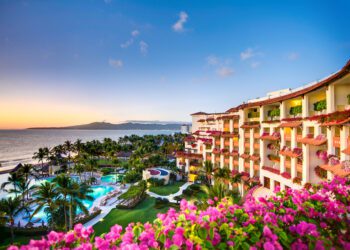
The luxury hotel is increasingly becoming a destination in itself.
From Hotel Room to Private World
For much of modern hospitality, hotels were primarily bases from which guests explored a destination.
That model still works. But luxury hospitality is increasingly pursuing a different relationship with the guest: stay longer, engage more deeply and find almost everything you value within the property.
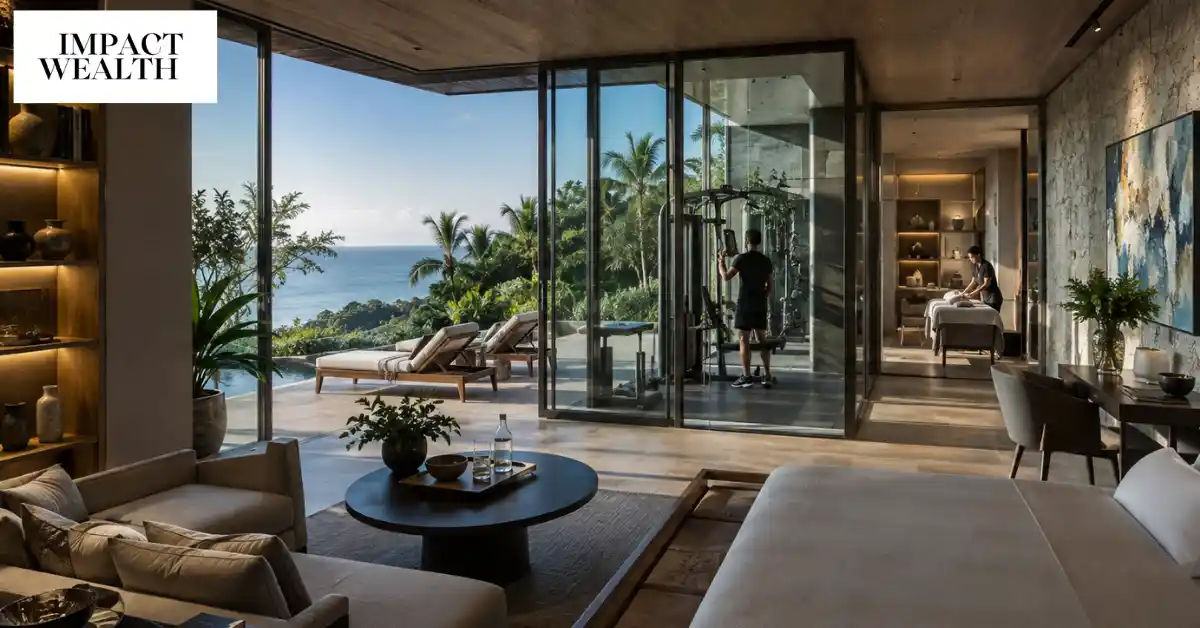
The modern luxury hotel can combine accommodation with wellness, fitness, dining, entertainment, art, business, social networking and privacy.
That makes the hotel less like a traditional lodging business and more like a curated ecosystem.
| Traditional Luxury Hotel | Emerging Luxury Hotel |
|---|---|
| Room and suite | Private residences and suites |
| Spa | Wellness and performance programs |
| Restaurant | Multiple destination dining concepts |
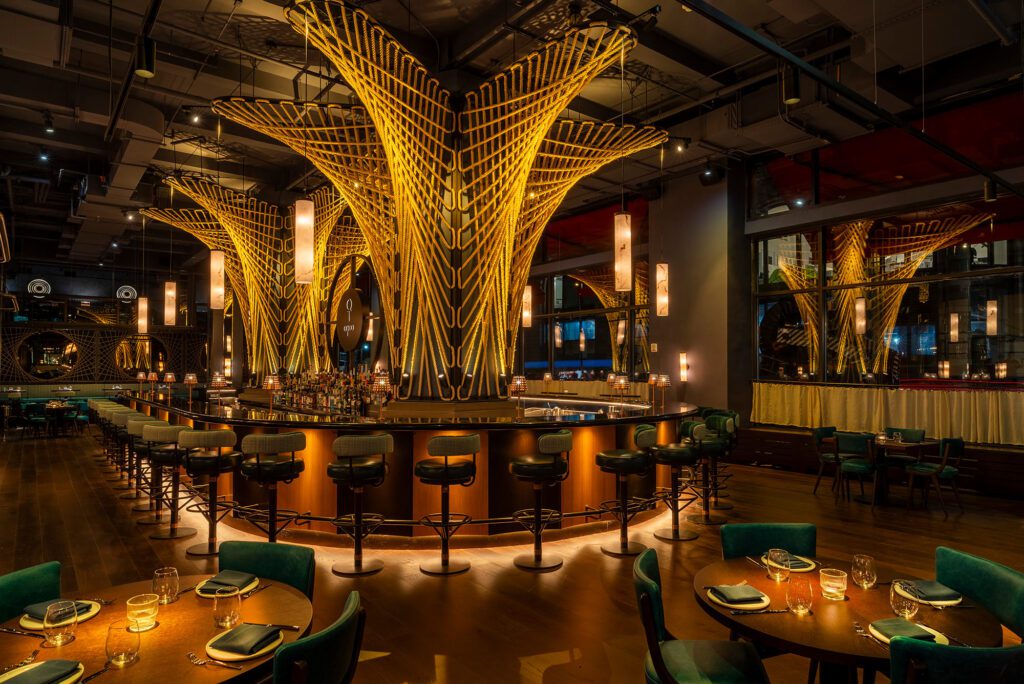
| Bar | Private social spaces and clubs |
| Gym | Fitness, recovery and performance |
| Concierge | Personalized lifestyle management |
| Lobby | Gallery, cultural and social space |
| Hotel stay | Curated lifestyle experience |
This evolution matters because luxury increasingly depends on integration. A guest may want to exercise, receive a wellness treatment, work privately, meet friends, visit an exhibition, dine and attend a cultural event without repeatedly leaving the property.
The hotel becomes a controlled environment where different parts of life can coexist.
Wellness Is Becoming More Than a Spa
The clearest evidence of this transformation is wellness.
For years, hotel wellness generally meant a spa, massage treatment and fitness room. Those remain important, but the category is expanding.
Recent hospitality developments include ice baths, outdoor training, sound experiences, specialized beauty treatments, longevity programs, yoga, nutrition and more personalized recovery experiences. Forbes’ recent reporting on The Standard Hua Hin, for example, describes ice baths, sunrise yoga, an outdoor gym and beauty programming as part of the property’s evolving proposition.
Other properties are pushing wellness further into medical and performance territory.
Forbes highlighted Hacienda AltaGracia in Costa Rica, which combines hospitality with longevity programming and a Skin Longevity Institute, while TheLifeCo St. Lucia offers supervised wellness programs.
The significance is not that every luxury hotel will become a medical clinic. Rather, wellness is becoming integrated into the identity of the property, allowing guests to prioritize how they want to feel throughout their stay rather than treating wellness as an optional activity.
That creates an interesting shift in luxury.
The question is no longer simply:
What can the hotel give me?
It becomes:
What can the hotel help me become?
The Rise of the Hotel as a Private Club
The private-club model provides another clue about where luxury hospitality is heading.
Private clubs have historically offered affluent members a combination of access, community, design, dining and discretion. Hotels can increasingly provide similar benefits while adding accommodation, wellness and hospitality.
That creates a powerful proposition.
A guest does not simply book a room. They enter an environment populated by people with similar interests, tastes and expectations, creating an experience that is both social and private.
A well-designed club can provide networking without the transactional atmosphere of a conventional business event. It can provide dining without the formality of a restaurant. It can provide social interaction while preserving personal space.
For luxury hospitality, this creates a potentially valuable relationship beyond the overnight stay.
The hotel becomes somewhere guests belong, rather than somewhere they simply sleep.
Art Is Becoming Part of the Hospitality Experience
Luxury hotels have long displayed artwork.
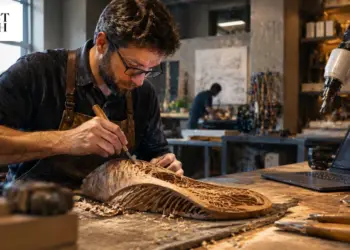
The difference is that art and culture can now become part of the property’s identity rather than decorative additions to corridors and rooms.
This can include curated collections, artist collaborations, exhibitions, performances, design installations and cultural programming.
The objective is similar to what luxury brands have done in fashion and retail: create an environment that communicates a distinct worldview.
That matters because wealthy consumers increasingly have access to high-quality material goods almost everywhere.
A beautiful chair is no longer enough.
The surrounding story, provenance and cultural context can become part of the value.
This is one reason the modern luxury hotel increasingly resembles a gallery, cultural venue or members’ club.
The property itself becomes an expression of taste.
The Hotel as a Performance and Recovery Center
Fitness is undergoing a similar transformation.
The old hotel gym was often an afterthought: a small room with treadmills, weights and a few machines.
Luxury hospitality is increasingly treating physical performance as a core part of the guest experience.
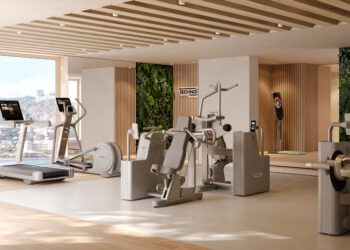
That can mean better training facilities, Pilates, yoga, recovery areas, outdoor fitness, cold exposure and other specialized experiences.
The distinction is important: a gym provides equipment, while a performance-oriented hotel creates an experience around the individual’s goals.
That could mean helping a guest maintain a training routine while traveling, recover after a long journey or simply preserve familiar habits away from home.
In this model, personalization becomes more important than size.
Personalization Is the Real Luxury
The expansion of amenities only matters if the hotel knows how to connect them. A property can have a spa, restaurant, gym, gallery and private club and still feel like a collection of unrelated businesses. The more compelling model is integration.
A guest’s preferences can influence dining, wellness, room setup, activities and scheduling.
One guest may prioritize sleep and recovery.
Another may want intensive fitness.
Another may want art, dining and social experiences.
Another may want complete privacy.
The luxury lies in allowing the same property to accommodate different priorities without forcing everyone into the same experience.
Recent reporting on La Concha illustrates this movement. Following its transformation, the San Juan property positioned wellness, culinary experiences, art, design and nightlife as parts of a cohesive lifestyle destination rather than separate offerings.
Personalization is becoming the connective tissue of luxury hospitality.
The New Value of Staying Inside
Luxury travel has traditionally encouraged guests to explore.
Yet there is a growing appeal in not having to leave.
If a property offers exceptional dining, wellness, entertainment, art, fitness and private spaces, the hotel itself can become the destination.
This does not mean guests want isolation. They want choice: the freedom to enter the city for culture or entertainment and return to a controlled environment when they want privacy.
The Gale Miami Hotel and Residences provides one example of this philosophy. Forbes reported that the property combines Miami’s social energy with wellness facilities, allowing guests to move between activity and recovery rather than choosing one lifestyle exclusively.
This flexibility may become increasingly important to affluent travelers.
Luxury is not necessarily about doing more.
Sometimes it is about having the freedom to decide what happens next.
The Economics of a Private World
There is also a commercial logic behind this transformation.
A traditional hotel largely monetizes rooms and food and beverage. A more integrated property can create multiple relationships with the same guest through wellness, memberships, dining, events, residences, retail and specialized experiences.
That can create a broader ecosystem around the property.
However, the model also introduces risks.
More amenities require more investment, more specialized employees and greater operational complexity. A wellness laboratory requires different expertise from a restaurant. A gallery requires curatorial thinking. A private club requires community management.
The challenge is therefore not simply adding services.
It is making them feel intentional and coherent.
A hotel with twenty unrelated luxury amenities can feel less sophisticated than a property with five carefully integrated experiences.
Unique Insight: The Hotel Is Becoming a Lifestyle Infrastructure
The most important shift may be bigger than wellness.
The luxury hotel is gradually becoming a form of lifestyle infrastructure.
It can provide a place to sleep, but also a place to exercise, recover, socialize, work, eat, discover culture and maintain personal routines.
That makes the hotel increasingly similar to a private ecosystem.
For wealthy travelers, this has a particular appeal because time itself becomes valuable.
A property that can combine multiple needs within one environment reduces friction.
Instead of traveling across a city for a treatment, a workout, a meeting, dinner and entertainment, the guest can move between experiences within the same carefully designed environment.
The real luxury is therefore not necessarily the number of services, but the removal of friction between them.
That may ultimately prove more valuable than gold finishes, oversized lobbies or increasingly elaborate suites.
The Sustainability Question
The expansion of luxury hospitality also creates an important question: how much infrastructure is enough?
Wellness facilities, restaurants, pools, air conditioning, kitchens, spas and entertainment spaces all consume resources.
A hotel designed to become a private world can therefore have a larger operational footprint than a simple accommodation property.
That makes sustainability more complicated.
Hotels increasingly need to consider energy efficiency, water management, waste, sourcing, building materials and local economic impact. The luxury experience cannot simply be separated from the environmental system supporting it.
This creates an opportunity for hospitality companies to make sustainability part of the experience rather than hiding it behind the scenes.
Local food, conservation projects, responsible sourcing, efficient buildings and thoughtful design can become elements of the property’s identity.
The most sophisticated luxury may ultimately be having more without creating unnecessary excess.
Where Luxury Hospitality Goes Next
The next generation of luxury hotels will likely compete less on the number of stars and more on the quality of the ecosystem they create.
Wellness will continue expanding beyond the spa.
Fitness will move toward performance and recovery.
Art will become increasingly integrated into hotel identity.
Private clubs will blur the line between hospitality and membership.
Dining will become part of the cultural proposition.
And personalization will connect all of these experiences.
Technology will support this evolution, but technology alone will not create luxury.
The most valuable element remains human judgment: knowing what a guest wants before they have to ask, while respecting when they want to be left alone.
That balance between access and privacy may become one of the defining characteristics of premium hospitality.
Conclusion
The hotel is no longer necessarily just a place to stay.
The most ambitious luxury properties are becoming private worlds where guests can sleep, dine, exercise, recover, socialize, experience art and maintain their preferred way of living.
Wellness is one of the clearest expressions of this transformation, but it is only part of the story. The broader movement involves private clubs, cultural programming, performance, personalized service and increasingly integrated experiences.
The recent evolution of properties such as La Concha, The Standard Hua Hin and Desa Potato Head shows how hotels associated with social or lifestyle experiences are expanding the definition of what a stay can include.
For luxury hospitality, the future may therefore be less about building a better hotel and more about creating a better private ecosystem.
The winning property may not be the one with the most amenities, but the one where every part of the experience feels designed around the life of the person staying there.
Frequently Asked Questions
How are luxury hotels changing?
Luxury hotels are expanding beyond rooms and restaurants into wellness, fitness, recovery, cultural programming, private clubs, personalized dining and other lifestyle experiences.
Why is wellness becoming important in luxury hospitality?
Wellness is increasingly treated as part of the overall travel experience rather than simply a spa amenity. Hotels are adding fitness, recovery, beauty, longevity and personalized wellbeing programs.
Are luxury hotels becoming private clubs?
Some are increasingly incorporating club-like characteristics, including exclusive social spaces, curated communities, events, dining and personalized services.
What is a lifestyle hotel?
A lifestyle hotel focuses on a broader guest experience built around design, culture, food, wellness, entertainment and social interaction rather than accommodation alone.
How are hotels using art?
Luxury properties can use curated collections, exhibitions, artist collaborations, installations and cultural programming to make art part of the property’s identity.
What is the future of hotel wellness?
Hotel wellness is likely to continue expanding from traditional spas into fitness, recovery, beauty, nutrition, longevity and more personalized experiences.
Why does personalization matter in luxury hospitality?
Affluent travelers often have different priorities. Personalization allows a property to adapt the experience around individual preferences rather than providing identical luxury to every guest.
Will luxury hotels become destinations themselves?
Increasingly, yes. Properties with strong dining, wellness, culture, entertainment and private experiences can give guests reasons to spend more of their time inside the hotel rather than treating it only as accommodation.