Key Takeaways
- Jean sizes vary, so waist, hip, thigh, rise, and inseam details matter more than the label alone.
- Curvy denim is designed with proportion in mind, not simply made by adding fabric to a smaller pattern.
- The best pair feels secure at the waist, comfortable through the seat and thighs, and easy to move in.
- Stretch and recovery determine how jeans feel over time and whether they keep their shape.
- A quick try-on test can identify common fit problems before jeans become a wardrobe regret.
The number on the label does not define great jeans. They are defined by whether the waistband stays put, the hips and thighs have room to move, and the fabric still feels good after a long day. A thoughtful fit can make denim shopping far less frustrating.
Torrid, a plus-size fashion retailer serving shoppers online and through stores across the United States, offers a helpful plus size denim fit guide that breaks down jean silhouettes, stretch levels, and key measurements. Because the brand focuses on clothing designed for curvier proportions, its fit resource is a practical starting point for comparing styles before ordering or visiting a store.
Why Fit Matters More Than The Size Label
A size 18 in one brand can fit very differently from a size 18 in another. One pair may fit comfortably at the hip but leave a gap at the waist, while another may close at the waist and pull uncomfortably across the thighs. That does not mean anything is wrong with your body. It usually means the cut, rise, fabric, or proportions don’t match.
When shopping online, compare the garment measurements with a pair you already love. Pay close attention to fabric composition, rise, inseam, and stretch notes rather than relying on a familiar size alone.
What Makes Curvy Denim Different
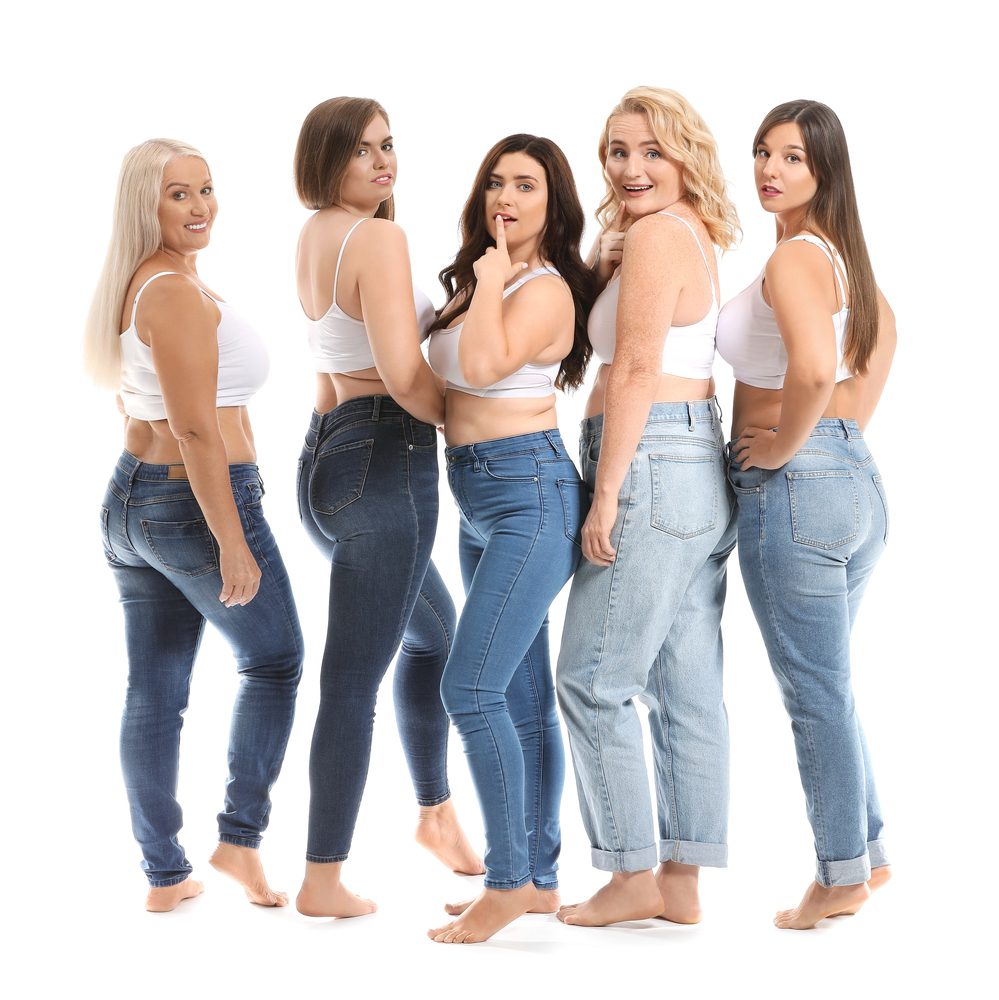
Jeans designed for curvy bodies generally accommodate a greater difference between waist and hip measurements. They may include a contoured waistband, more room through the seat, a fuller thigh, and a back rise that offers better coverage while sitting or bending.
These details are about comfort and movement, not forcing a body into a particular shape. A well-designed waistband lies flat, the seat does not feel strained, and the lower leg still looks intentional instead of overly loose.
Measurements To Check Before Buying
Waist And Hip
Measure where the waistband will actually sit, not automatically at the smallest part of your torso. Then measure around the fullest part of the hips and seat. If your waist and hip measurements fall in different size ranges, prioritize the area that needs more room. Taking in a waistband is usually easier than adding space to a tight seat or thigh.
Rise, Inseam, And Leg Opening
Front rise runs from the crotch seam to the top front of the waistband, while back rise runs from the crotch seam to the back waistband. High-rise jeans can feel secure and covered, mid-rise styles often sit comfortably below the natural waist, and low-rise jeans sit lower on the torso. Inseam is the inner-leg measurement from crotch to hem. Also check the leg opening, since it determines whether a style reads as skinny, straight, bootcut, flare, or wide-leg.
Stretch, Recovery, And All-Day Comfort
Stretch is not a single feature. Rigid denim has little or no give and often softens with wear. Low-stretch denim maintains a structured look while offering slight flexibility. Medium-stretch denim is often a reliable everyday option, while high-stretch denim provides a closer, more flexible fit.
Recovery matters as much. It describes how well fabric returns to shape after walking, sitting, and bending. Jeans with weak recovery may feel comfortable at first, but become loose at the knees or seat by evening. Jeans that feel restrictive in the fitting room are unlikely to become ideal after a full workday.
Choosing A Jean Silhouette
- Skinny: Close through the leg and easy with boots, sneakers, and longer tops.
- Straight: A versatile, consistent line from hip to hem.
- Bootcut: Slim through the upper leg with a subtle opening below the knee.
- Flare: A more dramatic widening from the knee down.
- Wide-leg: Relaxed and polished, with room from the thigh or hip downward.
- Barrel, boyfriend, and baggy: Casual options that offer an easy, current feel and extra freedom of movement.
No silhouette belongs to one body type. The best choice is the one that fits your waist and hips well, suits your routine, and makes you feel like yourself.
A Simple Try-On Test
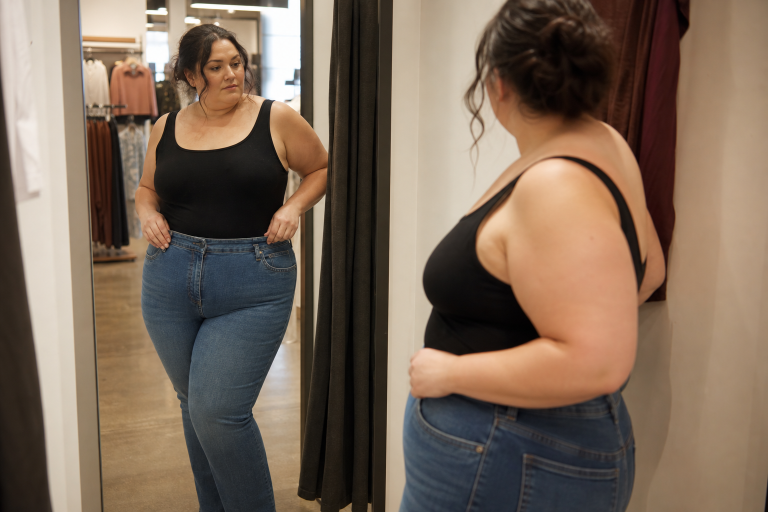
- Stand naturally and make sure the waistband lies flat without digging in.
- Sit down to check for pinching, rolling, or a waistband that drops too low in the back.
- Walk, bend, and squat gently to test the hips, thighs, and knees.
- Check whether pocket openings flare, which can signal that the seat needs more room.
- Look at the hem of the shoes you will wear most often.
Common Fit Problems And Practical Fixes
- Waist gaping: Try a contoured waistband, a different rise, or tailoring the waist after fitting the hips.
- Tight hips or thighs: Choose a roomier cut, more stretch, or a pattern with more seat depth.
- Jeans sliding down: Check the waist measurement, rise, and fabric recovery before sizing down automatically.
- Baggy knees or seat: Look for better recovery and avoid over-washing stretch denim.
Style Jeans For Real Life And Protect Their Fit
Dark straight-leg jeans with loafers and a blazer can work for a polished day out. Wide-leg jeans pair well with a tucked sweater or shorter jacket, while flares look balanced with a fitted top. A belt can add style, but it should never be the only thing keeping jeans in place.
Wash denim only when needed, turn it inside out, and avoid high dryer heat when stretch fibers are present. Following garment care-label instructions helps protect color, stretch, recovery, and overall fit. Rotating between pairs also reduces repeated stress on the same areas.
Frequently Asked Questions
Should New Jeans Feel Tight?
They should feel secure, not painful. Some denim relaxes slightly, but strong pulling, restricted movement, or discomfort is a sign to try another size or style.
Should I Buy Jeans For My Waist Or Hips?
Usually, buy for the hips and thighs if that is where you need the most room. A waistband is often easier to adjust than a tight seat.
Are High-Rise Jeans Better For Curves?
They can provide coverage and a secure feel, but the best fit depends on your torso length, comfort preferences, and where you like the waistband to sit.
What Is The Most Versatile Jean Style?
Dark-wash straight-leg jeans are a strong starting point because they can shift easily between casual and more polished outfits. Still, versatility is personal, so choose the silhouette you will genuinely wear most.
Conclusion
The right jeans work with your proportions instead of asking you to ignore discomfort. Focus on waist, hips, thighs, rise, inseam, stretch, and recovery. With a few measurements and a careful try-on, finding comfortable denim can be a much simpler, more confident process.
photo by depositphotos