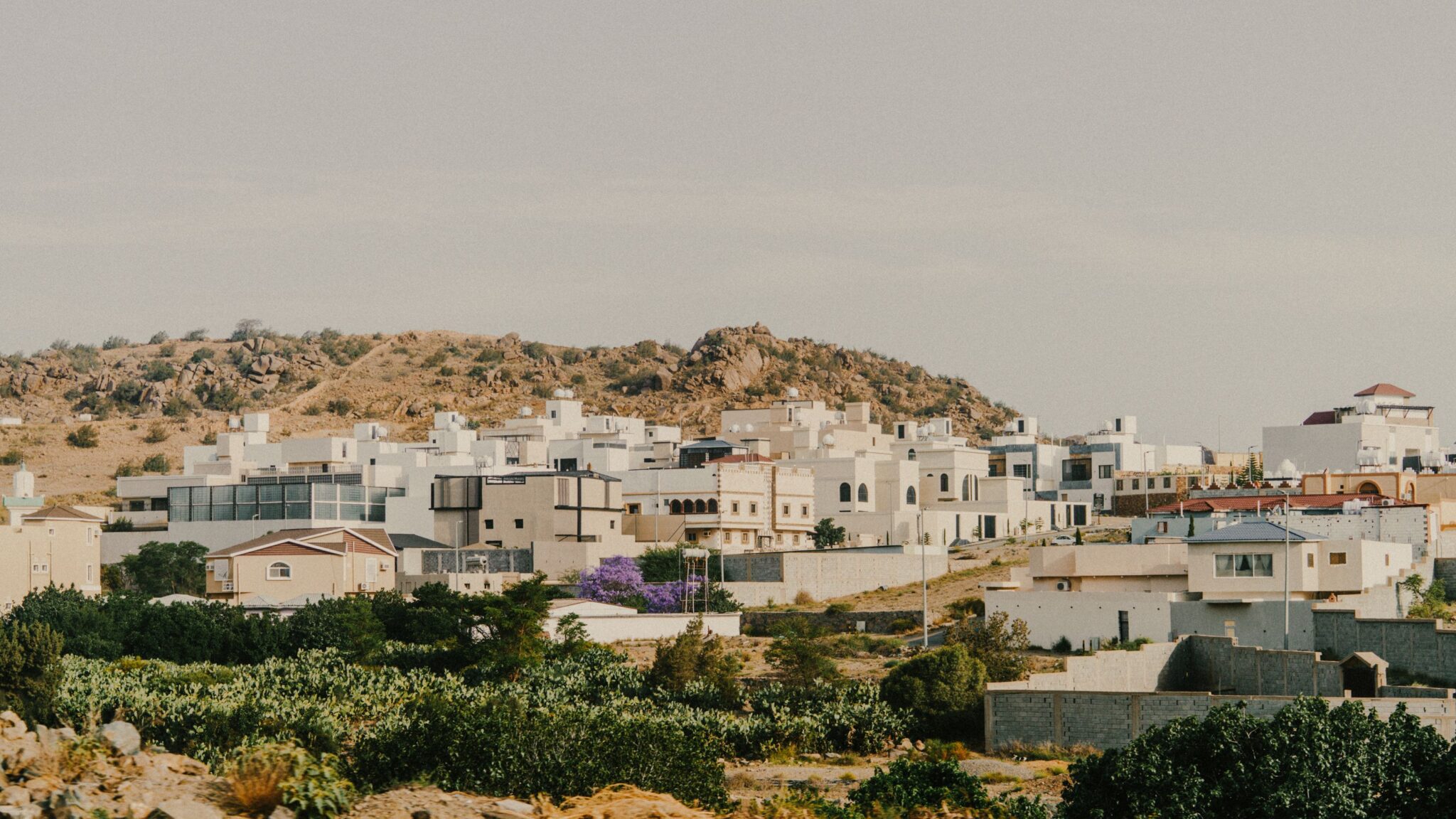
Since its unveiling in 2016, Saudi Vision 2030 has served as the Kingdom’s primary economic beacon, steering the nation toward a future defined by diversification, innovation, and an elevated quality of life. At the heart of this transformative roadmap lies the real estate sector, which has been identified as a critical engine for non-oil economic growth. With nearly vast financial resources earmarked for infrastructure and property development, Saudi Arabia is currently witnessing the rise of futuristic megacities and sprawling residential communities that are reshaping the regional landscape. This article explores how Vision 2030 is specifically impacting the residential property market, from boosting homeownership rates to attracting significant foreign direct investment (FDI) through regulatory overhaul.
Revolutionizing Homeownership and Housing Supply
One of the most ambitious targets of Vision 2030 is to increase the rate of homeownership among Saudi citizens from a baseline to a majority goal by the end of the decade. To achieve this, the government has transitioned its role from a direct housing provider to an enabler of the market, fostering partnerships with the private sector to expand supply. This enabling approach has already shown significant results, with homeownership reaching approximately a substantial percentage in recent years. Key developers like ROSHN are playing a pivotal role in this expansion, launching massive residential communities across the Kingdom that balance modern standards with affordability.
Furthermore, the government has introduced multiple financial levers to make housing more accessible. These include mortgage support initiatives and the raising of the mortgage limit from an increased threshold by the Saudi Central Bank. The Saudi Real Estate Refinancing Company (SRC) has also been instrumental in providing liquidity to the market, ensuring that even low-income families can access suitable financing. These measures have successfully stabilized the market by expanding supply across all income segments and reducing the speculation that previously led to volatility.
Regulatory Reforms and Market Transparency
For decades, the Saudi real estate market was characterized by limited transparency and restrictions on foreign ownership. Vision 2030 has dismantled these barriers through a series of landmark reforms. The establishment of the Real Estate General Authority (REGA) has significantly enhanced market oversight, while digital platforms have streamlined the processes for buying, selling, and documenting property. This shift toward a data-driven market has boosted investor confidence and positioned Saudi Arabia as a globally competitive investment hub.
The introduction of the Real Estate Transaction Tax (RETT) at a standardized rate provides fiscal clarity for buyers, mirroring successful models in other global cities like Dubai. Additionally, the new Premium Residency program offers long-term residence and the right to own real estate to international investors spending above a specific investment threshold. These reforms are already attracting a surge of international capital, with FDI inflow targets set to reach a substantial level by 2030. For those looking to navigate this evolving landscape, platforms like Bayut KSA provide essential tools, connecting seekers with trusted agents and a wide directory of residential options across cities like Riyadh and Jeddah.
Giga-Projects: Redefining Urban Living
The impact of Vision 2030 is perhaps most visible in the launch of its giga-projects massive developments that represent nation-building at an unprecedented scale. NEOM, the world’s most talked-about smart city development, is designed to attract tech entrepreneurs and young professionals from across the globe. Other projects like Diriyah Gate and The Red Sea Project are boosting demand for luxury hospitality-related real estate and premium residential units. These projects do more than just add housing; they incorporate international schools, healthcare facilities, and sustainable transport, creating human-centric environments that elevate the overall quality of life.
As these giga-projects move into their main construction phases, they are creating vast demand for temporary accommodation and permanent housing alike. This has led to a focus on branded residences and mixed-use developments that cater to a growing middle class and an influx of international talent. The integration of advanced digital technologies and sustainable energy within these cities is setting new global benchmarks for urban development.
Sustainability and the Future Outlook
Vision 2030 places a strong emphasis on environmental, social, and governance (ESG) principles. Saudi developers are increasingly adopting sustainable building technologies and aiming for international certifications like LEED to minimize the environmental footprint of new developments. This commitment to sustainability is not only an ethical imperative but also a strategic one, as global capital increasingly flows toward ESG-compliant projects. The integration of IoT sensors and AI-driven property management is further reducing operational costs and enhancing tenant satisfaction in modern residential buildings.
Looking ahead to 2030, the residential real estate market is forecast to maintain annual price growth of steady appreciation in key areas like Riyadh and Jeddah. As secondary markets mature and liquidity improves through REITs and pension funds, real estate in Saudi Arabia will transition from an emerging opportunity to a stable, mature asset class within global portfolios. Despite challenges such as high project costs and global economic volatility, the Kingdom’s strategic approach ensures long-term resilience and growth.
Frequently Asked Questions
What is the current mortgage limit for Saudi citizens under Vision 2030?
The Saudi Central Bank (SAMA) has raised the mortgage limit from 75% to 90% of the property value to facilitate easier access to financing for citizens.
What is the Real Estate Transaction Tax (RETT) rate in Saudi Arabia?
Saudi Arabia has introduced a streamlined Real Estate Transaction Tax (RETT) at a rate of 5%, which replaced previous multiple fees to provide greater fiscal clarity for investors.
How many jobs is the real estate sector expected to create by 2030?
The Real Estate Sector Strategy aims to generate over a substantial volume of job opportunities within the industry by the year 2030.
What is the target for land and property registration in the Kingdom?
The government has set a target of achieving a significant majority of land and property registration across Saudi Arabia by the end of the decade to enhance market transparency.
What is the 2030 target for Foreign Direct Investment (FDI) inflow into the Kingdom?
The Ministry of Investment has announced an FDI inflow target of a substantial level by 2030, representing significant growth aimed at diversifying the economy.
Who manages the Developmental Housing Program for vulnerable groups?
The Saudi government, acting as an enabler, serves low-income and vulnerable groups through the Developmental Housing Program, ensuring they have access to adequate shelter.