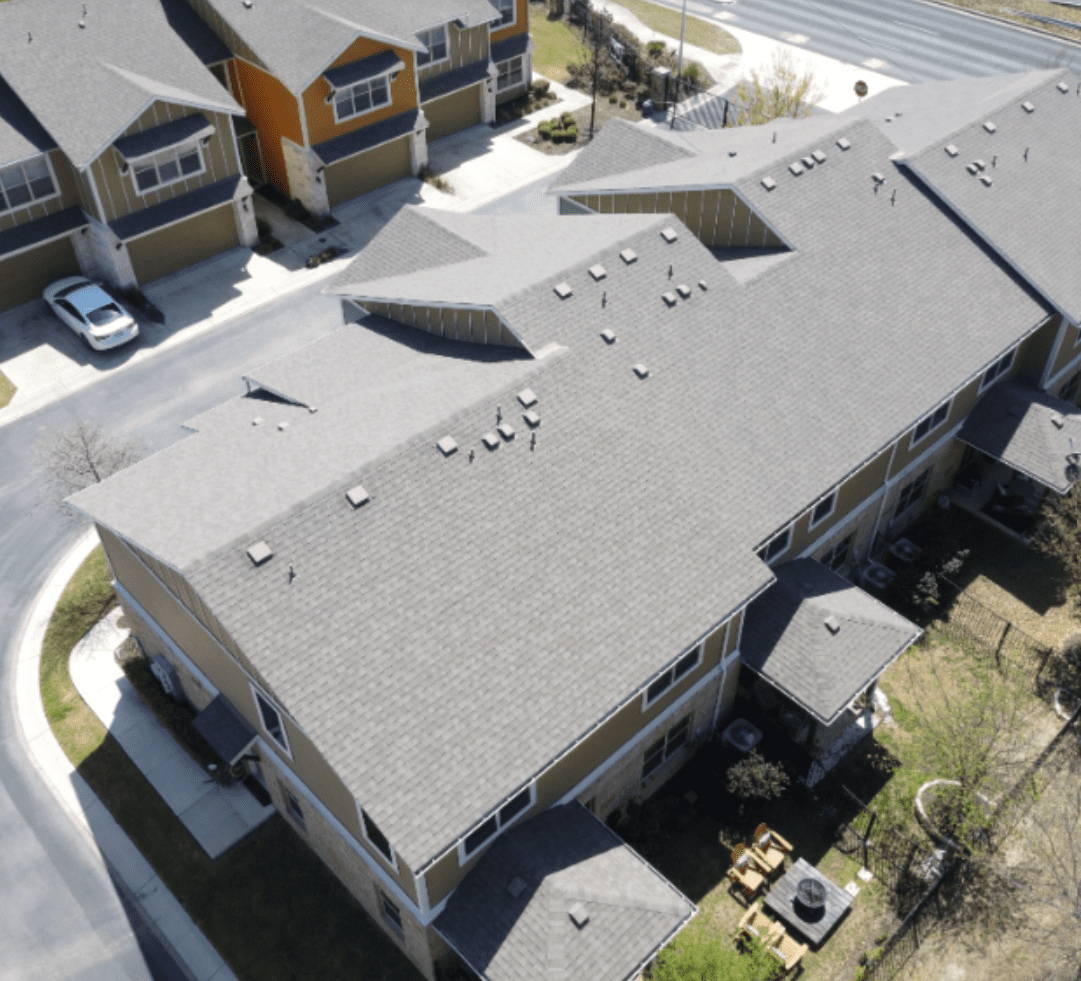
Your roof covers close to 40% of your home’s visible exterior, yet most owners think about it only after a storm forces the question. In a market like Austin, that gap gets expensive fast.
Hail, relentless heat, and climbing insurance costs quietly erode one of the largest assets you own. A worn roof does more than risk leaks. It pulls down appraisals, unsettles buyers, and turns a clean sale into a drawn out negotiation.
Treating a replacement as an investment rather than a grudge purchase changes the math. Partnering with an established local contractor such as LOA Construction and Austin Roofing gives you a roof that defends both the structure and its market value. This guide covers what every owner should weigh before the next storm season.
Key Takeaways
- Asphalt roof replacement returns close to 57% of project cost at resale, plus indirect gains.
- Austin sits inside one of the country’s most active hail corridors.
- Texas home insurance premiums climbed over 55% from 2019 to 2024.
- Impact resistant shingles can earn insurance discounts that offset their higher price.
- A failing roof is a deal killer at inspection, not a simple price adjustment.
A Roof Is a Financial Asset, Not Just Shelter
A roof stores value in your property the same way the foundation does. Appraisers, lenders, and buyers all read its condition as a signal of how the entire home has been cared for.
Because the roofline dominates curb appeal, a tired surface drags first impressions downward before anyone steps inside. Worn shingles whisper deferred maintenance, and buyers price that worry into every offer.
A deteriorating roof regularly triggers appraisal callouts, inspection price cuts, and even financing denials on FHA and VA loans.
For owners who plan to keep a home for decades, the surface overhead belongs in the same bracket as real estate as a long-term investment. Protect it, and you protect the compounding equity underneath it.
What a New Roof Returns at Resale
A new asphalt shingle roof returns about 56.9% of its cost at resale, based on the 2024 Cost vs Value Report. The national project averages roughly $30,680 and lifts resale value by close to $17,461. Metal sits at 48.1%, with a higher build cost near $49,928 against $24,034 in added value.
Figure 1: Project cost versus resale value added, by roofing material (2024 remodeling cost data).
Those headline percentages understate the full picture. One real estate marketplace estimates a fresh roof typically adds $15,000 to $25,000 on a standard single home, and the indirect payoff often closes the remaining gap through faster sales and fewer buyer concessions.
Agents agree. According to the latest remodeling impact research from the National Association of Realtors, 37% of agents suggest sellers install fresh roofing before listing, and 43% report rising buyer demand for it. The project even earns a perfect homeowner satisfaction score of 10.
| Quick stat: A new roof is one of only three projects nationwide to earn a perfect Joy Score of 10 from homeowners, sitting alongside a primary suite addition and a kitchen upgrade. |
Owners weighing where to direct capital across the broader US housing market should note that few exterior projects defend value as reliably as the one over their heads.
The Austin Factor: Hail, Heat, and Rising Premiums
Austin homeowners face roofing pressures that national averages quietly hide. Central Texas storms, scorching summers, and a hardening insurance market all shorten the clock on every surface in the metro.
Texas ranks among the top three states for severe hail year after year, with the National Oceanic and Atmospheric Administration recording more than 14,000 significant hail events between 2000 and 2023. Each spring brings fresh strikes that send hundreds of claims flooding in across the region.
That loss history reshapes premiums. Research from a state policy group shows average Texas home insurance costs jumped more than 55% between 2019 and 2024. Federal Reserve researchers tracking these increases tie the surge to costly weather, pricier reinsurance, and rebuilding inflation.
Figure 2: Approved Texas homeowners insurance rate changes by year (Texas Department of Insurance).
| Watch your deductible. Most Texas carriers have shifted wind and hail deductibles from 1% to 2%, sometimes 3%, of your home’s insured value. On a $400,000 policy, a 2% deductible means $8,000 out of pocket before coverage starts. Read this line before storm season, not after. |
Heat compounds the damage. Prolonged Central Texas sun bakes shingles and accelerates granule loss, so real-world life often runs shorter than the warranty printed on the box.
Austin roofing materials at a glance:
| Material | Installed cost / sq ft | Typical lifespan | Hail performance |
| 3-tab asphalt | $3.50 to $7.00 | 15 to 20 years | Basic |
| Architectural asphalt | $5.00 to $9.50 | 20 to 30 years | Good |
| Class 4 impact resistant | $6.00 and up | 25 to 30 years | Excellent |
| Standing seam metal | $10.00 to $16.00 | 40 to 70 years | Excellent |
Choosing Materials That Hold Value in Central Texas
Material choice drives both the price tag and the long-term return. Architectural shingles remain the popular pick across Austin because they balance cost, curb appeal, and storm resistance better than the older flat style.
Class 4 impact resistant shingles deserve a closer look in a hail belt. A reinforced fiberglass mat shrugs off stones that would crack standard products, and many carriers reward the upgrade.
| Pro tip: Several Austin-area insurers offer premium discounts of 15% to 28% for verified Class 4 roofs. Over the life of the system, that discount often cancels out the extra upfront cost. |
Metal carries the highest entry price but rewards patient owners with four to seven decades of service and strong heat reflection. For anyone building a resilient property portfolio, that durability can matter more than the sticker.
Energy performance adds a second dividend. Modern shingles, reflective coatings, upgraded underlayment, and better attic ventilation trim attic heat and soften cooling bills through the long summer stretch.
Protecting the Investment When You Replace
A quality roof is only as good as the crew behind it. After every major hailstorm, out of town chasers flood Austin with suspiciously low bids, finish quickly, and vanish when problems surface.
Before signing anything, work through a short checklist:
- Gather at least three detailed written estimates from licensed, insured contractors.
- Compare them line by line, including underlayment grade and ventilation, not just the bottom number.
- Confirm a workmanship warranty in writing, separate from the manufacturer warranty.
- Remember that Texas law forbids a contractor from waiving your deductible. If someone offers, walk away.
Documentation also wins money. A seasoned local team photographs every point of damage and presents it cleanly to the adjuster, which often lifts the initial settlement.
“Dan was very proactive after a recent hailstorm, meeting the outside adjuster and guiding us through the insurance claim. The entire replacement was expertly managed and executed seamlessly.”
That account comes from a homeowner reviewing the LOA team on Google after a storm claim. The pattern repeats across their reviews: a steady hand through the claim, then a clean install that holds up. That is what protects both the repair and the value beneath it.
Frequently Asked Questions
Does a new roof increase home value in Austin?
Yes. A fresh roof recovers most of its price at resale and clears a major inspection risk. In a hail prone market, buyers and appraisers reward recent upgrades with stronger offers and quicker closings.
How much does a roof replacement cost in Austin?
Most Austin homes fall between $8,000 and $25,000 in 2026, with the local average near $17,000. Roof size, pitch, material grade, and storm damage all move the final figure up or down.
Are impact resistant shingles worth it in Texas?
For most Austin owners, yes. Class 4 shingles resist hail far better than standard products, and insurer discounts of 15% to 28% frequently offset the higher purchase price over the years you own it.
Will insurance pay for a new roof in Austin?
Often, when the damage stems from a covered peril like hail or wind. Your payout depends on policy type and your wind and hail deductible, which now sits at 2% of insured value for many Texas carriers.
How long does a roof last in Central Texas?
Architectural asphalt typically lasts 20 to 30 years, though intense sun and hail can shorten that. Metal stretches to 40 years or more. Annual inspections help you reach the upper end of any range.
The Bottom Line for Austin Owners
A roof rarely lands on the spreadsheet of glamorous upgrades, yet few projects defend property value so reliably. In a metro shaped by storms, heat, and costly coverage, a sound surface overhead is quietly one of the smartest moves an owner can make.
Choose durable materials, lean on a trusted local crew, and document everything. Do that, and the money spent today keeps working for you long after the last shingle is nailed down.
References
National Association of Realtors, 2025 Remodeling Impact Report, 2025. https://www.nar.realtor/newsroom/top-remodeling-projects-for-homeowner-satisfaction-and-cost-recovery-revealed-in-nar-report
Federal Reserve Bank of Dallas, Texas Homeowners Pay High Insurance Costs, 2026. https://www.dallasfed.org/research/swe/2026/swe2609
United Policyholders citing NOAA Storm Prediction Center, Texas Hail Season Data, 2026. https://uphelp.org/texas-is-entering-peak-hail-season-and-most-homeowners-dont-understand-the-deductible-that-could-cost-them-thousands/
Instant Roofer, Austin Roof Replacement Cost, 2026. https://www.instantroofer.com/texas-roof-replacement-cost/austin/
Opendoor, Does a New Roof Increase Home Value, 2026. https://www.opendoor.com/articles/does-a-new-roof-increase-home-value-roi-costs-and-what-sellers-need-to-know
Fact Check: All statistics and data points in this article were verified against original sources as of June 19, 2026. Sources are listed in the References section.