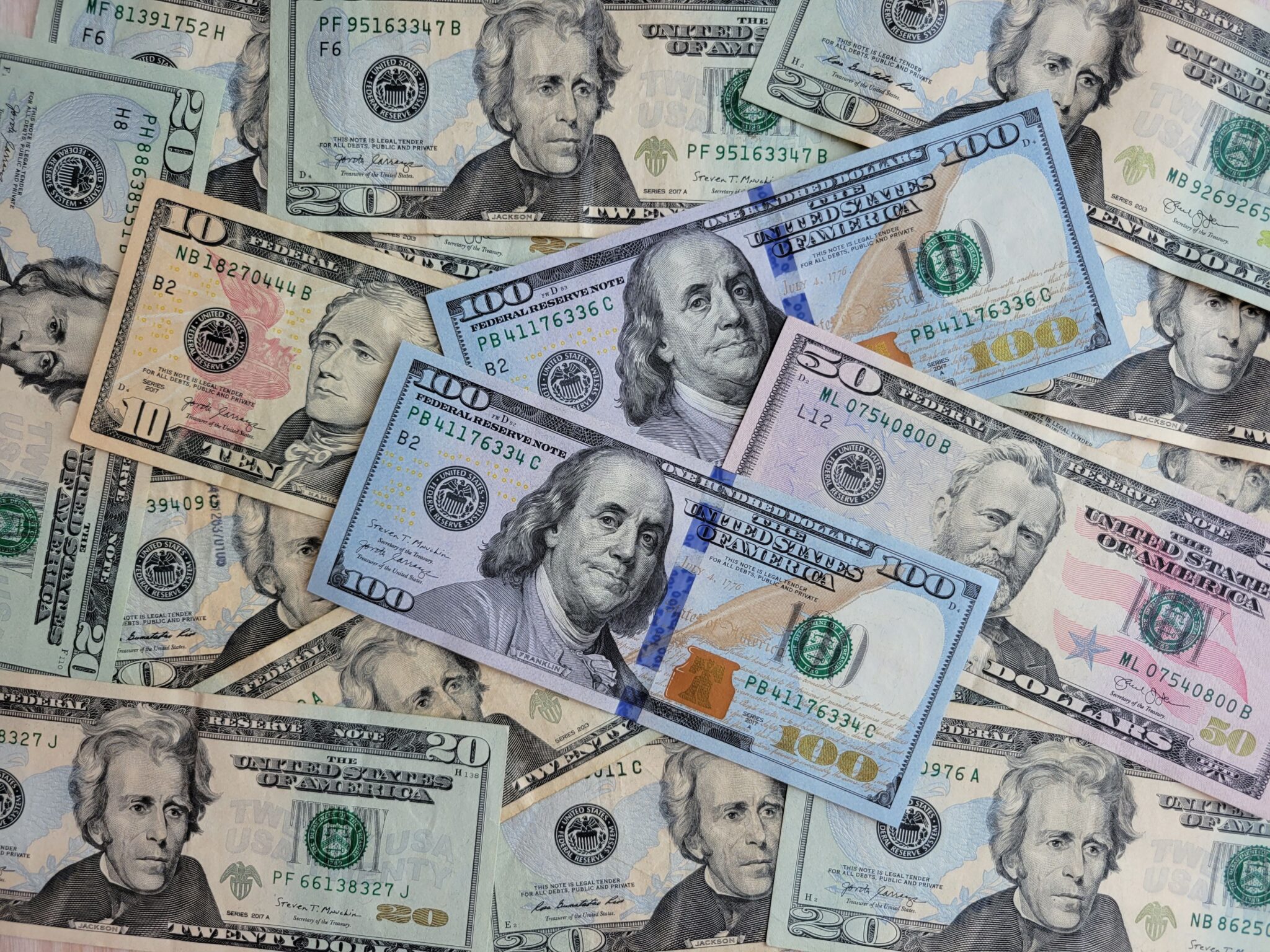
Sophisticated investors have spent the last decade rediscovering tangible assets. Fine art, rare watches, classic cars, vintage wine, precious metals: the “passion asset” category has moved from eccentric hobby to a legitimate line in the wealth-management conversation. Most of these require real capital and specialized knowledge to enter. But one corner of the tangible-asset world is something almost everyone already owns a piece of, usually without realizing it: collectible paper currency.
The two-dollar bill is a good illustration. It is the least-printed denomination in everyday American circulation, it carries an air of novelty, and millions of people have set one aside at some point because it seemed unusual. Far fewer have checked whether the note is actually worth more than its face value, and in a meaningful minority of cases it is.
Why currency belongs in the tangible-asset conversation
Collectible notes share the traits that make any passion asset interesting to wealth-minded people. They are finite and physical, their value driven by scarcity, condition, and provenance rather than by a yield or an earnings multiple. They also sit outside the correlated swings of public markets, which is much of the reason tangible assets have drawn renewed interest as a diversification layer.
What sets currency apart from a $40,000 watch or a six-figure canvas is the barrier to entry. You can begin understanding this market with bills you already have, or acquire meaningful pieces for modest sums. In that sense it is the most accessible introduction to the tangible-asset mindset, rewarding the same skills (patience, an eye for condition, a respect for scarcity) without demanding the same capital.
What separates a keepsake from a collectible
With the two-dollar bill, value concentrates in a handful of specific traits. Early notes, particularly large-size issues and certain small-size series from the first half of the 20th century, carry premiums that climb steeply with condition. Seal color matters too: red and brown seals from earlier series generally outrank the common green Federal Reserve notes. Star notes, identifiable by a star symbol in the serial number, were printed as replacements in smaller quantities and attract dedicated collectors. And the serial number itself can transform an ordinary bill, since low numbers, repeating digits, and ladder sequences all draw a premium.
Condition then acts as a multiplier across all of it. A crisp, uncirculated note of a desirable series can be worth many times a folded, well-handled example of the very same bill.
The discipline mirrors any serious collecting: the details are everything, and the gap between “interesting” and “valuable” is narrow and specific. For readers who want to assess what they are actually holding, FindBullionPrices maintains a comprehensive $2 bill value guide organized by series, seal, and condition, which is a useful reference for separating the genuinely collectible from the merely nostalgic.
The mindset, not just the money
The real value of examining something like a $2 bill is not the chance of finding a thousand-dollar note in a drawer. That outcome is rare and depends on an uncommon convergence of age, condition, and serial number. The value is in what the exercise teaches. It trains the same attention that underpins every tangible-asset decision: evaluating an object on its specific merits, understanding what scarcity actually means, and recognizing that worth is not always reflected on the face of a thing.
That habit scales. Someone who learns to read a banknote’s series, seal, and serial number is better equipped to think clearly about why one gold coin commands a premium over another, why provenance moves an art price, or why condition can double the value of an otherwise identical object. Tangible-asset literacy tends to start small.
A practical first step
If the appeal of tangible wealth is its concreteness, the ability to hold the thing you own, then currency is one of the most approachable entry points available. Start with what you have. Check the series, seal, serial number, and condition of any unusual bills in your possession, and compare them against a credible reference before assuming they are worth only face value.
It is a low-stakes way to practice a high-value skill. And occasionally, the most overlooked asset in the house turns out to have been sitting in a desk drawer the whole time.