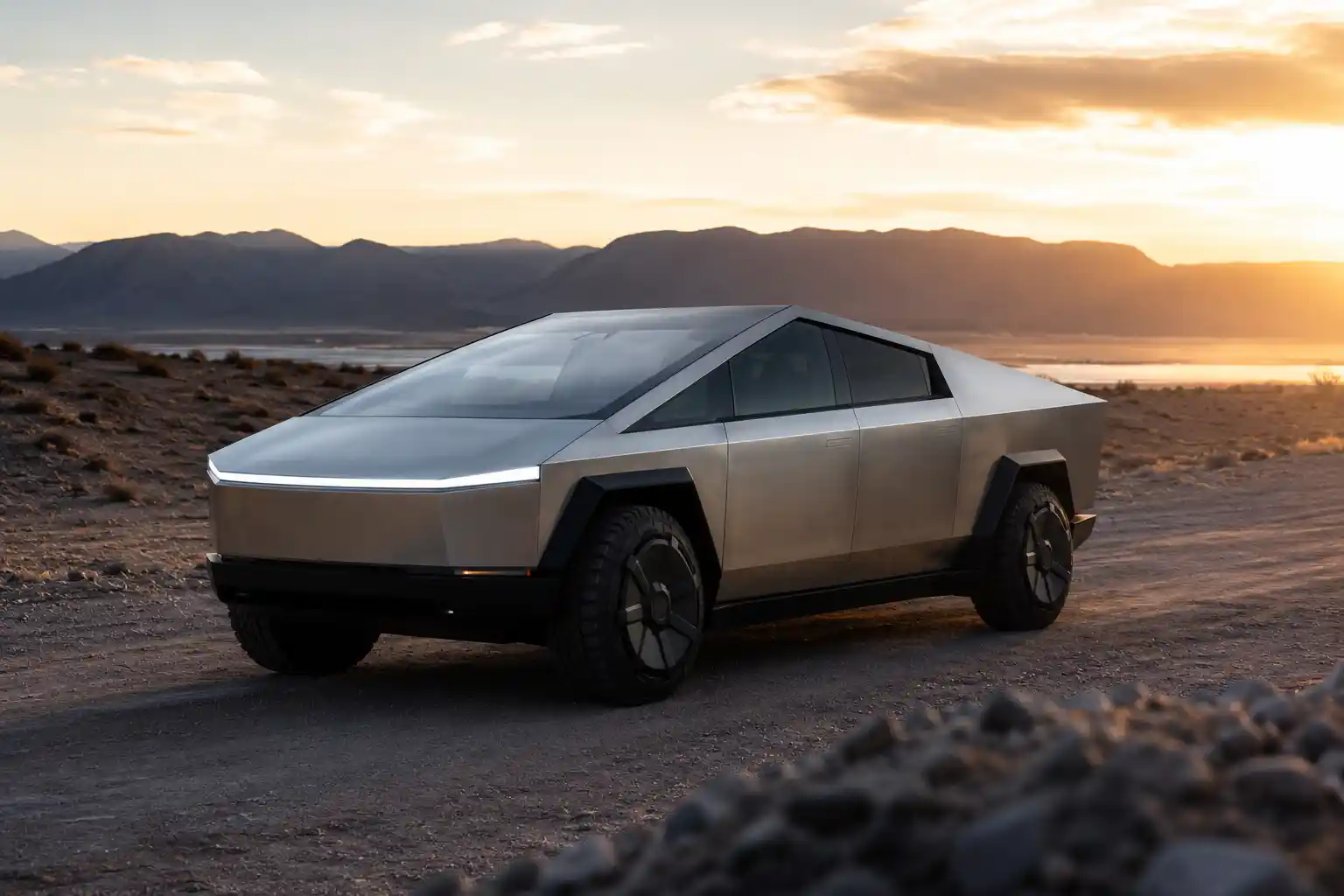
The Tesla Cybertruck is emerging as one of the most discussed luxury purchases among affluent consumers, not because it follows traditional automotive expectations but because it challenges them. Within elite buying circles, technology has increasingly become a marker of status, and unconventional products now attract buyers who once defaulted to heritage luxury brands. As premium mobility evolves, the Cybertruck is becoming part of a broader conversation about identity, innovation, and future-oriented wealth.
For decades, luxury purchasing centered on craftsmanship, legacy, and recognizable prestige symbols. However, a noticeable shift is unfolding among high-net-worth buyers, entrepreneurs, executives, celebrities, and technology-focused investors. These consumers increasingly evaluate products through the lens of innovation, digital capability, sustainability, and personal expression.
This shift aligns directly with luxury automotive trends 2026, where ownership extends beyond physical materials into software experiences, ecosystem integration, and continual product evolution. The rise of the luxury electric truck category reflects that transformation.
The appeal of the Tesla Cybertruck is therefore larger than electric transportation. Many wealthy consumers EV segments now view vehicles as extensions of their values and future outlook. Technology-driven luxury has become more influential than conventional prestige, and products that embody disruption often carry stronger cultural currency than established symbols.
The Cybertruck sits directly at the center of this transition.
Why Wealthy Buyers Are Embracing the Tesla Cybertruck?
Affluent consumers increasingly define luxury differently than previous generations. Traditional indicators such as chrome detailing, handcrafted interiors, and decades of heritage remain relevant; however, they no longer guarantee desirability.
Many high-net-worth buyers seek products that demonstrate forward thinking. They are attracted to companies that innovate quickly and challenge existing categories. Consequently, ownership becomes a reflection of mindset rather than simply financial capacity.
Several forces explain the Cybertruck’s appeal:
- Innovation-first purchasing behavior
- Distinctive identity and individuality
- Scarcity and production limitations
- Strong cultural visibility
- Integration with digital lifestyles
Entrepreneurs and founders frequently adopt early technologies because these purchases communicate optimism and strategic thinking. The Cybertruck fits naturally into that environment.
Moreover, exclusivity today is increasingly created through access and timing rather than heritage alone. Vehicles that generate waiting lists and strong public attention often become more culturally influential than products that rely solely on legacy.
Meanwhile, affluent buyers increasingly prioritize products that stand apart visually. In an environment where premium SUVs dominate roads globally, choosing something radically different itself becomes part of the luxury proposition.
As a result, the Cybertruck occupies a rare position: simultaneously practical, controversial, aspirational, and culturally visible.
Technology as the New Definition of Prestige
Luxury once centered around mechanical excellence. Today, digital capability increasingly determines perceived value.
For wealthy consumers, ownership is no longer static. Continuous improvement through software has become an important luxury feature.
The Cybertruck aligns with this expectation through software-defined ownership principles:
- Over-the-air feature enhancements
- Connected ecosystem experiences
- App-driven vehicle interaction
- Long-term performance updates
- Digital convenience layers
Rather than purchasing a finished product, owners increasingly expect vehicles to evolve.
Artificial intelligence, predictive functionality, and integrated interfaces now shape premium EV lifestyle expectations. Consequently, technology becomes both utility and status marker.
Traditional luxury manufacturers often emphasize craftsmanship and brand legacy. However, software-led experiences create an entirely different ownership model.
Technology and Luxury Evolution
| Luxury Factor | Tesla Cybertruck | Traditional Luxury SUV |
|---|---|---|
| Ownership Model | Software evolving | Fixed after purchase |
| Updates | Over-the-air | Dealer-dependent |
| Ecosystem | Digitally integrated | Brand-centric |
| Personalization | Software-enabled | Hardware-focused |
| Innovation Cycle | Rapid | Incremental |
This difference explains why many affluent consumers increasingly discuss vehicles as technology assets rather than transportation purchases.
The broader implication is significant: prestige increasingly comes from what products become over time rather than what they are at delivery.
Design That Signals Confidence and Individuality
Design has become one of the strongest reasons wealthy consumers notice the Cybertruck.
Luxury traditionally rewarded familiarity and elegance. However, modern luxury vehicles increasingly reward distinctiveness.
The Cybertruck’s angular silhouette rejects conventional automotive design language. That decision creates strong emotional responses—and for certain buyers, that is precisely the point.
Affluent consumers often seek purchases that separate them from mainstream ownership patterns.
Several psychological drivers support this trend:
- Identity signaling
- Attention differentiation
- Cultural visibility
- Future-oriented aesthetics
- Personal brand alignment
For entrepreneurs and public-facing professionals, vehicles increasingly operate as extensions of identity.
In contrast to understated luxury philosophies, the Cybertruck embraces visibility.
Moreover, the attention economy rewards memorable products. Social amplification transforms unusual design into cultural relevance.
Therefore, the vehicle functions not simply as transportation but as a public declaration of preference for disruption over convention.
That shift represents one of the strongest indicators of changing luxury consumption.
Ownership Experience Beyond Transportation
Luxury ownership increasingly extends beyond the drive itself.
Affluent buyers evaluate convenience, ecosystem quality, maintenance experience, and long-term usability.
The Cybertruck ownership proposition appeals because it integrates multiple advantages.
Technology highlights include:
- Digital-first ownership tools
- Streamlined charging infrastructure
- Reduced maintenance complexity
- Connected account experiences
- Continuous software improvements
Additionally, owners increasingly participate in communities built around shared product adoption.
Vehicle communities create cultural value beyond resale metrics.
Maintenance expectations also influence wealthy consumers EV decisions. Electric platforms often reduce routine servicing complexity relative to conventional premium vehicles.
Resale expectations remain another factor.
Historically, luxury vehicles depreciated quickly after peak prestige periods. However, vehicles associated with innovation cycles sometimes maintain attention longer because desirability evolves with technology perception.
Nevertheless, long-term ownership appeal still depends on market conditions, production scale, software support, and consumer sentiment.
What remains clear is that ownership expectations now extend far beyond leather quality and horsepower.
Premium Vehicle Comparison
| Vehicle | Technology | Prestige | Innovation | Target Buyer |
| Tesla Cybertruck | Very High | Emerging Modern Prestige | Very High | Entrepreneurs, innovators |
| Mercedes-Benz G-Class | Moderate | Extremely High | Moderate | Traditional luxury buyers |
| Rivian R1T | High | Growing | High | Lifestyle-focused professionals |
| GMC Hummer EV Pickup | High | Strong | Moderate | Performance enthusiasts |
| Range Rover SV | Moderate | Extremely High | Moderate | Heritage luxury consumers |
This comparison highlights an important market development.
Luxury positioning increasingly depends on future relevance rather than historical reputation alone.
The Future of Luxury Purchasing Among High-Net-Worth Consumers
Generational changes are accelerating luxury transformation.
Digital-native buyers often evaluate products differently than previous wealth cohorts.
Instead of asking whether a product signals status, they ask whether it reflects values.
Several themes define luxury automotive trends 2026:
- Sustainability as aspiration
- Personalization through software
- Connected ownership ecosystems
- Faster innovation cycles
- Reduced attachment to heritage
Moreover, wealthy consumers increasingly view sustainability and innovation as prestige factors.
This shift changes how manufacturers compete.
Luxury is becoming less about exclusivity through scarcity and more about exclusivity through relevance.
Consequently, products that adapt rapidly may outperform products built around tradition.
Vehicles increasingly function as living platforms rather than finished artifacts.
Unique Insight: The Cybertruck Represents Participation in the Future
The strongest explanation for why affluent consumers are paying attention to the Cybertruck may be surprisingly simple.
Ownership increasingly communicates participation.
Many high-net-worth buyers no longer want products that symbolize historical success alone. Instead, they seek products that suggest engagement with future possibilities.
The Tesla Cybertruck embodies that shift.
Technological leadership has become a luxury asset.
Affluent consumers increasingly invest in products that reflect innovation, adaptability, and connected experiences. Software and connectivity now influence ownership value almost as strongly as materials and engineering.
Moreover, exclusivity can emerge through disruption rather than heritage.
The Cybertruck illustrates that modern prestige is becoming tied to vision, experimentation, and relevance.
Luxury increasingly belongs to products capable of evolving.
That may ultimately define the next generation of high-end electric vehicles.
Conclusion
The rise of the Tesla Cybertruck reflects a deeper transformation occurring across luxury markets. Wealthy consumers increasingly prioritize innovation, sustainability, software ecosystems, and identity-driven purchasing over traditional prestige signals.
For high-net-worth buyers, the vehicle represents more than a luxury electric truck. It represents alignment with emerging definitions of success.
As luxury automotive trends 2026 continue to evolve, products that combine adaptability, technology, and cultural influence may become the new benchmarks of desirability.
The Cybertruck’s significance is therefore not limited to automotive design. It offers a preview of how affluent consumers may define status, ownership, and value in the decade ahead.
Frequently Asked Questions
Why are high-net-worth buyers interested in electric vehicles?
Many affluent consumers prioritize innovation, sustainability, digital ecosystems, and long-term ownership experiences alongside performance and prestige.
Is the Cybertruck considered a luxury vehicle?
Although unconventional, many buyers increasingly classify it as a technology-driven luxury product rather than a traditional premium truck.
Why does technology matter more in modern luxury?
Software updates, ecosystem integration, and digital convenience increasingly shape perceived value and ownership satisfaction.
How does exclusivity affect demand?
Limited production and cultural visibility can strengthen desirability among affluent buyers seeking differentiation.
What makes software-defined vehicles attractive?
Continuous updates allow vehicles to improve after purchase, creating a more dynamic ownership experience.
Does unconventional design increase prestige?
For some consumers, distinctive design signals confidence, individuality, and willingness to adopt emerging trends.
How does the Cybertruck compare with the G-Class?
The G-Class emphasizes heritage and timeless luxury, while the Cybertruck focuses on innovation and digital ownership.
Are wealthy consumers prioritizing sustainability?
Increasingly yes. Sustainability often functions as both a practical and symbolic indicator of modern values.
Is resale potential part of luxury purchasing decisions?
Yes. Long-term desirability and market perception frequently influence premium purchasing behavior.
Why is the Tesla Cybertruck becoming culturally influential?
The Tesla Cybertruck combines bold design, software evolution, and innovation leadership, making it attractive to buyers seeking future-oriented status.