Premium residential properties require meticulous upkeep to preserve their market valuation. Every architectural detail influences the bottom line for sophisticated estate owners. Among these components, the overhead canopy stands as a primary defense asset protecting physical capital.
Selecting the correct materials directly impacts long-term capital preservation. High-net-worth individuals view structural upgrades as strategic financial decisions rather than simple maintenance tasks. This proactive strategy yields substantial dividends when evaluating portfolio growth.
Luxury Properties Demand Superior Protection
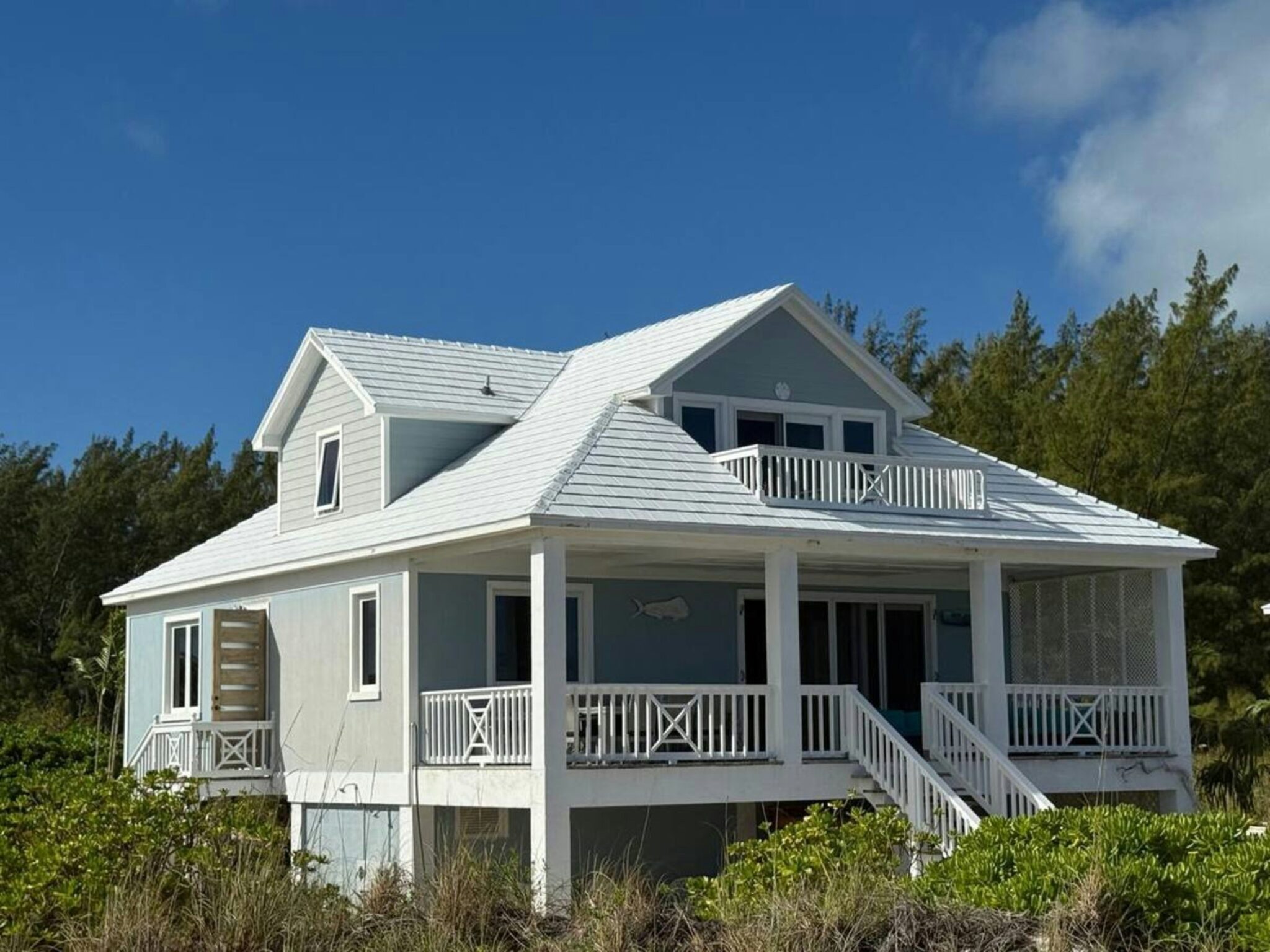
Luxury homes feature intricate rooflines with multiple gables and valleys. Standard solutions fail to shield these complex designs from wind and heavy moisture. Investing in heavy-duty structural defense safeguards expensive custom interiors and fine art collections from moisture penetration. Secure properties retain their pristine condition far longer.
High-net-worth investors owning estates in regions like southern Minnesota look for regional construction experts to secure their investments. Engaging experienced southern Minnesota roofing specialists allows individuals to protect their residential portfolios against severe weather shifts. Premium materials maintain their integrity far better when installed by crews familiar with local climate challenges. These structural choices prevent costly internal damage and maintain structural value.
Architectural Shingles Blend Elegance and Durability
Premium shingle products offer distinct aesthetic advantages for high-value neighborhoods. An industry publication recently explained that architectural asphalt shingles provide an excellent balance of cost, durability, and appearance for property owners. These materials mimic the deep textures of natural slate or cedar shakes. They create striking shadow lines that complement upscale architectural styles.
Laminated compositions resist high winds and heavy impacts far better than traditional flat options. The heavy construction extends the operational lifecycle of the system. This longevity appeals to buyers tracking long-term ownership expenses. Reduced lifetime costs boost total property marketability.
Metal Solutions for Modern High-Value Estates
Modern architecture frequently utilizes standing seam metal systems to achieve clean lines. A market report focused on exterior trends noted that options like reflective shingles, specialized coatings, and metal roofs lower cooling costs and optimize indoor comfort during hot summer months. This thermal efficiency attracts eco-conscious luxury buyers. The reduction in energy expenditure supports sustainability goals for large estates.
- Extended operational lifespans lasting up to 50 years
- High resistance to fire hazards and embers
- Minimal maintenance demands compared to wood alternatives
- Excellent shedding capacity for winter ice accumulations
Metal finishes come in diverse palettes matching contemporary designs. The sleek profile elevates curb appeal from the street level. Investors gain both immediate aesthetic rewards and permanent utility savings. These installations look sharp and functional for decades.
Financial Returns on Premium Roof Upgrades
Discerning sellers recognize that exterior renovations directly influence purchase offers. Data published by a national real estate association reveals that a new roof frequently recovers more than 100% of its initial cost during a property sale. Buyers willingly pay a premium for properties free of immediate capital improvement needs. This full cost recovery makes top-tier materials a safe repository for capital.
Appraisers assign higher valuations to structures featuring documented material warranties. Transferable guarantees offer peace of mind to incoming buyers. This financial protection accelerates negotiations and shortens the time an estate remains listed on the open market. Secure contracts keep transactions moving forward smoothly.
Climate Resilience as an Asset Shield
Severe weather events test the limits of residential engineering. Premium properties require materials engineered to withstand extreme high-velocity winds. Utilizing impact-resistant materials protects the foundational wealth tied up in luxury real estate assets. Many insurance providers offer lower premiums for homes carrying these certified defensive ratings.
Mitigating risk remains a core tenet of wealth management. A compromised exterior leads to cascading structural failures inside the home. Proactive upgrades serve as an insurance policy against unpredictable weather disruptions. Protecting the shell remains paramount for long-term stability.
Aesthetic Impact on Luxury Property Appraisal
First impressions dictate buyer behavior in the premium market sector. The overhead canopy comprises up to 40% of a home’s visible exterior profile. Choosing an inappropriate color or texture diminishes the impact of a high-end facade. Matching the material type to the historical or modern context of the estate optimizes visual harmony.
Custom slate, clay tiles, and thick composite materials signal uncompromising quality to prospective buyers. These choices distinguish an elite property from surrounding tract housing. The resulting prestige translates directly into higher appraisal values and stronger market demand. Exceptional architecture commands top dollar in any economic climate.
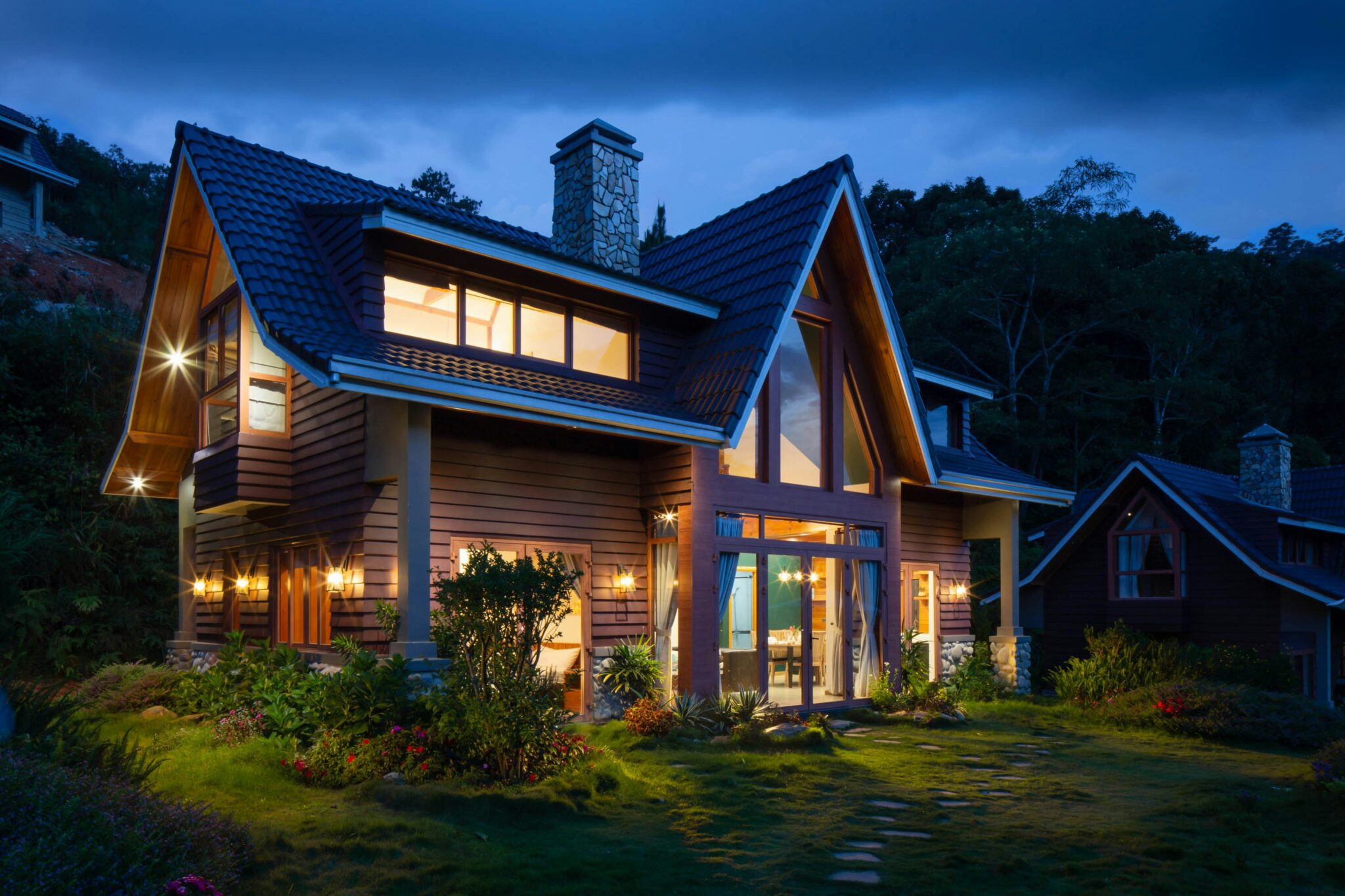
Strategic real estate investments extend beyond interior finishes and land acquisition. The physical crown of an estate demands equal analytical consideration from property owners. Selecting superior protective materials preserves capital, shields valuable interiors, and drives resale performance. High-value choices show a commitment to institutional quality.
Sophisticated buyers recognize the long-term economic advantages of premium structural selections. Prioritizing these upgrades secures stable asset appreciation within competitive luxury markets. Property values respond favorably to smart material choices. Estate owners secure peace of mind and financial strength through these durable structural assets.