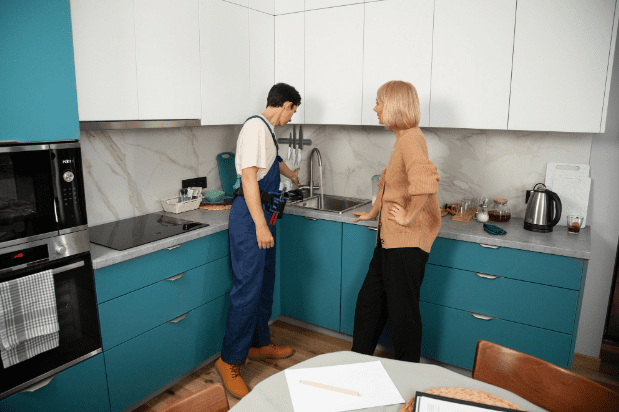
Kitchen remodeling has always reflected changing homeowner priorities. Some buyers focus heavily on affordability while others invest in premium upgrades that deliver custom features and high-end finishes. For years, the cabinet industry has often forced homeowners into two choices. They could purchase stock cabinets designed for affordability and convenience. Or they could spend significantly more on custom cabinetry. Many homeowners found themselves caught between those two options without a solution that truly matched their needs.
Today that middle category is changing the remodeling industry. Semi-custom cabinets are gaining popularity because they solve a problem many homeowners face. Buyers want personalization without premium costs. They want quality upgrades without waiting months for custom production. The growing influence of mid-market buyers is changing how cabinet companies compete and how remodeling projects are planned.
Why Stock Cabinets Are No Longer Enough for Every Homeowner
Stock cabinets are still a part of home remodeling. They are cheap and can be installed fast. Many big retailers sell them because they are easy to buy and come in various sizes. Homeowners like them because they can get them quickly and they do not cost a lot.
But there is a problem. Stock cabinets come in certain sizes and are set up in certain ways. If your home is not like usual homes or you want something special you might not find stock cabinets that fit right. You might not be able to make changes to them.
Nowadays people do research before they start remodeling. They look at the kinds of cabinets and what they are made of plus how well they last. Homeowners want the best cabinets for their homes and stock cabinets might not be enough. They compare options carefully before making a decision.
Jake Miakota, CEO at Subdivisions, explains the shift:
“What we’re seeing in the housing market is a buyer who has done their homework — they know what Ikea looks like in five years and they can’t afford a $60,000 custom build, so they’re landing in the middle and feeling good about it. Semi-custom is essentially capturing the trade-up buyer that the industry never had a clean product for before. Regional specialists are winning because they can actually have a conversation with the homeowner and deliver something that feels personal without the six-month wait.”
Semi-Custom Cabinets Fill A Gap Buyers Needed
Semi-custom cabinets are a choice for people who want to make their kitchen special without spending too much money. They let homeowners pick and choose the things that are important to them. These may be the color and the size of the cabinets without having to pay a lot of money.
Semi-custom cabinets are better than cabinets because you can make a lot of changes to them. You can pick the finish and even change the design with many more options available. This means you can get cabinets that fit the way you live and make your kitchen more useful.
This is important because every family is different and they use their kitchen in different ways. Some people need a lot of storage while others need space to cook. Some people even need things to make their kitchen easy to use. Homeowners want their kitchen to be set up in a way that works for them not the other way around.
Semi-custom cabinets are an option for people who could not find what they wanted before. They can get the kitchen they want without having to pay much money. Semi-custom cabinets give people a lot of choices. Lets them make their kitchen special. Semi-custom cabinets are a choice for people who want a nice kitchen that fits their needs and their budget. The remodeling industry historically served budget-conscious buyers and luxury customers very well. The middle category remained underserved for years.
Homeowners Want Personalization Without Premium Pricing
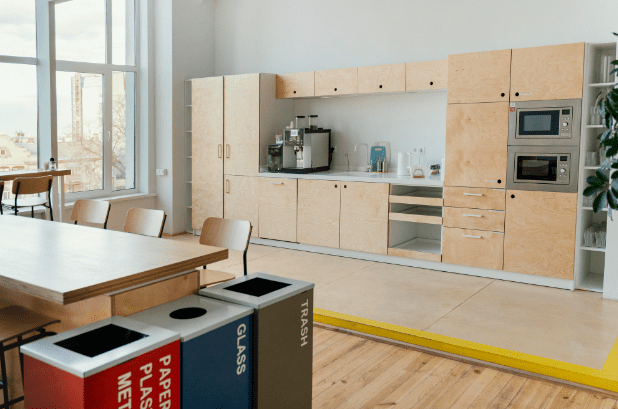
The current remodeling buyers approach projects differently than the past generations. Research often begins months before construction starts. Homeowners compare products online and study design trends. They also spend time evaluating long-term value before making decisions.
Budget awareness remains especially important as housing costs and inflation influence spending decisions. Homeowners increasingly focus on smarter spending rather than maximum spending.
Semi-custom cabinetry fits naturally into that mindset because buyers gain personalization opportunities without entering premium price categories.
Lewis Vandervalk, Co-owner of BluePrint Cabinets, explains what many homeowners want today:
“The customers coming through our door in Fredericksburg aren’t settling — they’ve made a deliberate choice to work with someone local who can modify a door style or adjust box depth without sending the whole order back to a factory in another state. Big-box stores sell cabinets; what people actually want is a kitchen that fits their house, and that’s a fundamentally different thing to deliver.”
Local Cabinet Specialists Are Gaining Momentum
Regional cabinet companies are benefiting from changing homeowner expectations. Large retailers remain major players. But smaller specialists increasingly compete through flexibility, communication, and customer service.
Local cabinet providers often create more collaborative remodeling experiences. Homeowners ask questions directly, request modifications faster, and receive more personalized guidance during planning.
Customization also becomes easier when cabinet providers operate closer to customers. Regional companies often understand local housing styles and design preferences better than national retailers.
Mid-market buyers increasingly value expertise alongside affordability. Service quality influences decisions as much as cabinet appearance.
Smaller businesses create advantages by combining product flexibility with stronger homeowner communication. Many homeowners now expect involvement during planning rather than selecting products from fixed catalogs.
This shift supports regional specialists who can provide kitchens that feel personal without requiring fully custom pricing or extended timelines.
Kitchen Functionality Matters More Than Ever
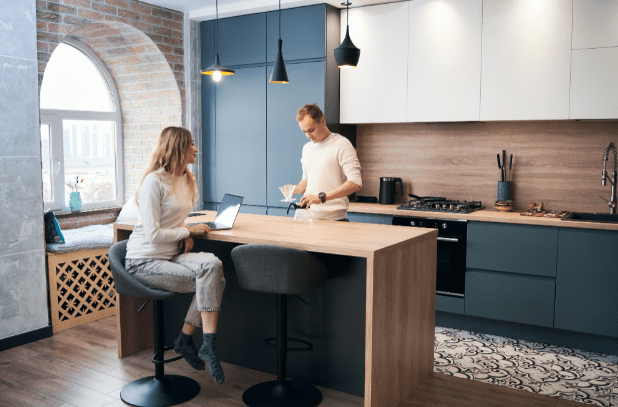
Kitchen remodeling trends increasingly prioritize usability alongside appearance. Homeowners expect kitchens to support multiple activities throughout the day. Cooking remains central, but kitchen spaces now function in many ways. Cabinet design plays an important role in supporting those changing needs.
Storage accessibility matters more than before. Pull-out shelves improve organization. Drawer layouts create convenience. Pantry planning supports daily functionality. Stock cabinet systems sometimes limit these improvements because standardized configurations do not always match how families use kitchens.
Semi-custom cabinets create flexibility while staying within practical budgets. Buyers increasingly evaluate kitchen performance rather than focusing only on visual upgrades. Growing families prioritize storage differently from retirees. Work-from-home changes influence layout preferences.
Supply Chain Changes Also Support The Shift
Supply chain disruptions during recent years changed remodeling expectations across the industry. Delays created frustration for homeowners, contractors, and cabinet providers.
Fully custom cabinetry often involves longer production timelines depending on project complexity. Semi-custom solutions frequently create more manageable scheduling options. Regional cabinet companies may also reduce logistical challenges because products move through shorter production channels.
Homeowners increasingly prioritize predictability during remodeling projects because delays affect budgets and household routines. Buyers now ask more questions about lead times before selecting products. Semi-custom solutions often create a stronger balance between availability and personalization.
Conclusion
Kitchen remodeling trends suggest middle-market demand will remain important moving forward. Homeowners increasingly reject extremes. Lowest-cost options do not always meet expectations. Premium solutions do not always match budgets.
The middle category continues growing because it solves practical homeowner needs. Semi-custom cabinetry represents that shift clearly. Buyers want kitchens designed around daily life. They want personalization, quality, functionality, and long-term value.