The question surrounding Flexjet cost per year has become increasingly relevant in 2026 as private aviation moves beyond pure luxury positioning and enters the realm of strategic executive mobility. CEOs, founders, investment professionals, and ultra-high-net-worth individuals now evaluate private aviation through the lens of operational efficiency, productivity preservation, and time optimization rather than status alone.
Moreover, the private aviation industry has experienced major structural shifts over the past several years. Fractional ownership models continue to expand, while jet cards, leasing programs, and membership-based access systems reshape how travelers approach aircraft usage. Consequently, pricing transparency has become far more important for executives attempting to balance travel flexibility with disciplined financial planning.
Flexjet remains one of the most prominent players in the fractional aviation market. However, its pricing structure often appears complex because annual costs vary dramatically depending on aircraft category, ownership share size, annual flight hours, and operational requirements. Meanwhile, growing comparisons between Flexjet, NetJets, and charter operators have intensified interest in understanding real-world private aviation economics.
In 2026, private aviation increasingly functions as a strategic business expense category. Executives now analyze cost-per-hour efficiency, scheduling advantages, and productivity gains alongside direct financial expenditure. Therefore, understanding the actual Flexjet cost per year requires examining the broader economics of fractional ownership, aircraft operations, and executive travel behavior rather than focusing on a single advertised price.
Why Flexjet Pricing Varies So Widely?
One of the primary reasons Flexjet pricing appears inconsistent is that the company does not operate under a simple annual subscription structure. Instead, Flexjet offers multiple access models designed for different travel patterns, capital strategies, and operational needs.
Fractional ownership remains the core structure. Under this model, customers purchase a percentage share of a specific aircraft, which grants a corresponding number of annual flight hours. However, Flexjet also offers leasing arrangements and jet card programs that reduce upfront capital commitments while maintaining access flexibility.
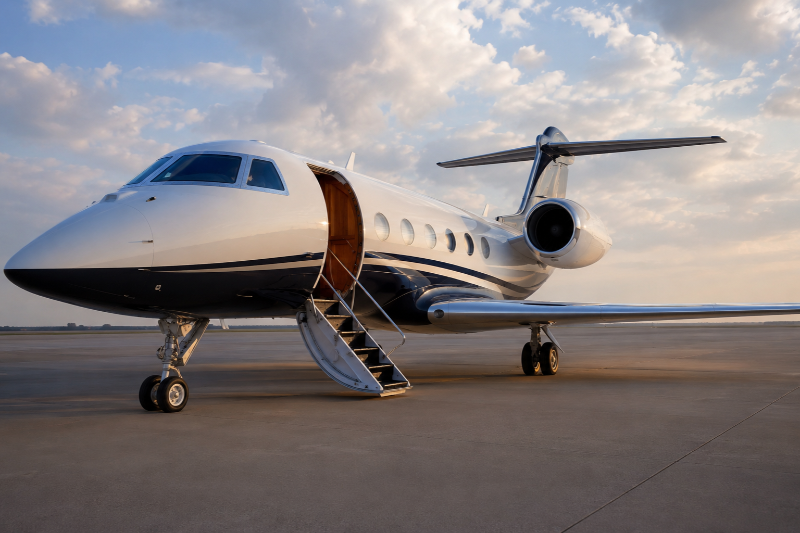
Additionally, aircraft category significantly affects annual pricing. Light jets carry substantially lower acquisition and operational costs than super-midsize or ultra-long-range aircraft. For example, operating a light jet for regional business trips differs dramatically from maintaining a Gulfstream-class aircraft capable of intercontinental travel.
Several variables shape yearly expenses:
- Aircraft size and range
- Annual flight hour usage
- Fuel pricing volatility
- Crew staffing requirements
- Maintenance reserves
- International operational fees
Moreover, utilization rates directly impact cost efficiency. Executives flying fewer than 50 hours annually may find charter or jet card programs more economical. In contrast, travelers exceeding 150–200 hours per year often benefit from fractional ownership structures because fixed costs distribute more efficiently across higher usage volumes.
Therefore, there is no universal “Flexjet annual price.” The actual figure depends on how the traveler structures access, aircraft preference, and flight frequency.
Flexjet Cost Breakdown by Usage Model
Understanding the true Flexjet cost per year requires examining the company’s primary usage models individually. Each structure produces different annual financial outcomes depending on executive travel behavior.
Jet card programs generally serve lower-frequency travelers who prioritize flexibility without long-term ownership obligations. In 2026, many Flexjet-style jet card programs range between $150,000 and $500,000 annually depending on purchased hours and aircraft class. Meanwhile, hourly rates often range from $7,000 to over $15,000 per hour for larger cabin categories.
Fractional ownership introduces substantially higher annual costs because customers purchase an equity share in the aircraft itself. However, this structure can improve long-term utilization efficiency for frequent travelers. A typical light jet fractional share may cost $600,000 to $1.2 million annually when combining acquisition amortization, management fees, fuel surcharges, and occupied hourly rates.
On the other hand, ultra-long-range aircraft ownership structures can exceed several million dollars annually. Executives using aircraft for international business mobility frequently accept these costs because schedule control and productivity gains offset operational inefficiencies associated with commercial aviation.
Executives often structure usage strategically by:
- Combining ownership with supplemental charter access
- Matching aircraft category to route profile
- Reducing unnecessary repositioning flights
- Optimizing peak-period scheduling
- Leveraging shared fleet availability
Consequently, annual private aviation costs increasingly resemble corporate mobility infrastructure rather than discretionary luxury spending.
| Usage Model | Annual Cost Range | Hourly Cost Impact | Aircraft Type | Typical User Profile |
|---|---|---|---|---|
| Jet Card Program | $150,000–$500,000 | Moderate | Light to midsize jets | Occasional executive travelers |
| Fractional Ownership | $600,000–$5M+ | Lower at higher utilization | All aircraft categories | Frequent business flyers |
| Leasing Structure | $400,000–$2M+ | Flexible | Midsize to long-range | Companies avoiding asset ownership |
| Full Charter Usage | Variable | Highest hourly rates | On-demand fleet access | Infrequent or unpredictable travelers |
What Drives Flexjet Annual Cost Higher?
Several operational realities drive private aviation costs upward, particularly for travelers using premium aircraft categories or international routing networks.
Long-range aircraft dramatically increase annual expenditure because acquisition values, fuel burn rates, and maintenance complexity rise significantly with aircraft capability. For example, a large-cabin intercontinental aircraft may consume several times the operating budget of a light regional jet.
Moreover, peak demand pricing substantially affects yearly costs. Holiday periods, major business conferences, and high-demand travel windows often trigger elevated hourly rates and availability surcharges. Consequently, executives requiring guaranteed access during peak periods typically pay higher management and reservation fees.
International routing introduces additional complexity. Cross-border operations frequently involve:
- Customs coordination expenses
- International crew accommodations
- Navigation and overflight charges
- Airport handling fees
- Regulatory compliance costs
Meanwhile, repositioning flights remain a major hidden expense factor in private aviation. If the aircraft must travel empty to collect passengers or return to a base airport afterward, operational costs increase considerably.
Crew and maintenance economics also continue rising across the industry. Pilot shortages, higher technician wages, and increased compliance standards have pushed operating expenses upward throughout 2026. Additionally, sustainable aviation fuel adoption contributes incremental cost pressure as operators invest in emissions reduction strategies.
Therefore, rising private aviation costs reflect broader aviation industry inflation rather than isolated pricing decisions by Flexjet alone.
Private Aviation Economics vs Commercial Travel
At first glance, comparing private aviation with commercial first-class travel may appear financially irrational. However, executives often evaluate private aviation through productivity economics rather than ticket price comparisons alone.
Commercial travel creates hidden inefficiencies that rarely appear in direct airfare calculations. Airport delays, connecting flights, security procedures, and limited scheduling flexibility frequently consume valuable executive time. Consequently, many corporations calculate lost productivity as a meaningful operational expense.
Private aviation reduces several friction points simultaneously:
- Direct terminal access
- Faster boarding procedures
- Flexible departure timing
- Multi-city routing efficiency
- Reduced overnight stays
Moreover, executives frequently conduct meetings, negotiations, and confidential communications during flights. Therefore, travel time transforms into productive working time instead of operational downtime.
In contrast, commercial travel often introduces scheduling uncertainty that disrupts broader corporate operations. Delays affecting senior leadership can impact investor meetings, acquisitions, client negotiations, and operational oversight.
| Category | Flexjet (Private Aviation) | Commercial First Class | Cost Efficiency Impact | Business Value |
|---|---|---|---|---|
| Scheduling Flexibility | Extremely high | Limited | Significant time savings | Higher executive productivity |
| Airport Access | Private terminals | Public airports | Reduced delays | Faster travel cycles |
| In-Flight Productivity | Full business environment | Limited privacy | Improved work continuity | Strategic efficiency |
| Multi-City Routing | Highly efficient | Complex | Reduced overnight costs | Better operational control |
| Direct Financial Cost | Very high | Moderate | Lower direct spend | Lower flexibility |
NetJets vs Flexjet Cost Comparison Context
Comparisons between Flexjet and NetJets remain common because both companies dominate the fractional aviation market. However, pricing differences often reflect structural distinctions rather than simple cost advantages.
NetJets historically emphasizes scale, extensive fleet availability, and broad operational reach. Meanwhile, Flexjet frequently positions itself around premium service customization, fleet design, and elevated ownership experiences.
Pricing variations emerge from several factors:
- Fleet composition differences
- Aircraft age profiles
- Guaranteed availability terms
- Membership structures
- Service-level positioning
Moreover, both companies use complex pricing frameworks involving acquisition costs, monthly management fees, occupied hourly rates, and fuel surcharges. Therefore, comparing headline pricing alone rarely provides an accurate assessment of annual costs.
Some executives prioritize guaranteed aircraft access during peak periods, while others focus primarily on minimizing hourly operational expenditure. Consequently, the “better value” depends heavily on individual travel priorities and utilization patterns.
Why CEOs Still Pay High Annual Costs?
Despite substantial annual expenditure, many CEOs and corporate leaders continue relying on private aviation because time increasingly functions as the most valuable executive asset.
Senior executives often manage highly compressed schedules involving multiple cities, investor meetings, operational reviews, and international engagements within narrow timeframes. Commercial aviation rarely supports this level of mobility efficiency.
Moreover, private aircraft enable secure communications and confidential discussions during transit. For executives managing acquisitions, legal matters, or sensitive negotiations, onboard privacy becomes strategically important.
Private aviation also reduces operational friction through:
- Faster turnaround times
- Reduced travel fatigue
- Customized routing flexibility
- Elimination of lengthy layovers
- Greater schedule reliability
Consequently, many leadership teams view private aviation not as a luxury expense but as a productivity infrastructure investment supporting broader corporate performance.
Fractional Ownership and Charter Market Expansion
The broader private aviation market continues evolving toward access-based systems rather than full aircraft ownership. Fractional ownership and membership structures have expanded significantly because they balance flexibility with reduced capital exposure.
Younger executives increasingly prefer scalable aviation access models that align with modern asset-light business strategies. Meanwhile, companies seek operational flexibility without committing to full aircraft acquisition and management responsibilities.
Several trends drive market expansion:
- Subscription-style aviation growth
- Increased executive mobility demands
- Rising charter platform accessibility
- Greater acceptance of shared ownership
- Expansion of digital booking ecosystems
Additionally, post-pandemic business travel patterns permanently altered executive expectations around convenience and schedule control. Therefore, fractional aviation continues attracting clients previously dependent on commercial premium travel.
How Flexjet Supports Executive Productivity?
Flexjet’s broader value proposition centers heavily on executive efficiency rather than visible luxury. Aircraft interiors increasingly function as mobile workspaces designed to preserve operational continuity during travel.
Executives frequently use in-flight time for:
- Virtual meetings
- Financial reviews
- Strategic planning
- Secure communications
- Team collaboration
Moreover, direct terminal access minimizes transition delays and reduces overall travel fatigue. Consequently, executives often arrive prepared for immediate meetings rather than requiring recovery time associated with long commercial travel cycles.
Optimized scheduling also improves organizational efficiency. Private aviation allows executives to complete multi-city itineraries within a single day that commercial airlines could stretch across several days.
Therefore, the true economic value often extends beyond direct transportation metrics into broader organizational productivity outcomes.
The Future of Flexjet Pricing in 2026 and Beyond
Private aviation pricing will likely continue evolving as technology, sustainability requirements, and demand pressures reshape the industry.
AI-driven pricing systems already influence fleet optimization and dynamic scheduling decisions. Consequently, operators can improve aircraft utilization while adjusting pricing more precisely around demand patterns.
Meanwhile, sustainable aviation fuel adoption will gradually affect operating economics. Although environmental initiatives support long-term emissions goals, they also introduce higher near-term fuel expenses across the industry.
Additional future trends include:
- Expansion of membership-based aviation access
- Increased hybrid ownership structures
- Growth of digital fleet marketplaces
- Rising international business mobility demand
- Infrastructure modernization at private terminals
Nevertheless, demand growth continues outpacing available aircraft supply in several segments. Therefore, pricing pressure may remain elevated for premium aircraft categories and guaranteed-access programs.
Unique Insight: Flexjet as a Time Optimization Infrastructure
The modern Flexjet cost per year reflects a broader transformation in executive behavior and corporate mobility strategy. Increasingly, high-performing executives evaluate aviation through time economics rather than transportation economics alone.
Time efficiency now outweighs many traditional cost considerations because executive productivity carries disproportionate organizational value. Consequently, aviation functions less as luxury consumption and more as operational infrastructure.
Moreover, modern executives increasingly outsource travel complexity through flexible access systems that eliminate aircraft ownership burdens while preserving mobility advantages. Fractional ownership and jet access models support this transition effectively.
Luxury travel itself is merging with operational strategy. The focus has shifted from visible exclusivity toward friction reduction, schedule optimization, and productivity preservation.
Therefore, Flexjet increasingly represents a time optimization platform for modern executive leadership rather than merely a private travel provider.
FAQs
What is the average Flexjet cost per year?
Average annual costs typically range from around $150,000 for smaller jet card programs to several million dollars for large fractional ownership structures.
Why is Flexjet so expensive?
Private aviation involves high aircraft acquisition costs, crew salaries, maintenance, fuel expenses, and operational logistics. Moreover, guaranteed flexibility and schedule control increase pricing further.
How does Flexjet pricing work?
Flexjet pricing combines acquisition costs, monthly management fees, occupied hourly rates, fuel surcharges, and operational expenses depending on the selected program.
Is Flexjet cheaper than NetJets?
Pricing varies by aircraft type, availability guarantees, and membership structure. Neither provider is universally cheaper across all usage profiles.
What is included in Flexjet annual fees?
Annual fees generally include aircraft management, maintenance reserves, crew staffing, insurance, and operational support services.
How many hours do CEOs fly annually on Flexjet?
Many executive users fly between 50 and 250 hours annually depending on corporate responsibilities and international travel requirements.
What affects Flexjet hourly cost?
Aircraft category, routing distance, fuel pricing, peak demand periods, and repositioning requirements all influence hourly operational rates.
Is fractional ownership worth it?
Fractional ownership often becomes financially efficient for travelers flying regularly while seeking guaranteed aircraft access without full ownership responsibilities.
Can you reduce Flexjet costs?
Yes. Executives often reduce costs by optimizing aircraft selection, avoiding peak travel periods, minimizing empty repositioning flights, and using hybrid access strategies.
What is the future of private jet pricing?
Pricing will likely rise gradually due to sustainability investments, demand growth, and operational inflation. However, AI optimization may improve utilization efficiency over time.