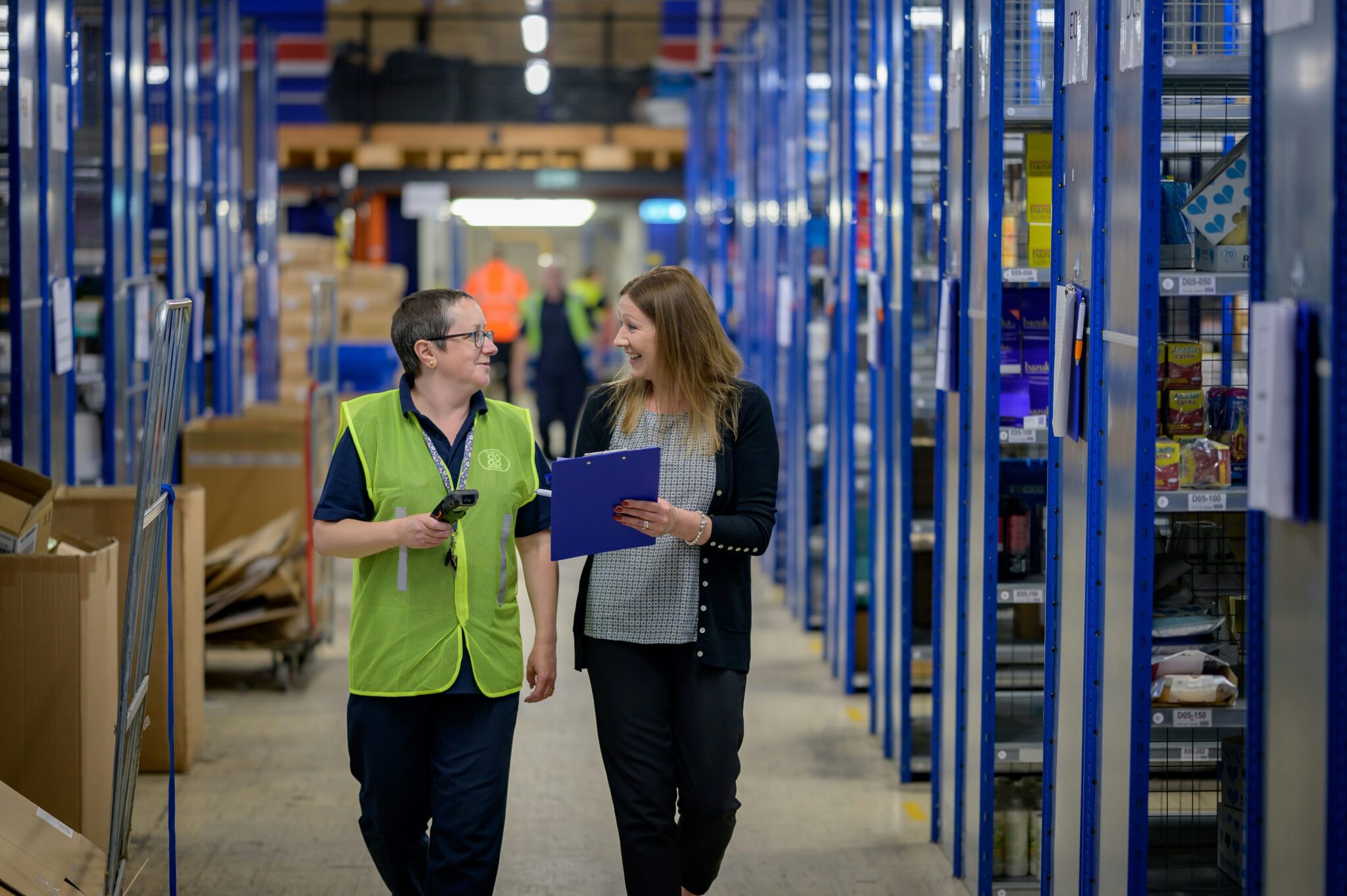
Managing a busy distribution center comes with immense daily speed pressures. Orders must fly out the door quickly to keep modern buyers satisfied.
Traditional manual setups often struggle to maintain this breakneck pace. Upgrading to modern technological tools offers a clear path to solving these fulfillment bottlenecks.
Shifting Modern Supply Chain Demands
Customer expectations climb higher with every single passing shipping season. People expect purchased items to arrive at their doorsteps within 2 days. Fulfillment operations must adapt their internal setups to handle this massive transaction volume.
Finding the right balance between staff members and machinery requires careful structural planning. Comparing robots vs pick and pack workers helps facility managers make smart infrastructure choices. Every separate storage facility has distinct layout needs that shape this critical selection process.
Sudden labor shortages create regular operational disruptions for floor managers. Automated sorting machinery fills these empty slots to keep warehouse production completely steady. Daily operations run smoothly when mechanical systems handle the heaviest physical lifting.
Boosting Daily Operational Speed
Manual item pulling takes up many hours of walking time during shifts. Workers spend half their day trekking across massive concrete warehouse floors. Automated cart systems eliminate these long walking journeys.
New scanning technology speeds up the whole product tracking process. A paper published in a medical informatics journal shared that warehouse robots automate order processing to lift overall operational speed and cut down on human mistakes. These robotized warehouse automation systems route items directly to the correct shipping bays.
Rapid mechanical sorting allows logistics teams to hit tough delivery targets. Packages get labeled and sorted without ever stopping the main conveyor lines. This constant movement keeps delivery trucks moving out on schedule.
Slashing Costly Long-Term Mistakes
Human operators face physical exhaustion near the end of long shifts. Tired eyes misread small product labels and scan incorrect inventory barcodes. These small slip-ups create massive shipping headaches down the line.
Industrial machinery functions with identical tracking accuracy for every hour. Digital scanners read tiny tracking tags correctly on every single pass. Accurate scanning means fewer product returns from frustrated buyers.
Correct automated packaging protects delicate items from breaking during bumpy transport. Warehouse software determines the exact box size needed for every custom order. This smart sizing drops standard packaging waste significantly.
Maximizing Floor Space Utilization
Prime floor space costs a premium fee in top industrial zones. Expanding a physical building outward demands massive capital investments from owners. Smart operators look upward to capture hidden vertical storage space instead.
Automated storage designs change how modern facilities hold incoming goods. These systems provide distinct operational benefits for dense configurations:
- Narrow aisles allow much tighter storage rack placement.
- Tall vertical lifts reach maximum building ceiling limits.
- Deep inventory bins stack items without requiring wide walkways.
Retrieving boxes from high racks poses dangers for standard forklift operators. Mechanical cranes glide up high tracks safely to pluck heavy bins down. This layout strategy squeezes double the inventory into the same old footprint.
Improving Energy and Environmental Metrics
Large industrial facilities draw massive utility bills for lighting and climate control. Traditional manual setups keep entire zones bright for human eyes. High utility costs bite deeply into thin corporate profit margins.
Autonomous tracking machinery operates flawlessly in pitch-black facility environments. A study from a supply chain research group explained that smart robotic systems boost energy management and accuracy to lower indirect emissions. Facilities save big on monthly electricity bills by turning off floor lights.
Green distribution operations appeal directly to modern corporate partners. Companies choose logistics networks that actively track and lower carbon output. Operational efficiency gains help buildings meet strict green construction guidelines.
Protecting Your Workforce From Injury
Continuous heavy lifting creates serious physical strain for warehouse teams. Repetitive manual motions lead to chronic back pain and worker compensation claims. Safe environments keep general employee morale high across the floor.
Automated conveyors and robotic arms take over the most grueling physical tasks. Human employees shift away from heavy lifting into safer tech tracking roles. Injury rates drop when mechanical tools lift heavy shipping pallets.
Fewer floor injuries mean stable team scheduling throughout busy shipping seasons. Facilities spend less cash training temporary replacement workers. Experienced supervisors stay on the job longer to guide daily operations.
Staying Ahead of Market Competitors
Independent regional brands compete directly against massive online retail giants. Meeting rapid shipping demands requires modern digital tools. Upgrading physical infrastructure levels the playing field for growing firms.
Automated systems scale up quickly during holiday sales rushes. Managers handle triple the order volume without hiring hundreds of seasonal staff. Flexible machinery setups adjust to unexpected market spikes easily.
Investing in hardware secures long-term business stability. Companies with old methods fall behind as standard delivery windows shrink. Upgraded hubs handle growth without stumbling over complex logistics hurdles.
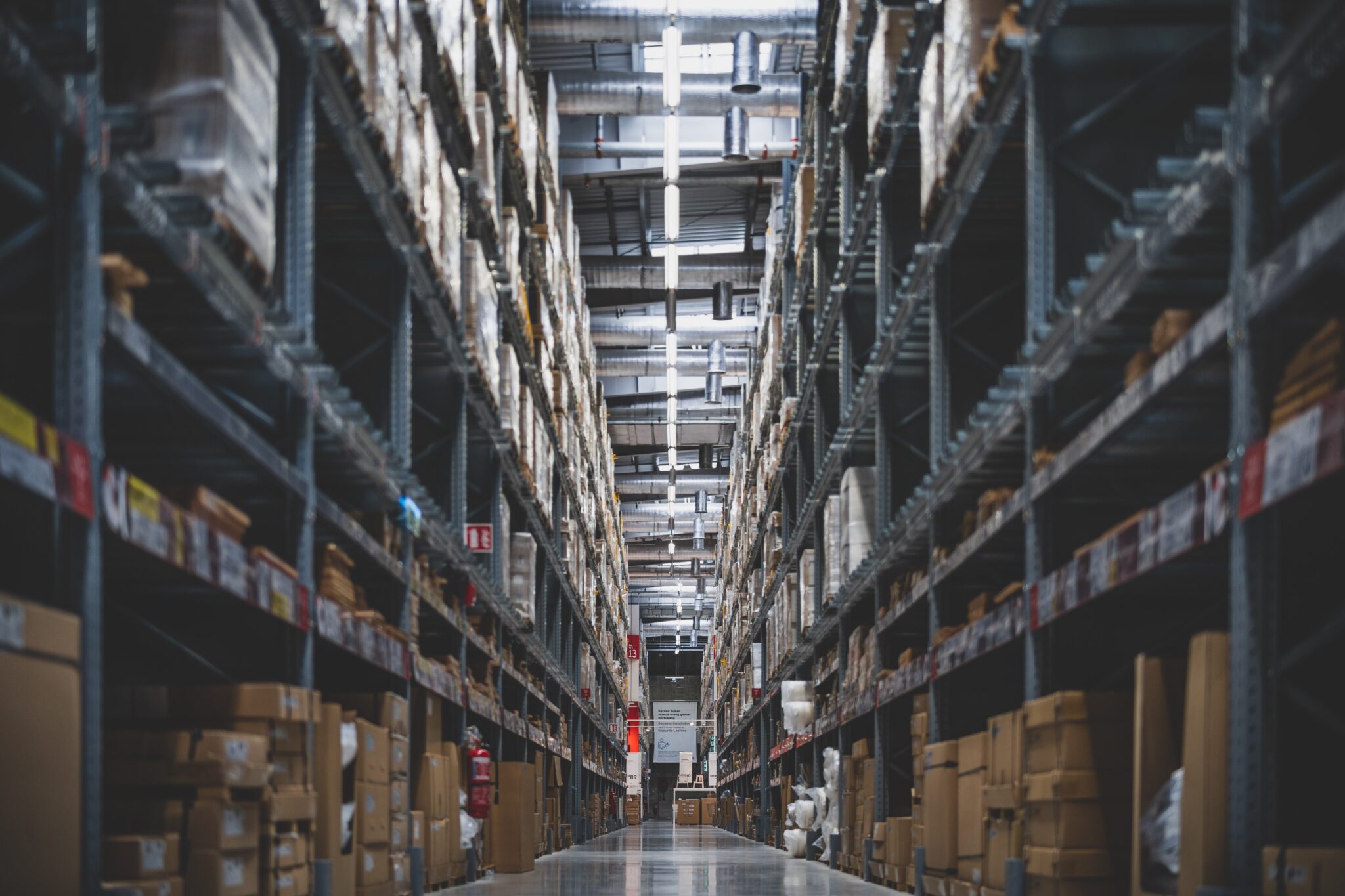
Upgrading your distribution methods protects your business against future labor shocks. Digital tools handle repetitive tasks, so your team concentrates on business strategy.
Transitioning to autonomous systems sets up your logistics network for sustained growth. Your facility gains the speed and precision needed to lead the market.