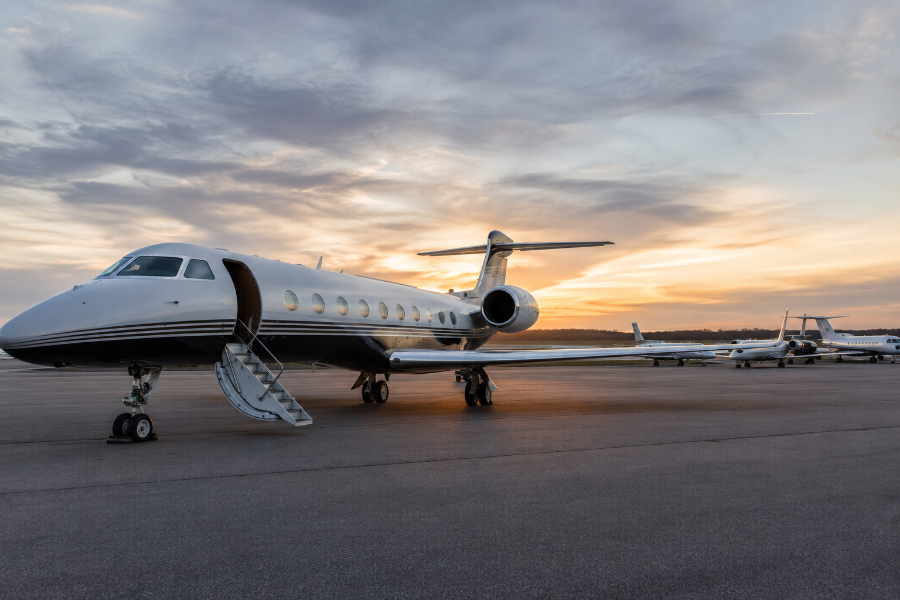
The market for executive aviation continues to evolve rapidly, and the Top Private Jets for Business Leaders in 2026 reflect far more than luxury preferences alone. Across global business sectors, CEOs, founders, investors, and ultra-high-net-worth executives increasingly view private aviation as a strategic mobility tool rather than a symbolic asset. Consequently, demand for ultra-long-range business jets has accelerated as companies prioritize speed, flexibility, and uninterrupted global access.
Commercial airline disruptions, crowded hubs, and rigid schedules continue to influence executive travel decisions. Meanwhile, multinational organizations now operate across multiple regions simultaneously, which makes nonstop intercontinental travel increasingly important. As a result, private aviation has become deeply integrated into executive productivity strategies.
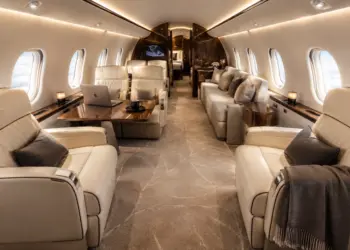
In 2026, business leaders also expect aircraft cabins to function as mobile offices, private meeting rooms, wellness lounges, and recovery spaces. Quiet cabins, advanced connectivity, and lower cabin altitude systems matter almost as much as range performance itself. Moreover, executives increasingly value seamless digital integration that allows them to continue negotiations, virtual meetings, and operational oversight while traveling globally.
Manufacturers are responding aggressively to these evolving expectations. Gulfstream, Bombardier, Dassault, Embraer, and Cessna continue competing through technology, comfort, and operational efficiency rather than simple prestige metrics. Additionally, the rise of flexible ownership models, charter access, and fractional programs is reshaping how corporate users approach executive mobility.
The modern business jet market therefore represents a broader transformation in global executive culture. Business aviation is no longer merely about exclusivity. Instead, it has become a critical infrastructure layer for leaders operating in an increasingly fast-moving global economy.
Why Private Jets Have Become Essential for Modern Business Leaders?
Private aviation now plays a central role in executive time optimization. Business leaders frequently manage operations across multiple continents, and commercial airline schedules rarely support that level of flexibility efficiently. Consequently, executives increasingly rely on private aircraft to reduce travel downtime and maximize productive hours.
Unlike commercial aviation, private jets provide direct routing, reduced airport delays, and flexible departure schedules. Moreover, executives can access secondary airports much closer to business destinations, which significantly reduces total travel time. For leaders managing complex international operations, those saved hours often translate directly into operational advantage.
Privacy also remains a major factor. Sensitive mergers, investment discussions, strategic negotiations, and confidential board conversations require secure environments. Meanwhile, private aircraft cabins allow leadership teams to conduct uninterrupted meetings while traveling internationally.
Several broader trends continue driving demand:
- Growing globalization of executive operations
- Increased reliance on nonstop intercontinental travel
- Rising importance of executive wellness during travel
- Expansion of hybrid business and leisure travel
- Demand for schedule flexibility and privacy
As a result, private aviation increasingly functions as executive infrastructure rather than discretionary luxury. CEOs now evaluate aircraft similarly to how they assess digital systems, corporate offices, or logistics networks: as tools that improve efficiency, continuity, and productivity.
What Business Leaders Prioritize in a Private Jet?
In previous decades, many buyers focused primarily on prestige and cabin aesthetics. However, executive priorities have shifted considerably. In 2026, business leaders place greater emphasis on operational capability, wellness, connectivity, and productivity.
Nonstop range capability remains essential because executives increasingly prefer direct intercontinental travel without fuel stops. Aircraft capable of linking cities such as New York and Singapore or London and Los Angeles nonstop provide major scheduling advantages. Additionally, longer-range jets reduce travel fatigue by minimizing interruptions.
Cabin quietness has also become a major competitive factor. Lower noise levels improve concentration, reduce stress, and support in-flight meetings. Meanwhile, lower cabin altitude systems help passengers arrive feeling less fatigued after long-haul flights.
Executives commonly prioritize:
- High-speed onboard internet connectivity
- Dedicated meeting and collaboration spaces
- Comfortable sleeping arrangements
- Reliable operational support networks
- Consistent global maintenance infrastructure
Moreover, wellness-focused cabin design now influences purchasing decisions significantly. Circadian lighting, ergonomic seating, advanced air purification, and spacious layouts increasingly define premium executive travel experiences.
Pure luxury still matters, of course. Nevertheless, executives increasingly value how effectively a jet supports business continuity and personal performance during demanding travel schedules.
Top Private Jets for Business Leaders in 2026
| Aircraft | Range | Executive Strength | Cabin Experience | Ideal User |
|---|---|---|---|---|
| Gulfstream G700 | Ultra-long-range | Balanced luxury and productivity | Spacious, quiet, refined | Global CEOs and UHNW travelers |
| Bombardier Global 8000 | Ultra-long-range | High-speed global mobility | Wellness-focused premium cabin | Executives prioritizing speed |
| Dassault Falcon 10X | Ultra-long-range | Technology-forward innovation | Exceptionally wide cabin | Tech-focused business leaders |
| Cessna Citation Longitude | Super-midsize | Operational practicality | Comfortable and efficient | Regional corporate travel |
| Embraer Praetor 600 | Super-midsize | Cost-efficient flexibility | Modern and connected | Growing executive teams |
Gulfstream G700: The Benchmark for Executive Luxury
The Gulfstream G700 remains one of the strongest competitors in executive aviation because it successfully combines long-range capability with refined cabin comfort. For many business leaders, the aircraft represents the ideal balance between productivity infrastructure and premium travel experience.
The cabin layout particularly appeals to CEOs who conduct extensive business while airborne. Multiple living zones allow executives to transition seamlessly between meetings, dining, relaxation, and rest. Moreover, the aircraft’s exceptionally quiet environment supports concentration during long-haul travel.
Advanced connectivity systems also strengthen the G700’s position in the market. Executives increasingly expect uninterrupted communication across international routes, and Gulfstream continues emphasizing digital reliability and integrated cabin technology.
Key strengths include:
- Long nonstop intercontinental capability
- Spacious multi-zone cabin layouts
- Quiet cabin environment
- Strong resale value and market recognition
- Advanced onboard connectivity systems
Additionally, Gulfstream benefits from a strong global support network, which remains critical for multinational operators. Reliability and maintenance accessibility often influence executive purchasing decisions just as heavily as cabin aesthetics.
The aircraft therefore continues attracting CEOs, investors, and ultra-high-net-worth travelers who prioritize efficiency, comfort, and long-term operational confidence.
Bombardier Global 8000: Speed and Global Reach
The Bombardier Global 8000 has emerged as one of the most closely watched aircraft in the premium business aviation sector. Its combination of speed, range, and wellness-focused design strongly aligns with modern executive expectations.
One of the aircraft’s biggest differentiators is its near-Mach 0.95 performance capability. Consequently, executives can complete international trips more efficiently while reducing total travel time. In competitive industries where scheduling precision matters, even modest time savings carry operational value.
Bombardier has also focused heavily on passenger wellness. The cabin incorporates advanced pressurization systems, quieter interiors, and improved air quality features designed to reduce fatigue during ultra-long-haul flights. Meanwhile, productivity-focused layouts allow executives to maintain active work schedules while traveling globally.
Major advantages include:
- Exceptional speed performance
- Strong nonstop intercontinental range
- Wellness-oriented cabin systems
- Modern meeting and collaboration areas
- Strong momentum within the business jet market
However, acquisition and operational costs remain extremely high. Moreover, competition from Gulfstream and Dassault continues intensifying as manufacturers aggressively target the ultra-long-range segment.
Nevertheless, the Global 8000 appeals strongly to executives who prioritize speed, time efficiency, and nonstop international mobility. As a result, Bombardier continues strengthening its influence in the evolving executive aviation market.
Dassault Falcon 10X: Technology and Cabin Innovation
The Dassault Falcon 10X represents a major strategic move by Dassault into the ultra-premium executive aviation category. Rather than focusing purely on prestige, the company has positioned the aircraft around technology integration, cabin innovation, and passenger comfort.
The Falcon 10X features one of the widest cabins in business aviation, which significantly improves onboard flexibility. Executives increasingly prefer adaptable spaces that support both work and relaxation. Consequently, larger cabin dimensions have become increasingly valuable in the premium market.
Dassault has also emphasized advanced flight systems and operational efficiency. Meanwhile, the aircraft’s long-range performance allows direct international connectivity across key business corridors.
Notable strengths include:
- Exceptionally spacious cabin environment
- Advanced technology integration
- Strong passenger comfort focus
- Competitive ultra-long-range capability
- Flexible interior customization
The Falcon 10X also reflects broader industry trends. Manufacturers increasingly compete through integrated luxury ecosystems rather than solely through speed or range metrics. Therefore, cabin experience and digital connectivity now influence purchasing decisions more heavily than before.
Dassault’s approach positions the Falcon 10X as a technology-forward solution for executives seeking operational sophistication alongside premium comfort.
Business Jet Categories and Executive Use Cases
| Jet Category | Typical Mission | Luxury Level | Operational Cost | Best Executive Profile |
|---|---|---|---|---|
| Ultra-Long-Range | Global nonstop travel | Extremely high | Very high | Multinational CEOs |
| Large Cabin Jets | Intercontinental business routes | Premium | High | Corporate leadership teams |
| Super-Midsize Jets | Regional executive mobility | High | Moderate | Mid-market executives |
| Mid-Size Jets | Short-to-medium business trips | Moderate to high | Lower | Regional operators |
Why Mid-Size and Super-Midsize Jets Still Matter?
Although ultra-long-range aircraft dominate headlines, mid-size and super-midsize jets remain highly relevant in executive aviation. Not every business leader requires nonstop global capability, and many organizations prioritize efficiency over maximum range.
The Cessna Citation Longitude continues attracting operators because of its practicality, lower operating costs, and reliable performance. Meanwhile, the aircraft’s quieter cabin and comfortable interior still provide a premium executive experience for regional travel missions.
Similarly, the Embraer Praetor 600 has gained attention for balancing operational efficiency with modern cabin technology. Its combination of performance and cost management appeals particularly to growing businesses and regional executive teams.
Important advantages include:
- Lower acquisition and operational expenses
- Greater airport accessibility
- Strong regional efficiency
- Easier fleet integration
- Flexible corporate travel capability
Additionally, many executives increasingly combine private aviation with commercial long-haul travel depending on mission requirements. Therefore, midsize aircraft continue playing an important role within broader executive mobility strategies.
How Wellness and Comfort Are Reshaping Business Aviation?
Wellness has become one of the most influential trends shaping executive aviation in 2026. Business leaders increasingly recognize that travel fatigue directly impacts decision-making, productivity, and performance.
Lower cabin altitude systems now receive major attention because they help reduce exhaustion during long-haul flights. Moreover, quiet cabins improve concentration and support better rest during overnight travel.
Manufacturers also continue investing in:
- Circadian lighting systems
- Advanced air purification technology
- Ergonomic seating configurations
- Enhanced sleeping arrangements
- Wellness-focused cabin layouts
Meanwhile, executives increasingly expect aircraft interiors to function as recovery environments rather than merely transportation spaces. This shift reflects broader changes in corporate leadership culture, where wellness and performance optimization are becoming closely connected.
Consequently, premium jet interiors increasingly resemble luxury hospitality environments blended with advanced mobile office functionality.
Risks and Challenges Facing Executive Aviation
Despite strong demand, the executive aviation sector still faces several significant challenges. Rising operational costs remain one of the industry’s biggest concerns, particularly as fuel prices, maintenance expenses, and labor costs continue increasing.
Sustainability criticism also continues intensifying. Private aviation faces growing scrutiny regarding emissions and environmental impact. Consequently, manufacturers and operators increasingly invest in sustainable aviation fuel initiatives and efficiency improvements.
Additional industry challenges include:
- Pilot shortages
- Supply chain disruptions
- Airport congestion
- Limited slot availability
- Increasing regulatory complexity
Meanwhile, demand growth sometimes exceeds infrastructure capacity in major business aviation hubs. As a result, operational efficiency remains a critical focus across the sector.
Why Fractional Ownership and Charter Access Are Expanding?
Ownership models within executive aviation are evolving rapidly. Increasingly, business leaders prefer flexible access over full aircraft ownership, especially when travel patterns fluctuate.
Fractional ownership programs, jet-card memberships, and charter services continue expanding because they provide convenience without the long-term responsibilities associated with aircraft management. Moreover, executives can access different aircraft categories depending on mission requirements.
Key drivers behind this shift include:
- Demand for operational flexibility
- Reduced management responsibilities
- Better cost predictability
- Access to diversified aircraft fleets
- Increased on-demand mobility
As a result, private aviation is becoming more accessible to a broader range of corporate users. Meanwhile, charter operators and fractional providers continue modernizing digital booking systems and customer experiences.
The market therefore reflects a broader transition from ownership-focused prestige toward service-based mobility solutions.
Why the Future of Executive Aviation Is Experience-Driven?
The future of executive aviation increasingly revolves around integrated travel experiences rather than aircraft specifications alone. Business leaders now expect seamless connectivity, personalized service, and highly adaptable cabin environments.
Productivity-focused layouts continue gaining importance because executives frequently work throughout long-haul flights. Meanwhile, the blending of business and leisure travel has accelerated demand for more versatile cabin configurations.
Several trends are shaping the next generation of executive aviation:
- Seamless digital connectivity ecosystems
- Personalized cabin experiences
- Wellness-centered aircraft interiors
- Integration of work and leisure travel
- Mobility-focused service platforms
Importantly, the rise of the Top Private Jets for Business Leaders reflects a broader transformation in executive mobility culture. CEOs increasingly treat aviation as productivity infrastructure rather than symbolic luxury. Consequently, cabin experience, wellness integration, and operational flexibility now matter more than minor speed advantages alone.
Business jets therefore function as flying offices, meeting spaces, recovery environments, and lifestyle integration tools simultaneously. Manufacturers increasingly compete through complete mobility ecosystems that combine technology, comfort, flexibility, and global accessibility.
The future of business aviation may ultimately depend less on prestige and more on how effectively an aircraft integrates into an executive’s global operational demands and personal lifestyle expectations.
FAQs
What are the top private jets for business leaders in 2026?
The leading aircraft include the Gulfstream G700, Bombardier Global 8000, Dassault Falcon 10X, Embraer Praetor 600, and Cessna Citation Longitude.
Why do CEOs prefer private jets?
CEOs value private jets for time efficiency, privacy, nonstop global mobility, productivity during travel, and flexible scheduling.
Which private jet has the longest range?
Several ultra-long-range business jets compete closely, although aircraft like the Bombardier Global 8000 and Gulfstream G700 lead the market for nonstop intercontinental capability.
What makes the Gulfstream G700 popular among executives?
The G700 combines long-range performance, quiet cabins, strong connectivity, and premium comfort tailored for executive productivity.
Why is the Bombardier Global 8000 important in business aviation?
The aircraft emphasizes speed, global reach, and wellness-focused travel while targeting executives who prioritize time optimization.
What is special about the Dassault Falcon 10X?
The Falcon 10X offers an exceptionally wide cabin, advanced technology integration, and strong passenger comfort features.
Are mid-size jets still useful for executives?
Yes. Aircraft like the Citation Longitude and Praetor 600 remain valuable for regional corporate travel and cost-efficient mobility.
How are private jets becoming more wellness-focused?
Manufacturers increasingly incorporate quiet cabins, lower cabin altitude systems, circadian lighting, ergonomic seating, and advanced air filtration.
Why is charter demand growing in executive aviation?
Executives increasingly prefer flexible access models, including charter and fractional ownership, instead of full aircraft ownership responsibilities.
What trends are shaping the future of business jets?
Major trends include wellness-focused cabins, seamless connectivity, integrated business-leisure travel, and experience-driven mobility ecosystems.