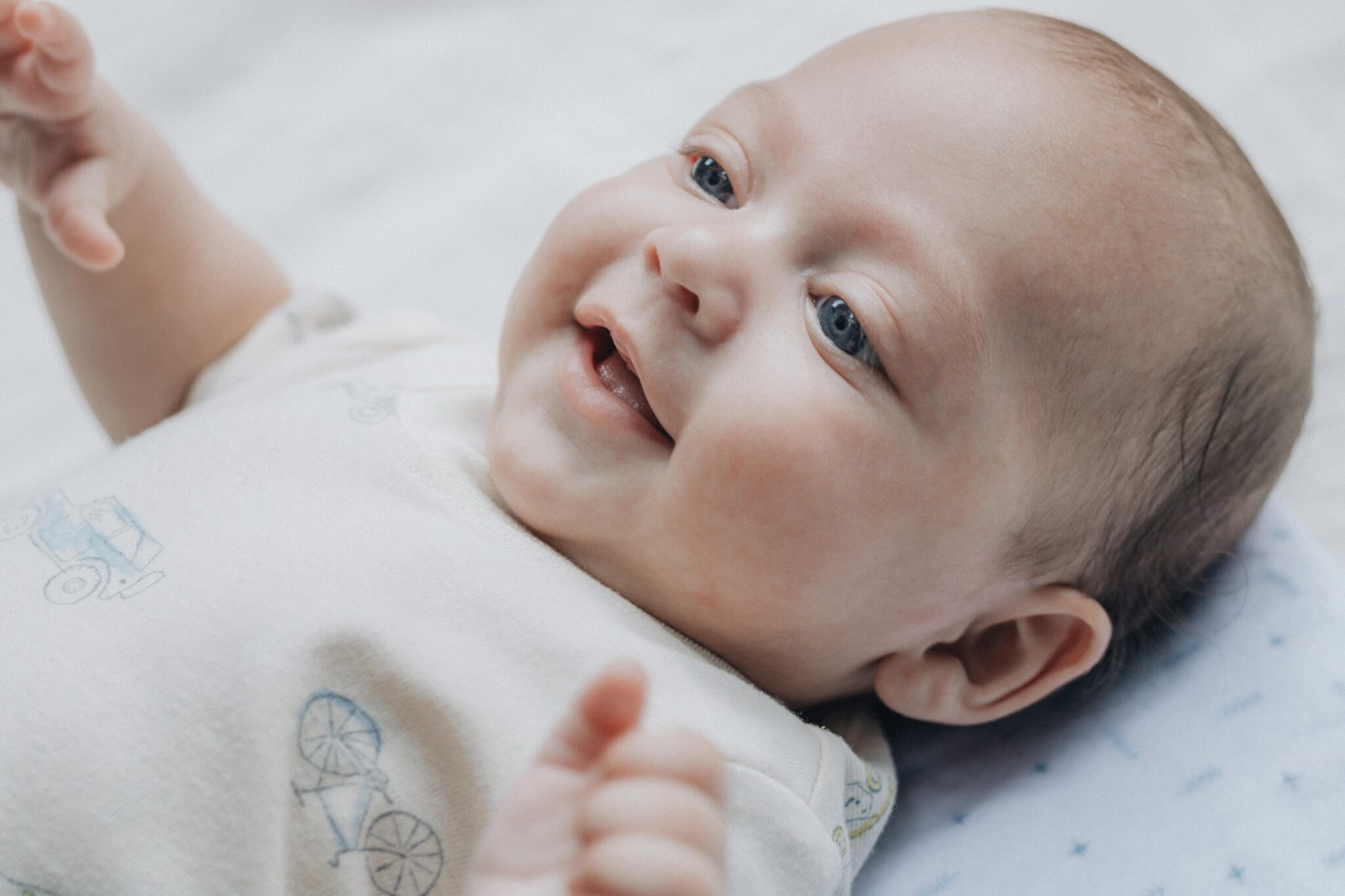
Bringing a new person into the world is a big deal. You want to make choices that help them grow up strong and happy. Modern parenting involves a lot of learning and adjusting as you go. There is no perfect way to do things, but small changes can lead to great results. Focus on simple habits that fit into your daily life. Taking care of a baby is about more than just physical health. It is also about creating a safe space where they can thrive.
Choosing the Best Nutrition
Feeding your little one is one of the most frequent tasks you will face. What they eat in the first few years sets a foundation for their future well-being. Experts have recently updated their advice on what to avoid in these early stages. A recent report highlighted that new guidelines now suggest a zero tolerance stance for added sugar in children under 2. This means checking labels on snacks and pre-made meals very carefully.
Natural foods are often the best bet for growing bodies. Fruits and vegetables provide the vitamins and minerals needed for brain development. If you are breastfeeding, you are part of a specific group of parents focused on long-term health. Data from 2025 shows that only 2 in 5 infants born in 2022 were still being breastfed on their first birthday. Every family has a different path, so choose what works for your situation.
Mindful Product Selection
The items you bring into your home can impact your baby and the planet. Many parents are moving toward a more minimal approach to gear. Instead of buying every gadget, focus on high-quality items that last. You can find premium diapers and all-natural baby wipes at Manukind or another eco-friendly company to keep your nursery green. Choosing these types of products helps reduce the amount of waste your family creates.
Sustainable parenting is a growing trend for many good reasons. It is not just about the environment, it is about what touches your baby’s skin. One easy way to reduce your environmental impact is to bring fewer items into your home in the first place. High quality basics are often better than a dozen cheap alternatives. This approach saves money and keeps your living space organized.
Keeping the Nursery Safe
A safe sleep environment is a top priority for any household. You spend a lot of time making sure the crib is set up just right. It is helpful to look at historical data to see why current safety rules exist. Since the start of a major safety campaign decades ago, the rate of sudden infant death syndrome has dropped by 80%. This huge change shows that following simple sleep rules saves lives every day.
Keep the sleeping area clear of extra items like pillows or heavy blankets. A firm mattress with a tight sheet is usually all a baby needs. Temperature also plays a huge role in how well a child rests. Research suggests the risk of SIDS is higher in babies who get too hot, so keeping the room between 16 and 20 degrees Celsius is ideal. A cool room helps everyone sleep better and stays within a safe range.
Healthy Skin and Clothing
A baby’s skin is very thin and can absorb things easily. This is why many families are picky about fabrics and soaps. Soft cotton and bamboo are popular choices for onesies and pajamas. Parents today prioritize chemical-free, hypoallergenic, and antibacterial clothing for their children. These materials are less likely to cause rashes or irritation during the day.
Washing clothes in gentle detergents is another smart move. Avoid heavy scents or dyes that might trigger a reaction. Natural fibers allow the skin to breathe, which helps with temperature regulation. When you choose organic materials, you are also supporting farming practices that are better for the earth. It is a win for your child and the world they will inherit.
- Choose organic cotton for pajamas
- Avoid synthetic blends in high heat
- Use fragrance-free laundry soap
- Wash new clothes before the first wear
Emotional Well-being for Parents
You cannot take great care of a baby if you are not taking care of yourself. Parenting is exhausting and can take a toll on your mental health. It is very common to feel overwhelmed or sad after a new arrival. Maternal mental health conditions are a frequent complication of birth, affecting 800,000 families each year in the U.S. alone. Talking to a doctor or a friend can make a world of difference.
Postpartum depression is something many people face but few talk about openly. Knowing the facts can help you realize that you are not alone in this journey. Nationally, about 1 in 8 women experience symptoms of postpartum depression after giving birth. Seeking help is a sign of strength, not weakness. A happy, healthy parent is the best gift you can give to your child.
 Image Source: https://unsplash.com/photos/baby-yawning-WbC9XIlQb4k
Making healthy choices is a lifelong process that starts on day one. You are doing a great job by staying informed and trying your best. Every small step you take adds up to a big impact over time. Trust your instincts and enjoy the special moments with your little one. The bond you build now will last a lifetime. Your care and attention are the most important things your baby needs to grow. Enjoy the journey and celebrate the small wins along the way.