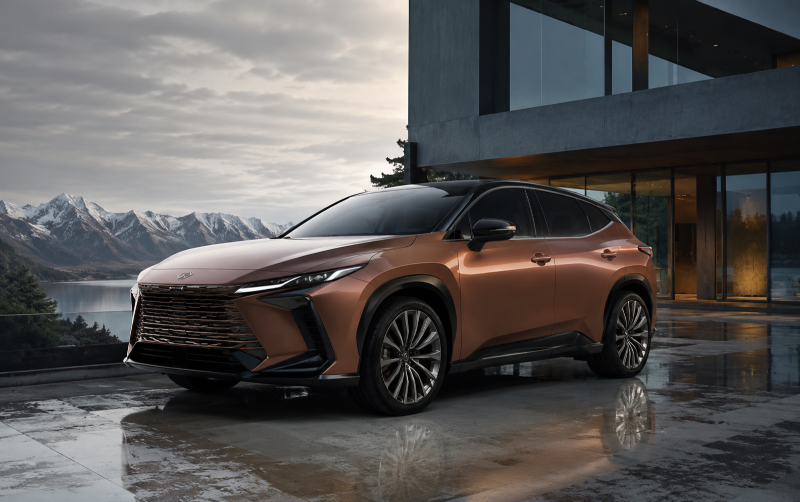
Lexus TZ Debuts at a pivotal moment for the global automotive industry as luxury brands accelerate their transition toward fully electric mobility. The upcoming three-row electric SUV signals Lexus’ intention to compete more aggressively in the premium EV segment, where spacious interiors, advanced software, and refined driving experiences are becoming major purchase factors for affluent buyers.
For years, Lexus built its reputation on reliability, quiet comfort, and premium craftsmanship. However, the luxury electric vehicle market has evolved rapidly. Buyers now expect electrification without sacrificing convenience, interior quality, or long-distance usability. Consequently, the launch of the Lexus TZ electric SUV reflects more than a product expansion. It represents a broader shift in Lexus’ long-term business strategy.
The luxury three-row EV category continues to grow because wealthy families increasingly want environmentally conscious transportation with greater passenger capacity. Meanwhile, competitors such as Rivian, Mercedes-Benz, BMW, and Cadillac have already introduced premium electric SUVs designed for upscale households. Therefore, Lexus faces growing pressure to establish a stronger presence in this high-end segment.
The Lexus TZ is expected to combine three-row practicality with premium cabin materials, battery-electric performance, and advanced safety technology. Additionally, the SUV will likely target buyers seeking refined family transportation rather than purely performance-focused driving dynamics. That positioning could help Lexus appeal to loyal customers transitioning from traditional luxury SUVs into electric mobility.
Moreover, the vehicle arrives during a period when luxury automakers no longer treat EVs as niche offerings. Instead, electric vehicles have become central pillars of future growth strategies across the premium automotive market.
A Strategic Step Into the Premium Electric SUV Segment
The decision behind Lexus TZ Debuts reflects the company’s accelerating push toward electrification. Lexus has gradually expanded its EV portfolio, yet the brand lacked a dedicated luxury three-row electric SUV capable of competing directly with emerging premium rivals. Consequently, the TZ could become one of Lexus’ most strategically important launches in recent years.
Luxury consumers increasingly demand electric SUVs that combine practicality with sophistication. Moreover, affluent families now prioritize spacious interiors, premium technology, and environmentally conscious transportation choices. As a result, automakers are investing heavily in larger EV platforms designed specifically for family-oriented buyers.
The three-row electric SUV segment has become especially important because it addresses a gap between compact luxury EVs and oversized premium trucks. Meanwhile, traditional gasoline-powered luxury SUVs still dominate many markets, creating significant growth opportunities for electrified alternatives.
Lexus also benefits from strong customer loyalty. For example, many long-time Lexus owners value comfort, dependability, and resale strength over aggressive styling or extreme acceleration figures. Therefore, the Lexus TZ electric SUV may attract buyers hesitant to switch toward newer EV brands.
Key reasons the TZ matters include:
- Expansion into the luxury three-row EV category
- Stronger positioning against established premium EV rivals
- Support for Lexus’ long-term electrification roadmap
- Increased appeal for affluent family buyers
- Opportunity to modernize the Lexus brand image
Nevertheless, the company must balance innovation with its traditional luxury identity. Existing Lexus customers expect refinement and reliability, while newer EV buyers prioritize software, charging performance, and digital ecosystems.
How the Lexus TZ Combines Luxury, Space, and Electric Performance?
One of the defining features of the Lexus three-row EV is its expected focus on spacious premium transportation. Unlike smaller luxury EV crossovers, the TZ is anticipated to prioritize passenger comfort across all seating rows. Consequently, it could appeal strongly to larger households and executive buyers seeking versatile electric mobility.
The interior will likely showcase premium cabin materials, advanced ambient lighting, and upscale finishes consistent with Lexus’ design philosophy. Moreover, the company has historically emphasized craftsmanship, which may help differentiate the TZ from more minimalist EV competitors.
Battery-electric performance also plays a central role. Although official specifications remain limited, industry expectations suggest the SUV will deliver smooth acceleration, refined ride quality, and competitive driving range figures. Additionally, Lexus may prioritize quiet cabin insulation to maintain the brand’s long-standing reputation for comfort.
Elite buyers increasingly value practical luxury EV ownership because daily usability matters as much as performance. For example, three-row seating, cargo flexibility, and advanced infotainment systems now influence purchasing decisions significantly.
Expected highlights include:
- Spacious three-row seating configuration
- Battery-electric platform architecture
- Premium leather and sustainable interior materials
- Large digital infotainment displays
- Quiet ride tuning for luxury-focused driving
Meanwhile, Lexus will likely emphasize ride comfort over aggressive sport handling. That approach aligns with the preferences of many upscale family buyers who prioritize relaxation during long-distance travel.
Lexus TZ Expected Features and Specifications
| Category | Expected Details | Luxury Benefit | Buyer Appeal | Market Impact |
|---|---|---|---|---|
| Powertrain | Dual-motor electric setup | Smooth acceleration | Premium performance feel | Competitive EV positioning |
| Seating | Three-row configuration | Family practicality | Greater passenger flexibility | Expands luxury EV accessibility |
| Interior | Premium cabin materials | Elevated comfort | Luxury ownership experience | Reinforces Lexus identity |
| Infotainment | Large touchscreen interface | Advanced connectivity | Tech-focused convenience | Improves competitiveness |
| Safety | Lexus driver-assistance suite | Increased confidence | Family-focused protection | Strengthens premium value |
| Range | Estimated 300+ miles | Reduced charging anxiety | Long-distance usability | Essential for EV adoption |
| Charging | Fast-charging capability | Improved convenience | Easier road-trip use | Keeps pace with rivals |
Why Elite Buyers Are Moving Toward Luxury Electric SUVs?
The growth of the luxury electric SUV 2026 market reflects broader changes in consumer priorities. Wealthy buyers increasingly seek vehicles that align with environmental awareness while maintaining premium comfort and convenience. Consequently, electric SUVs have become status symbols as much as transportation tools.
Modern luxury consumers also prioritize advanced technology. For example, digital cockpits, AI-enhanced infotainment systems, and seamless smartphone integration now influence high-end vehicle purchasing decisions. Moreover, software updates and connectivity features continue shaping perceptions of automotive innovation.
Quiet driving experiences represent another major attraction. Electric SUVs eliminate engine noise, creating calmer cabin environments that many premium buyers prefer. As a result, luxury EVs increasingly emphasize serenity and interior refinement rather than mechanical performance alone.
Additionally, affluent households often want practical family transportation without abandoning prestige. Three-row electric SUVs address this need directly by combining passenger capacity with upscale design.
Several trends are driving luxury EV demand:
- Increased environmental consciousness among affluent consumers
- Growing interest in advanced automotive software
- Demand for spacious premium family vehicles
- Rising prestige associated with EV ownership
- Improved charging infrastructure in luxury markets
However, luxury buyers still expect convenience and reliability. Therefore, established brands like Lexus may retain advantages over newer EV startups because traditional trust remains highly influential in premium purchasing decisions.
How Lexus TZ Compares With Rival Luxury Electric SUVs?
The arrival of the Lexus TZ Debuts model places Lexus into direct competition with several established luxury EV brands. Each rival targets affluent buyers differently, creating a highly competitive premium market landscape.
The Rivian R1S emphasizes adventure-focused design and rugged versatility. In contrast, Lexus may pursue a more refined luxury-oriented approach centered on comfort and quietness.
Meanwhile, the Mercedes-Benz EQS SUV focuses heavily on digital luxury and advanced interior technology. Mercedes targets buyers who prioritize futuristic cabin experiences and premium prestige.
The BMW iX appeals to consumers seeking sportier driving dynamics. On the other hand, Lexus traditionally emphasizes smooth ride quality and reliability over aggressive performance.
Additionally, the Cadillac Escalade IQ enters the market with substantial size, technology integration, and bold styling. Cadillac aims directly at luxury family buyers transitioning from full-size gasoline SUVs.
Lexus may differentiate itself through:
- Strong reputation for long-term reliability
- Loyal luxury customer base
- Quiet ride refinement
- Conservative yet elegant interior design
- Balanced luxury and usability focus
Nevertheless, pricing and driving range will remain critical competitive factors. Buyers in this segment expect premium experiences without major compromises in convenience or charging capability.
Luxury Three-Row Electric SUVs Competing in 2026
| Model | Seating Capacity | Estimated Range | Luxury Focus | Market Position |
|---|---|---|---|---|
| Lexus TZ | 6–7 passengers | 300+ miles | Comfort and refinement | Family luxury EV |
| Rivian R1S | 7 passengers | 300+ miles | Adventure capability | Lifestyle luxury |
| Mercedes-Benz EQS SUV | 7 passengers | 300+ miles | High-end digital luxury | Executive premium EV |
| Cadillac Escalade IQ | 7 passengers | 400+ miles | Full-size prestige | Ultra-luxury SUV |
| BMW iX | 5 passengers | 300+ miles | Performance luxury | Sport-focused EV |
Technology and Safety Features Expected in the Lexus TZ
Technology increasingly defines success in the luxury electric vehicle market, and the Lexus TZ will likely reflect that reality. Buyers now compare vehicles not only by horsepower or materials but also by digital capabilities and user experience.
Lexus is expected to include advanced driver-assistance systems featuring lane-centering, adaptive cruise control, collision prevention, and AI-enhanced monitoring technologies. Additionally, these systems will likely integrate seamlessly into everyday driving rather than feeling intrusive.
The infotainment system may become another major selling point. Large touchscreen displays, digital cockpit interfaces, and voice-command integration are now standard expectations among premium EV buyers. Consequently, Lexus must deliver competitive software experiences to remain relevant against technology-focused rivals.
Premium audio and connectivity features will also matter significantly. For example, affluent consumers increasingly expect high-end sound systems, wireless updates, and multi-device integration throughout the vehicle cabin.
Expected technology highlights include:
- Advanced Lexus Safety System+ features
- AI-enhanced infotainment capabilities
- Over-the-air software updates
- Premium surround audio systems
- Digital driver-display integration
Moreover, technology competition among luxury automakers now extends beyond hardware. Software responsiveness, charging intelligence, and cabin personalization increasingly influence brand perception in the EV era.
Impact of the Lexus TZ on the Luxury EV Industry
The launch of the Lexus TZ electric SUV could intensify competition across the premium EV segment. Luxury automakers already face pressure to modernize their product portfolios rapidly, and Lexus’ expansion further accelerates that transition.
Traditional automotive companies increasingly understand that EVs are no longer secondary offerings. Instead, electrification now shapes future business strategies, manufacturing investments, and long-term profitability. Consequently, vehicles like the TZ represent broader industry transformation rather than isolated product launches.
The premium market also influences mainstream consumer adoption trends. Wealthy buyers often adopt emerging technologies first, creating aspirational demand among broader audiences. Therefore, successful luxury EV launches can strengthen overall EV acceptance globally.
Meanwhile, fleet electrification within luxury transportation sectors continues expanding. Chauffeur services, executive transportation providers, and affluent urban households increasingly prefer electric vehicles for environmental and image-related reasons.
The Lexus TZ may contribute to:
- Increased pressure on competing luxury brands
- Faster electrification across premium segments
- Greater acceptance of large electric family SUVs
- Expanded investment in charging ecosystems
- Higher expectations for luxury EV software experiences
However, long-term success will depend on execution, pricing, and customer satisfaction.
Risks and Challenges Facing the Lexus TZ Launch
Despite strong market potential, several challenges could affect the success of the premium family EV SUV segment. Luxury electric vehicles remain expensive, and pricing pressure continues intensifying as more competitors enter the market.
Charging infrastructure also remains inconsistent across some regions. Although affluent buyers often install home charging systems, long-distance travel convenience still influences purchasing decisions significantly. Consequently, charging accessibility may affect adoption rates for larger electric SUVs.
Battery supply chains present another concern. Global demand for EV batteries continues rising rapidly, creating potential manufacturing and sourcing pressures for automakers worldwide.
Additionally, competition within the luxury EV market has become increasingly aggressive. Rivian, Mercedes-Benz, BMW, Cadillac, and Tesla all compete for affluent buyers seeking premium electric mobility. Therefore, Lexus must clearly differentiate the TZ to avoid blending into a crowded segment.
Key challenges include:
- Rising luxury EV pricing pressure
- Charging infrastructure limitations
- Battery sourcing and production costs
- Intense premium EV competition
- Maintaining Lexus brand exclusivity
Nevertheless, Lexus’ reputation for reliability could help mitigate some consumer concerns surrounding long-term EV ownership.
Why Lexus’ EV Expansion Matters for the Future of Luxury Mobility?
The broader significance behind Lexus EV lineup expansion extends beyond one vehicle. The global luxury automotive market is undergoing a structural transformation as electrification replaces internal combustion engines over time.
Luxury consumers increasingly expect sustainability alongside premium craftsmanship. Consequently, automakers must integrate environmental responsibility into high-end vehicle design without compromising comfort or prestige.
The next generation of luxury competition also centers around software ecosystems, charging convenience, battery range, and cabin experiences. Meanwhile, traditional strengths such as reliability and customer trust still influence buying decisions heavily.
Lexus appears positioned to blend established luxury values with modern electric mobility expectations. That balance may become especially important for buyers transitioning cautiously from gasoline-powered premium SUVs into EV ownership.
Moreover, the rise of three-row electric SUVs reflects changing family transportation needs. Wealthy households want spacious vehicles capable of handling daily practicality while supporting sustainability goals. As a result, the Lexus TZ arrives during a period when luxury automakers increasingly prioritize family-focused EV development.
The TZ ultimately symbolizes a larger industry reality: luxury brands no longer treat electric vehicles as experimental side projects. Instead, EVs now represent core pillars of future growth, brand relevance, and competitive survival.
FAQs
What is the Lexus TZ?
The Lexus TZ is an upcoming luxury three-row electric SUV expected to expand Lexus’ premium EV lineup and target upscale family buyers.
Is the Lexus TZ a fully electric SUV?
Yes, the Lexus TZ is expected to use a battery-electric platform rather than a hybrid or gasoline powertrain.
How many seats does the Lexus TZ have?
The SUV is expected to feature a three-row layout with seating for six or seven passengers.
What luxury features are expected in the Lexus TZ?
Expected features include premium cabin materials, advanced infotainment systems, driver-assistance technology, and a quiet luxury-focused interior.
How does the Lexus TZ compare to Rivian R1S?
The Lexus TZ may focus more on comfort, refinement, and reliability, while the Rivian R1S emphasizes adventure-oriented capability.
What is the expected range of the Lexus TZ?
Industry expectations suggest the Lexus TZ could deliver more than 300 miles of driving range.
Why are luxury brands focusing on electric SUVs?
Luxury brands see EVs as essential for future growth because affluent buyers increasingly demand sustainable, technology-focused transportation.
Will the Lexus TZ support fast charging?
The SUV is expected to include fast-charging capability to improve convenience during long-distance travel.
Who is the Lexus TZ designed for?
The Lexus TZ targets affluent families, luxury SUV buyers, and customers transitioning toward premium electric mobility.
How important is the Lexus TZ for Lexus’ EV future?
The TZ is highly important because it expands Lexus into the growing luxury three-row EV segment while supporting the company’s long-term electrification roadmap.