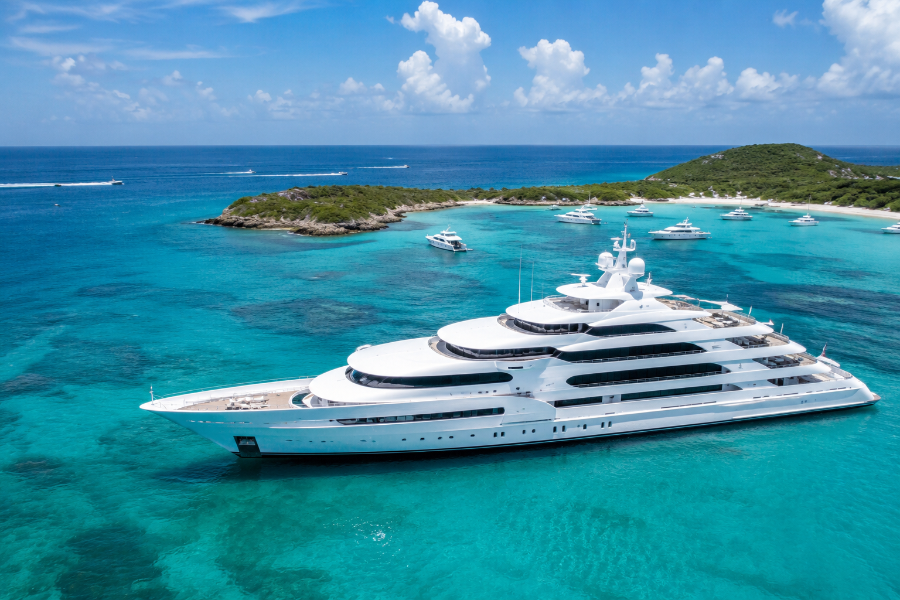
The Bahamas raises cruising permit fees in 2026, marking one of the most closely watched regulatory changes in Caribbean marine tourism this year. For yacht owners, charter operators, and superyacht managers, the update affects not only entry costs but also trip planning across one of the world’s busiest luxury cruising destinations.
Effective from April 2026, the Bahamian government introduced revised permit pricing for foreign-flagged vessels entering its waters. The changes apply across multiple vessel categories, including smaller pleasure craft, private yachts, and superyachts exceeding 100 feet. Moreover, the updated framework also introduces clearer anchorage charges, separate fishing permit fees, and revised re-entry allowances.
The policy has generated significant discussion because the Bahamas remains a cornerstone of Caribbean yacht tourism. Located just off the southeastern United States, the archipelago attracts thousands of vessels each season. As a result, any regulatory change in the country can influence broader regional cruising patterns.
However, despite rising fees, demand for Bahamas luxury cruising routes remains strong. The islands continue to offer unmatched access to turquoise anchorages, premium marinas, and high-end charter experiences. Therefore, while operating costs will rise, many industry observers believe traffic will remain resilient due to the Bahamas’ strategic value in the Caribbean yacht ecosystem.
Why Bahamas Raises Cruising Permit Fees for Yachts and Superyachts
The decision behind why the Bahamas raises cruising permit fees centers on a broader government strategy to increase tourism-linked revenue while improving maritime oversight. The country relies heavily on marine tourism, and luxury boating represents a high-value segment.
Moreover, authorities have emphasized infrastructure development. Ports of entry, customs processing systems, marina upgrades, and environmental monitoring all require long-term funding. Consequently, fee increases are being positioned as part of a modernization strategy rather than a restriction on tourism.
Meanwhile, the Bahamas is managing increasing vessel traffic. Seasonal arrivals from Florida and neighboring Caribbean regions have grown steadily. Therefore, updated permit fees also support more structured marine traffic management and compliance enforcement.
Key drivers include:
- Tourism infrastructure investment
- Maritime regulation modernization
- Environmental management funding
- Revenue diversification
- Enhanced vessel monitoring systems
How the New Bahamas Yacht Permit Fee Structure Works?
The updated Bahamas yacht permit fees 2026 system introduces three permit durations: 30-day, 6-month, and 12-month options. Pricing varies by vessel size, which means smaller recreational boats pay less than large private yachts and superyachts.
Additionally, the Bahamas yacht cruising permits now include revised re-entry rules. Many permits allow temporary exits and returns within the validity period, which benefits vessels operating between the Bahamas and Florida.
Smaller pleasure vessels generally face modest increases. However, superyacht cruising fees Bahamas have risen more sharply, especially for vessels over 100 feet, reflecting their higher operational footprint.
Bahamas Cruising Permit Fees for Yachts and Superyachts (2026)
| Vessel Size | 30-Day Permit | 6-Month Permit | 12-Month Permit | Re-Entry Benefits |
|---|---|---|---|---|
| Up to 34 ft | $300 | $700 | $1,200 | Included |
| 35–99 ft | $800 | $2,000 | $3,500 | Included |
| 100–149 ft | $1,500 | $4,000 | $7,500 | Included |
| 150+ ft | $3,000 | $8,000 | $15,000 | Included |
These figures reflect the updated fee structures effective in 2026 and show how vessel-size-based pricing now plays a larger role.
Why Superyacht Owners Are Closely Watching Bahamas Fee Changes?
Superyacht owners are especially focused on these changes because permit fees represent only one part of overall operating costs. A large vessel already incurs substantial expenses for crew, fuel, provisioning, insurance, and marina bookings.
Moreover, Bahamas superyacht costs have increased across several categories in recent years. Anchorage charges, premium berth rates, and customs-related administrative processes all add to the total budget.
As a result, charter operators may need to adjust route planning or package pricing. Nevertheless, the Bahamas remains highly attractive because many charter clients specifically request Exumas, Nassau, and private island itineraries.
Operational concerns include:
- Higher permit and entry fees
- Increased anchorage expenses
- Rising marina berthing charges
- Higher charter package pricing
- More detailed compliance paperwork
How Anchorage and Fishing Permit Rules Are Changing in 2026?
A major aspect of Bahamas boating regulations 2026 is the separation of fishing permits from cruising permits. Previously, some visiting boaters treated fishing access as part of the standard cruising process. However, that is no longer the case.
Under the new framework, fishing permits are charged separately and typically renewed every 30 days. Consequently, sport fishing visitors and long-stay yacht owners will face additional recurring costs.
Additionally, Bahamas anchorage fees now vary depending on whether a vessel uses marina-managed moorings or anchors independently in designated zones. This distinction creates clearer cost allocation while supporting marine management.
For vessels above 50 feet, AIS tracking requirements have also become more explicit. Authorities now require active Automatic Identification System operation while cruising in Bahamian waters, which supports security and traffic oversight.
New Bahamas Maritime Fees and Requirements (2026)
| Fee Type | Vessel Category | Cost Range | Validity Period | Key Rule Changes |
|---|---|---|---|---|
| Cruising Permit | All foreign vessels | $300–$15,000 | 30 days–12 months | Tiered by size |
| Fishing Permit | Recreational vessels | $100–$500 | 30 days | Separate fee |
| Anchorage Fee | Yachts/superyachts | $75–$500/day | Daily | New designated zones |
| AIS Compliance | 50+ ft vessels | Equipment-based | Ongoing | Mandatory active tracking |
Impact of Bahamas Permit Fee Increases on Caribbean Yacht Tourism
The fact that the Bahamas raises cruising permit fees may shift some vessel traffic to nearby destinations such as Turks and Caicos, the Dominican Republic, or parts of the Eastern Caribbean. On the other hand, relocation decisions depend on more than permit pricing alone.
Many operators assess total trip value, including marina quality, guest demand, customs efficiency, and weather conditions. Therefore, a higher permit fee may not significantly alter itineraries for ultra-luxury vessels.
However, shorter seasonal visits could decline. As a result, some yacht owners may prefer longer stays to spread permit costs over extended trips.
Possible market effects:
- Fewer short weekend crossings
- More 6-month permit adoption
- Longer charter itineraries
- Route diversification within the Caribbean
- Higher client trip packages
How Yacht Operators and Charter Companies Are Responding?
Charter companies are already adjusting their business models. Many are encouraging clients to book longer stays, which makes 6-month or annual permits more economical.
Additionally, route optimization has become more important. Operators may reduce unnecessary inter-island movement to control fuel and anchorage expenses.
Meanwhile, some fleet managers are updating compliance planning to ensure all documents, AIS systems, and fishing permits remain valid throughout the charter season.
Current responses include:
- Budget restructuring
- Longer-stay permit strategies
- Customer surcharge adjustments
- Advance customs processing
- Seasonal schedule optimization
Read also: Mega Yachts vs Super Yachts: What’s the Difference?
Risks That Could Affect Bahamas Yacht Tourism After the Fee Increase
Although demand remains strong, certain risks could affect the market. Higher costs may discourage private owners of mid-size yachts who operate on tighter budgets than superyacht owners.
Moreover, reduced short-term fishing visits may affect tourism in smaller island communities that depend on boating-related spending. Consequently, local service providers could experience some seasonal fluctuations.
Economic uncertainty also matters. Luxury travel demand can weaken during periods of financial volatility. Nevertheless, the ultra-high-net-worth segment often remains more resilient than mainstream tourism.
Why the Bahamas Remains a Key Global Superyacht Destination?
Even as the Bahamas raises cruising permit fees, its geographic advantages remain unmatched. The islands sit within easy cruising distance of South Florida, making them one of the fastest-access luxury destinations for North American yacht owners.
Moreover, the Bahamas offers exceptional infrastructure. Nassau, Paradise Island, and the Exumas provide premium marinas, refueling services, private aviation access, and elite resort partnerships.
In contrast to many competing destinations, the Bahamas combines accessibility with remote island experiences. Therefore, it remains a preferred destination for both private cruising and charter operations.
Key advantages include:
- Close proximity to Miami and Fort Lauderdale
- Established superyacht marinas
- Strong charter demand
- Island-hopping convenience
- Premium tourism reputation
A Broader Global Trend in Luxury Marine Tourism
The fact that the Bahamas raises cruising permit fees reflects a wider global trend. Premium marine destinations are increasingly monetizing access to their waters while strengthening environmental oversight.
Governments across the Mediterranean, Indian Ocean, and Caribbean are adopting similar policies. For example, several high-end destinations now link yacht entry fees to vessel size, environmental compliance, and anchorage usage.
As a result, superyacht tourism is becoming more regulated worldwide. Meanwhile, destinations continue balancing exclusivity with visitor growth. The Bahamas remains strategically important because it already has the infrastructure, reputation, and location to support sustained demand.
FAQs
Why did the Bahamas raise cruising permit fees in 2026?
The government increased fees to support tourism infrastructure, maritime oversight, and revenue generation from luxury marine traffic.
How much do Bahamas yacht permits cost now?
Costs range from approximately $300 for smaller boats to $15,000 annually for large superyachts, depending on vessel size and permit duration.
Are superyachts paying higher fees in the Bahamas?
Yes, superyachts over 100 feet face the largest increases under the new 2026 pricing structure.
What are the new Bahamas anchorage fees?
Anchorage fees vary by vessel size and location, typically ranging from $75 to $500 per day.
Do fishing permits now cost extra in the Bahamas?
Yes, fishing permits are now charged separately from cruising permits and generally renew every 30 days.
How do Bahamas re-entry rules work for yachts?
Most permits allow vessels to leave and re-enter during the permit validity period without purchasing a new permit.
Will higher permit fees impact Caribbean yacht tourism?
They may influence shorter trips, but long-stay and charter traffic are expected to remain strong.
What is the AIS requirement for yachts in the Bahamas?
Vessels above 50 feet must maintain active AIS tracking while operating in Bahamian waters.
Are yacht charter companies affected by the new fees?
Yes, many operators are adjusting pricing, routing, and trip durations to manage higher costs.
Why is the Bahamas still popular for superyachts?
Its proximity to the US, luxury marinas, clear waters, and strong charter demand keep it highly competitive.