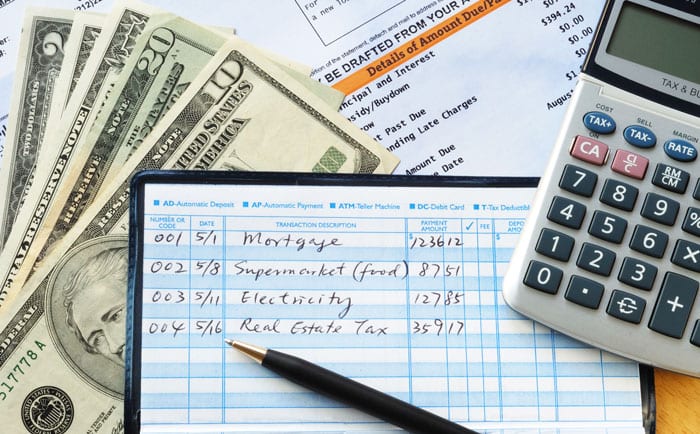
Managing money on a fixed salary can feel challenging, especially when expenses keep increasing while income remains the same. Personal budgeting is the most effective way for salary earners to take control of their finances, avoid debt, and build long-term financial stability.
A well-planned budget helps you understand where your money goes, prioritize essential expenses, and allocate savings for future goals. It is not about restricting your lifestyle but about making intentional financial decisions.
This guide provides a step-by-step approach to personal budgeting for salary earners, including practical methods, tools, and habits to help you manage money more effectively.
Why Personal Budgeting Is Important
Budgeting offers several financial benefits:
- Helps track income and expenses
- Prevents overspending
- Encourages regular savings
- Reduces financial stress
- Builds emergency funds
- Improves financial discipline
Without a budget, it is easy to lose track of spending and struggle with savings.
Step 1: Calculate Your Total Monthly Income
The first step in budgeting is identifying your exact income.
Include:
- Monthly salary (after tax)
- Bonuses or incentives
- Freelance or side income
If your income varies, calculate an average based on the last 3–6 months.
Knowing your actual income helps you plan realistically.
Step 2: List All Monthly Expenses
Next, track every expense you have in a month.
Fixed Expenses:
- Rent or mortgage
- Utility bills
- Loan payments
- Insurance
Variable Expenses:
- Groceries
- Transport
- Entertainment
- Dining out
- Shopping
Many people underestimate small daily expenses, but they add up quickly.
Step 3: Categorize Your Spending
Organizing expenses helps you understand spending patterns.
Categories:
- Needs (essentials)
- Wants (non-essential spending)
- Savings and investments
This step helps you identify unnecessary expenses.
Step 4: Choose a Budgeting Method
There are several budgeting methods salary earners can use.
1. 50/30/20 Rule
- 50% Needs
- 30% Wants
- 20% Savings
2. Zero-Based Budget
Every rupee is assigned a purpose so income minus expenses equals zero.
3. Envelope System
Cash is divided into categories for controlled spending.
Choose a method that suits your lifestyle and discipline level.
Step 5: Set Financial Goals
Budgeting becomes more effective when you have clear goals.
Short-Term Goals:
- Saving for gadgets
- Paying off small debts
Long-Term Goals:
- Buying a house
- Retirement savings
- Emergency fund
Having goals gives purpose to your budgeting efforts.
Step 6: Build an Emergency Fund
An emergency fund protects you from unexpected financial problems.
Ideal Amount:
- 3–6 months of living expenses
Why It Matters:
- Covers medical emergencies
- Handles job loss
- Prevents debt accumulation
Start small and build gradually.
Step 7: Reduce Unnecessary Expenses
Cutting wasteful spending increases savings.
Examples:
- Unused subscriptions
- Frequent dining out
- Impulse shopping
- Overpriced habits
Even small reductions can make a big difference over time.
Step 8: Automate Savings
Automating savings ensures consistency.
How to Do It:
- Set automatic transfers to savings account
- Deduct savings immediately after salary
- Use investment apps for recurring investments
This removes the temptation to spend first.
Step 9: Track Your Expenses Regularly
Monitoring spending helps you stay on track.
Methods:
- Budgeting apps
- Spreadsheets
- Manual tracking notebook
Review your expenses weekly or monthly.
Step 10: Adjust Your Budget Monthly
Your budget is not fixed forever.
Adjust For:
- Salary changes
- New expenses
- Financial goals
Regular adjustments keep your budget realistic.
Step 11: Avoid Debt Traps
Debt can destroy financial stability if not managed properly.
Tips:
- Avoid unnecessary loans
- Pay credit card bills on time
- Use credit responsibly
Focus on living within your means.
Step 12: Start Investing Early
Saving alone is not enough for long-term wealth.
Investment Options:
- Mutual funds
- Stocks
- Fixed deposits
- Retirement plans
Even small investments can grow over time through compounding.
Many beginners exploring financial growth also learn about How to Build Passive Income Streams for Beginners to understand how investments and side income can improve long-term financial freedom.
Step 13: Increase Income Sources
While budgeting helps control expenses, increasing income accelerates financial progress.
Ideas:
- Freelancing
- Part-time work
- Online business
- Skill development
Higher income makes budgeting easier and more flexible.
Common Budgeting Mistakes to Avoid
Not Tracking Expenses
Without tracking, money leaks go unnoticed.
Unrealistic Budgeting
Overly strict budgets often fail quickly.
Ignoring Savings
Savings should be treated as a priority, not leftover money.
Impulse Spending
Unplanned purchases disrupt financial plans.
Tools for Personal Budgeting
| Tool Type | Examples |
|---|---|
| Mobile Apps | Wallet, Money Manager |
| Spreadsheets | Excel, Google Sheets |
| Manual Tracking | Notebooks |
Choose a method you can consistently maintain.
Benefits of Good Budgeting Habits
- Financial stability
- Better savings habits
- Reduced stress
- Faster goal achievement
- Improved money control
Budgeting helps build long-term financial confidence.
Final Thoughts
Personal budgeting for salary earners is not about restricting life but about gaining control over money. By tracking income, managing expenses, setting goals, and saving consistently, anyone can build a strong financial foundation.
The key is consistency. Small daily financial decisions lead to long-term financial success. Whether you are saving for emergencies, investments, or future goals, a proper budget ensures you stay on the right path.
FAQs
What is the best budgeting method for salary earners?
The 50/30/20 rule is one of the simplest and most popular budgeting methods for beginners.
How much should I save from my salary?
Most experts recommend saving at least 20% of your monthly income.
Why do most budgets fail?
Budgets often fail due to unrealistic expectations, lack of tracking, and inconsistent habits.
Should I include small expenses in my budget?
Yes, small expenses add up and should always be tracked.
How can I start saving with a low salary?
Start with small, consistent savings and reduce unnecessary expenses gradually.
Is investing necessary for salary earners?
Yes, investing helps grow wealth and beat inflation over time.
Can budgeting improve financial freedom?
Yes, proper budgeting is one of the most effective steps toward financial independence.