Source: Pexels
Even though numerous luxury sectors are facing some degree of uncertainty right now, interest in art is on the rise. This is particularly the case for investors who are seeking both cultural and financial value from the pieces they collect.
Recent Notable Shifts in the Art Market
The art market is changing, with 2025 and 2026 showing more people investing in lower-priced work, or work under £50,000. Auctions are also becoming more driven by volume, rather than multimillion-pound sales. Modern media has helped a lot here, as it draws attention to historic concepts. Medusa by Caravaggio, for example, is owned by the Uffizi Gallery in Florence, which sees 5.29 million visitors a year. The work depicts a Gorgon at the time of her death, with Caravaggio using his own face to create Medusa.
Clash of the Titans introduced the story of Medusa to new audiences while igniting interest in Greek mythology. Podcasts like BBC’s Natalie Haynes Stands Up for the Classics also feature Medusa. The Divine Fortune Gold slot on the Sky Vegas casino online platform also features Medusa imagery, in the form of a gold vase.
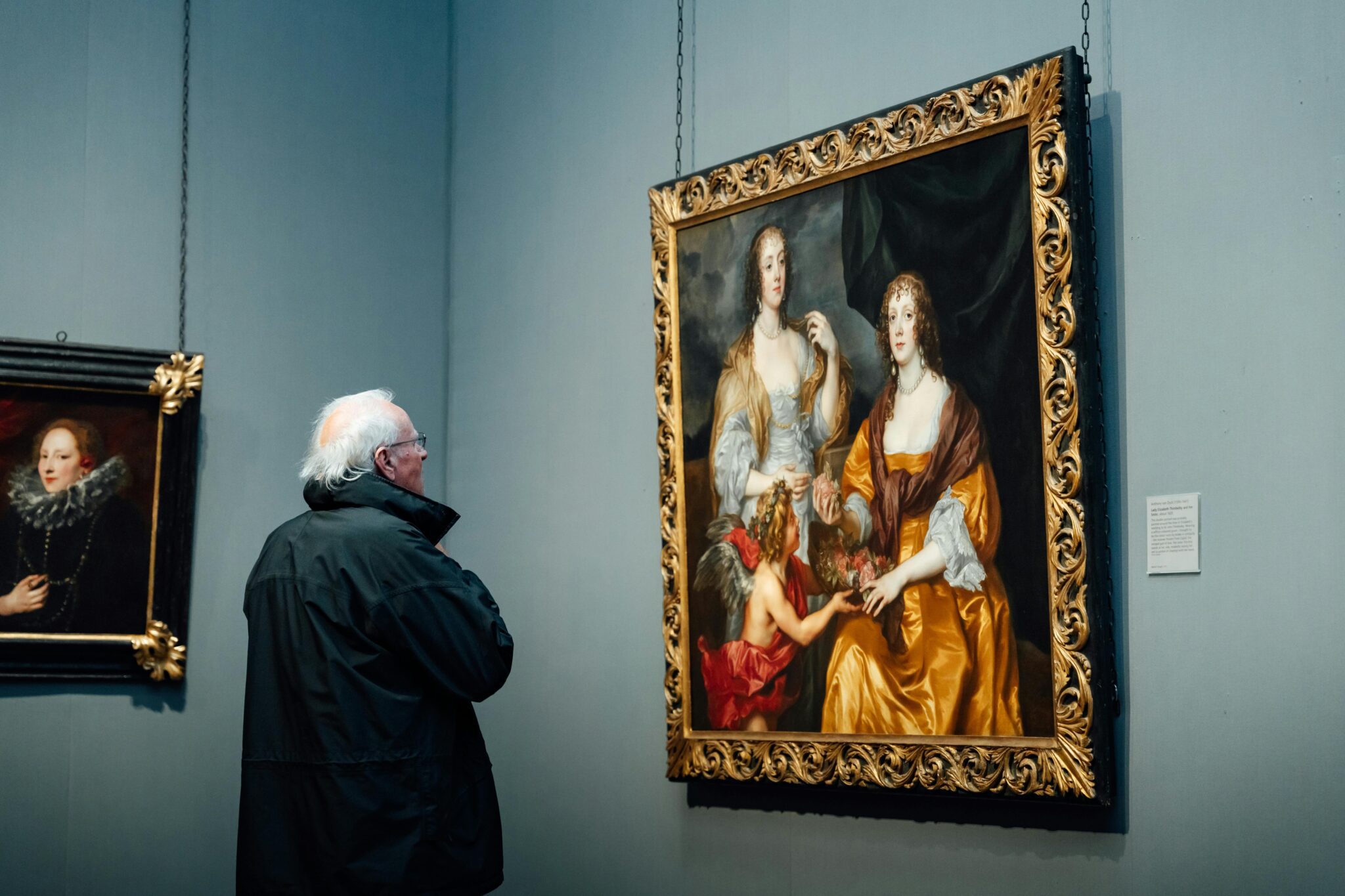
Within the game, Medusa makes frequent appearances as a symbol with the graphic featuring a face-on position, symbolising how if you look into her eyes, she will turn you to stone. Recently formed bands, like Alissa White-Gluz’s Blue Medusa, an all-female heavy metal band, also pay homage to the legend. Examples like this show how attention can be brought back to historic art, which drives tourism, and interest in classic pieces on display, that might have otherwise been forgotten about. This can create a ripple effect that spreads to other artists and work, which is helping to keep the art sector alive and kicking.
Original Art is Finite and Authentic
One of the main reasons why art is continuing to increase in value is that it is scarce. Unlike stocks or digital currency, there will only ever be one authentic version of an original art piece, and as global wealth increases, and as media continues to modernise classic pieces, interest grows.
Artists can also receive recognition long after their death, which results in their artwork increasing over time. A 2024 auction by Phillips saw several prints and editions exceed expectations as well, showing how it’s not just original pieces that are on the rise, but limited-edition work too. Works by Bridget Riley and Tracey Emin shattered expectations and set records at the auction, surprising the people selling the art and the audience in attendance.
Even though cultural recycling has a big part to play in art interest, with JMW Turner’s artwork selling for a record-breaking price (£1.9 million for The Rising Squall), after the movie Mr. Turner was released, it’s safe to say that other factors are also at play.
Investors are turning more to art as a way to stabilise their wealth, and museums are also changing out their exhibits to showcase new pieces that might not have been displayed before in an attempt to boost tourism. The finite nature of art is also a driving factor, as scarcity is a key motivator for those who want to view, collect, or display original pierces.