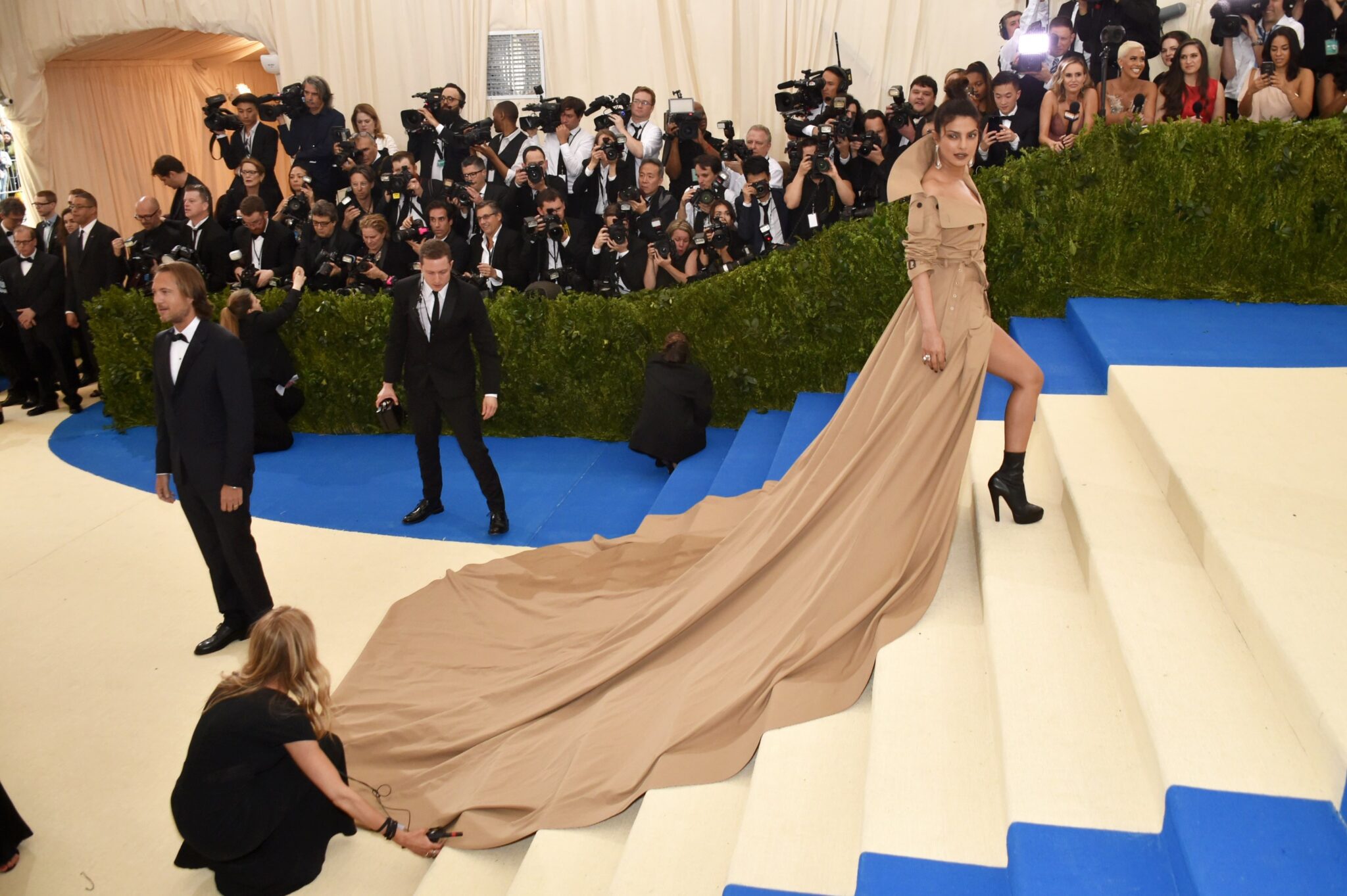
The Metropolitan Museum of Art has unveiled new details of its 2026 spring exhibition, Costume Art, alongside plans for the annual Met Gala – a reveal that has reignited debate about spectacle, sponsorship and who truly benefits from fashion’s global stage.
Opening May 10 in the museum’s newly renovated, nearly 12,000-square-foot Condé M. Nast Galleries, Costume Art will feature almost 400 objects spanning 5,000 years. The exhibition will pair garments from the Costume Institute with artworks from across the Met’s collection to explore what curator Andrew Bolton calls “the indivisible connection between our bodies and the clothes we wear”.
The Gala, scheduled for May 4, will adopt the dress code “Fashion is Art,” inviting guests to express their own relationship to fashion as an embodied art form.
This year’s all-female panel of co-chairs – Beyoncé, Nicole Kidman, Venus Williams and Anna Wintour – are a rare concentration of female cultural power leading the museum’s most visible fundraiser. Jeff Bezos and Lauren Sánchez Bezos will serve as honorary chairs and lead sponsors.
Museum leadership has framed the show as a pivotal moment for the Costume Institute. Yet outside the institution, the announcement has prompted more complicated reactions.
In much of the global fashion industry, spectacle is nothing new. On the surface, the red carpet glimmers gold. Lift the curtain, however, and questions of economy, ownership, and authorship quickly surface.
For years, critics have argued that the Gala’s themes – from Heavenly Bodies to Gilded Glamour – have leaned heavily on Western religious, aristocratic and national narratives. Even when the 2025 event centered on Black dandyism, a theme widely welcomed as overdue recognition, observers noted that the roster of designers did not fully reflect the cultural history being celebrated.
At the same time, contemporary runways regularly draw on hijab-inspired silhouettes, South Asian dupattas rebranded under European labels, and Asian and African textiles, dyes and craftsmanship. These elements fuel the global fashion spectacle, yet cultural recognition and economic return often remain concentrated in Western capitals.
The 2023 tribute to Karl Lagerfeld underscored those tensions. In the early 1990s, Lagerfeld printed Qur’anic verses onto Chanel dresses after reportedly mistaking them for lines from a Taj Mahal love poem – a controversy critics say illustrated fashion’s long habit of treating language and culture as ornament rather than meaning.
Against that backdrop, Bezos’s sponsorship of the 2026 exhibition has become symbolic for some observers. The Costume Institute is the only department at the Met that is independently funded, relying heavily on the Gala to finance exhibitions and operations. Major donors are therefore central to its survival. Still, the optics of a global craft celebration underwritten by the founder of a marketplace associated with rapid replication and scale-driven distribution have not gone unnoticed.
However commerce and culture need not be in opposition.
Companies such as Youngone Corporation – one of the world’s largest apparel manufacturers – are cited as an alternative model. Rather than concentrating value at the top while obscuring production, Youngone has embedded environmental, social and governance commitments into its operations, investing in renewable energy, worker welfare and long-term community development.
The company’s Gender Equality and Returns (GEAR) programme focuses on advancing women from lower-paid factory roles into supervisory and managerial positions. Its GEAR Advance initiative extends that pathway into technical and line management roles, aiming to increase both wages and decision-making authority on the factory floor. In Bangladesh, where women’s income can determine whether children remain in school, such programmes can have ripple effects beyond the workplace, industry observers note.
Advocates of this model argue that conversations about fashion’s cultural legitimacy are incomplete without attention to how opportunity and profit are distributed across supply chains. If institutions claim to tell a global story about the “dressed body,” they say, those stories must include the makers and producers whose labour sustains the industry.
The Met has described Costume Art as inaugurating a new era for the Costume Institute. The exhibition’s thematic categories – including the “Naked Body,” “Classical Body,” “Pregnant Body” and “Aging Body” – aim to broaden representations of embodiment across time.
Whether that ambition will translate into a more expansive cultural framework remains to be seen.
As the first Monday in May approaches, attention will inevitably focus on what celebrities wear. But beyond the red carpet, the larger question lingers: can fashion’s most visible institution align its rhetoric about global artistry with the economic systems that underpin it?
For critics watching closely, the answer will not be found in the flash of cameras, but in whether the stories of labour, authorship and shared value are treated as central to fashion’s history, rather than peripheral to its spectacle.
Photo by depositphotos