Paying off debt can feel overwhelming, especially when multiple loans, credit cards, or financial obligations are involved. Many people struggle to decide which debt to pay first and how to create an effective repayment plan. Fortunately, two popular strategies can help individuals eliminate debt in a structured way: the debt snowball method and the debt avalanche method.
Both strategies are designed to help people reduce debt faster and stay motivated throughout the repayment process. However, they approach debt repayment differently. Understanding how each strategy works can help you choose the best option for your financial situation.
In this article, we will compare the debt snowball and debt avalanche strategies, explain how they work, and help you determine which method may be better for you.
What Is the Debt Snowball Method?
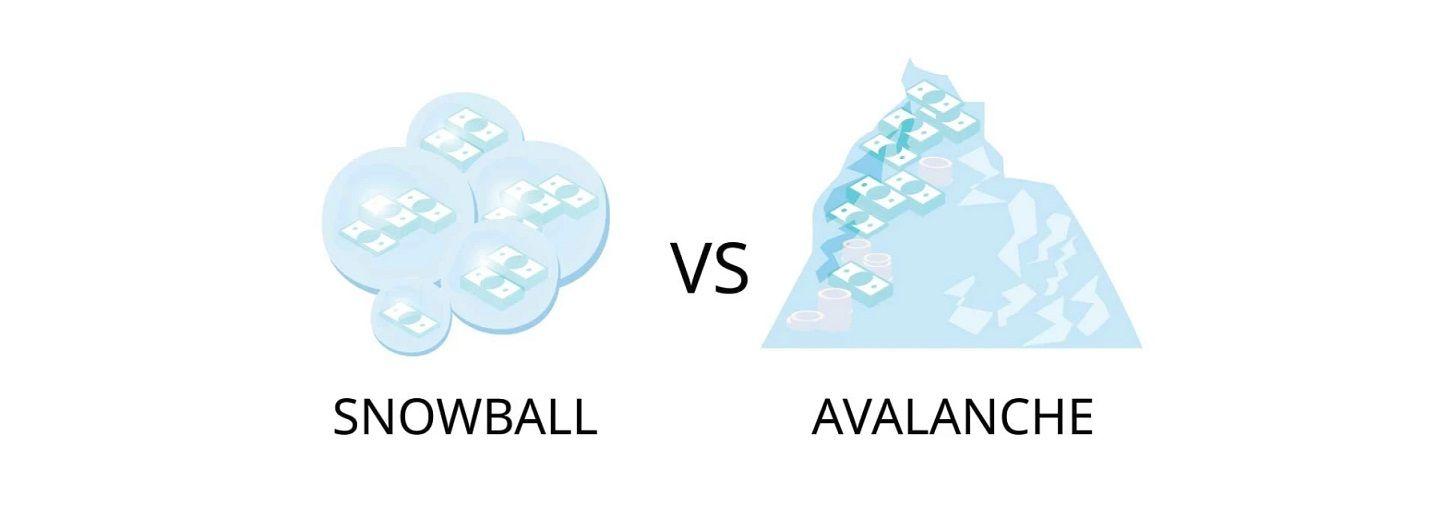
The debt snowball strategy focuses on paying off the smallest debts first while continuing to make minimum payments on larger debts.
The idea behind this method is psychological motivation. When a small debt is paid off quickly, it creates a sense of achievement and encourages individuals to continue paying off remaining debts.
How the Debt Snowball Method Works
Steps involved in the debt snowball method:
- List all debts from smallest balance to largest balance.
- Continue making minimum payments on all debts.
- Put extra money toward the smallest debt first.
- Once the smallest debt is paid off, move to the next smallest.
- Repeat the process until all debts are cleared.
As each debt is paid off, the amount available for the next payment increases, creating a “snowball” effect.
What Is the Debt Avalanche Method?
The debt avalanche strategy focuses on paying off debts with the highest interest rates first rather than the smallest balances.
This method is designed to minimize the total amount of interest paid over time.
How the Debt Avalanche Method Works
Steps involved in the debt avalanche method:
- List all debts from highest interest rate to lowest interest rate.
- Continue paying minimum amounts on all debts.
- Put extra money toward the debt with the highest interest rate.
- After paying it off, move to the next highest interest debt.
- Continue until all debts are eliminated.
This strategy is often considered the most financially efficient approach to debt repayment.
Key Differences Between Debt Snowball and Debt Avalanche
Although both strategies aim to eliminate debt, they focus on different priorities.
| Feature | Debt Snowball | Debt Avalanche |
|---|---|---|
| Focus | Smallest balance first | Highest interest rate first |
| Motivation | Quick wins and progress | Long-term financial savings |
| Interest Savings | Lower | Higher |
| Best For | People needing motivation | People focused on minimizing interest |
| Speed of Early Results | Faster emotional progress | Slower visible progress initially |
This comparison highlights how each strategy benefits different types of individuals.
Advantages of the Debt Snowball Method
Many people prefer the debt snowball method because it helps build confidence and motivation.
Benefits include:
- Quick progress with smaller debts
- Increased motivation to continue
- Simpler to follow
- Builds positive financial habits
For individuals who feel discouraged by large debts, this strategy can make repayment feel more manageable.
Advantages of the Debt Avalanche Method
The debt avalanche method is often recommended by financial experts because it saves more money in interest over time.
Key advantages include:
- Lower total interest payments
- Faster overall debt reduction
- More financially efficient
- Better for high-interest debt situations
This method is ideal for people who want to reduce long-term financial costs.
Which Strategy Is Better?
The best strategy depends on personal preferences, financial discipline, and motivation style.
Choose the debt snowball method if:
- You need motivation to stay consistent
- You prefer quick progress
- You feel overwhelmed by multiple debts
Choose the debt avalanche method if:
- You want to minimize interest payments
- You are disciplined with long-term plans
- You want the most cost-effective solution
Both strategies work effectively when followed consistently.
Combining Both Strategies
Some people choose a hybrid approach that combines elements of both strategies.
For example:
- Pay off one or two small debts first for motivation
- Then switch to focusing on high-interest debts
This balanced approach helps maintain motivation while still reducing interest costs.
Importance of Financial Planning During Debt Repayment
Debt repayment works best when combined with strong financial planning. Many financial advisors recommend building savings while reducing debt to avoid financial setbacks.
Learning strategies from topics like How to Build an Emergency Fund Fast can help individuals maintain financial stability while paying off loans and credit card balances.
Having emergency savings prevents the need to take on new debt during unexpected situations.
Tips for Paying Off Debt Faster
Regardless of the strategy you choose, these tips can help accelerate debt repayment:
- Increase monthly payments whenever possible
- Reduce unnecessary spending
- Use bonuses or extra income to pay debt
- Avoid taking on new debt
- Track progress regularly
Consistency and discipline are key to becoming debt-free.
FAQs About Debt Snowball and Debt Avalanche
1. What is the main difference between debt snowball and debt avalanche?
The main difference is that the debt snowball focuses on paying the smallest debts first, while the debt avalanche focuses on debts with the highest interest rates.
2. Which method saves more money?
The debt avalanche method usually saves more money because it reduces the amount of interest paid over time.
3. Which strategy is better for beginners?
Many beginners prefer the debt snowball method because it provides quick results and keeps them motivated.
4. Can I switch strategies while paying off debt?
Yes, many people switch strategies if they find another method works better for their financial situation.
5. How long does it take to become debt-free?
The time required depends on total debt, income, expenses, and how much extra money is used for repayment.
Conclusion
Both the debt snowball and debt avalanche strategies are effective ways to pay off debt. The snowball method focuses on motivation and quick wins, while the avalanche method focuses on saving money by reducing interest payments.