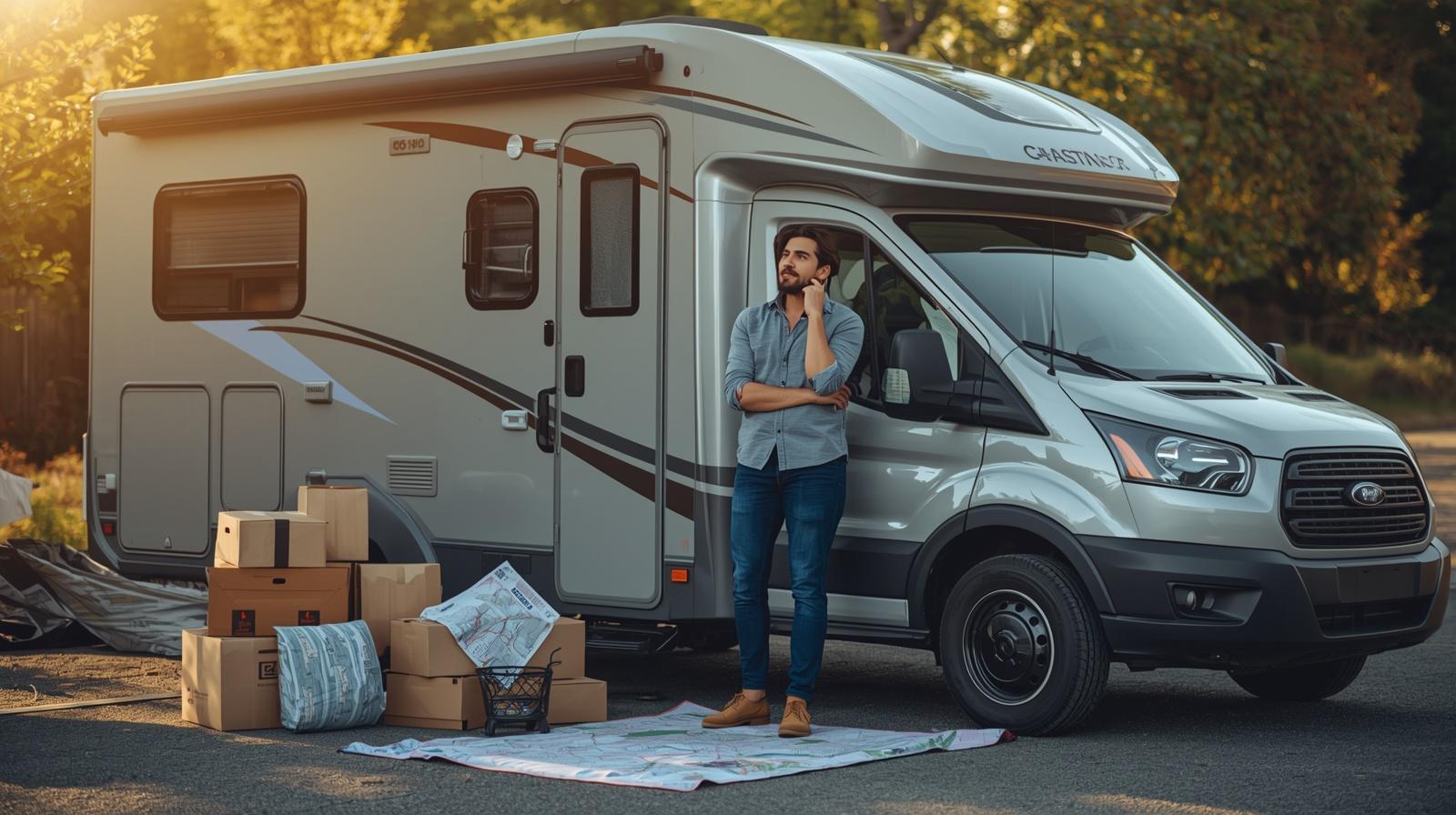
If you’re interested in living more minimally, traveling more freely, spending time in nature and potentially reducing your expenses, moving into an RV may be the right next step for you. Whatever the reason, if you’re thinking about giving up your house or apartment and reducing your belongings to live in an RV, there are some important decisions to make and things to consider beforehand.
Keep reading for some tips to help you prepare for an RV adventure.
Research different RV models
If you already own an RV, you’ll want to make sure it’s in good shape before you move in. Think about any repairs you might need to do and upgrades that may make it more comfortable for long-term living.
On the other hand, if you’re looking to purchase an RV, do your research so that you know what kind of vehicle will best fit your lifestyle. Do you prefer a brand-new or pre-owned RV? The size, floor plan, features and amenities are also important considerations. You should also think about whether you want a motorhome, where the living space is part of the vehicle, or an RV that you tow with your car. If you’re leaning toward towing, is that something your current car can handle?
Take your time looking at different models and visit a variety of dealerships to see what’s on offer and compare prices. If you need additional funds to purchase or repair an RV, you could consider an RV loan, which offers fixed terms and predictable monthly payments.
Get comfortable with RV living
If downsizing sounds compelling but you don’t have a ton of experience with RVs, consider renting one and trying it out before you commit. An RV can be fun for a weekend or on an extended road trip, but the reality of daily life could be quite different, especially if you’ll be living alone.
Are you planning on traveling a lot in your RV? You’ll want to think about where you’ll get water that’s safe for drinking and cooking, fuel up and replenish your supplies on the road. If you’re looking to be more stationary, where will you park your vehicle, and will you need an external energy source? Is there a specific RV community that you’d like to join?
If you have any friends or acquaintances who have made the move to an RV, reach out and ask them questions. You could also look for community boards or online chats about RV living to get a better sense of how to prepare.
Sort through your belongings
Downsizing means you’ll have limited space, so you’ll likely need to spend significant time decluttering your home, organizing your belongings and prioritizing the items you want to take with you. If you have keepsakes or important items that you don’t want to part with, consider leasing a storage unit. You could also ask a friend or family member if you could store a few boxes in their basement or attic.
Otherwise, you could sell items on Craigslist or Facebook Marketplace for extra cash, hold a yard sale or donate furniture, clothing and books to secondhand and charity stores nearby.
As you sort through your paperwork, you’ll also want to consider which documents you should digitize if you aren’t able to keep them on hand in your RV, like insurance policies, financial information and your birth certificate.
Think about your expenses
As you consider RV life, you’ll also want to think about your cost savings and potential expenses. What new expenses will you have? Where can you save money? For example, you’ll likely have fewer utility bills since you won’t be living in a house, but you’ll still need to pay monthly insurance for your vehicle. You may not be tempted to buy as many groceries with such limited space, but paying for a storage unit to house your belongings may add up over time.
Living in a smaller space could save you money in the long term, but you’ll probably spend a decent amount upfront to set up your new home.
Downsizing your life takes time
Downsizing to an RV is a big decision. The best way to prepare is to give yourself enough time to get organized, make a plan for how to approach this lifestyle change and research the ins and outs of owning and living in an RV. Look into different RV models, ask questions about everyday challenges, declutter your belongings and consider the financial pros and cons. Above all, make sure you’re comfortable with a whole new way of living before you hit the road.
Notice: Information provided in this article is for information purposes only and does not necessarily reflect the views of impactwealth.org or its employees. Please be sure to consult your financial advisor about your financial circumstances and options. This site may receive compensation from advertisers for links to third-party websites.