According to the National Highway Traffic Safety Administration’s 2023 data, approximately 38,000 people die in motor vehicle crashes annually in the United States — roughly one fatality every 14 minutes. When a crash involves a death, the response shifts from standard accident protocols to complex emergency procedures that interweave criminal investigation, forensic analysis, and wrongful death litigation. The decisions made in those critical first hours don’t just affect immediate safety — they shape how liability is determined, how evidence is preserved, and whether families can eventually secure fair compensation.
For first responders, law enforcement, and even bystanders who find themselves at a fatal accident scene, understanding these specialized protocols isn’t just procedural knowledge — it’s often the difference between a thorough investigation and one compromised by contaminated evidence or missed details. As crash reconstruction technology becomes more sophisticated and legal standards for evidence preservation grow stricter, the stakes around proper scene management continue to rise. The following steps represent the essential actions that can protect both the integrity of the investigation and the rights of those affected by the tragedy.
Essential First Response Steps After a Fatal Car Accident
Fatal crashes demand immediate coordination between multiple emergency services, each with distinct but overlapping priorities. The first arriving responders — whether police, paramedics, or firefighters — must simultaneously secure the scene, attempt life-saving measures, and preserve what may become crucial evidence in both criminal and civil proceedings.
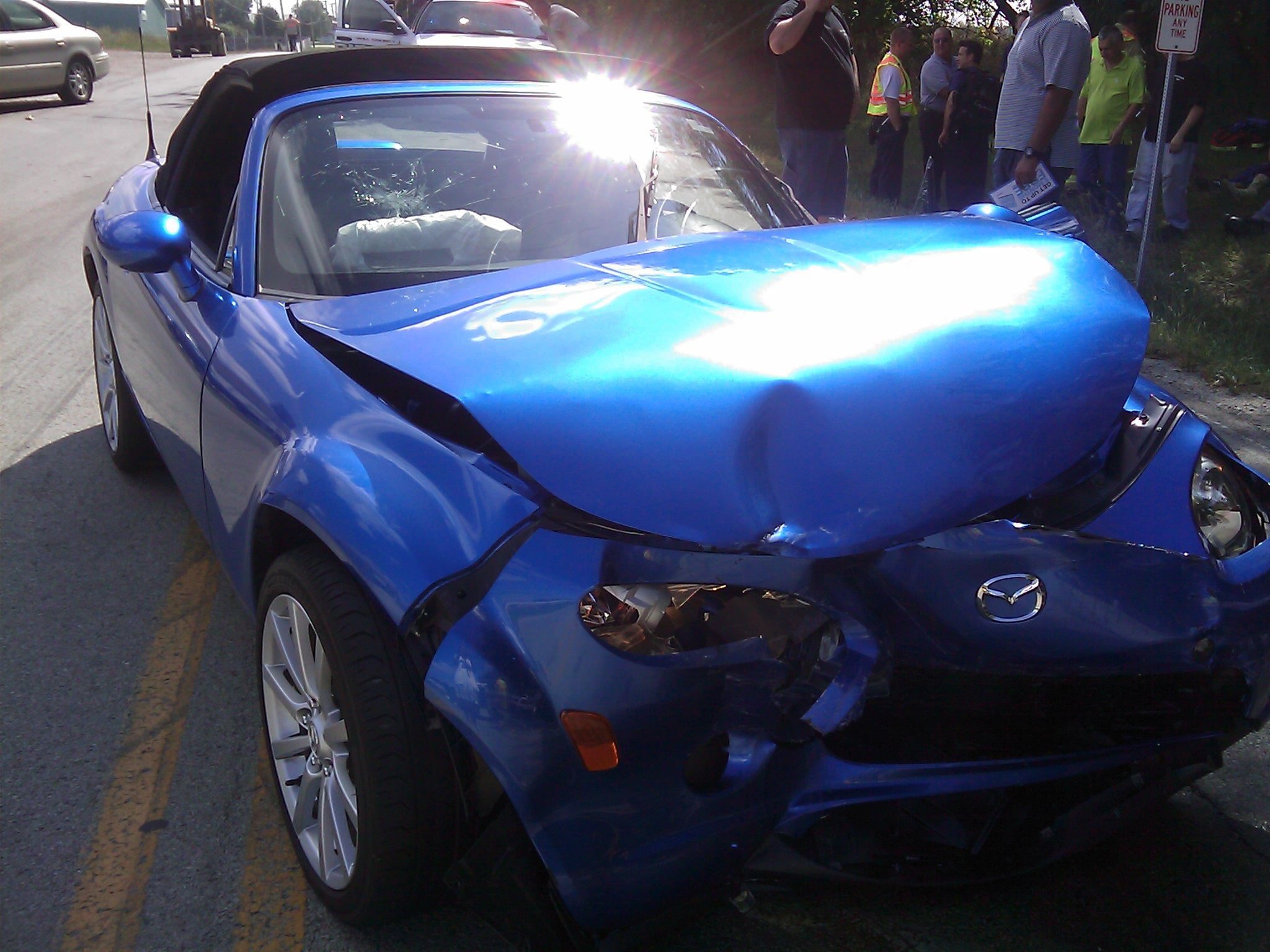
Scene safety takes absolute precedence. Unlike property-damage accidents where traffic can often continue flowing, fatal crashes typically require complete road closure in both directions. Emergency vehicles need staging areas, medical helicopters may require landing zones, and the crash site itself becomes an active crime scene that investigators will process for hours. First responders establish a perimeter that extends well beyond the immediate wreckage, often encompassing skid marks, debris fields, and sight-line obstructions that contributed to the crash.
Emergency medical protocols shift focus but don’t cease. Even when fatalities are obvious, paramedics must still evaluate any survivors and document their medical interventions. These medical records become part of the legal record — noting things like who was conscious at the scene, what injuries were immediately apparent, and whether substances like alcohol or drugs were detected. The coroner or medical examiner is notified immediately, as they’ll need to authorize removal of the deceased and coordinate with the forensic investigation.
The notification cascade begins simultaneously. Beyond standard emergency dispatch protocols, fatal accidents trigger specialized response teams: crash reconstruction specialists, forensic photographers, and sometimes criminal investigators if impairment or reckless driving is suspected. Family notification follows strict protocols — law enforcement handles this directly rather than relying on hospital staff or other intermediaries. Insurance companies aren’t contacted until after the initial investigation phase, as premature claims activity can complicate evidence gathering.
How Should You Document and Preserve the Fatal Accident Scene?
What Evidence Is Most Important to Collect Immediately?
Time-sensitive evidence degrades rapidly after any serious crash, but fatal accidents demand a more exhaustive approach to documentation. Weather conditions, lighting, and road surface details must be recorded immediately — these factors change by the hour and directly influence liability determinations. Investigators photograph tire marks before they’re disturbed by emergency vehicles, document the final resting positions of all vehicles before any are moved for medical access, and measure distances between impact points and debris.
Digital evidence requires immediate attention. Modern vehicles’ event data recorders capture crucial details about speed, braking, and steering inputs in the seconds before impact, but this data can be overwritten if the vehicle is restarted. Cell phone records become critical — investigators will later seek warrants to examine whether drivers were texting or calling at the time of impact. Traffic cameras, dash cameras from other vehicles, and even security cameras from nearby businesses may have captured the collision, but this footage often has limited retention periods.
Witness identification and preliminary statements represent perhaps the most perishable evidence. People leave scenes quickly, memories fade, and initial impressions — often the most honest — get colored by later information. First responders collect contact information from everyone present, noting their proximity to the crash and what they observed. These aren’t formal depositions, but rather brief accounts that preserve initial observations before witnesses have time to second-guess themselves or discuss the event with others.
How Can First Responders Preserve the Scene for Investigators?
Physical evidence preservation requires systematic approach. Once medical needs are addressed, nothing at the scene should be moved without documentation. This includes seemingly minor details — broken glass patterns that indicate impact angles, fluid spills that show where vehicles came to rest, and even personal items ejected during the crash. Specialized teams use measuring wheels, GPS units, and laser scanning to create precise diagrams that will later support computer-generated crash reconstructions.
Chain of custody protocols begin immediately for any evidence that might undergo forensic testing. Blood samples from suspected impaired drivers must be collected according to strict medical and legal procedures. Vehicle parts that failed or may have malfunctioned get tagged and secured. Even seemingly obvious evidence like alcohol containers found in vehicles require proper documentation — where exactly they were located, whether they were opened, and their condition at the scene.
The perimeter management extends beyond immediate safety concerns. Fatal accident investigations often expand as new evidence emerges — what initially appears to be a straightforward collision might reveal mechanical defects, road design flaws, or traffic signal malfunctions. Keeping the scene secure for extended periods allows investigators to return and examine details that weren’t immediately apparent during the initial response.
How Does the Investigation and Liability Determination Process Work?
Fatal accident investigations operate on multiple tracks simultaneously, each serving different legal purposes but requiring coordinated evidence gathering. Criminal investigations focus on whether any driver violated traffic laws in ways that constitute vehicular manslaughter, DUI homicide, or reckless driving charges. These carry the burden of proof “beyond a reasonable doubt” and can result in incarceration, license revocation, and criminal restitution orders.
Civil liability investigations run parallel to criminal proceedings but serve a different function — determining financial responsibility for wrongful death damages. This process examines not just driver behavior but also vehicle defects, road design issues, and even employer liability if someone was driving for work purposes. The burden of proof here is “preponderance of evidence” — essentially, which explanation is more likely than not — making it possible to find civil liability even when criminal charges don’t result in conviction.
Forensic reconstruction specialists use physics and engineering principles to reverse-engineer the moments before impact. They calculate speeds based on skid marks and crush patterns, determine sight lines based on vehicle positions and road geometry, and analyze whether drivers had sufficient time and distance to avoid the collision. Modern reconstruction often involves 3D laser scanning of vehicles and computer simulations that can demonstrate different scenarios to juries.
Toxicology and autopsy results typically take weeks to complete but provide crucial evidence about driver impairment and the specific cause of death. Blood alcohol content, prescription drug levels, and illegal substances all factor into liability determinations. The autopsy also documents injury patterns that help establish which occupant was driving — particularly important in single-vehicle crashes where this might otherwise be unclear. For families navigating this complex process and seeking to recover compensation after a fatal accident, understanding how these investigative elements interconnect becomes essential to building a strong wrongful death claim.
What Legal and Compensation Considerations Follow Fatal Car Accidents?
Wrongful death claims operate independently from criminal proceedings and follow different timelines and procedures. While criminal cases focus on punishment, wrongful death suits seek compensation for the economic and emotional losses suffered by surviving family members. These cases must typically be filed within two years of the death, though this statute of limitations can vary by state and may be extended in cases where evidence of negligence emerges later.
Compensation categories in fatal accident cases extend far beyond medical bills and funeral costs. Economic damages include the deceased person’s lost future earnings, calculated based on their age, career trajectory, and life expectancy. Non-economic damages compensate for loss of companionship, guidance, and emotional support — particularly significant when the deceased was a parent or spouse. Some states also allow punitive damages when the defendant’s conduct was particularly reckless or involved substance abuse.
Insurance complications multiply in fatal accidents because multiple policies may apply. The at-fault driver’s liability coverage provides the primary source of compensation, but this may be insufficient for the full scope of damages. Underinsured motorist coverage from the victim’s own policy can provide additional compensation. Life insurance policies may also come into play, though these aren’t fault-based and don’t require proving negligence.
Estate and probate considerations add another layer of complexity. Someone must be appointed to represent the deceased person’s interests in legal proceedings — typically a surviving spouse or adult child, but this requires formal court appointment. The wrongful death claim becomes part of the deceased person’s estate, and any recovery must be distributed according to state law or the terms of a will.
What Support Is Available for Families After a Fatal Car Accident?
Immediate practical needs often overwhelm families in the days following a fatal accident. Victim services coordinators, typically associated with law enforcement agencies, can help navigate immediate concerns like vehicle recovery, personal property retrieval, and coordination with insurance companies. Many states have crime victim compensation funds that can provide emergency financial assistance for funeral expenses and temporary living costs, even in cases where no criminal charges are filed.
Trauma counseling and psychological support address the profound emotional impact that sudden, violent loss creates. Many families experience symptoms of post-traumatic stress, particularly if they witnessed the accident or arrived at the scene. Grief counseling specifically designed for traumatic loss differs from typical bereavement support — it addresses not just the sadness of loss but also the anger, guilt, and helplessness that accompany sudden death. Support groups for families of crash victims provide connection with others who understand the unique challenges of losing someone in a vehicle accident.
Long-term family adjustments require ongoing support as the reality of permanent loss settles in. Children who lose parents need age-appropriate counseling and educational support. Surviving spouses face both emotional grieving and practical challenges like learning to manage finances or parenting alone. Extended family members — particularly grandparents who lose adult children — often struggle with their own grief while trying to support surviving grandchildren.
Financial planning assistance becomes crucial as families adjust to changed economic circumstances. Social Security survivor benefits may be available for spouses and children. Life insurance proceeds require careful management to ensure long-term security. Educational funds for children may need restructuring. Professional financial counselors who specialize in sudden loss can help families make these complex decisions while still processing their grief.
The path forward after a fatal accident involves both legal resolution and personal healing — processes that unfold over months and years rather than weeks. Families who understand their options early, preserve their legal rights, and access appropriate support resources position themselves not just for fair compensation, but for the kind of comprehensive recovery that honors their loved one’s memory while building stability for those left behind.