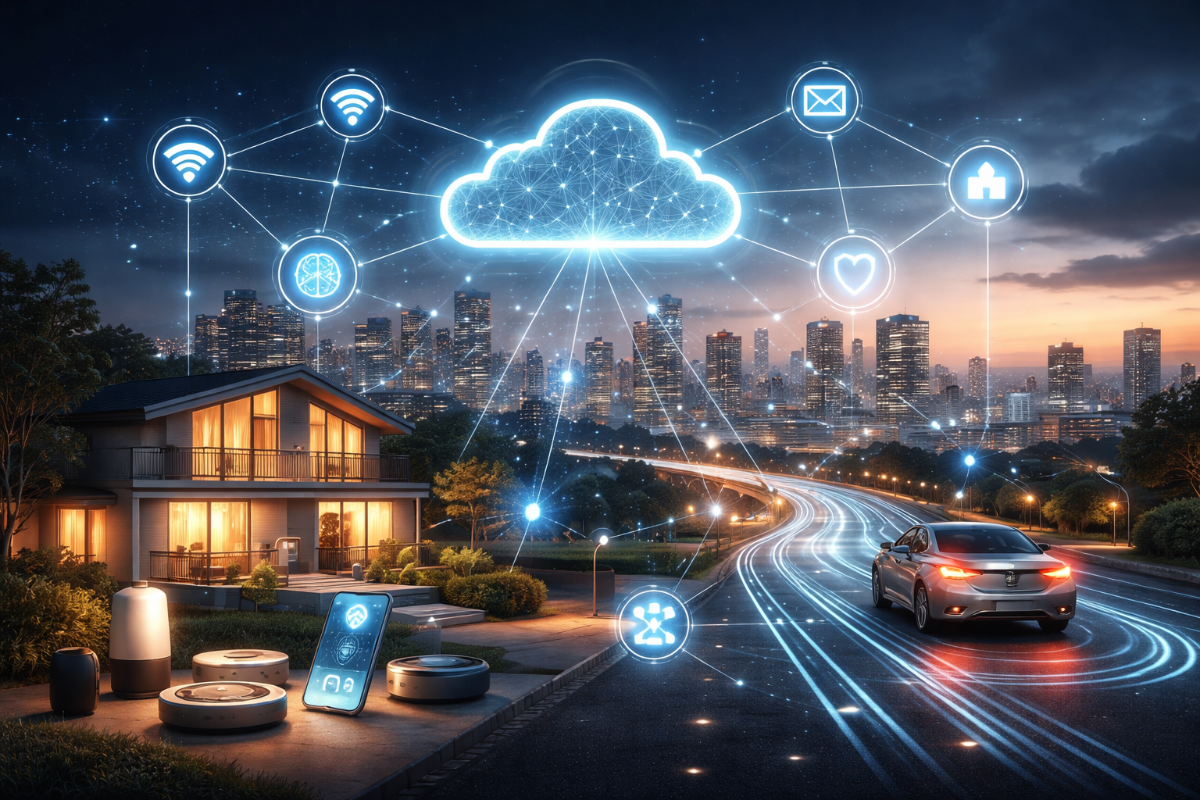
Modern life feels fast, connected, and intelligent. Messages arrive instantly, navigation works flawlessly, and devices respond almost magically. Yet much of the power behind these experiences remains unseen. This hidden layer is Invisible Technology systems working quietly in the background to support daily life.
From cloud computing to artificial intelligence, invisible technology runs silently beneath our apps, devices, and services. It manages data, processes information, and automates decisions without demanding attention from users.
Most people interact with the surface of technology smartphones, apps, and devices. However, the real intelligence lies underneath. Servers, algorithms, sensors, and networks constantly operate behind the scenes.
As a result, Invisible Technology has become the backbone of modern infrastructure. It powers communication, healthcare, finance, transportation, and even smart homes. Understanding how these technologies work helps us appreciate the invisible systems shaping our world.
What Is Invisible Technology?
Invisible technology refers to digital systems that function without obvious user interaction. These tools run quietly in the background while users focus on their tasks.
Unlike traditional visible technologies like laptops or smartphones these systems operate behind the scenes.
Examples include:
-
Cloud servers storing and processing data
-
Artificial intelligence algorithms analyzing behavior
-
Internet of Things (IoT) sensors monitoring environments
-
Embedded software controlling machines and appliances
Moreover, these systems integrate deeply with everyday devices. Users benefit from their capabilities without directly seeing them.
Consequently, invisible technology creates seamless digital experiences where complexity remains hidden.
Key Invisible Technologies Powering Modern Life
Several core technologies form the foundation of invisible digital systems. Each plays a critical role in supporting modern infrastructure.
Cloud Computing
Cloud computing stores and processes data on remote servers instead of local devices.
When people upload photos, stream videos, or collaborate online, cloud systems manage the heavy work.
Key advantages include:
-
Remote storage and access
-
Scalable computing power
-
Reliable data backup
-
Global accessibility
Moreover, cloud platforms allow businesses to operate without maintaining expensive physical servers.
Therefore, many services—from email platforms to business tools—depend entirely on invisible cloud infrastructure.
Artificial Intelligence Algorithms
Artificial intelligence algorithms quietly analyze massive amounts of data.
These systems learn patterns and make predictions that improve user experiences.
For example, AI algorithms power:
-
Search engine results
-
Product recommendations
-
Fraud detection systems
-
Voice assistants
However, users rarely see the algorithm itself. They only experience the outcome.
Consequently, AI represents one of the most powerful forms of invisible technology in modern society.
Internet of Things (IoT)
The Internet of Things connects everyday devices to the internet.
Smart thermostats, wearable devices, and industrial machines communicate through networks without constant human input.
IoT systems rely heavily on invisible data exchanges between sensors and cloud platforms.
Examples include:
-
Smart home lighting systems
-
Connected vehicles
-
Industrial monitoring systems
-
Smart energy meters
Moreover, IoT devices often operate automatically, adjusting conditions based on collected data.
Therefore, they make environments smarter while remaining mostly unnoticed.
Embedded Sensors
Embedded sensors detect changes in environments such as temperature, movement, or pressure.
These sensors exist in:
-
Smartphones
-
Medical devices
-
manufacturing equipment
-
vehicles
For instance, smartphones use sensors for motion detection, location tracking, and screen brightness adjustments.
However, users rarely notice the constant data collection happening inside these devices.
Consequently, sensors play a critical role in enabling responsive technology systems.
Invisible Technology vs Visible Technology
Technology comes in two main forms: visible tools that users interact with directly and invisible systems that run behind the scenes.
| Feature | Invisible Technology | Visible Technology |
|---|---|---|
| User Interaction | Minimal or none | Direct interaction |
| Visibility | Operates in the background | Clearly visible to users |
| Complexity | High backend complexity | Simplified user interface |
| Examples | Cloud infrastructure, AI algorithms | Smartphones, laptops |
| Purpose | Automation and data processing | User control and interaction |
Moreover, invisible systems often support visible devices.
Therefore, many visible technologies would not function without the hidden digital infrastructure beneath them.
Invisible Technology in Everyday Life
Invisible technology shapes nearly every industry and aspect of daily living.
From healthcare systems to financial platforms, these technologies create efficiency and automation.
Smart Homes
Smart homes rely heavily on invisible systems.
Devices communicate quietly through networks while responding to commands or environmental changes.
Examples include:
-
Smart lighting adjusting automatically
-
Security systems detecting movement
-
Thermostats learning user preferences
Moreover, these systems often operate autonomously once configured.
Consequently, homeowners enjoy comfort without constant device management.
Workplaces and Business Systems
Modern workplaces rely on invisible technology to manage data, collaboration, and operations.
Cloud platforms enable teams to work remotely while accessing shared resources.
Invisible tools used in workplaces include:
-
Background cybersecurity monitoring
-
automated workflow systems
-
predictive analytics software
However, employees typically interact only with user-friendly interfaces.
Therefore, the complexity of enterprise technology remains hidden from everyday users.
Healthcare
Healthcare increasingly depends on invisible technology to improve patient outcomes.
Medical systems collect and analyze data continuously.
Examples include:
-
Wearable health monitoring devices
-
AI-assisted diagnostic systems
-
digital patient record platforms
Moreover, these technologies allow doctors to detect health risks earlier.
Consequently, invisible technology is transforming preventive healthcare.
Finance and Banking
Financial institutions rely heavily on hidden digital systems.
Invisible algorithms analyze transactions and detect suspicious activity.
Key invisible technologies in finance include:
-
fraud detection systems
-
automated trading algorithms
-
blockchain verification networks
However, customers only see simple mobile banking apps.
Therefore, complex financial infrastructures remain hidden behind user-friendly interfaces.
Transportation
Transportation networks increasingly depend on invisible technologies.
These systems manage traffic flow, logistics, and navigation.
Examples include:
-
GPS positioning systems
-
traffic monitoring sensors
-
predictive routing algorithms
Moreover, ride-sharing platforms rely on AI systems to match drivers and passengers.
Consequently, invisible technology improves efficiency across transportation networks.
Applications of Invisible Technology Across Industries
Invisible technologies support a wide range of industries by improving efficiency and automation.
| Industry | Application | Benefits |
|---|---|---|
| Healthcare | Remote patient monitoring | Early diagnosis and continuous care |
| Finance | Fraud detection algorithms | Improved security and reduced financial risk |
| Transportation | Smart traffic management | Reduced congestion and travel time |
| Manufacturing | Predictive maintenance sensors | Lower operational costs |
| Home Automation | Smart energy systems | Increased convenience and efficiency |
Moreover, these systems continuously improve through machine learning and data analysis.
Therefore, industries gain long-term advantages from invisible digital infrastructure.
Benefits of Invisible Technology
Invisible technology delivers numerous advantages to individuals, businesses, and governments.
Seamless User Experiences
Users interact with technology without dealing with complex systems.
Applications feel smooth because background processes handle technical tasks automatically.
Improved Efficiency
Automation reduces manual work and speeds up operations.
Businesses benefit from optimized workflows and reduced human error.
Data-Driven Decision Making
Invisible systems collect and analyze massive amounts of data.
Consequently, organizations can make better strategic decisions.
Scalability
Cloud systems allow services to grow without massive hardware investments.
Therefore, companies can expand quickly while maintaining performance.
Challenges and Risks of Invisible Technology
Despite its advantages, invisible technology also presents challenges.
Privacy Concerns
Many invisible systems collect personal data.
Users may not fully understand how their information is stored or used.
Therefore, transparency becomes essential.
Security Risks
Hidden infrastructure can become targets for cyberattacks.
If security systems fail, large amounts of sensitive data may be exposed.
Moreover, interconnected systems increase potential vulnerabilities.
Dependence on Automation
Excessive reliance on automated systems may reduce human oversight.
Consequently, errors or biases in algorithms could impact critical decisions.
Lack of Awareness
Because invisible technology operates behind the scenes, many users remain unaware of its presence.
However, understanding these systems is important for digital literacy and responsible use.
The Future of Invisible Technology
Invisible technology will continue evolving as digital infrastructure expands.
Several trends are shaping the next generation of hidden systems.
Smart Cities
Cities are integrating sensors, networks, and AI systems to manage resources more efficiently.
Examples include:
-
Smart traffic lights
-
automated waste management systems
-
intelligent energy grids
Moreover, these systems reduce congestion and improve sustainability.
Advanced Automation
Artificial intelligence will increasingly automate complex tasks.
Future invisible systems may manage:
-
logistics networks
-
healthcare diagnostics
-
financial risk analysis
Consequently, automation will transform how industries operate.
Ethical Considerations
As invisible technology becomes more powerful, ethical concerns will grow.
Key questions include:
-
Who controls data collected by hidden systems?
-
How transparent should AI decisions be?
-
How can privacy be protected?
Therefore, responsible innovation will play a critical role in shaping the future of invisible technologies.
Why Understanding Invisible Technology Matters?
Although invisible technology operates quietly, its influence is enormous.
These systems control data flows, automate decisions, and support modern infrastructure.
Moreover, understanding these technologies helps individuals make informed digital choices.
Businesses, policymakers, and users must work together to ensure invisible systems remain secure, transparent, and ethical.
Consequently, the future of technology will depend not only on innovation but also on responsible management of the systems we rarely see.
Frequently Asked Questions
What is invisible technology?
Invisible technology refers to digital systems that operate behind the scenes, such as cloud computing, AI algorithms, and embedded sensors.
Why is invisible technology important?
It enables automation, data processing, and seamless digital experiences that power modern communication, healthcare, finance, and transportation systems.
Is invisible technology safe?
It can be safe when properly secured. However, privacy risks and cybersecurity threats require strong protections and responsible data management.
Where is invisible technology used?
It is used in smart homes, healthcare systems, financial platforms, transportation networks, and workplace automation tools.
Will invisible technology grow in the future?
Yes. Innovations in AI, smart cities, automation, and connected devices will expand the role of invisible technology in everyday life.