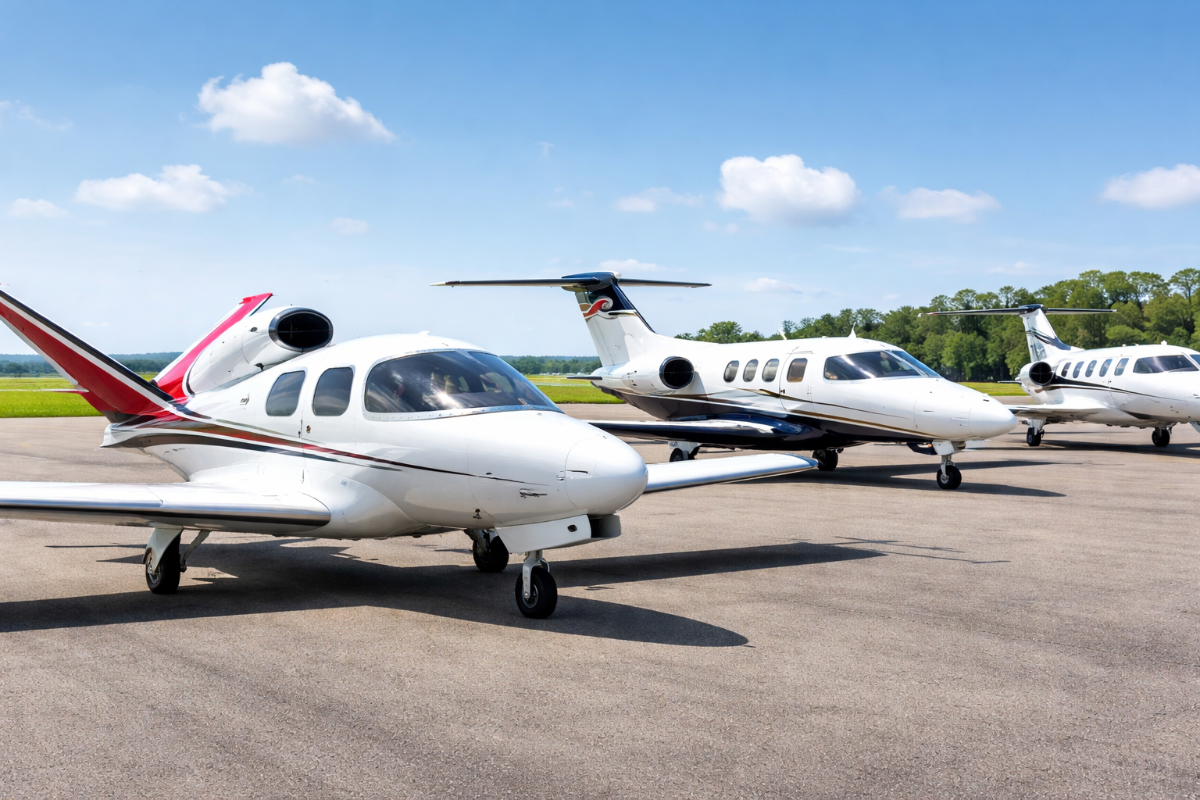
Private aviation was once considered a luxury only billionaires and celebrities could afford. However, the market has changed dramatically over the past two decades. Today, cheapest private jets are more accessible than ever thanks to technological advancements, increased aircraft production, and a growing market for pre-owned planes.
For entrepreneurs, small business owners, and aviation enthusiasts, owning a private jet is no longer an unrealistic dream. Several aircraft models now offer strong performance, modern avionics, and comfortable cabins at relatively affordable prices. Moreover, the rise of very light jets (VLJs) and entry-level business aircraft has created new opportunities for individuals who want the flexibility of private travel without spending tens of millions of dollars.
The cheapest private jets available today range from compact single-pilot aircraft to light jets capable of carrying six or more passengers. These aircraft focus on efficiency, lower operating costs, and simplified maintenance.
In this guide, we explore the most affordable private jets, their features, costs, performance capabilities, and what potential buyers should consider before entering the world of private aviation.
The Growing Market for Affordable Private Jets
Private aviation has experienced significant growth in recent years. Demand increased after the pandemic as travelers sought safer and more flexible alternatives to commercial airlines.
Consequently, aircraft manufacturers began focusing on entry-level business jets that offer lower ownership costs. These aircraft typically prioritize efficiency, shorter runways, and reduced fuel consumption.
Several factors have contributed to the growth of cheapest private jets in the market:
-
Technological improvements in engines and avionics
-
Expansion of the pre-owned aircraft market
-
Growing demand for regional business travel
-
Increased availability of pilot training programs
Moreover, many private jets can access thousands of smaller airports that commercial airlines cannot reach. This allows owners to travel directly to regional destinations while avoiding crowded terminals.
Therefore, even budget-friendly private jets can deliver significant time savings and convenience.
Types of Affordable Private Jets
Before choosing an aircraft, it is important to understand the different categories of private jets available.
Very Light Jets (VLJs)
Very Light Jets are the most affordable category of jet aircraft. These planes are designed for efficiency, lower fuel consumption, and single-pilot operation.
VLJs usually carry 4 to 6 passengers and are ideal for short regional flights.
Key advantages include:
-
Lower purchase price
-
Reduced operating costs
-
Ability to operate from smaller runways
-
Simplified cockpit systems
Light Jets
Light jets provide more space and range than VLJs. They typically accommodate 6 to 8 passengers and are commonly used for corporate travel.
Although they are more expensive than VLJs, light jets still fall within the category of cheapest private jets when compared to midsize or heavy business aircraft.
Turboprop Aircraft
While not technically jets, turboprops are often considered the most economical private aircraft for short-distance travel.
They burn less fuel and require lower maintenance costs. Therefore, many first-time aircraft owners choose turboprops before upgrading to a jet.
Cheapest Private Jets Available Today
Several aircraft consistently rank among the cheapest private jets available in the aviation market. These models combine affordability with reliability and performance.
Cirrus Vision Jet (SF50)
The Cirrus Vision Jet is widely considered one of the most affordable private jets in production today.
Key highlights include:
-
Single-engine jet design
-
Seats up to 5 passengers plus pilot
-
Range of approximately 1,200 nautical miles
-
Advanced touchscreen avionics
Moreover, the aircraft includes a whole-aircraft parachute system, which significantly improves safety.
The Vision Jet is especially popular among owner-pilots who want a simple and efficient jet experience.
Cessna Citation Mustang
The Citation Mustang is another well-known entry-level business jet.
It is widely respected for its reliability and relatively low operating costs.
Key features:
-
Seats up to 4 passengers
-
Range around 1,150 nautical miles
-
Cruise speed near 340 knots
-
Proven Cessna engineering
Although production stopped in 2017, many pre-owned Citation Mustangs remain available at affordable prices.
Embraer Phenom 100
The Embraer Phenom 100 offers a modern design and comfortable cabin while remaining relatively affordable.
This aircraft is popular among charter companies and private owners alike.
Important specifications include:
-
Seating for up to 6 passengers
-
Range of about 1,178 nautical miles
-
Spacious cabin compared to other VLJs
-
Highly efficient fuel consumption
Moreover, the aircraft’s modern avionics make it easier for pilots to operate.
HondaJet HA-420
The HondaJet is known for its innovative design and impressive efficiency.
One of its unique features is the over-the-wing engine mount, which reduces cabin noise and increases interior space.
Key details include:
-
Seating capacity of 5 to 6 passengers
-
Range around 1,200 nautical miles
-
Excellent fuel efficiency
-
Advanced cockpit systems
Although slightly more expensive than some VLJs, it still ranks among the cheapest private jets in the light jet category.
Comparison of Affordable Private Jets
| Aircraft | Passenger Capacity | Range | Estimated Price (Pre-Owned) |
|---|---|---|---|
| Cirrus Vision Jet | 5 | 1,200 nm | $2M |
| Cessna Citation Mustang | 4 | 1,150 nm | $1.5M – $2.5M |
| Embraer Phenom 100 | 6 | 1,178 nm | $2M – $3M |
| HondaJet HA-420 | 5–6 | 1,200 nm | $3M – $4M |
This comparison highlights how several aircraft provide strong performance while still remaining relatively affordable in the private aviation market.
Operating Costs of the Cheapest Private Jets
While purchase price is important, operating costs are equally critical when evaluating aircraft ownership.
These costs can vary significantly depending on flight hours, maintenance schedules, and fuel prices.
Typical expenses include:
-
Fuel
-
Maintenance
-
Hangar storage
-
Insurance
-
Crew salaries (if applicable)
Below is an approximate cost comparison.
| Aircraft | Hourly Operating Cost | Annual Maintenance | Fuel Efficiency |
|---|---|---|---|
| Cirrus Vision Jet | $600 – $800 | $40,000+ | Excellent |
| Citation Mustang | $1,000 – $1,200 | $60,000+ | Good |
| Phenom 100 | $1,200 – $1,500 | $70,000+ | Good |
| HondaJet | $1,300 – $1,600 | $80,000+ | Very Good |
Therefore, buyers must evaluate the total cost of ownership, not just the purchase price.
Key Factors to Consider Before Buying a Private Jet
Buying even the cheapest private jets requires careful planning. Several factors should influence the decision.
Flight Range
If most flights are short regional trips, a VLJ may be sufficient. However, longer flights require larger aircraft.
Passenger Capacity
A small jet may be ideal for solo travelers or couples. However, business groups often require larger cabins.
Runway Requirements
Some private jets can land on shorter runways, giving access to smaller regional airports.
Maintenance Availability
Aircraft with strong manufacturer support networks usually have lower long-term maintenance challenges.
Resale Value
Popular aircraft models tend to hold their value better in the pre-owned market.
Why Entry-Level Business Jets Are Gaining Popularity?
Entry-level business jets are becoming increasingly popular among entrepreneurs and small companies.
Moreover, they provide several advantages compared to commercial airline travel.
Benefits include:
-
Flexible travel schedules
-
Access to smaller airports
-
Greater privacy and comfort
-
Increased productivity during flights
Consequently, many business leaders now see private aviation as a time-saving business investment rather than a luxury expense.
Additionally, modern aircraft technology has significantly reduced fuel consumption and operating costs. This trend continues to expand the market for cheapest private jets worldwide.
Alternatives to Buying a Private Jet
For individuals who do not fly frequently, ownership may not always be the most practical option.
Fortunately, several alternatives allow travelers to enjoy private aviation without purchasing an aircraft.
Charter Flights
Private jet charter allows travelers to book flights on demand. There are no long-term ownership responsibilities.
Jet Card Programs
Jet cards allow customers to purchase a block of flight hours at fixed hourly rates.
Fractional Ownership
In fractional ownership programs, multiple individuals share the cost of an aircraft.
This model significantly reduces expenses while still providing access to private travel.
The Future of Affordable Private Aviation
The private aviation industry continues to evolve rapidly.
Manufacturers are investing heavily in new technologies that improve efficiency and reduce environmental impact.
Emerging trends include:
-
Hybrid and electric aircraft
-
Sustainable aviation fuel
-
Advanced automation systems
-
Improved aerodynamics
Therefore, the next generation of cheapest private jets may become even more efficient and accessible.
As technology advances, the barrier to entering private aviation will likely continue to decrease.
Frequently Asked Questions
What is the cheapest private jet available?
The Cirrus Vision Jet is often considered one of the cheapest private jets currently in production, with prices around $2 million.
How much does it cost to operate a private jet?
Operating costs vary depending on the aircraft, but most small private jets cost $600 to $1,500 per flight hour.
Are used private jets cheaper?
Yes. Many pre-owned private jets cost significantly less than new models, sometimes dropping below $2 million depending on age and condition.
How many passengers can the cheapest private jets carry?
Most affordable private jets carry 4 to 6 passengers, although some light jets can accommodate up to 8.
Is owning a private jet cheaper than chartering?
For individuals flying more than 200 hours per year, ownership may be more economical. Otherwise, chartering is usually more cost-effective.