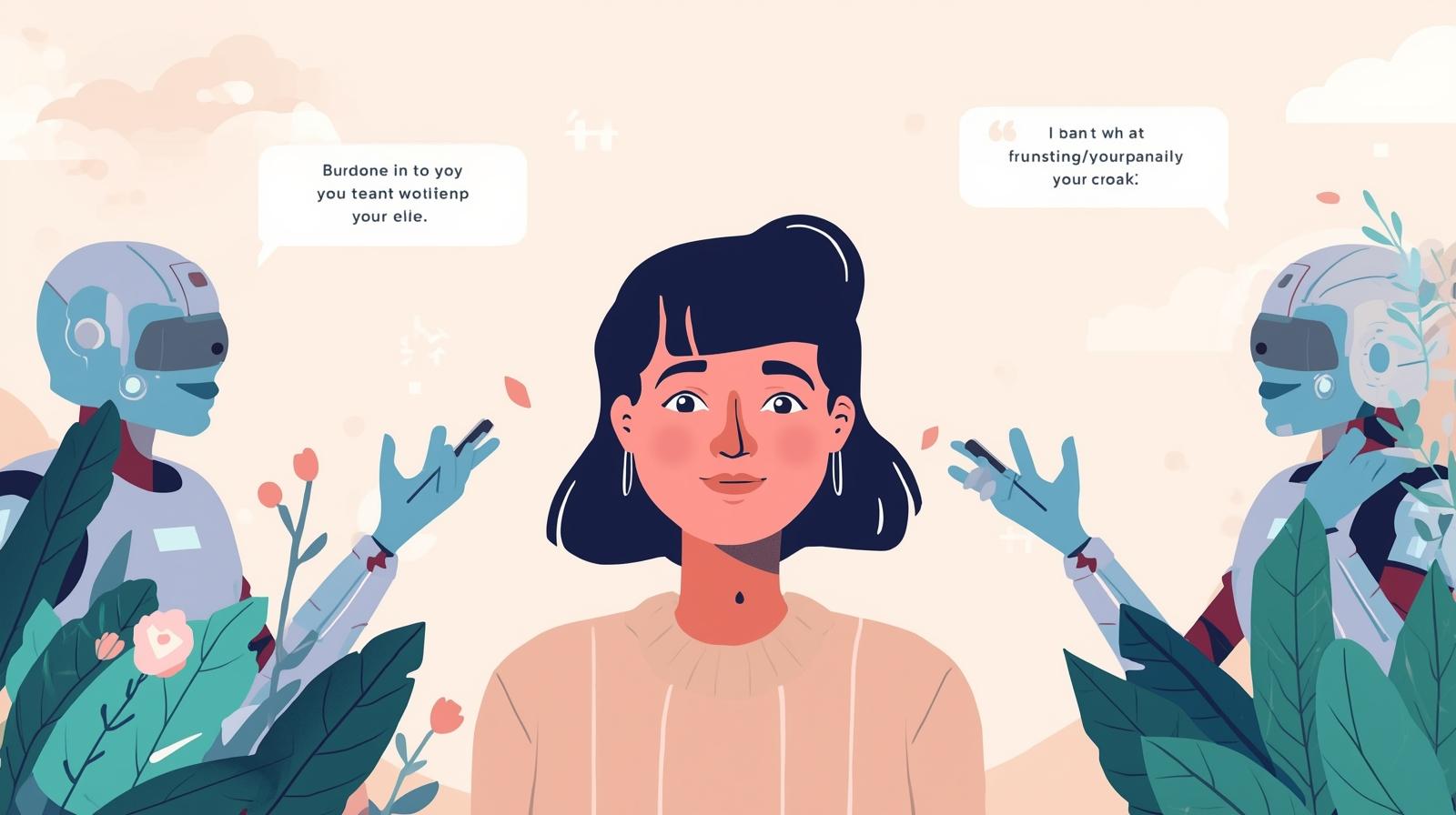
This article is crafted with clinical evidence, statistics, authoritative references, and an FAQ section to help readers understand how AI therapy chatbots can aid emotional recovery post-burnout.
Table of Contents
- Introduction
- What Is Burnout?
- What Are AI Therapy Chatbots?
- Why AI Chatbots for Emotional Recovery?
- Clinical Evidence: AI Chatbots and Mental Health Support
- How AI Therapy Chatbots Support Recovery After Burnout
- Limitations and Important Considerations
- FAQs
- Conclusion
Introduction
Emotional burnout — a state of chronic stress characterized by exhaustion, detachment, and reduced performance — is increasingly recognized as a major global health concern. According to the World Health Organization (WHO), burnout results specifically from chronic workplace stress that has not been successfully managed and can lead to physical fatigue, emotional depletion, and impaired functioning. Yet despite its prevalence, access to timely psychological support remains limited for many.
In recent years, AI therapy chatbots have emerged as scalable digital tools that can provide emotional support, coping strategies, and reflections ― often accessible 24/7 and at low or no cost. This article explores how these tools can support emotional recovery after burnout, with clinical evidence, real-world data, and practical guidance.
What Is Burnout?
According to the WHO, burnout is an “occupational phenomenon” distinguished by three dimensions:
- Emotional exhaustion
- Cynicism or detachment from work
- A sense of reduced professional efficacy
Burnout isn’t a diagnosable medical condition in itself but is widely associated with depression, anxiety, sleep disturbance, and reduced quality of life. A 2021 Gallup poll found that 76% of employees experience burnout on the job sometimes or very often, highlighting its widespread impact. Burnout also affects students, caregivers, and those juggling multiple life roles.
What Are AI Therapy Chatbots?
AI therapy chatbots are conversational agents — powered by artificial intelligence and Natural Language Processing (NLP) — designed to offer emotional support, cognitive reframing, self-reflection prompts, and coping guidance. These tools are increasingly used in mental health apps, workplace wellness platforms, and public health initiatives.
Unlike human therapists, AI chatbots do not diagnose or treat clinical conditions but can deliver techniques rooted in evidence-based practices such as Cognitive Behavioral Therapy (CBT), mindfulness practices, and behavioral activation. Many platforms offer tiered access, including free online therapy features that help users get started without a financial barrier.
Why AI Chatbots for Emotional Recovery?
There are several reasons why AI therapy chatbots have become attractive tools for emotional recovery after burnout:
- Accessibility: Available 24/7, eliminating barriers like scheduling, cost, and geographic limitations.
- Anonymity: Lower stigma and more privacy than seeking in-person support.
- Immediate Feedback: Instant responses can help users interrupt negative thought cycles.
- Consistency: Encourages daily or repeated practice of coping skills.
- Scalability: Technology can support large populations simultaneously.
A 2025 report from Grand View Research projects that the global mental health app market will grow to $17.5 billion by 2030, a reflection of increasing demand for scalable digital mental health tools.
Clinical Evidence: AI Chatbots and Mental Health Support
Symptom Reduction in Depression and Anxiety
AI chatbots designed to deliver CBT and emotion-focused support have demonstrated meaningful symptom improvements in various populations. For example:
- Meta-analyses of AI mental health tools found small-to-moderate reductions in depressive and anxiety symptoms after consistent chatbot engagement.
- In trials with adolescents and young adults, chatbot therapy led to statistically significant symptom reduction, with some studies reporting effect sizes similar to brief, guided human interventions.
Engagement and Real-World Use Patterns
One longitudinal observational study of an AI chatbot intervention found that users who engaged with the system regularly (daily to several times per week) reported improvements in mood regulation and emotional clarity over time. These effects were most prominent in individuals with mild to moderate symptoms — conditions common in burnout recovery.
Limitations of Current Research
It’s important to note that many studies focus on short-term outcomes (6–12 weeks), and long-term evidence is still emerging. Additionally, many RCTs exclude individuals with severe psychiatric symptoms, meaning AI chatbots are more appropriate for supporting emotional recovery than for managing clinical disorders.
How AI Therapy Chatbots Support Recovery After Burnout
AI chatbots can support emotional recovery following burnout in several key ways:
1. Promoting Self-Reflection and Insight
Chatbots often begin with open-ended check-in questions like:
- “How are you feeling today?”
- “What emotions have been most challenging recently?”
These types of prompts encourage users to articulate their emotional states, a form of mindful awareness that research links to better emotional regulation and reduced rumination.
2. Structured Cognitive Reframing
AI tools can guide users through evidence-based cognitive reframing exercises — a hallmark of CBT — by asking questions such as:
- “What evidence supports this worry?”
- “Can you think of alternative interpretations?”
This process helps users examine and soften rigid negative beliefs that often accompany burnout, such as “I’m failing at everything” or “I’ll never recover.”
3. Reinforcing Healthy Coping Behaviors
Chatbots can suggest and track intentional coping strategies:
- Breathing exercises
- Mindfulness practices
- Activity scheduling
- Journaling prompts
These tools help convert moments of distress into actionable coping experiences, which improve users’ confidence in managing stress over time.
Providing Personalized Feedback and Trend Monitoring
Some platforms allow users to log mood scores, stress levels, and sleep patterns. Over weeks, chatbots can synthesize this data and highlight patterns, helping users see progress and areas for adjustment — a feature especially useful during recovery phases after burnout.
Reducing Rumination With Immediate Support
Rumination — the tendency to repetitively think about distressing experiences — is a core feature of burnout and depression. AI chatbots offer on-demand prompts and alternative perspectives that can interrupt ruminative loops and provide a shift toward problem-solving or self-soothing techniques.
Limitations and Important Considerations
While the promise of AI therapy chatbots is significant, there are important clinical concerns:
Not a Replacement for Professional Care
AI chatbots are not licensed clinicians and cannot:
- Diagnose mental health disorders
- Provide crisis intervention (e.g., for suicidal ideation)
- Deliver deep psychotherapeutic treatment
Individuals with severe symptoms or safety risks should seek professional help.
Variability in Effectiveness
Effectiveness varies based on:
- Chatbot design quality
- Frequency and length of user engagement
- Presence of personalized feedback and adaptive learning systems
Tools with rich interaction models and personalized follow-ups tend to deliver better outcomes.
Safety and Ethical Concerns
AI systems must be designed with safety guardrails to avoid harmful suggestions and must include clear disclaimers about limitations. Ethical transparency around data privacy and model training sources is critical.
Frequently Asked Questions (FAQs)
Can AI chatbots really help with burnout recovery?
Yes — research suggests AI chatbots can support emotional recovery after burnout by helping users reflect on thoughts, practice coping strategies, and regulate emotions, particularly for mild to moderate symptoms.
Are AI therapy chatbots safe to use?
When developed responsibly with safety features and clear guidelines, AI chatbots can be safe for general emotional support. They are not equipped to manage severe psychiatric conditions or crisis intervention.
How often should I use an AI therapy chatbot?
Consistent use — daily or several times per week — is associated with better emotional outcomes. Short sessions (5–10 minutes) can be very effective.
Do AI chatbots replace human therapists?
No. They are best used as complementary tools that support emotional recovery alongside professional therapy when needed.
Are AI therapy tools free?
Many AI platforms offer free online therapy features, though advanced or personalized functions may require subscriptions.
Conclusion
AI therapy chatbots offer a promising supplement to traditional mental health care — particularly for emotional recovery after burnout. Clinical evidence shows modest but measurable improvements in mood regulation and symptom reduction when users engage consistently with structured, evidence-based prompts. AI chatbots can help users build self-awareness, practice coping strategies, and interrupt negative thinking patterns in real time.
However, they are not substitutes for licensed clinical care, especially for severe or complex mental health issues. Used thoughtfully and ethically, AI therapy chatbots can be powerful tools that broaden access to emotional support and help individuals recover more resiliently from burnout.