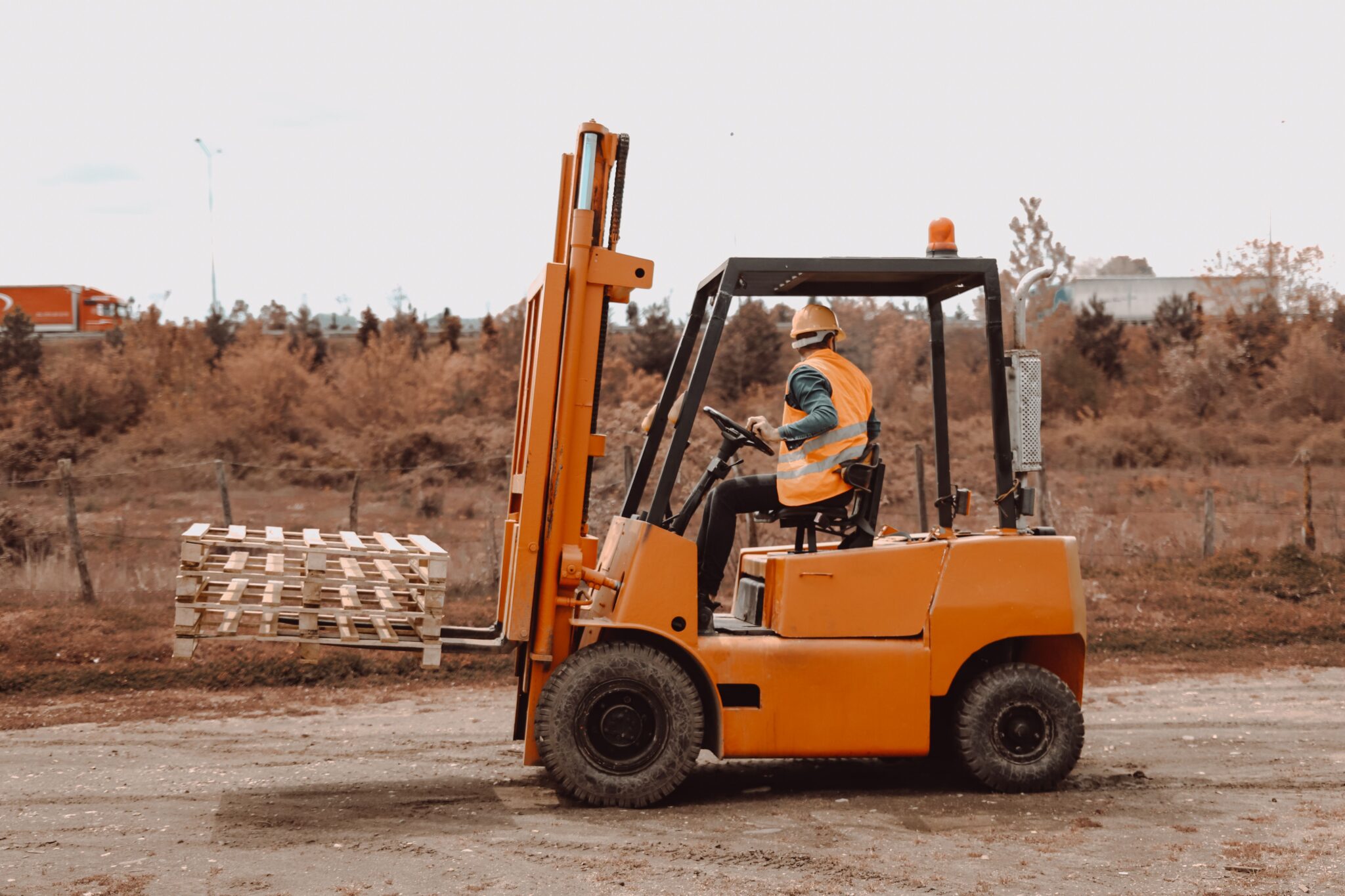
Forklifts are essential in warehouses, construction sites, manufacturing facilities, distribution centers, and other industrial environments where heavy materials need to be moved efficiently. However, these powerful machines can create serious workplace hazards when they are operated without proper knowledge and preparation. Enrolling employees in a Forklift Certification Training course can help them understand safe operating practices, recognize potential hazards, and handle equipment more responsibly. Proper training is therefore an important part of creating a safer and more organized workplace.
Understanding the Risks of Forklift Operations
Forklifts are designed to lift and transport substantial loads, but their size and weight also make them potentially dangerous. Accidents can happen when operators drive too quickly, carry unstable loads, operate on unsuitable surfaces, or fail to maintain adequate visibility.
Workplace incidents involving forklifts may result in injuries to operators, pedestrians, or other employees nearby. Equipment can also be damaged, while falling materials may cause additional hazards.
Understanding these risks is the first step toward preventing them. Proper training helps employees recognize unsafe situations before they become accidents.
Why Operator Knowledge Matters
Operating a forklift is very different from driving a regular vehicle. Forklifts have unique steering characteristics, weight distribution, lifting mechanisms, and stability limitations.
For example, turning at excessive speeds can create stability problems. Raising a load too high can affect the machine’s center of gravity, while an improperly positioned load may shift during movement.
Training introduces operators to these characteristics so they can understand how the equipment responds in different situations. This knowledge can make everyday operations more predictable and controlled.
Developing Safe Operating Habits
Good safety practices become more effective when they become part of an operator’s routine. Training can help workers develop habits such as checking the equipment before use, wearing appropriate protective equipment, maintaining safe speeds, and keeping a clear view while traveling.
Operators can also learn the importance of maintaining appropriate distances from pedestrians, doorways, ramps, loading areas, and other workplace hazards.
These habits may seem simple, but consistent attention to basic safety procedures can make a significant difference in busy industrial environments.
Pre-Operation Inspections
One important aspect of forklift safety is inspecting the equipment before operation.
Operators should understand how to identify potential problems involving components such as:
- Tires and wheels
- Forks and attachments
- Hydraulic systems
- Brakes
- Steering
- Warning devices
- Seat belts or restraints
- Fluid levels
- Safety controls
If a problem is identified, the appropriate workplace procedure should be followed rather than continuing to operate potentially unsafe equipment.
Improving Awareness of Workplace Hazards
A trained operator needs to understand more than the forklift itself. They also need to recognize hazards within their working environment.
Warehouses and industrial facilities can contain narrow aisles, uneven surfaces, ramps, loading docks, blind corners, overhead obstructions, and areas with heavy pedestrian traffic.
Training can help operators understand how environmental conditions affect forklift operation. Workers can then apply appropriate precautions when navigating challenging areas.
Safe Load Handling
Handling loads correctly is another fundamental part of forklift operation. An improperly balanced or oversized load can make a forklift more difficult to control.
Operators need to understand the importance of load capacity, positioning, stability, and visibility. They should know how to approach a load, position the forks correctly, lift it safely, and transport it at an appropriate height.
Overloading a forklift can create serious stability concerns. For this reason, operators should always follow the equipment’s specified capacity and workplace procedures.
Protecting Pedestrians and Other Employees
Forklift safety is not only the responsibility of the person operating the machine. Everyone working around powered industrial trucks can be affected by unsafe practices.
Pedestrians may not always notice a forklift approaching, especially in noisy or crowded environments. Blind intersections and obstructed views can increase the risk of unexpected encounters.
A strong workplace safety program can include clearly marked pedestrian routes, warning signs, appropriate communication procedures, and designated operating areas. Trained operators should remain alert to people working nearby and follow established traffic controls.
Reducing Equipment Damage
Safety training can also help protect valuable workplace equipment and inventory. Collisions with shelving, doors, storage racks, walls, and other machinery can result in expensive repairs and operational delays.
Careful maneuvering, proper load handling, and awareness of surroundings can reduce unnecessary impacts. Operators who understand the capabilities and limitations of their equipment are better positioned to use it responsibly.
Preventing equipment damage can also improve productivity by reducing downtime and interruptions.
Creating a Stronger Safety Culture
Workplace safety is most effective when it becomes part of the organization’s culture rather than being treated as a one-time requirement.
Regular training, refresher instruction, equipment inspections, clear procedures, and open communication can reinforce the importance of safe behavior.
Managers and supervisors also play an important role. When leadership consistently follows and reinforces safety procedures, employees are more likely to view those procedures as an essential part of their daily responsibilities.
The Importance of Refresher Training
Learning safe forklift operation is not necessarily a one-time process. Employees may encounter new equipment, different workplace layouts, or changing operating conditions over time.
Refresher training can help reinforce existing knowledge and address areas where unsafe habits may have developed. Additional instruction may also be appropriate when an operator changes equipment, experiences an incident, or demonstrates a need for further training.
Ongoing education keeps safety procedures fresh and encourages operators to remain attentive.
Training Benefits Both Employees and Businesses
A comprehensive approach to forklift training can benefit workers and employers alike. Employees gain knowledge that can help them perform their responsibilities more safely, while businesses can reduce the potential for accidents, equipment damage, disruptions, and associated costs.
Effective training can also contribute to a more organized working environment. When operators understand standardized procedures, equipment movement can become more predictable, helping different teams work together efficiently.
Making Forklift Safety a Daily Priority
Proper training is only one part of workplace safety, but it provides an important foundation. Employers should combine operator education with appropriate equipment maintenance, workplace controls, hazard assessments, supervision, and clear safety policies.
Operators, meanwhile, should take responsibility for following established procedures and reporting unsafe conditions when they encounter them.
Ultimately, forklift safety depends on consistent actions rather than a single training session. When employees understand their equipment, recognize workplace hazards, and follow established operating procedures, they can contribute to a safer and more productive environment.
Conclusion
Forklifts make many workplaces more efficient, but their safe operation requires knowledge, awareness, and discipline. Proper training helps operators understand equipment limitations, handle loads correctly, identify hazards, and develop responsible operating habits.
A Forklift Certification Training course can be an important part of an organization’s broader safety strategy. By combining appropriate training with regular inspections, workplace controls, refresher education, and strong safety practices, businesses can create an environment where employees can perform their work with greater awareness and confidence.
Investing in forklift safety is ultimately an investment in people, equipment, productivity, and the long-term success of the workplace.