If you’ve ever wandered through a tile showroom or scrolled renovation blogs, you’ve probably seen the phrase “rectified tile” tossed around. Honestly, the first time I heard it, I just nodded and pretended to understand. But knowing what is rectified tile can make a real difference to the look and feel of your finished space. Let’s break it down in plain English.
The Basics: What Is Rectified Tile, Anyway?
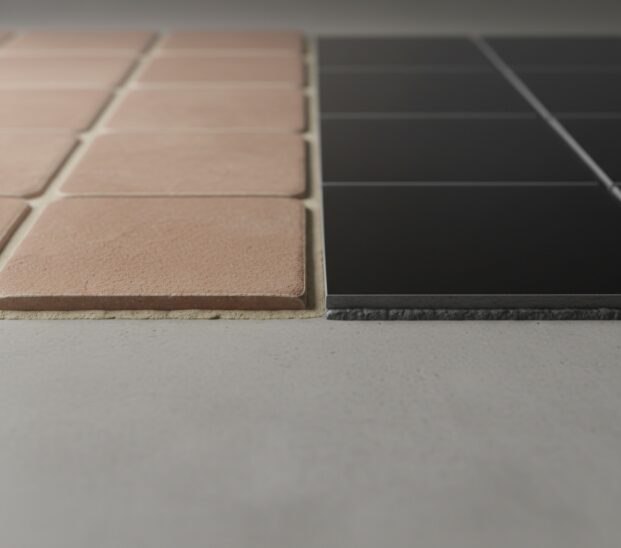
Rectified tile is a fancy way of saying the tile’s edges have been mechanically finished after firing. Instead of the slightly rounded, irregular edges that come straight out of the kiln, rectified tiles get their sides cut or ground down so every tile is exactly the same size with perfectly straight, sharp edges. This allows for super thin grout lines and a sleek, modern look.
Why Does Rectification Matter?
I learned the importance of rectified tile the hard way, when I tried to create a seamless floor using standard tiles and ended up with lumpy grout lines. If you want that smooth, almost “slab-like” appearance, rectified is the way to go. But like everything in home projects, there are tradeoffs.
Here’s what I wish I’d known before choosing my last tiles:
- Rectified tiles have ultra-straight, sharp edges—great for tight grout lines and a modern, uniform look.
- They require a level subfloor and careful installation, since even tiny misalignments are more noticeable.
- Rectified tiles can be a little pricier, and installation may cost more because of the extra precision needed.
How Are Rectified Tiles Made?
After the tile is fired (baked in a kiln), it often shrinks and gets a bit wonky around the edges. Rectification is a process where each tile is cut down with a diamond saw or grinder to the exact same size. This is what makes it possible to install them with grout joints as narrow as 1/16 of an inch—almost seamless!
Where Do People Use Rectified Tile?
Because of their precision, rectified tiles are perfect if you want a super sleek, contemporary vibe. You’ll see them in:
- Modern bathrooms
- Upscale kitchens
- Retail spaces
- Anywhere you want your tile to mimic the look of stone slabs or continuous surfaces
Standard vs. Rectified Tile
Here’s the short version: regular tiles (non-rectified) have more natural, slightly uneven edges and need wider grout lines to hide those inconsistencies. Rectified tiles let you get that crisp, almost “no grout” look, but they do demand a bit more skill (and patience) during install.
FAQs
Q1: Do rectified tiles break more easily?
A1: Not really—the rectification process doesn’t affect the tile’s strength, just the edges.
Q2: Can I use rectified tile with regular tile?
A2: You can, but mixing them on the same wall or floor may highlight size and edge differences.
Q3: Is it true you can install rectified tile with almost no grout lines?
A3: Yes, but “almost no grout” still means at least a 1/16-inch joint for safety and movement.
Q4: Are rectified tiles always porcelain?
A4: Most are porcelain, but you’ll find rectified ceramic and some natural stone tiles, too.
Q5: Does rectified tile cost more?
A5: Usually, yes—both the tile and installation can run higher because of the added precision.
Conclusion
If you crave that high-end, seamless tile look, rectified tiles are the way to go. Now that you know what is rectified tile, you can decide if the extra effort and cost are worth the clean lines and modern style. Get your subfloor prepped, hire a careful installer, and enjoy a finish that looks polished for years!