Education is not a one-time milestone (a degree to get a job) but a journey that continues throughout our lives. And no one understands this better than high-income professionals. Lawyers, doctors, and financial strategists (for example) are always busy adding skills and polishing existing ones.
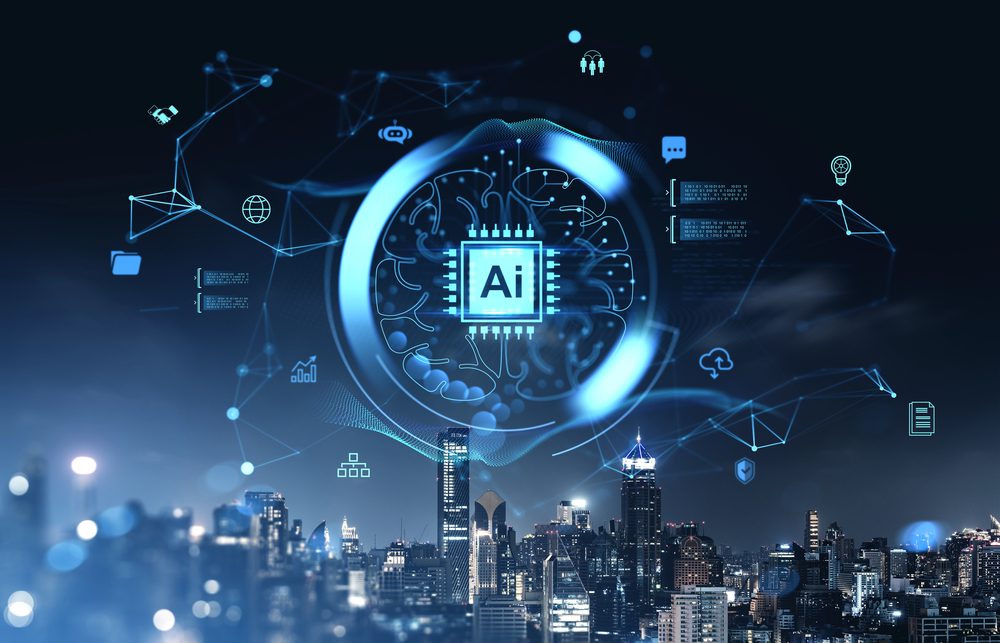
Good education is a perpetual capital investment, whether you plan to specialize in a field or deepen your understanding of a hobby. It’s also a way to keep up with the times, especially now when AI and decentralized finance are all the rage.
But how do they do it? High earners don’t have the time to spend years in school for a single diploma. In this article, we’ll discuss some of the most common ways to continue your education like a high-income professional.
University-Backed Micro-credentials and Online Programs
Many high-income earners prefer micro-credentials from top-tier institutions like Wharton (via Coursera) or the Corporate Finance Institute (CFI). These are 3- to 6-month intensive sprints focused on high-demand skills such as AI governance, fintech tokenization, and cybersecurity for executives.
Your work is acknowledged via a diploma or certificate, and you can focus on one or two skills that are relevant to today’s job market.
Still, for those interested in more complex topics or interested in a career change, online programs are the best way to go. Remote options like the online master’s degree programs from Faulkner University make it easier to access instructors and information in a wide range of industries.
Exclusive Peer-to-Peer Masterminds and Retreats
Learning doesn’t always happen in a teacher-student format. Students can learn from other students; teachers need input from other educators; and sometimes, teachers learn from their students.
This is why high-income professionals prefer big events focused on networking and learning from one another. Events like Tony Robbins’ Business Mastery and Grant Cardone’s 10X Growth Conference attract professionals from all over the world.
Over the course of a few intense days (usually 2 to 3), participants engage in high-value conversations, challenge assumptions, and gain direct access to influential voices across industries.
Beyond structured sessions, the real advantage lies in proximity to diverse expertise. It’s not uncommon for a tech CEO, a biotech innovator, and a private equity principal to exchange perspectives in the same room. These interactions often surface non-obvious innovations that might never have come to light otherwise.
Executive Coaching
High-potential professionals and industry leaders have a variety of coaches to help them develop and acquire highly specific skills essential to success. Coaching is a 1-on-1 partnership focused on specific behavioral shifts, designed to help the trainee overcome a specific difficulty.
For instance, if a CEO wants to understand their blind spots and leadership gaps, they would hire a coach who has helped shape leaders in similar fields. The coach will start by interviewing peers, subordinates, and board members to identify any blind spots, then devise a corrective plan to help the trainee improve.
The current high popularity of AI and high-tech has inspired a new type of coach: the AI fluency and digital transformation coach. Their job is to help non-technical leaders navigate the Agentic AI revolution and ensure they can distinguish between AI hype and actual operational ROI.
Education as a Strategic Advantage
High-income professionals understand that education must go on for as long as they wish to stay relevant in a competitive job market. The good news is that learning can take a wide range of forms, from targeted micro-credentials and online programs to immersive peer-to-peer events and highly personalized executive coaching.
In a landscape defined by rapid technological and economic shifts, those who prioritize structured, ongoing education are positioning themselves to lead.