The demand for Top Private Jets for Corporate Executives has surged sharply in 2026, driven by a global business environment where speed, flexibility, and control are critical advantages. Executives no longer view private jets as luxury assets alone. Instead, they treat them as essential tools that enable faster decision-making, tighter schedules, and seamless global connectivity. As international markets expand and competition intensifies, time efficiency has become one of the most valuable corporate resources.
Moreover, private jets, often referred to as a private airplane, now function as mobile offices rather than simple transport solutions. Executives conduct meetings mid-air, finalize deals across continents, and maintain productivity without the delays of commercial aviation. High-speed connectivity, customized interiors, and long-range capabilities have transformed these aircraft into strategic business assets.
Consequently, the rise in private jet charter, private plane charter, and even demand for private jets for sale reflects a shift in how corporations approach travel. Whether through ownership or charter, companies increasingly invest in aviation solutions to maintain a competitive edge. Therefore, understanding the Top Private Jets for Corporate Executives is crucial for businesses looking to optimize performance in 2026.
What Corporate Executives Look for in Private Jets?
Corporate leaders prioritize performance, productivity, and reliability when selecting a private jet. Unlike leisure buyers, executives demand aircraft that support continuous workflow, global reach, and operational efficiency. Therefore, manufacturers now design jets as “flying boardrooms” with advanced features tailored to business needs.
First, long-range capability remains a top priority. Executives often travel between continents, and nonstop flights save valuable hours. Jets with ranges between 7,500 and 8,000 nautical miles dominate this segment because they enable direct routes between major business hubs without refueling.
Second, onboard workspace design plays a critical role. Modern private airplanes include conference tables, executive seating, and private suites that allow teams to collaborate in real time. This setup ensures that executives remain productive throughout the journey rather than waiting to reach their destination.
Key executive priorities include:
- Long-range global travel capability
- High-speed WiFi and real-time connectivity
- Quiet cabins for meetings and rest
- Flexible seating and workspace layouts
- Comfort for long-haul flights
Moreover, advanced connectivity systems now rival ground offices. As a result, executives can host virtual meetings, access secure data, and manage operations mid-flight. This shift explains why the best business jets are now evaluated based on productivity features, not just luxury.
Top Private Jets for Corporate Executives (2026)
The Top Private Jets for Corporate Executives in 2026 reflect a balance of range, comfort, and advanced technology. Leading manufacturers continue to push boundaries, delivering aircraft that combine performance with executive-focused interiors.
Among the most notable models, ultra-long-range jets dominate the market due to their ability to connect global financial centers nonstop. These aircraft typically carry between 10 and 19 passengers, making them ideal for executive teams and corporate delegations.
Top models include:
- Gulfstream G700
- Bombardier Global 7500
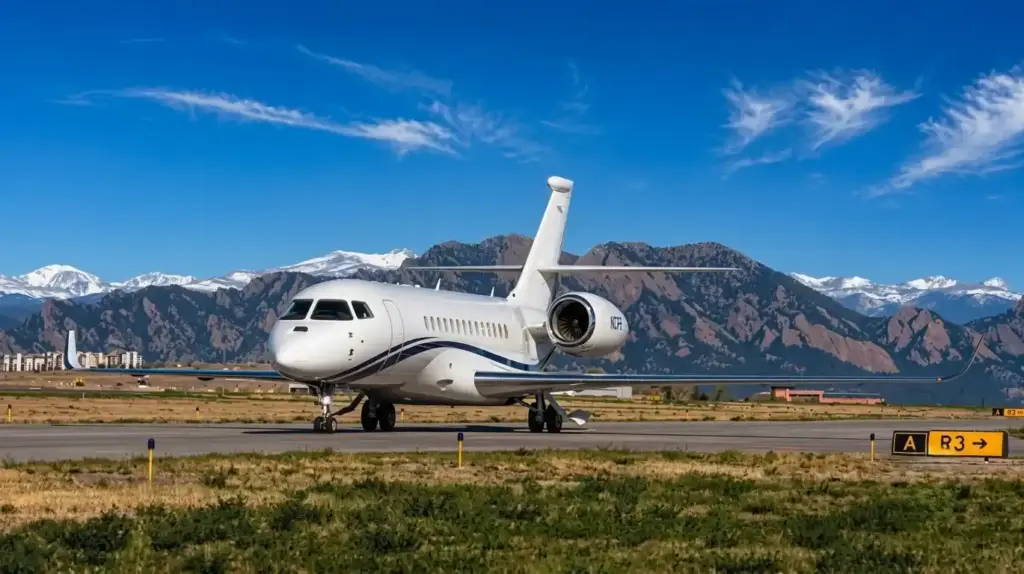
- Dassault Falcon 10X
- Cessna Citation Longitude
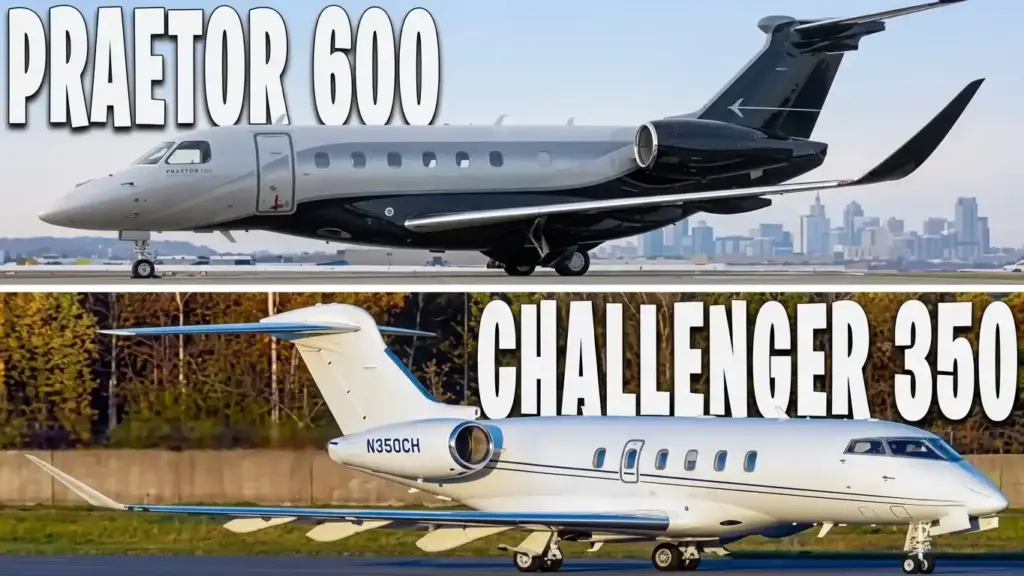
- Embraer Praetor 600
Notably, the Bombardier Global 7500 remains one of the most sought-after jets in this category. Its range, cabin flexibility, and performance make it a benchmark for long-haul corporate travel. Consequently, demand for this aircraft continues to rise among multinational executives.
Top Private Jets for Corporate Executives (2026 Comparison)
| Jet Model | Range (nm) | Capacity | Price Range | Best Use Case |
|---|---|---|---|---|
| Gulfstream G700 | ~7,500 | 13–19 | $75M–$80M+ | Global executive travel |
| Bombardier Global 7500 | ~7,700 | 14–19 | $75M–$80M+ | Ultra-long-haul missions |
| Dassault Falcon 10X | ~7,500 | 10–15 | $70M–$75M | Luxury + efficiency |
| Citation Longitude | ~3,500 | 8–12 | $25M–$30M | Regional corporate travel |
| Embraer Praetor 600 | ~4,000 | 8–12 | $20M–$25M | Cost-efficient executive travel |
Ultra-Long-Range Jets: Global Business Connectivity
Ultra-long-range jets define the upper tier of the best business jets category. These aircraft allow executives to travel nonstop between continents, which significantly improves efficiency and reduces travel fatigue. As global markets expand, this capability becomes increasingly valuable.
The Gulfstream G700 offers approximately 7,500 nautical miles of range and features multiple cabin zones. Executives can hold meetings, relax, and sleep in separate areas, ensuring maximum productivity during long flights. Similarly, the Bombardier Global 7500 provides around 7,700 nautical miles of range and includes four distinct living spaces.
Key advantages of ultra-long-range jets:
- Nonstop intercontinental travel
- Multiple cabin zones for work and rest
- Premium comfort for long flights
- Advanced connectivity systems
Moreover, these jets support global business operations by eliminating layovers. Consequently, CEOs and senior executives rely heavily on them for international travel. This explains why many corporations explore private jets for sale in this category despite their high cost.
Super-Midsize Jets: Efficiency Meets Performance
While ultra-long-range jets dominate global travel, super-midsize jets offer a more cost-effective solution for regional and cross-country flights. These aircraft provide strong performance while maintaining lower acquisition and operating costs.
Models like the Citation Longitude and Embraer Praetor 600 are widely used for corporate travel within regions. They offer sufficient range for most business routes while delivering high levels of comfort and efficiency. Therefore, they remain popular among companies with frequent short to mid-range travel needs.
Key benefits of super-midsize jets:
- Lower operating costs compared to larger jets
- Efficient performance for regional routes
- Comfortable cabins for executive teams
- Faster turnaround times
Additionally, these jets appeal to companies that prefer flexibility. Many organizations rely on private jet charter or private plane charter services using midsize aircraft for routine travel. As a result, demand in this segment continues to grow steadily.
Cabin Experience: The Flying Office
The cabin experience plays a central role in defining the Top Private Jets for Corporate Executives. Modern jets focus on productivity, comfort, and adaptability, ensuring that executives can work efficiently throughout the flight.
Cabins now feature dedicated meeting areas, private suites, and advanced lighting systems designed to reduce jet lag. These elements create an environment that supports both work and rest, which is essential for long-haul travel. For deeper insights into optimizing interiors, see Private Jet Cabin Upgrade.
Key cabin features include:
- Conference tables for in-flight meetings
- Executive seating with ergonomic design
- Private sleeping areas for long flights
- Smart lighting systems to adjust time zones
- High-speed internet connectivity
Moreover, manufacturers integrate advanced soundproofing to create quieter cabins. Consequently, executives can focus on critical tasks without distractions. This evolution reinforces the idea that a private airplane is no longer just transport it is a fully functional workspace.
Ultra-Long-Range vs Super-Midsize Jets
| Feature | Ultra-Long-Range Jets | Super-Midsize Jets |
|---|---|---|
| Cost | $70M–$80M+ | $20M–$30M+ |
| Range | 7,500–8,000 nm | 3,500–4,000 nm |
| Productivity | High (multiple zones) | Moderate |
| Comfort | Maximum luxury | High but limited space |
| Use Case | Global travel | Regional business trips |
Why Corporations Invest in Private Jets?
Corporations invest in private jets because they deliver measurable business advantages. Time savings alone justify the investment for many organizations, especially those operating across multiple regions.
First, private aviation allows executives to avoid commercial airport delays. This ensures faster travel and more predictable schedules. Second, flexible departure times enable companies to respond quickly to urgent opportunities.
Key reasons companies invest:
- Save time on critical business trips
- Enable flexible scheduling
- Improve executive productivity
- Strengthen corporate image
Moreover, using the best business jets enhances a company’s reputation. Clients and partners often associate private aviation with efficiency and success. Therefore, many organizations view it as both a functional and strategic investment.
Ownership vs Charter for Executives
Companies can access private jets through ownership, charter, or fractional models. Each option offers different advantages depending on usage and budget.
Full ownership provides maximum control and availability. However, it requires significant investment and ongoing costs. On the other hand, private jet charter and private plane charter offer flexibility without long-term commitment.
Key options include:
- Full ownership: complete control, high cost
- Charter: pay per use, flexible scheduling
- Fractional ownership: shared costs and access
Consequently, many companies choose charter services for occasional travel while larger corporations invest in ownership. Additionally, the market for private planes for sale continues to grow as demand increases.
Costs & Investment Insights
The cost of Top Private Jets for Corporate Executives varies widely depending on size, range, and features. Ultra-long-range jets typically cost between $70 million and $80 million or more, while midsize jets range from $20 million to $30 million.
Operating costs also play a significant role. These include fuel, crew salaries, maintenance, and hangar fees. Therefore, companies must evaluate both acquisition and long-term expenses.
Key cost factors:
- Aircraft purchase price
- Fuel and maintenance costs
- Crew salaries and training
- Insurance and regulatory fees
Moreover, private jet price trends in 2026 show steady growth due to high demand and limited supply. As a result, investing in a private airplane requires careful financial planning.
Limitations & Considerations
Despite their benefits, private jets come with challenges that companies must consider. High costs remain the primary barrier, especially for smaller organizations.
Additionally, environmental concerns are becoming more prominent. Aviation emissions are under increasing scrutiny, which may lead to stricter regulations in the future. Therefore, companies must balance efficiency with sustainability.
Other considerations include:
- High acquisition and operating costs
- Environmental impact concerns
- Limited availability of skilled crew
- Complex aviation regulations
Consequently, businesses must evaluate whether ownership or charter aligns better with their operational needs.
2026 Trends in Corporate Aviation
Corporate aviation continues to evolve rapidly in 2026. Demand for private jets remains strong, driven by the need for flexibility and efficiency in global business.
Key trends include:
- Growth in fractional ownership models
- Increased demand for private jets for sale
- Focus on fuel efficiency and sustainability
- Integration of advanced onboard technology
Moreover, connectivity has become a defining feature of the best business jets. Executives expect seamless communication, regardless of location. As a result, manufacturers prioritize technology as much as performance.
FAQs
What are the best private jets for executives?
Top options include Gulfstream G700, Bombardier Global 7500, and Falcon 10X.
How much do corporate jets cost?
Prices range from $20M to over $80M depending on size and range.
Why do companies use private jets?
They save time, improve productivity, and enable flexible travel.
What is the most popular executive jet?
The Bombardier Global 7500 remains one of the most in-demand jets.
Are private jets a good investment for businesses?
Yes, especially for companies that require frequent global travel and time efficiency.